

Introduction to Generative AI in Business Intelligence
Business Intelligence (BI) has always been a cornerstone for data-driven organizations. It helps businesses collect, analyze, and interpret information to make better decisions. However, as data becomes more complex and unstructured, traditional BI methods are reaching their limits. This is where Generative AI is redefining how businesses use data.
What is Business Intelligence (BI)?
BI is a process that transforms data into actionable insights. It involves tools and techniques for gathering, analyzing, and visualizing information to guide strategic and operational decisions.
Traditional BI workflows include:
- Collecting data from internal and external sources.
- Analyzing data to uncover patterns and trends.
- Reporting insights through dashboards and summaries.
While effective, traditional BI often depends on technical experts to generate reports and analyze data. Generative AI eliminates this dependency and brings automation, speed, and intelligence to the process.
The Rise of Generative AI
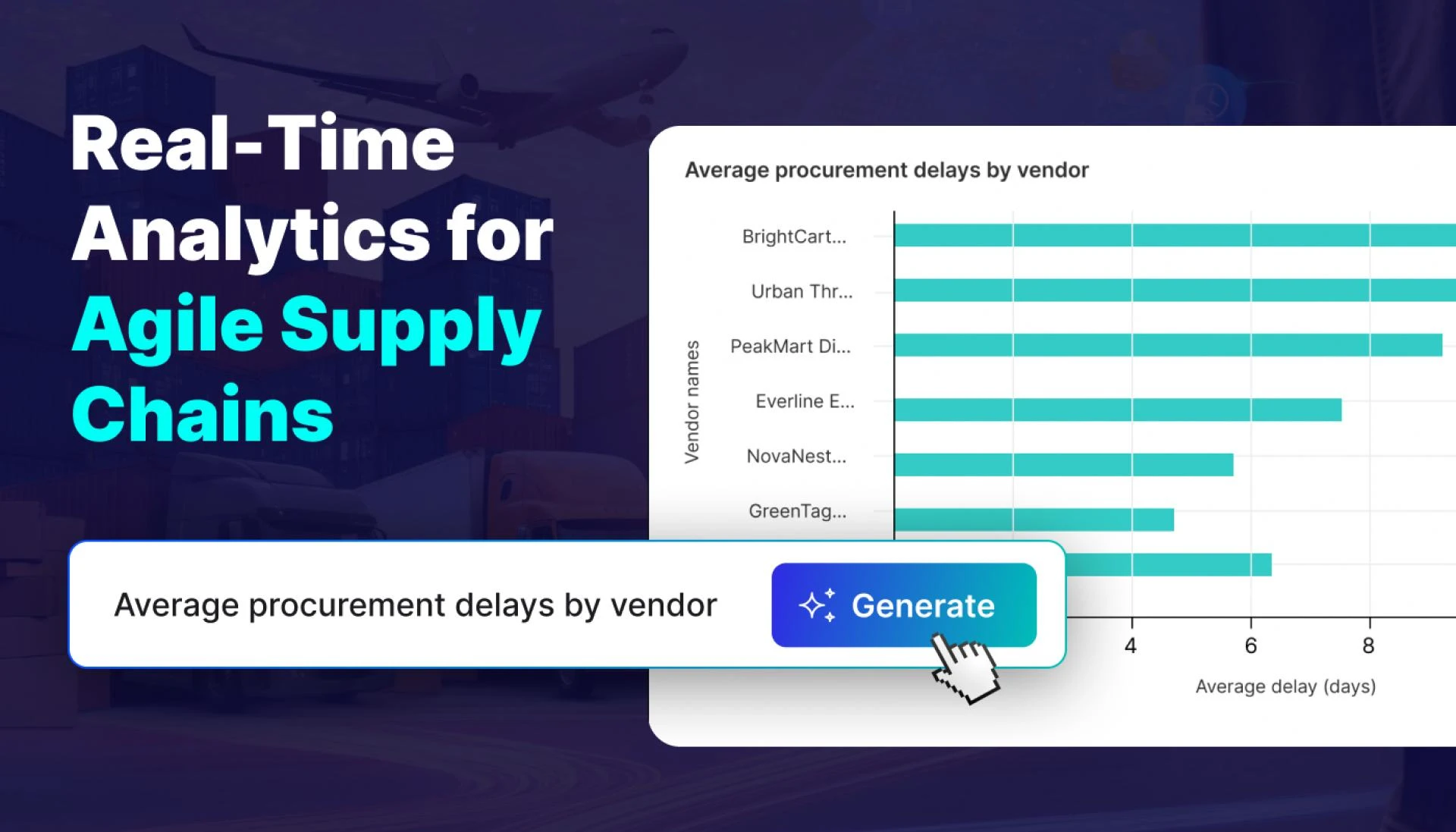
Generative AI uses machine learning models that create new data, insights, and visuals from existing information. It goes beyond recognizing patterns—it understands context and generates meaningful outputs in real time. New BI platforms like Lumenn AI are transforming analytics by using natural language processing and generative models. Users can ask questions conversationally and instantly receive tailored insights and visuals without needing complex queries.
Generative AI’s strength lies in its ability to turn data exploration into a natural, intuitive experience. It makes BI faster, smarter, and accessible to everyone in the organization.
Why Generative AI Matters for BI
Generative AI bridges the gap between descriptive, predictive, and prescriptive analytics. It not only explains past performance but also forecasts future trends and suggests data-driven actions.
It is also democratizing BI by empowering non-technical teams to analyze and understand data. Anyone in the organization can now interact with information directly, encouraging a culture where decisions are guided by real-time insights rather than assumptions.
How Generative AI is Transforming Business Intelligence
Enhanced Data Analysis and Insights
Generative AI quickly processes large datasets and identifies deep patterns that human analysts might miss. It can interpret unstructured data such as text, customer reviews, or images, revealing new opportunities for business growth.
Personalized Reporting and Visualization
Reports and dashboards are now created automatically and tailored to each user’s needs. Using natural language interfaces, stakeholders can request specific insights, receive customized visuals, and track performance instantly.
Predictive and Prescriptive Analytics
With generative AI, businesses can predict outcomes more accurately and receive data-backed recommendations. From forecasting demand to suggesting cost-saving strategies, AI helps leaders make proactive decisions.
Streamlining Data Integration
AI automates the process of merging, cleaning, and organizing data from multiple platforms. This leads to faster insights, higher data quality, and consistent reporting across all departments.
Natural Language Processing (NLP) for BI
NLP allows users to query data conversationally. Chatbots and voice-enabled assistants help teams ask questions and get instant answers, reducing dependence on analysts and improving response time.
Top BI Tools That Leverage Generative AI
Lumenn AI
Lumenn AI uses generative intelligence to simplify data exploration. Its natural language query feature enables users to interact with data conversationally and receive clear, visualized insights.
Tableau with AI Enhancements
Tableau now includes generative AI capabilities that automatically create visualizations, summarize patterns, and recommend optimal data presentation formats for business users.
Power BI with Copilot
Microsoft Power BI integrates Copilot, which uses generative AI to generate insights and reports automatically. Users can describe their needs, and Copilot creates dashboards instantly.
ThoughtSpot
ThoughtSpot combines search-driven analytics with conversational AI. It allows users to type questions and instantly receive visual answers powered by generative AI models.
Sisense Fusion Analytics
Sisense uses AI to generate predictive insights and tailor reports. It helps embed analytics into existing workflows, making insights available within daily business operations.
Domo AI
Domo applies generative AI for real-time analytics, automated reporting, and interactive dashboards. Its scalability and user-friendly design make it ideal for large enterprises and fast-growing startups.
Benefits and Challenges of Generative AI in BI
Key Benefits
- Improved efficiency: Automates data processing and speeds up analysis.
- Better decision-making: Provides instant insights and recommendations.
- Accessibility: Empowers all employees to access and understand data.
- Cost optimization: Reduces manual effort and operational expenses.
Potential Challenges
- Data privacy: Managing sensitive data securely remains crucial.
- Data quality: Poor data can result in misleading insights.
- Integration issues: Legacy systems may require updates for compatibility.
The Future Outlook for Generative AI in BI
Emerging Trends
- Increasing adoption of multimodal AI for analyzing diverse data types
- Rise of autonomous BI systems that deliver continuous insights
- Integration of AI-powered analytics within everyday business tools
- Expansion of intelligent decision-support systems across industries
Preparing Your Business for AI-Driven BI
- Assess your current BI tools and identify opportunities for AI integration
- Begin with small-scale AI projects to measure impact and learn quickly
- Train teams in AI literacy and data interpretation
- Partner with AI-driven BI vendors for seamless adoption
Ethical Considerations
- Promote transparency in how AI generates insights
- Ensure fairness and reduce bias in AI models and outcomes
- Establish accountability frameworks for AI-based decisions
- Safeguard data privacy and follow compliance standards
Conclusion: The Road Ahead for AI-Powered BI
Generative AI is revolutionizing Business Intelligence by turning data into an active, intelligent partner in decision-making. It is transforming how organizations analyze information, forecast outcomes, and communicate insights.
Businesses that embrace AI-driven BI now will lead their industries in efficiency, agility, and innovation. Integrating tools like Lumenn AI, ThoughtSpot, and Power BI Copilot enables organizations to unlock the full potential of their data.






























Sign in to leave a comment.