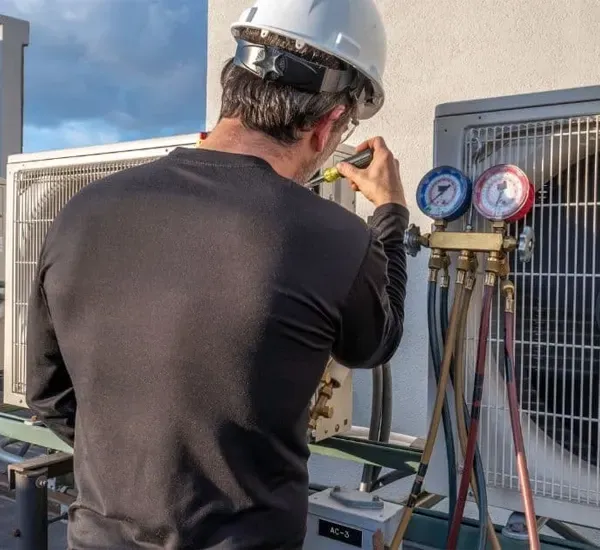

How HVAC Services Enhance Comfort During Florida’s Hot Summers
Managing indoor environmental conditions in a commercial space during a Northeast Florida summer is a rigorous operational challenge. In locations like Ponte Vedra Beach, corporate offices, retail spaces, and facility networks operate under extreme thermodynamic stress. The combination of high solar radiation, dense occupancy loads, and unrelenting coastal humidity requires mechanical systems to perform continuously at peak capacity.
When a facility’s cooling infrastructure is neglected, indoor conditions quickly deteriorate, impacting employee productivity, equipment reliability, and customer satisfaction. Securing dedicated Commercial HVAC Services allows business owners to establish an engineered approach to climate control, ensuring stable temperatures, managed humidity, and lower overhead costs through the hottest months of the year.
1. High-Volume Thermal Management and Occupancy Balancing
Commercial structures feature complex thermal dynamics that differ significantly from standard residential properties. Large commercial facilities face a combination of external radiant heat gain through the building envelope and internal heat generated by electronic equipment, lighting systems, and high occupancy counts.
+-----------------------------------------------------------------+ | Commercial Thermal Load Dynamics | +-----------------------------------------------------------------+ | [ External Stressors ] ---> High Solar Radiation & Salt Air | | | | | v | | [ Internal Stressors ] ---> Occupant Densities & Server Assets | +-----------------------------------------------------------------+
Professional Commercial HVAC Services address these demanding load demands through precise system calibration. Technicians balance multi-zone air distribution networks to ensure even airflow throughout the entire building layout. This process prevents common comfort issues like hot spots in perimeter offices or over-cooling in interior server rooms, keeping your entire facility at a comfortable, productive temperature.
2. Advanced Latent Heat Extraction and Dehumidification
In Northeast Florida, maintaining indoor comfort depends heavily on managing moisture levels. Commercial properties face a high latent heat load, meaning their cooling systems must spend a significant amount of energy pulling water out of the air before they can effectively lower the indoor temperature. High humidity is a major problem in commercial spaces because tight building envelopes can trap moisture, leading to mold growth inside walls and damaging expensive electronic equipment.
┌────────────────────────────────────────────────────────┐ │ Commercial Moisture Calibration │ └───────────────────────────┬────────────────────────────┘ │ ┌─────────────────────────┴─────────────────────────┐ ▼ ▼ ┌─────────────────────────────────┐ ┌─────────────────────────────────┐ │ Uncalibrated Systems │ │ Professionally Serviced Units │ ├─────────────────────────────────┤ ├─────────────────────────────────┤ │ • Stagnant, short-cycled airflow │ │ • Optimized modulation runtimes │ │ • Elevated relative indoor dampness│ │ • Active 45%-55% humidity control│ │ • Risk of inventory degradation │ │ • Pristine building protection │ └─────────────────────────────────┘ └─────────────────────────────────┘
Commercial HVAC experts optimize moisture extraction by precisely calibrating cooling cycles and airflow speeds across the evaporator coils. Many large facilities also benefit from advanced solutions like dedicated outdoor air systems (DOAS) or hot-gas bypass modifications. These professional systems extract gallons of ambient moisture daily, locking indoor relative humidity within an ideal 45% to 55% range to protect your building, asset investments, and indoor air quality.
3. Preserving Equipment Longevity in Corrosive Coastal Environments
Commercial HVAC equipment located near the ocean faces a persistent environmental threat: salt-air corrosion. Marine air carries elevated concentrations of sodium chloride, which deposits directly onto aluminum fins and copper heat-exchanger tubes. This moisture-driven interaction initiates galvanic corrosion, leading to accelerated material degradation, loss of system efficiency, and expensive pinhole refrigerant leaks.
- The Risk of Neglect: Left unaddressed, salt crusting forms an insulating blanket over the coils, forcing the heavy-duty compressor to work harder and run longer cycles to shed heat.
- The Value of Commercial Maintenance: Specialized commercial service plans counter this damage through regular coil descaling and deep cleaning. Removing these corrosive deposits restores original thermal transfer rates, keeps internal pressures stable, and protects your business from the sudden disruption of an emergency system failure.
Frequently Asked Questions
What specific tasks are performed during a routine commercial HVAC maintenance visit?
A comprehensive commercial maintenance visit involves a full inspection of all mechanical, electrical, and airflow components. Technicians measure motor amperages and voltages, tighten high-voltage connections, evaluate belt tension on blower drives, clean and sanitize condensate pans, flush primary drain networks, inspect the heat exchangers, and test the facility's centralized controls or energy management systems. They also check refrigerant charge levels and provide a detailed status report on all key systems.
How often should a commercial facility schedule HVAC maintenance?
To ensure maximum reliability and lower energy costs, commercial HVAC systems should be professionally serviced at least four times a year (quarterly). Commercial systems handle much heavier workloads and experience higher runtimes than residential units. Quarterly maintenance visits allow technicians to catch minor wear and tear early, change high-capacity air filters before they restrict airflow, and keep the equipment running at peak efficiency all year long.
What are the benefits of upgrading a commercial building to a variable-speed system?
Upgrading to a variable-speed commercial system delivers substantial energy savings and significantly better comfort control. While legacy single-stage systems run exclusively at 100% capacity and constantly cycle on and off, variable-speed systems continuously modulate their output to match your building's real-world cooling needs. This continuous operation eliminates power spikes, dramatically lowers monthly utility bills, and provides exceptional humidity control.
How does proper commercial HVAC maintenance improve indoor air quality?
Regular maintenance keeps your building's air clean by eliminating biological growth and dust reservoirs inside the primary mechanical cabinets. Technicians deep clean the dark, damp evaporator coils and sanitize the condensate pans where mold and bacteria can multiply. Additionally, verifying that your system’s blower motors are performing correctly allows your facility to utilize high-efficiency MERV filtration, which screens out fine dust, pollen, and airborne contaminants from your indoor environment.
Can a dirty commercial HVAC system increase a business's monthly operating costs?
Yes, a neglected commercial HVAC system can significantly increase your monthly operating costs. When dust, dirt, or coastal salt crusts accumulate on heat-exchanger coils, they act as an insulating barrier that slows heat transfer. This forces the system's heavy compressors and fans to run longer and consume up to 30% more electricity to cool the building, directly inflating your utility bills and causing premature equipment wear.






























Sign in to leave a comment.