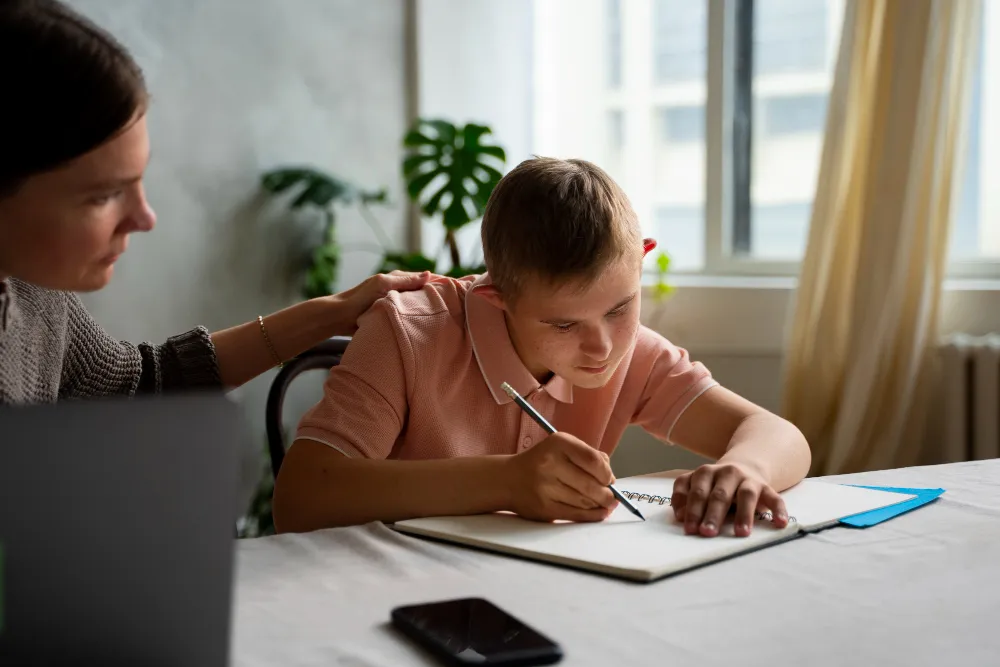

“Brisbane schools are adopting more inclusive learning approaches to better support students with diverse educational and developmental needs”.
Education in Australia has undergone significant transformation in recent years, with increasing emphasis on inclusive learning environments and personalised educational support. In Brisbane, schools are adapting teaching methods, classroom structures, and student support systems to meet the growing demand for specialised education pathways that accommodate diverse learning needs.
Parents, educators, and policymakers are increasingly recognising that every child learns differently. Traditional classroom models, which often rely on standardised teaching methods, may not always provide the flexibility required for students with cognitive, developmental, behavioural, or communication challenges. As awareness around neurodiversity and individual learning needs continues to grow, schools are placing greater focus on tailored educational strategies.
This shift has contributed to rising interest in Brisbane special schools that provide structured support systems designed to help students develop academic, social, emotional, and life skills in ways that align with their individual abilities. These schools often incorporate specialised teaching techniques, sensory-friendly environments, and smaller class sizes to create more supportive learning experiences.
One of the most significant trends shaping modern special education is the increasing use of personalised learning plans. Educators are moving away from one-size-fits-all instruction and instead focusing on individual student strengths, challenges, and developmental goals. Personalised learning frameworks allow teachers to adjust lesson pacing, communication methods, and assessment approaches to better support student progress.
Technology is also playing a transformative role in inclusive education. Assistive learning tools, speech-to-text software, communication devices, and interactive educational platforms are helping students engage more effectively in classroom activities. These technologies can improve accessibility while encouraging greater independence and participation.
Another important development is the growing integration of wellbeing support within educational settings. Mental health awareness has become a key focus across Australian schools, particularly for students who may experience anxiety, sensory sensitivities, or social communication difficulties. Many educational environments are now incorporating emotional regulation strategies, counselling support, and structured wellbeing programs into everyday learning routines.
The role of collaboration between educators, therapists, and families has also become increasingly important. Parents are now more actively involved in educational planning and support strategies, helping schools create consistent developmental approaches between home and classroom environments. This collaborative model often leads to stronger communication and more effective long-term educational outcomes.
Demand for specialised learning support has also increased as awareness of neurodevelopmental conditions continues to grow. More families are seeking educational environments that can provide targeted assistance for children with autism spectrum conditions, attention-related challenges, speech and language difficulties, and learning differences.
As a result, many parents are exploring schools for children with learning difficulties Brisbane that offer flexible teaching approaches and specialised student support services. These educational settings often focus not only on academic achievement but also on communication skills, confidence building, social interaction, and practical life development.
Teacher training has become another critical factor in the evolution of inclusive education. Educators are increasingly receiving professional development in behavioural support strategies, differentiated instruction, trauma-informed learning, and neurodiversity awareness. This training helps create more adaptive classrooms capable of supporting varied learning profiles.
Classroom environments themselves are also evolving. Flexible seating arrangements, sensory-friendly spaces, quiet zones, and structured visual learning tools are becoming more common within specialised education settings. Research suggests that thoughtfully designed learning environments can positively influence student focus, emotional regulation, and classroom engagement.
The Australian education sector has also seen increased discussion around balancing inclusion with specialised support. While mainstream schools continue expanding inclusive education initiatives, some students may benefit from environments specifically designed around individual learning needs. This has contributed to growing interest in independent special schools Brisbane that provide specialised educational frameworks and targeted student support programs.
Community awareness surrounding inclusive education has improved significantly over the past decade. Families are now more informed about learning differences and support pathways available to students. Public conversations around accessibility, diversity, and educational equity have encouraged broader acceptance of varied learning approaches within school communities.
Experts also note that early intervention plays a major role in educational development. Identifying learning challenges at younger ages often allows students to receive support before academic or social difficulties become more pronounced. Early support programs can strengthen communication skills, emotional development, and learning confidence over time.
In addition to academic instruction, many specialised schools place strong emphasis on life readiness and practical skill development. Programs focusing on communication, daily living skills, emotional resilience, and vocational preparation are increasingly recognised as essential components of long-term student success.
The use of multidisciplinary support teams is another growing trend within inclusive education. Speech therapists, occupational therapists, behavioural specialists, and psychologists often work alongside teachers to provide more comprehensive student support. This integrated approach allows educational strategies to address both academic and developmental needs simultaneously.
Families searching for the best special schools Brisbane are increasingly considering factors beyond academic performance alone. School culture, emotional support systems, communication practices, sensory accommodations, and student wellbeing programs have become important elements in decision-making processes.
Looking ahead, experts believe inclusive education will continue evolving through greater use of technology, personalised teaching models, and collaborative support systems. Schools are expected to place increasing emphasis on adaptability, accessibility, and student-centred learning approaches.
Ultimately, the future of education in Brisbane reflects a broader understanding that learning success cannot always be measured through standardised pathways alone. By recognising diverse abilities and creating supportive educational environments, schools are helping students build confidence, independence, and lifelong learning skills in ways that align with their unique strengths.
Author Bio:
The author Rob is an education and community writer focused on inclusive learning, student wellbeing, and modern teaching strategies. He regularly covers trends related to independent special schools in Brisbane.


























Sign in to leave a comment.