

Sleep and mental health are deeply connected, and when one suffers, the other often does too. Insomnia—difficulty falling asleep, staying asleep, or waking up too early—can seriously impact your emotional well-being over time. It’s not just about feeling tired; the effects run much deeper, often affecting mood, thought patterns, and even how we cope with stress.
If you’ve ever experienced long nights of tossing and turning, followed by days filled with irritability, anxiety, or sadness, you’re not alone. Many people don’t realize that their sleep issues and emotional struggles are tied together. In fact, insomnia is both a symptom and a cause of many mental health conditions.
Sleep Deprivation Changes How the Brain Works
The lack of sleep also weakens the brain’s ability to respond to stress. Problems that would normally feel manageable begin to feel overwhelming. You may find it harder to focus, more sensitive to criticism, or emotionally distant from others. All of this points to one truth: How insomnia affects mental health is not just about being tired—it’s about how sleep loss alters your brain’s ability to function.
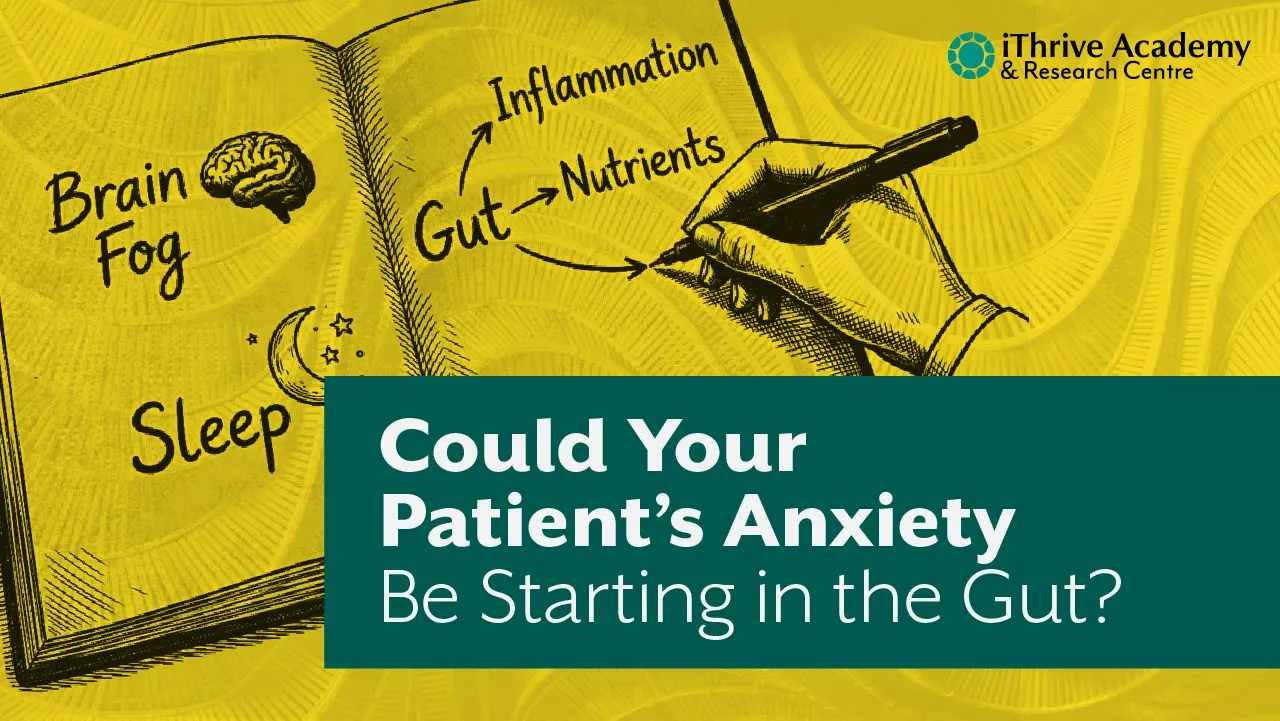
The Link Between Insomnia and Anxiety
One of the most common mental health struggles linked to insomnia is anxiety. People who don’t sleep well often feel more nervous, restless, or on edge. At the same time, people with anxiety often find it hard to fall asleep because their minds won’t stop racing. It becomes a vicious cycle: anxiety makes it hard to sleep, and poor sleep makes anxiety worse.
You might lie in bed replaying conversations, worrying about tomorrow, or feeling like you just can’t relax. This mental overstimulation interferes with the body’s natural ability to slow down and enter a restful state. Over time, this pattern can lead to chronic insomnia.
Depression and Sleep Loss Go Hand in Hand
Just like with anxiety, depression and insomnia are closely connected. It’s common for people who are depressed to experience changes in sleep—some sleep too much, while others can’t sleep at all. For many, insomnia is one of the first signs of depression.
Sleep loss can lower serotonin levels in the brain, which can affect mood and emotional stability. When you don’t sleep, your ability to feel joy, stay motivated, or focus on daily tasks can slip away. You may feel hopeless, drained, or emotionally numb—symptoms that are often associated with depression.
Mood Swings and Emotional Reactivity
Even if you don’t have a diagnosed mental health condition, lack of sleep can make it harder to regulate your emotions. People with insomnia are more likely to experience mood swings, frustration, and low tolerance for stress. You might feel tearful one moment and angry the next, often without clear reason.
This emotional reactivity is the result of your brain’s emotional center (the amygdala) being in overdrive, while the part of the brain responsible for logical thinking (the prefrontal cortex) is weakened by sleep deprivation. That imbalance makes it hard to stay calm, think things through, or respond rationally.
What You Can Do About It
The good news is that insomnia—and its effect on mental health—is treatable. You don’t have to live in a constant state of fatigue and emotional struggle. Here are a few steps that may help:
- Establish a Sleep Routine: Try to go to bed and wake up at the same time every day, even on weekends. Consistency helps regulate your body clock.
- Limit Stimulants and Screen Time: Avoid caffeine late in the day and reduce screen time an hour before bed. Blue light from phones and computers can interfere with melatonin, the sleep hormone.
- Create a Calm Sleep Environment: Keep your bedroom dark, quiet, and cool. Use blackout curtains, turn off electronics, and consider calming music or a white noise machine.
- Practice Relaxation Techniques: Deep breathing, progressive muscle relaxation, or mindfulness meditation can help calm an overactive mind at night.
- Talk to a Mental Health Professional: If your insomnia is linked to anxiety or depression, therapy—especially Cognitive Behavioral Therapy for insomnia affects mental health (CBT-I)—can be incredibly effective. CBT-I focuses on changing the thoughts and behaviors that keep you awake.
- Consider Medical Support When Needed: In some cases, a doctor may recommend short-term use of sleep aids, like Ambien, to help break the cycle. However, these should only be used under medical supervision and not as a long-term solution.



























Sign in to leave a comment.