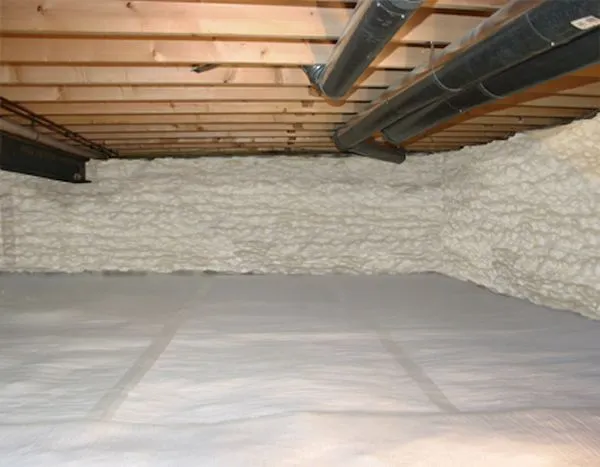

Tiny homes continue to grow in popularity among homeowners and property investors, driven by interest in efficient design, lower costs, and sustainable living. One of the most impactful updates in tiny home construction isn’t immediately visible—it’s happening beneath the floors. Insulated crawl spaces are reshaping how builders and designers think about performance, comfort, and durability in these small-scale homes. This article explains why crawl space insulation services are becoming a core feature in modern tiny home design. It addresses how insulation strategies align with energy efficiency, long-term maintenance, and structural resilience—especially important in small-footprint living environments.
Why Crawl Space Insulation Matters More in Tiny Homes
Tiny homes have less thermal mass and a smaller buffer zone between indoor and outdoor environments. The crawl space acts as a direct line of exposure to air, moisture, and temperature shifts. Leaving it uninsulated can lead to uneven temperatures, high energy use, and moisture-related damage.
Reduced Thermal Buffering In Small Homes
Tiny homes lose heat faster due to their limited volume. A poorly insulated crawl space contributes to rapid temperature swings that strain HVAC systems. Proper insulation provides thermal continuity between the floor and the environment below, helping to maintain indoor comfort.
Increased Risk of Moisture Problems
Because crawl spaces sit close to the ground, they naturally attract humidity. In tiny homes, this can lead to condensation on subflooring, mold development, and degradation of structural materials. A sealed and insulated crawl space reduces moisture accumulation.
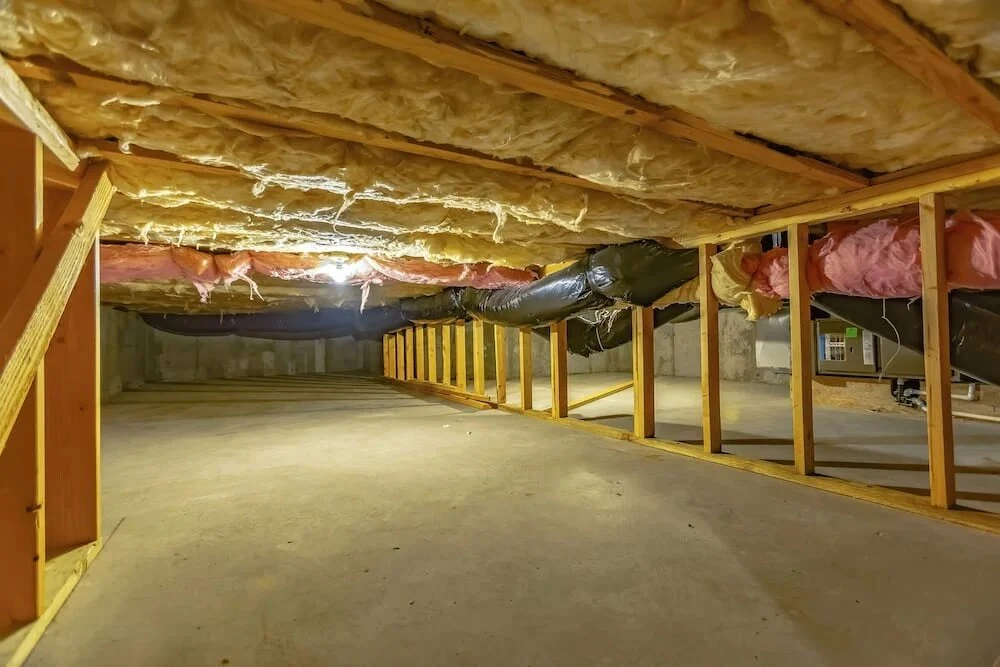
How Insulated Crawl Spaces Improve Energy Efficiency
Energy efficiency is one of the main goals in tiny home living. Insulating the crawl space plays a critical role in lowering heating and cooling demands.
Sealed Crawl Space as a Conditioned Zone
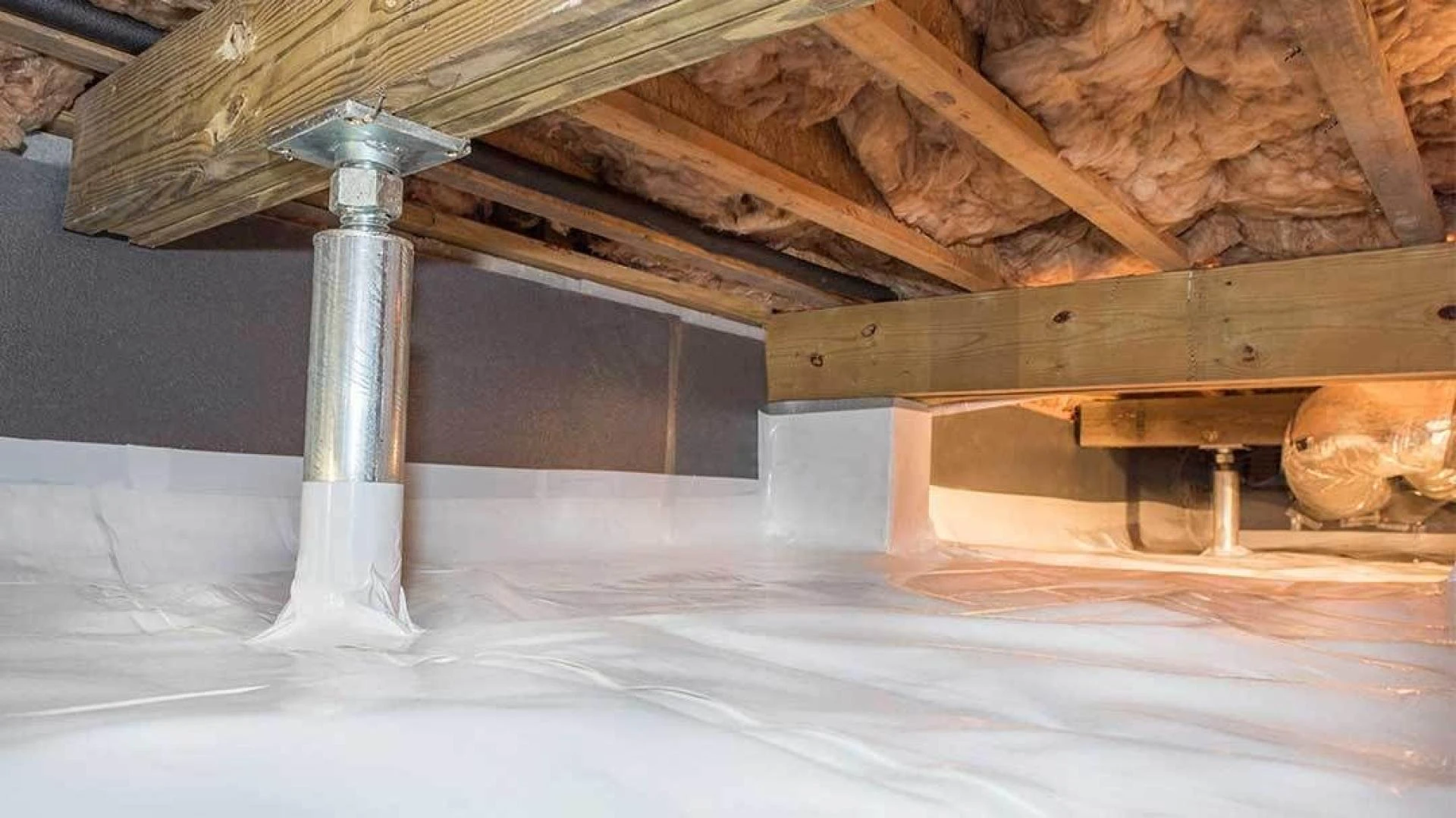
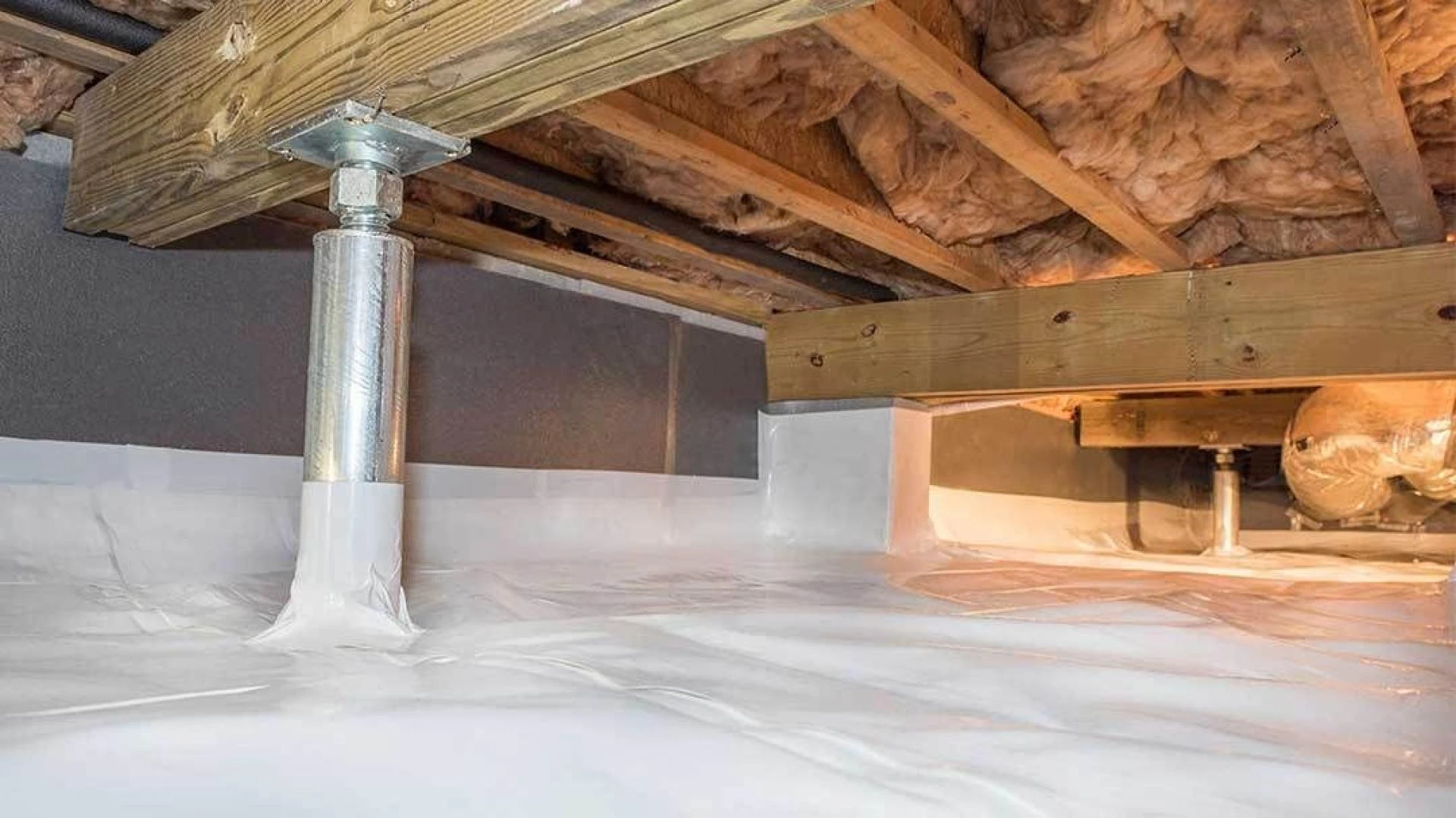
A sealed crawl space transforms the underfloor area into a semi-conditioned zone. Instead of allowing external air to flow freely, insulation and air sealing maintain a controlled environment that reduces HVAC cycling and heat loss.
Spray Foam for Continuous Air and Moisture Barriers
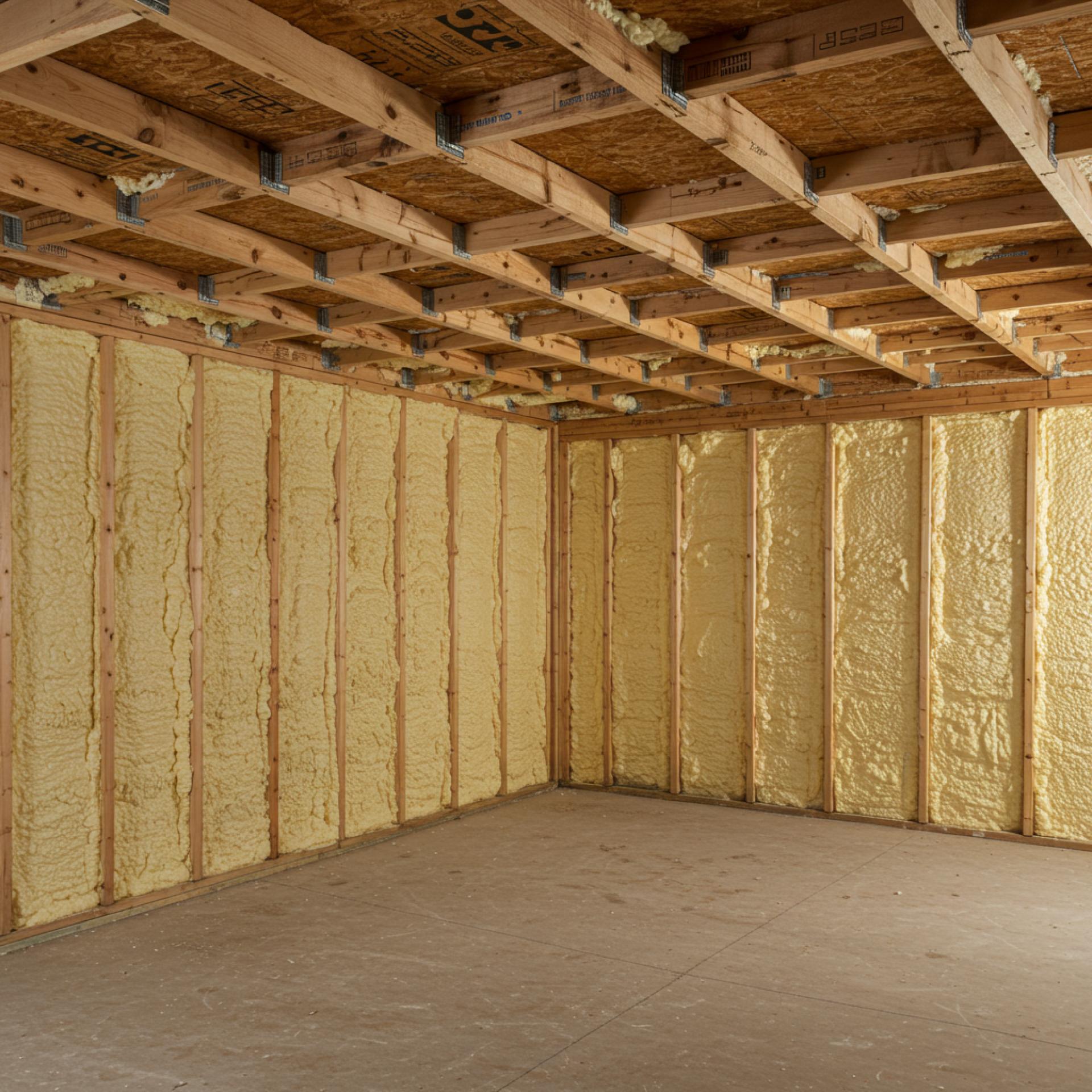
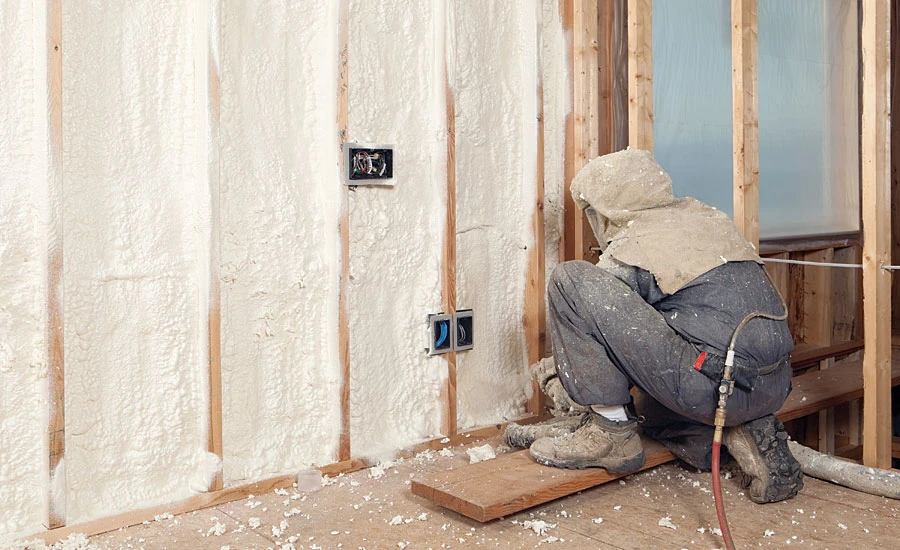
Closed-cell spray foam creates an airtight seal and acts as both an insulator and vapor barrier. In tight quarters like tiny homes, where energy loss is magnified, this dual-function material helps reduce heating loads without taking up space.
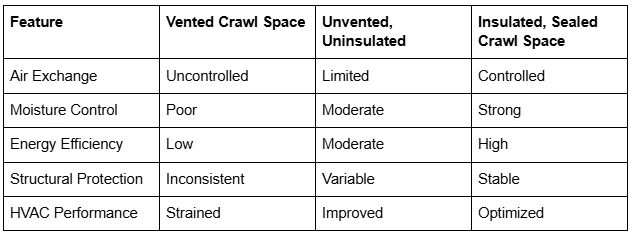
Comparison Table: Crawl Space Types in Tiny Homes
Designing for Long-Term Durability and Air Quality
When insulation is integrated into crawl space design, the benefits extend beyond temperature control. It helps preserve the entire structure and improve indoor air quality—a major concern in small, enclosed spaces.
Floor System Longevity
Insulated crawl spaces protect joists, beams, and subflooring from the moisture and condensation that otherwise leads to premature deterioration. Tiny homes often rely on lighter structural systems, so long-term exposure to moisture can have faster consequences than in larger buildings.
Healthier Indoor Air in Enclosed Spaces
In a tiny home, indoor pollutants concentrate more quickly. A sealed and insulated crawl space prevents outside allergens, moisture, and radon gas from entering the home. Paired with good ventilation, this helps maintain air quality without mechanical overcompensation.
Best Practices for Insulating Crawl Spaces in Tiny Homes
Effective crawl space insulation depends on climate zone, mobility requirements, and home design. Builders need to consider materials, methods, and long-term access.
Material Choices Based on Climate and Space Limits
- Closed-cell spray foam: Suitable for most climates, it insulates, air seals, and resists moisture. Common for mobile tiny homes.
- Rigid foam board: Effective for stationary tiny homes with accessible crawl spaces. Works well in temperate areas.
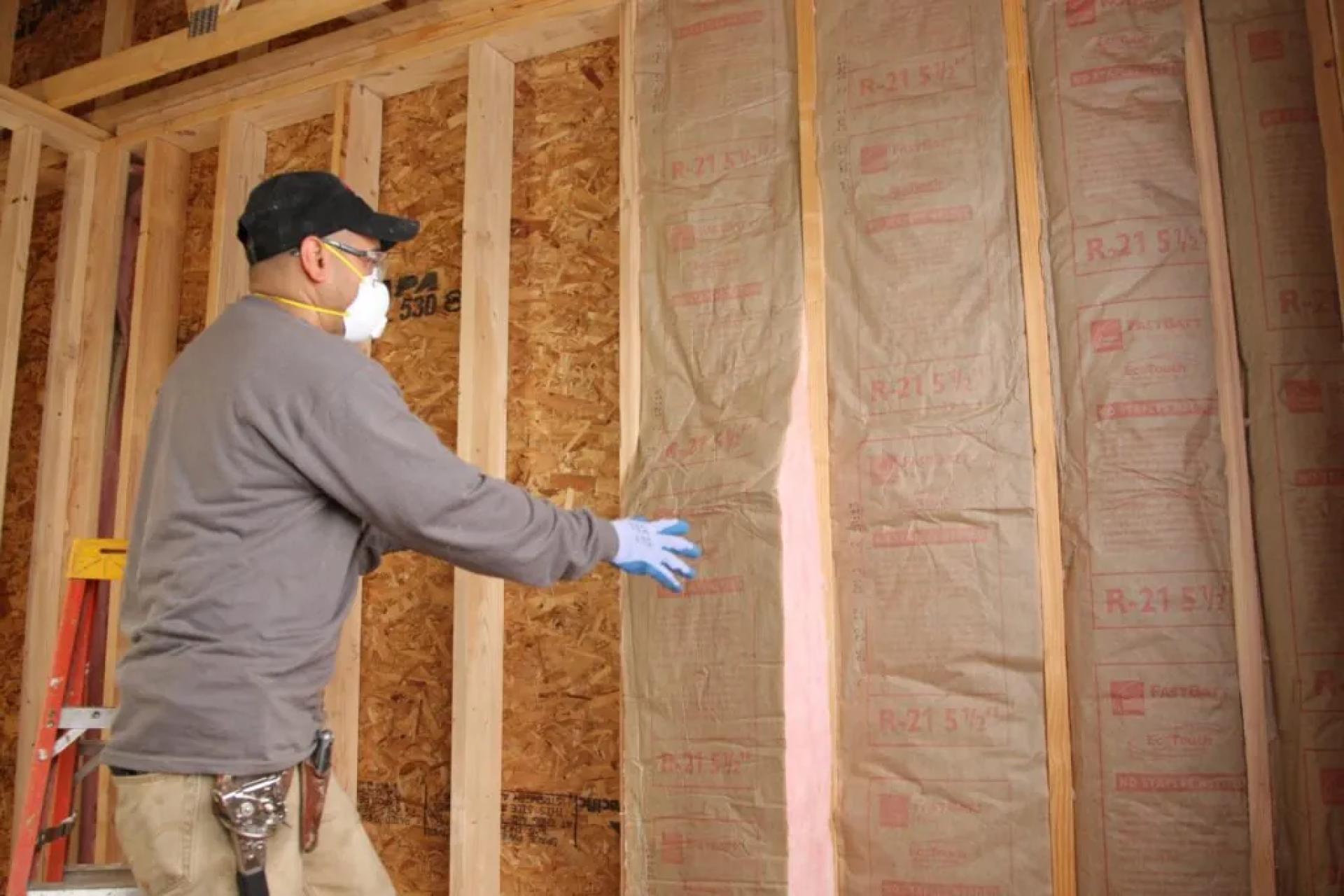
- Mineral wool or fiberglass batt: Less common due to space constraints and moisture concerns. Needs additional vapor barriers.
Crawl Space Floor and Wall Treatment
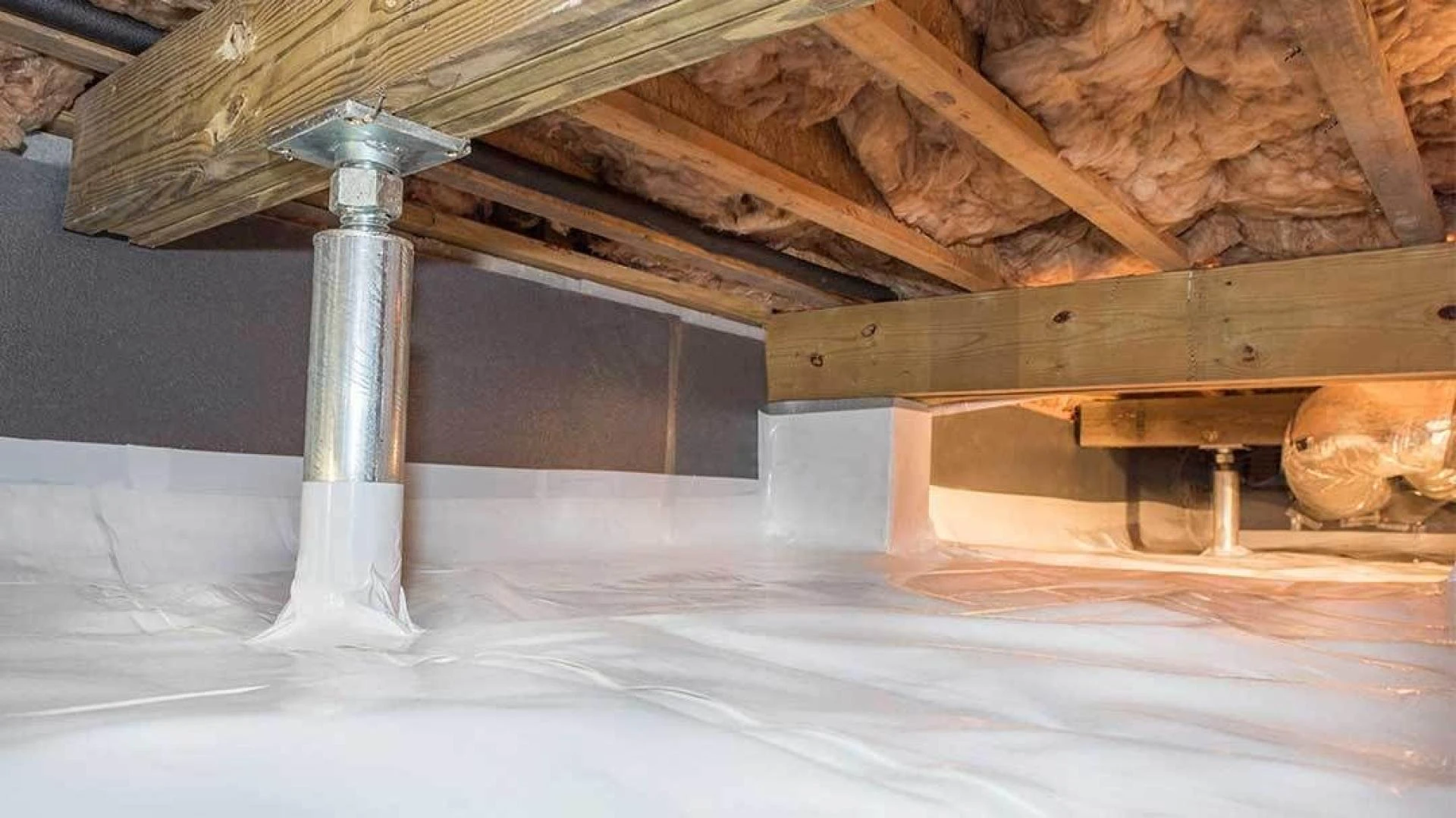
- Insulating foundation walls creates a continuous envelope around the crawl space.
- Laying a vapor barrier on the ground prevents ground moisture from entering.
- Air sealing vents and access points ensure thermal control and pest resistance.
Crawl Spaces and Tiny Home Foundation Design
Whether a tiny home is built on wheels or a permanent foundation, crawl space design must support structural and environmental demands.
Trailer-Based Tiny Homes
Crawl spaces here are often minimal, but still present. Spray foam can be applied to the subfloor underside to mimic the benefits of a sealed crawl space without adding height.
Stationary Tiny Homes
When installed on piers or foundation walls, tiny homes benefit from a fully sealed crawl space with wall and floor insulation. This approach mirrors traditional home building and offers better performance for year-round living.
Conclusion
Insulated crawl spaces are not just a technical upgrade—they are shaping how tiny homes are designed, built, and lived in. They solve multiple issues at once: temperature regulation, structural longevity, indoor air quality, and energy efficiency. For both mobile and stationary builds, crawl space insulation should be treated as a core design decision, not an afterthought. The space below the floor has a measurable impact on how a tiny home performs over time. By addressing insulation from the start and working with the best insulation contractor, designers and property owners can avoid recurring maintenance and improve comfort in every square foot.
FAQs
How does crawl space insulation affect tiny home energy bills?
It lowers heating and cooling costs by stabilizing indoor temperature and reducing the demand on HVAC systems. The smaller the home, the more noticeable the impact.
Should a tiny home on wheels have crawl space insulation?
Yes, especially beneath the floor. Spray foam applied under the trailer base acts as crawl space insulation, improving comfort and moisture resistance.
What type of insulation works best for crawl spaces in humid climates?
Closed-cell spray foam is most effective. It resists moisture, creates an air seal, and reduces condensation risk in damp areas.
Can moisture barriers replace crawl space insulation?
No. Vapor barriers reduce ground moisture, but without insulation, the space still loses heat. A combination of both is needed for performance.
Is crawl space insulation required by code for tiny homes?
Code requirements vary by location and whether the home is mobile or fixed. Even when not mandated, insulation is highly recommended for thermal and moisture protection.
Reviewer: Ava Clark shared her input based on 6 years of working with spray foam insulation teams. Her focus on customer trust and communication helped shape key parts of this post.




























Sign in to leave a comment.