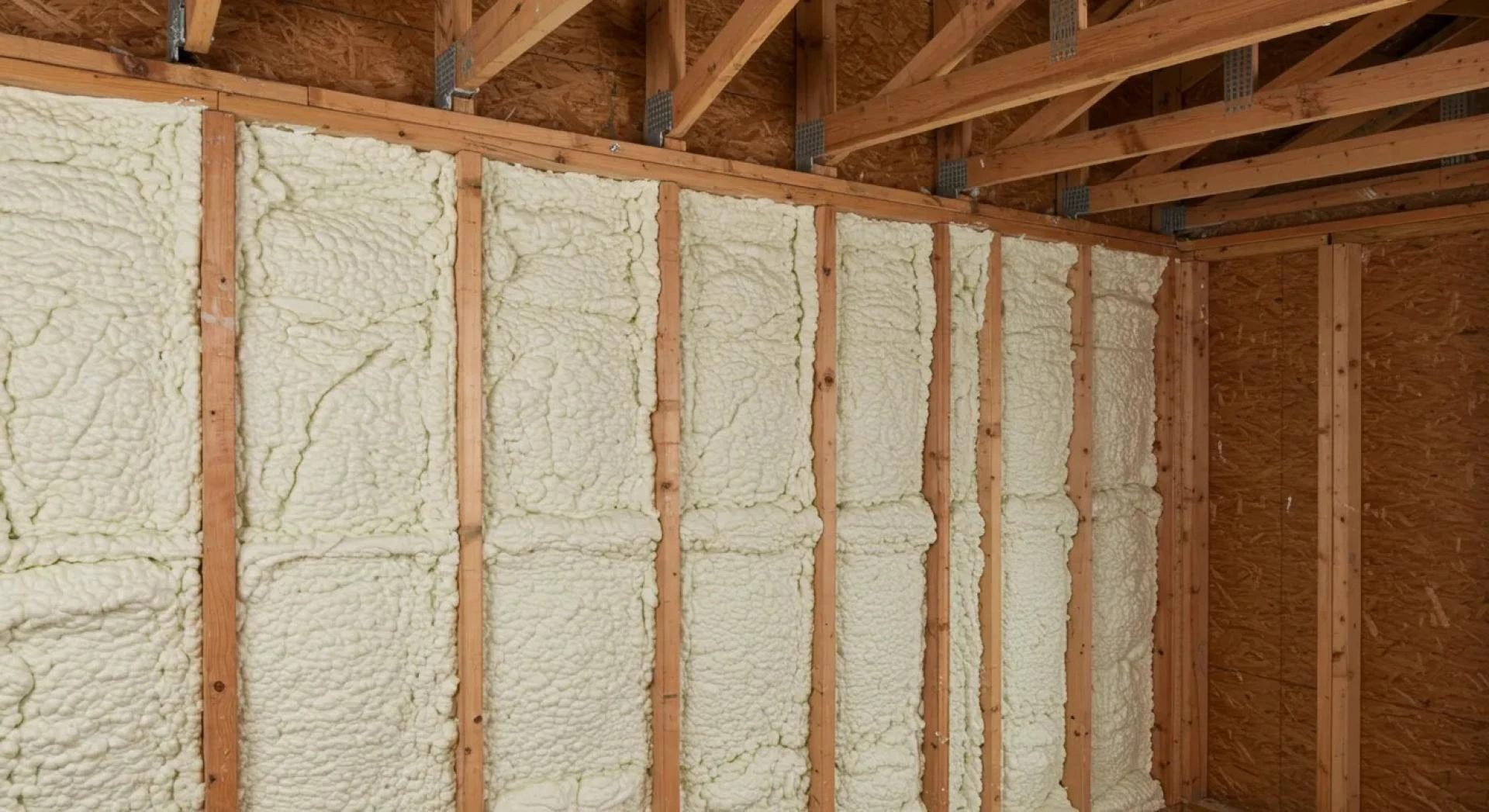

While insulation is primarily recognized for its role in temperature control, a high-performance insulation system also plays a critical part in preserving and strengthening a home's structure. It achieves this by providing two fundamental layers of protection. First, it creates a robust defense against moisture, which is the single biggest threat to the long-term durability of a home's wooden frame. Second, certain types of insulation, specifically closed-cell spray foam, add a significant amount of physical strength to the building assembly. For homeowners in Merced, where the hot, dry summers can be followed by a damp and foggy tule fog season, this dual protection is a key component of a durable, long-lasting home.
This guide will explain the science behind how a professional insulation system in Merced, CA can make a home more resilient. The information is based on the practical, hands-on experience of building performance professionals who understand that a well-built home is one that is designed to stand the test of time.
Moisture: The Number One Threat to a Home's Structure
Moisture is the primary enemy of a home's wooden frame. It is the leading cause of rot, decay, and the growth of destructive fungi. This moisture can come from an obvious bulk water leak, but a more common and insidious source is hidden condensation.
The Science of Condensation
Condensation happens when warm, moist air comes into contact with a surface that is cold enough to be at or below the "dew point." In the winter in Merced, this can happen when the warm, relatively humid air inside your house leaks into a cold, uninsulated wall cavity and hits the cold exterior sheathing. In the summer, the reverse can happen, with hot, humid outdoor air getting into the wall and condensing on the cold, air-conditioned drywall. This hidden moisture can slowly rot the wood studs and sheathing from the inside out.
How Insulation Provides Moisture Protection
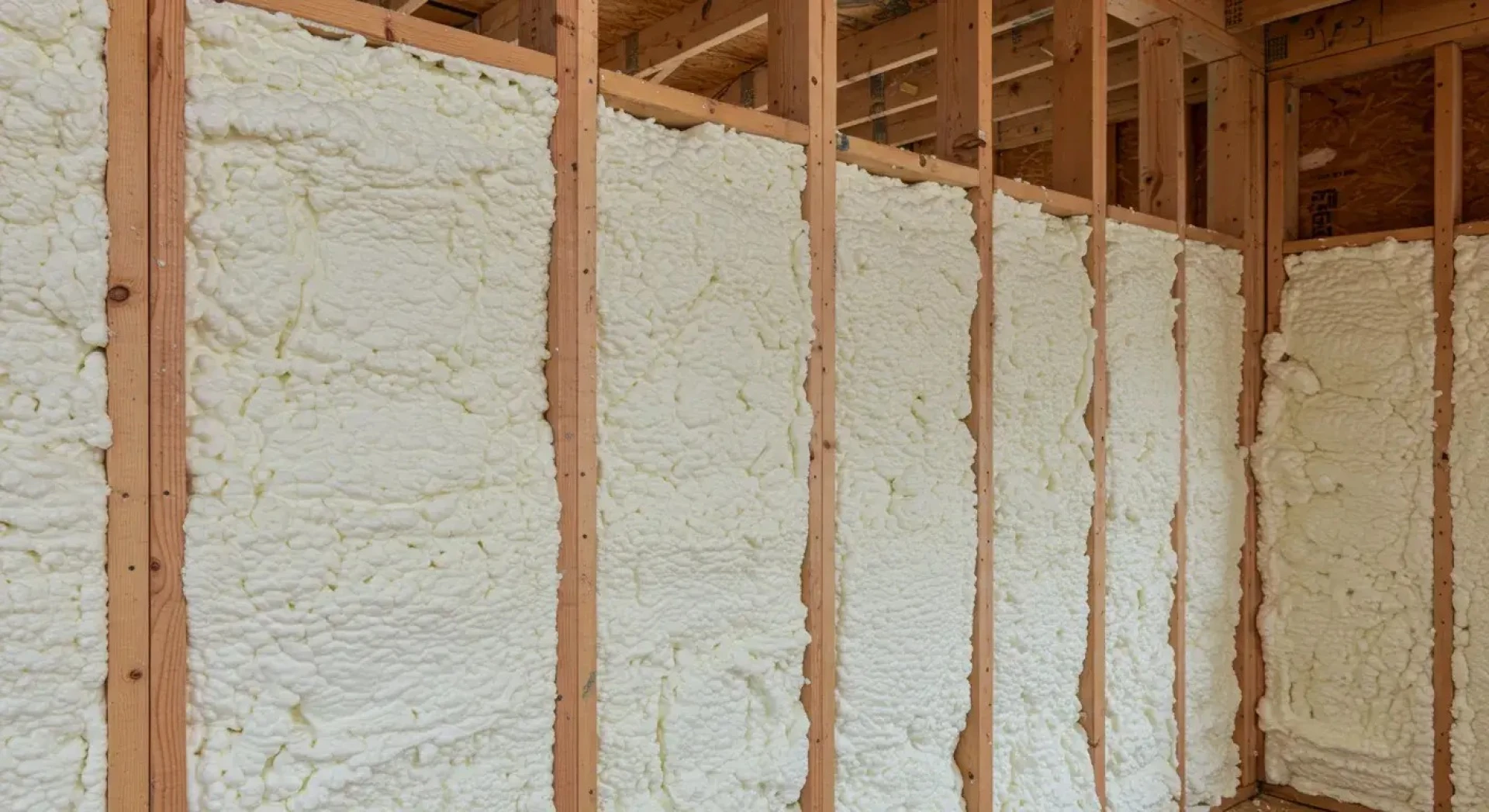
A high-performance insulation system is designed to stop this process. Closed-cell spray foam is particularly effective because it is a "vapor impermeable" material. When applied to the interior of the exterior walls, it creates a seamless vapor barrier that stops the movement of this moisture-laden air, keeping the wall cavity dry and protecting the wood from the conditions that lead to rot.
Adding Physical Strength to the Building Assembly
A home's structure is a system of interconnected parts. The stronger those connections, the more resilient the building is to outside forces.
The "Glue" That Holds a Home Together
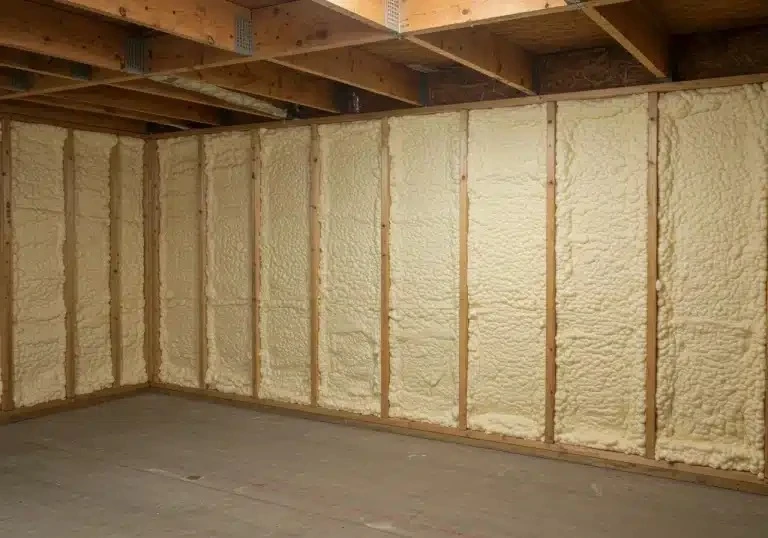
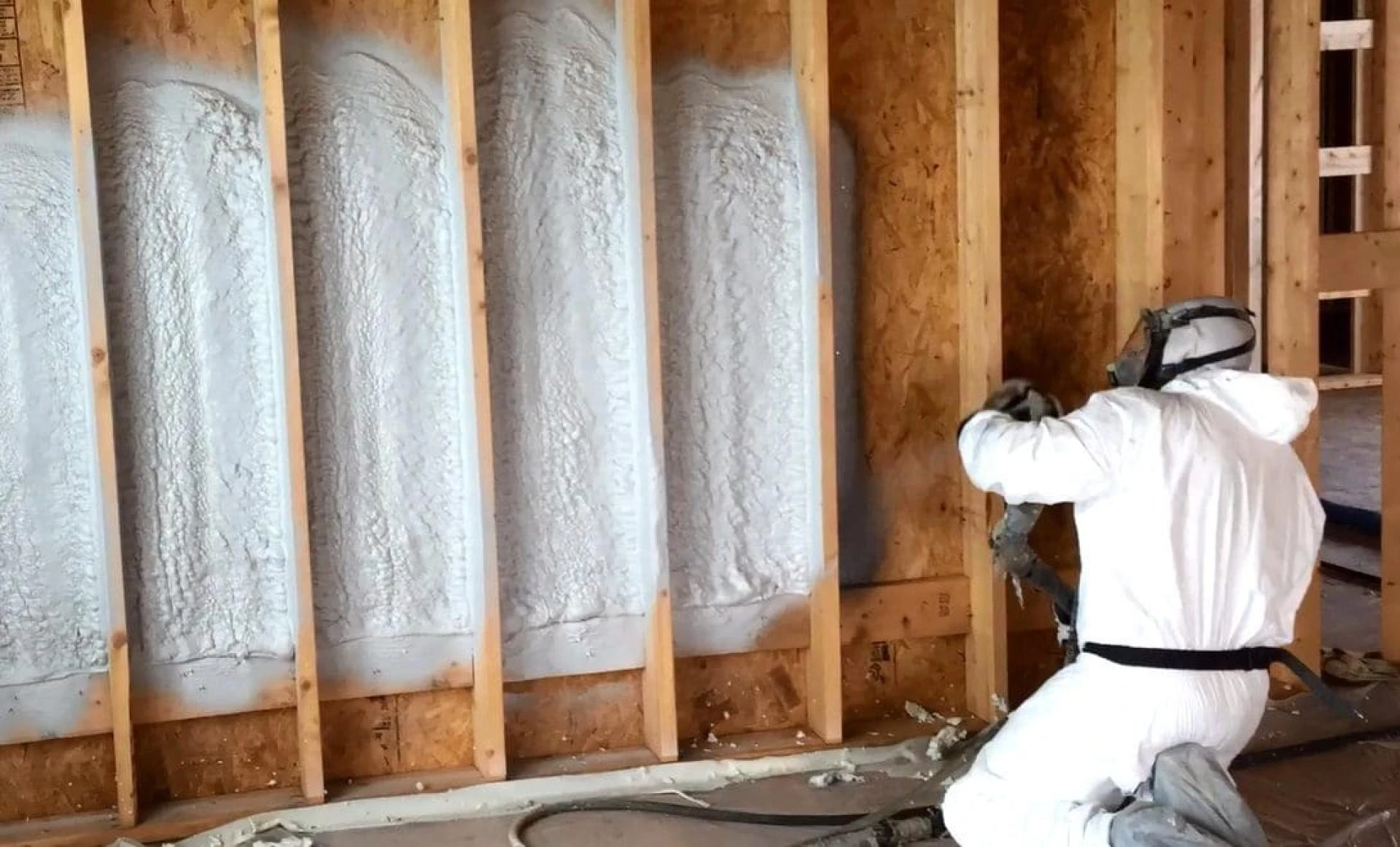
Closed-cell spray foam is unique among common insulation materials in its ability to add physical strength. It is applied as a liquid that expands and cures into a hard, dense plastic, and it adheres powerfully to almost any building material. When it is applied to the interior of a wall, it does not just sit in the cavity; it bonds the studs and the sheathing together into a single, solid, and incredibly strong unit.
This composite action has been shown in independent studies to dramatically increase a wall's "racking strength," which is its ability to resist being pushed out of square by lateral forces, such as those from an earthquake or high winds. This added strength is a significant, though often overlooked, benefit of a closed-cell spray foam insulation system.
A Barrier Against Destructive Pests
Pests, from termites to rodents, can cause a huge amount of damage to a home's structure over time. The type of insulation a home has can either provide a welcoming home for these pests or a formidable barrier.
Sealing Entry Points and Eliminating Nests
Traditional fibrous insulation like fiberglass can be an ideal nesting material for rodents and insects. They can easily tunnel through it and tear it apart to build their nests. Closed-cell spray foam, on the other hand, is a solid, hard plastic. It is not a food source for pests, and they cannot easily burrow through it.
Just as importantly, because spray foam expands to fill every crack and gap, it seals off the small entry points that pests use to get into the house in the first place. This creates a physical barrier that makes the home much less vulnerable to these destructive invaders.
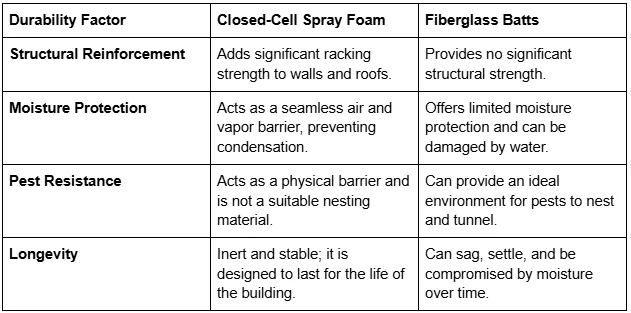
Here is a look at how different insulation types contribute to a home's durability:
Things to Consider for a More Durable Home
- A Systems-Based Approach is Key: Building a durable home is about creating a complete system where all the components work together to manage the forces of nature. The insulation, the weather-resistant barrier, the flashing, and the roof all need to be properly integrated.
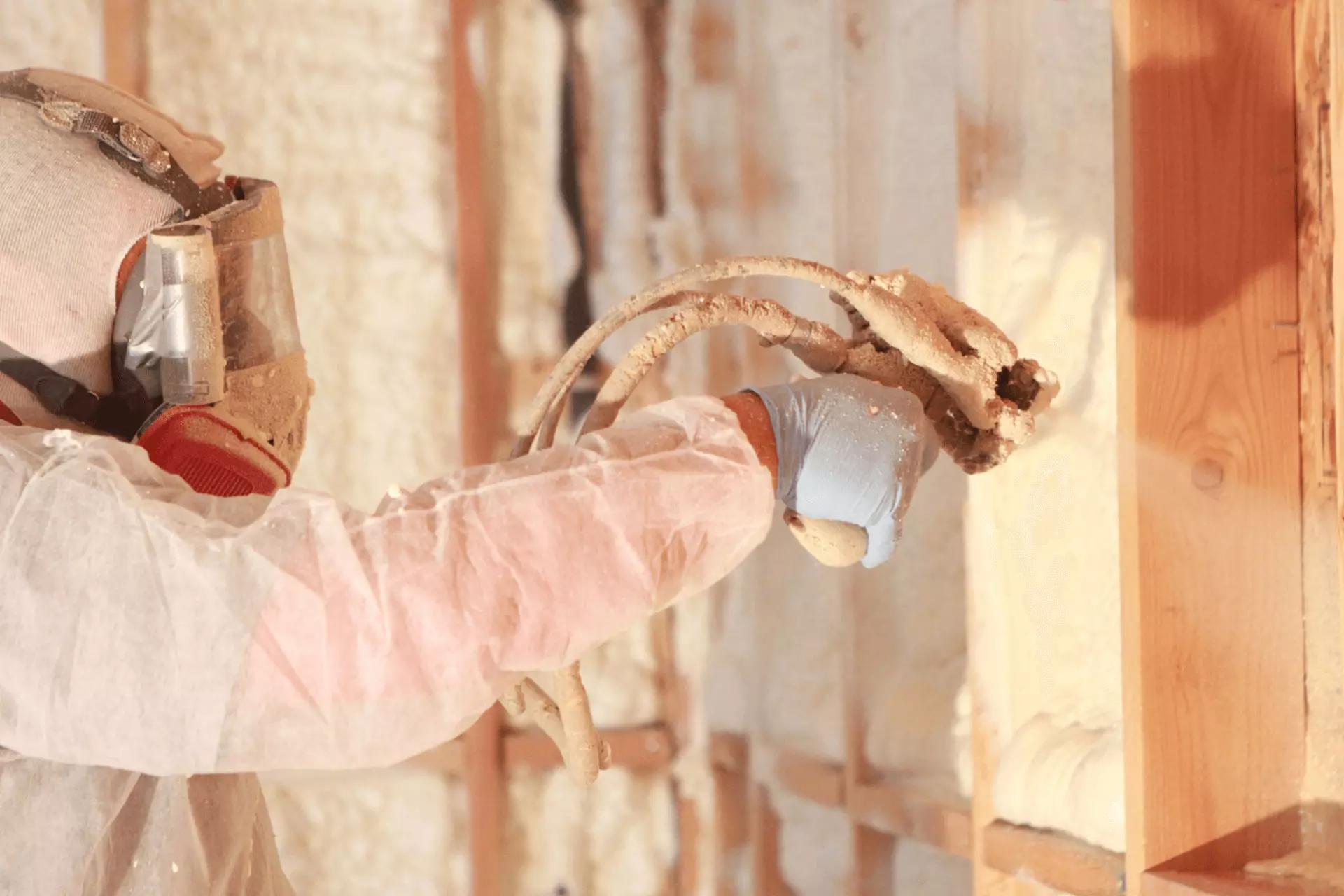
- Professional Installation is a Must: The structural and moisture-blocking benefits of closed-cell spray foam are only realized if it is installed correctly by a certified, experienced professional who understands the building science behind high-performance construction.
- Fix All Leaks First: No insulation can stop a bulk water leak. Before any insulation upgrade, it is critical to ensure that the roof, windows, and foundation are all in good, watertight condition.
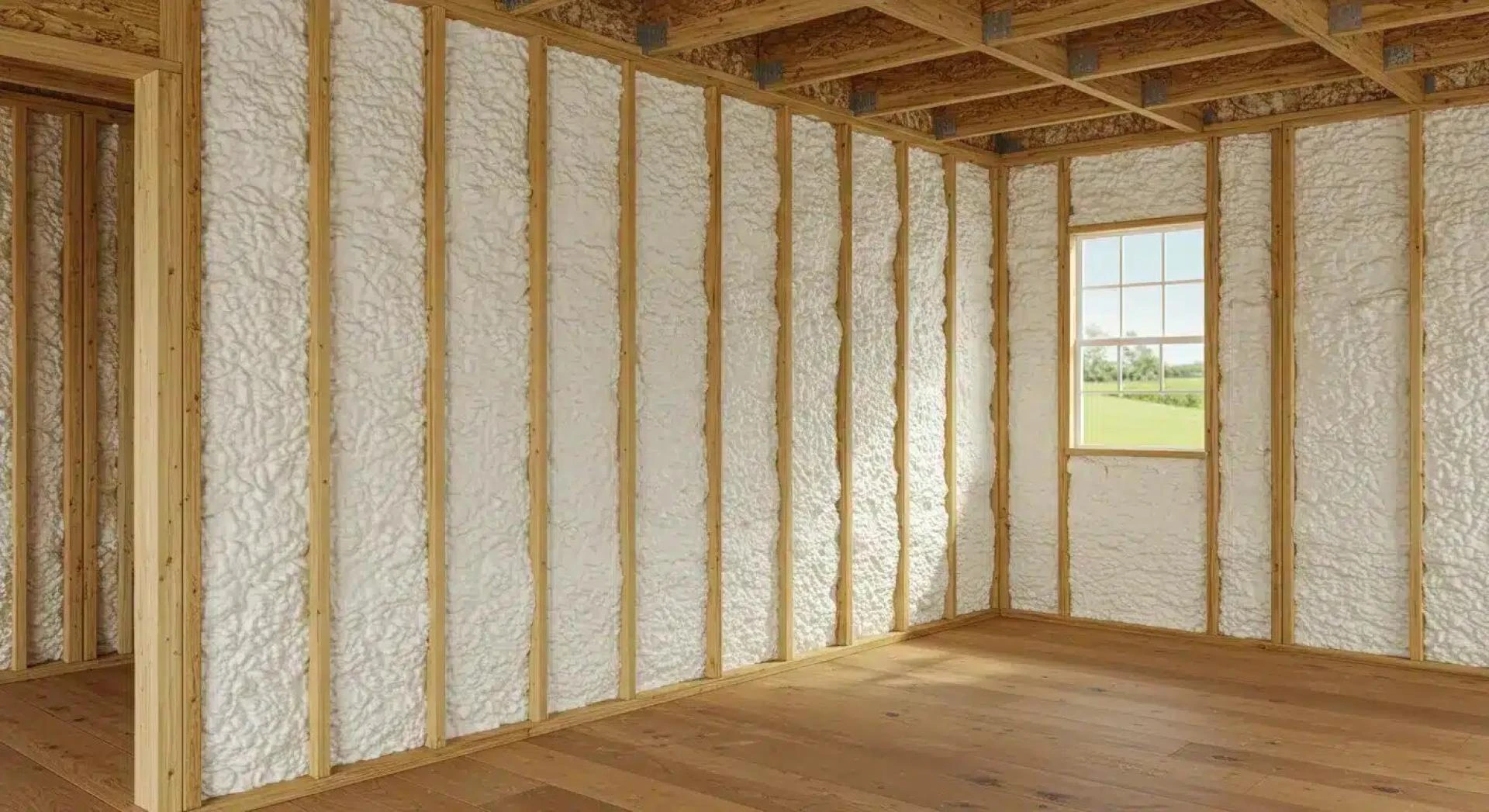
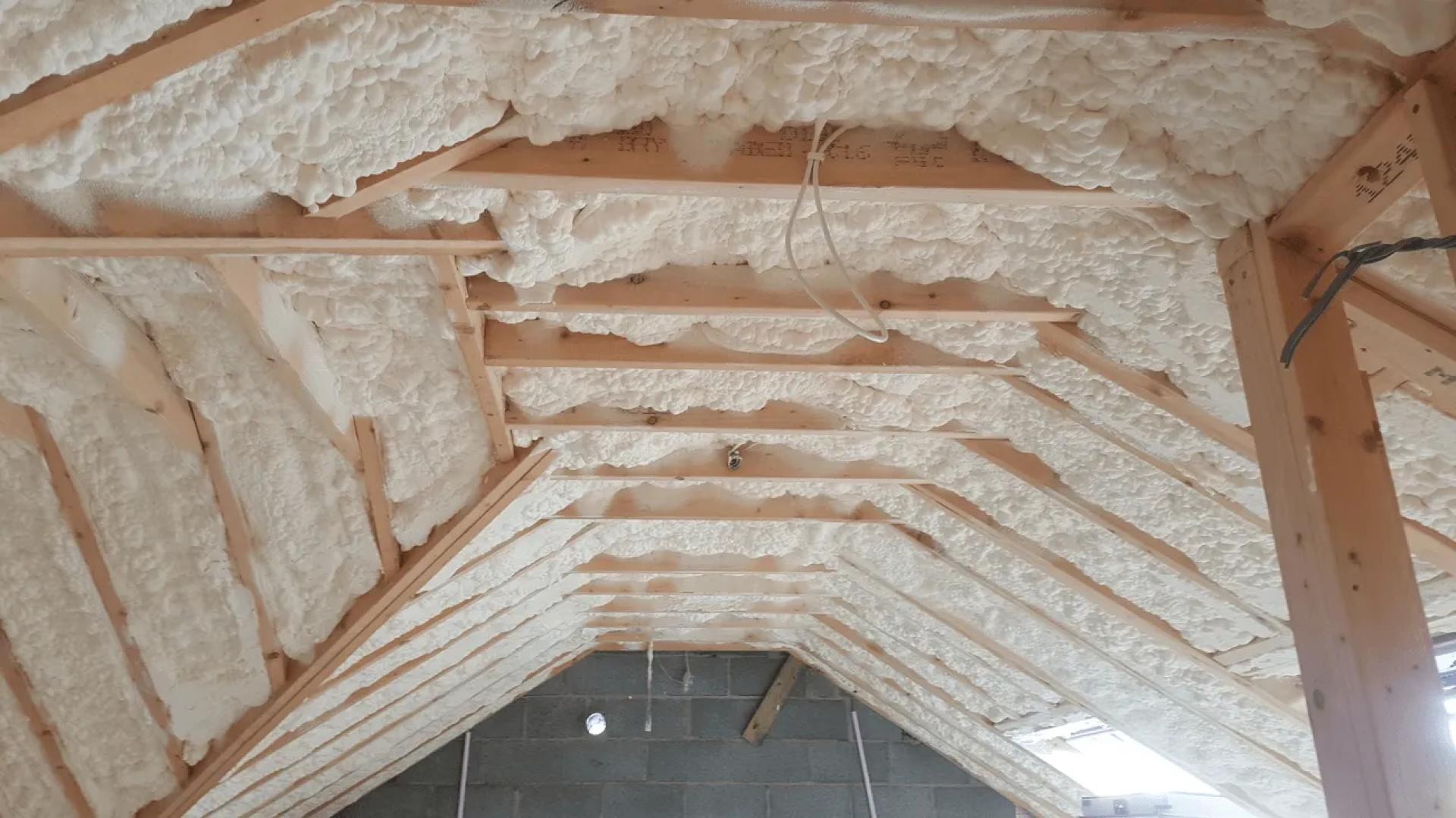
Bonus Tip: In the Central Valley, the intense summer sun can cause extreme heat in a traditional vented attic, which can accelerate the aging of the roof structure. A modern "conditioned attic," created by applying closed-cell spray foam to the underside of the roof deck, keeps the attic at a stable temperature, which protects the roof framing and sheathing from this damaging thermal stress. This can significantly extend the life of the entire roof system.
Common Questions About Insulation and Home Durability
If closed-cell foam is a vapor barrier, can it trap moisture in my walls?
This is a critical building science question. In a hot, dry climate like Merced's, the primary direction of vapor drive in the summer is from the outside in. Therefore, you want the vapor barrier to be on the inside surface of the wall assembly, which is exactly where the spray foam is applied. This stops the moisture before it can get into the wall. A professional will know how to design the wall system correctly for the local climate.
Is open-cell foam also good for preserving the home's structure?
Open-cell foam is an excellent air barrier, which does help with durability by controlling the movement of air-transported moisture. However, it is not a vapor barrier and does not add the same level of physical strength as the denser closed-cell foam. For this reason, closed-cell foam is generally the preferred choice when preservation and strength are the primary goals.
Will this make my house too stiff in an earthquake?
No. The added racking strength actually makes the home more resilient in a seismic event. It helps the walls to resist the lateral forces and remain square, which can reduce the overall damage to the structure.
Conclusion: Building a Home That Lasts
The role of insulation in a modern home goes far beyond simple temperature control. It is a critical component of the home's entire structural and environmental control system. By choosing an insulation like closed-cell spray foam, homeowners in Merced are making a smart, proactive investment in the long-term strength and durability of their property. It is an upgrade that creates a home that is not just more efficient and comfortable, but also more resilient and better prepared to stand the test of time.
Get a Professional Home Durability Assessment
To learn more about how a high-performance insulation system can improve the strength and longevity of your home, the best first step is a professional evaluation. An experienced insulation contractor can assess your home's specific needs and recommend the most effective solutions. For homeowners in the Merced area, the team at Supreme Spray Foam – Fresno has deep expertise in building durable, high-performance homes. They can be reached for a consultation by email at [email protected] or by phone at (559) 545-0800.
Reviewer: Emma Robinson contributed her knowledge from 8 years working with the spray foam industry. Her review helped shape this content with ideas grounded in what contractors and homeowners actually value.



























Sign in to leave a comment.