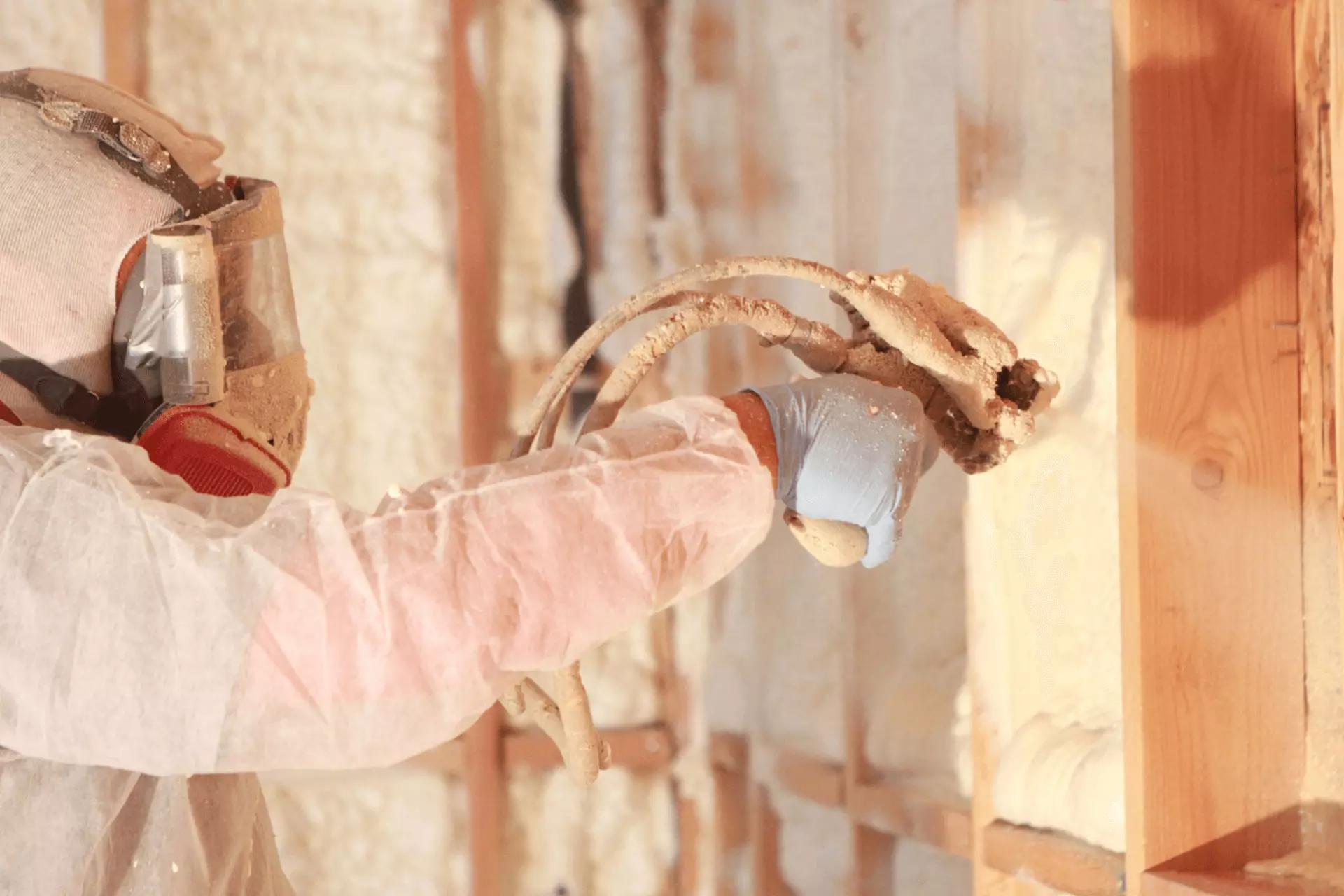

Recent innovations in spray foam insulation have fundamentally changed the industry by replacing high-global-warming blowing agents with hydrofluoroolefin (HFO) technology. This chemical shift drastically reduces the material's environmental footprint while simultaneously improving its thermal resistance and adhesion. These advancements address historical concerns about off-gassing and installation safety, making modern spray foam a completely different product from what was available just a decade ago.
Industry veterans recognize that these chemical upgrades provide measurable energy savings and improvements in indoor air quality that older formulations could not achieve. By moving away from volatile organic compounds and unstable chemical structures, manufacturers have created a product that offers better yield, higher dimensional stability, and significantly reduced re-entry times for occupants.
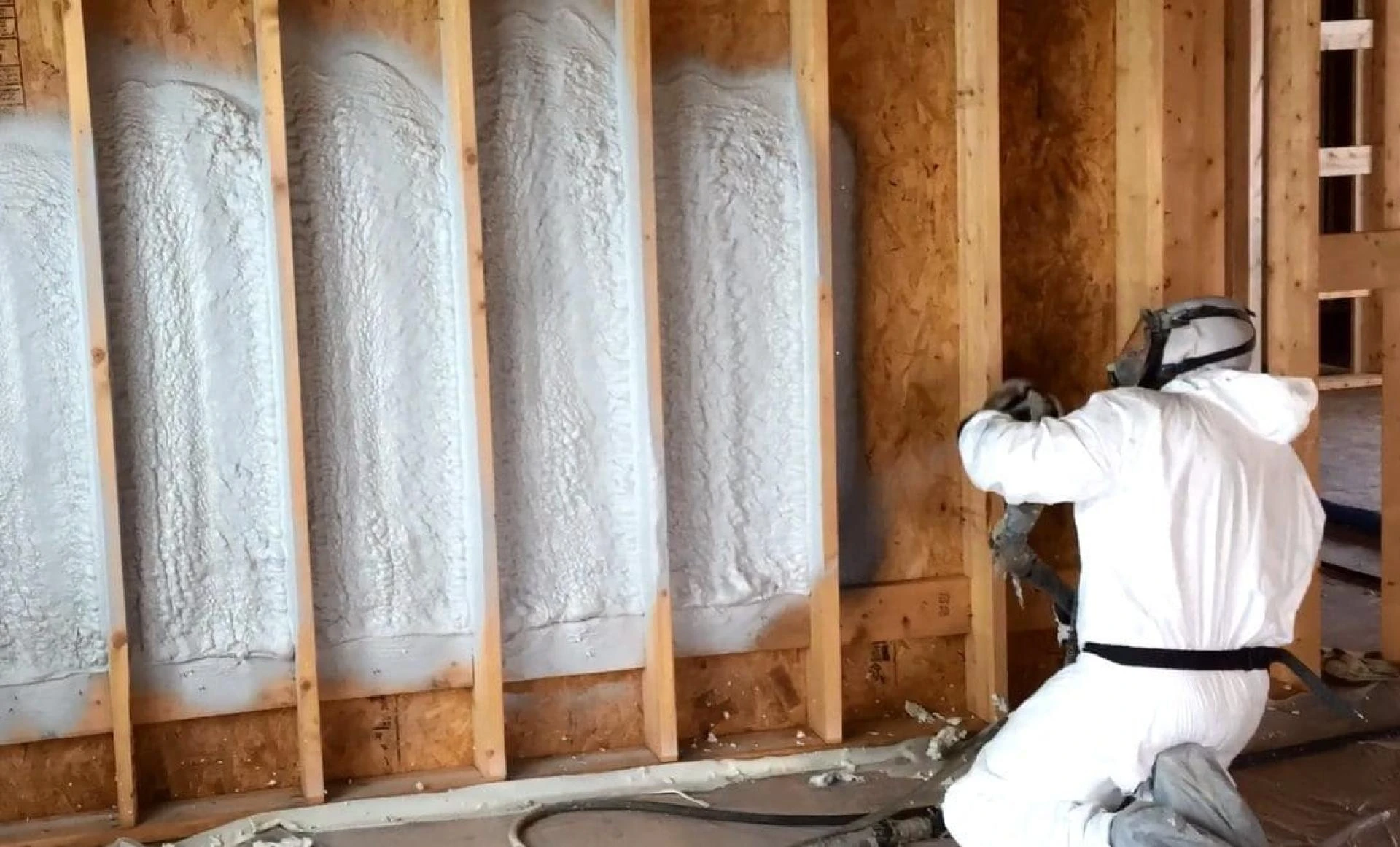
The Shift to Environmentally Responsible Chemistry
The most significant improvement in spray foam technology lies in the blowing agent. The blowing agent is the gas responsible for expanding the foam and creating the cellular structure that resists heat flow.
For years, the industry relied on Hydrofluorocarbons (HFCs). While effective insulators, HFCs carry a high Global Warming Potential (GWP). New regulations and breakthroughs in chemical technology have led to the widespread adoption of HFOs. This change is not merely cosmetic; it alters the foam's molecular structure to be more stable and less harmful to the atmosphere.
Low Global Warming Potential
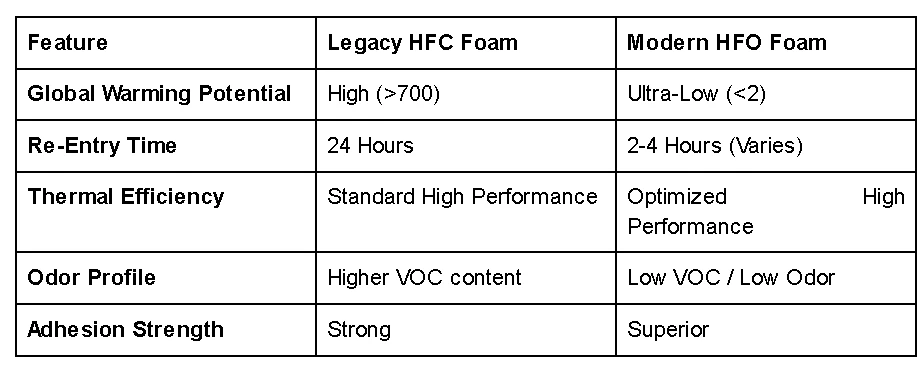
HFO blowing agents possess a GWP of one or less, which is a massive reduction compared to the GWP of HFCs, which often exceeded 700. This drastic drop means that insulating a home no longer carries a heavy carbon debt.
Market data indicate that switching to HFOs eliminates thousands of tons of CO2-equivalent emissions annually. For homeowners, this means the choice to insulate is now fully aligned with environmental sustainability goals without sacrificing performance.
Improved Fire Resistance
Modern formulations also include advanced fire-retardant technologies. While spray foam must still be covered by an ignition barrier (such as drywall) in most applications, the foam itself is more difficult to ignite and self-extinguishes more rapidly than previous generations.
This improvement comes from integrating the fire retardant into the foam's polymer backbone rather than simply mixing it in as an additive. This integration ensures that the safety features do not degrade over time.
Bonus Tip: Check the Label
When reviewing product specifications, look for "Low GWP" or "HFO" on the technical data sheet. This confirms that the material being installed utilizes the latest, most responsible chemistry available.
Enhanced Performance and Application Precision
Beyond environmental benefits, the new chemistry makes the foam easier to apply correctly. Consistency is vital in insulation; if the foam shrinks or pulls away from the studs, the air seal is broken.
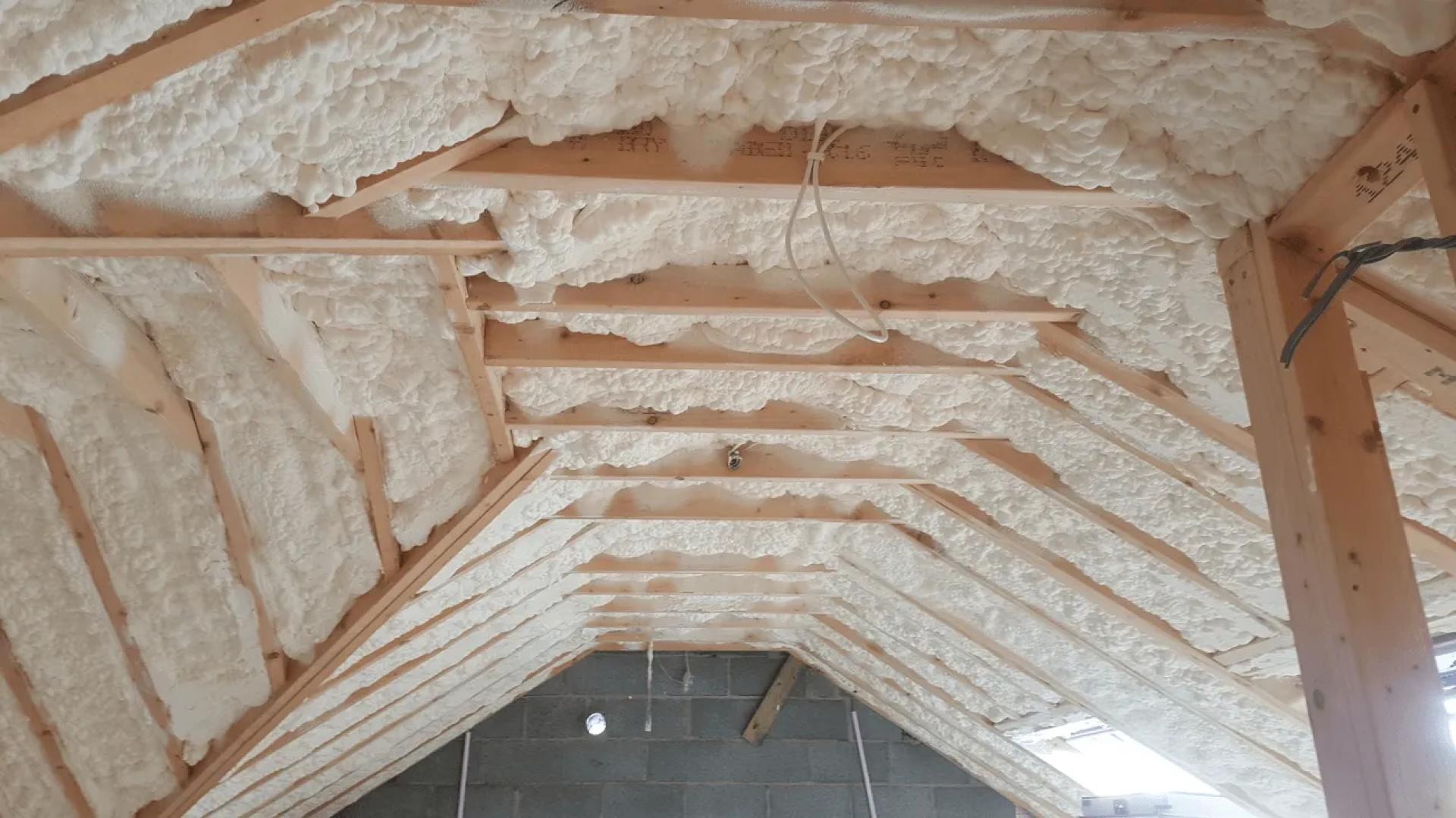
Newer foams exhibit superior dimensional stability. They expand and cure without the internal stresses that cause older foams to sometimes warp or shrink weeks after installation. This ensures the air barrier remains intact for the life of the building.
Higher R-Value Per Inch
- High R-Value: Modern closed-cell spray foam can achieve up to R-7 per inch, providing superior thermal resistance.
- Meets Energy Codes Efficiently: High R-values allow properties to comply with energy standards using less material.
- Space-Saving: Thinner applications leave more room for electrical wiring and plumbing in wall cavities.
- Maximized Heat Protection: Despite thinner layers, closed-cell foam still provides excellent insulation against heat transfer.
- Long-Term Efficiency: Maintains performance over time, supporting energy savings and consistent indoor comfort.
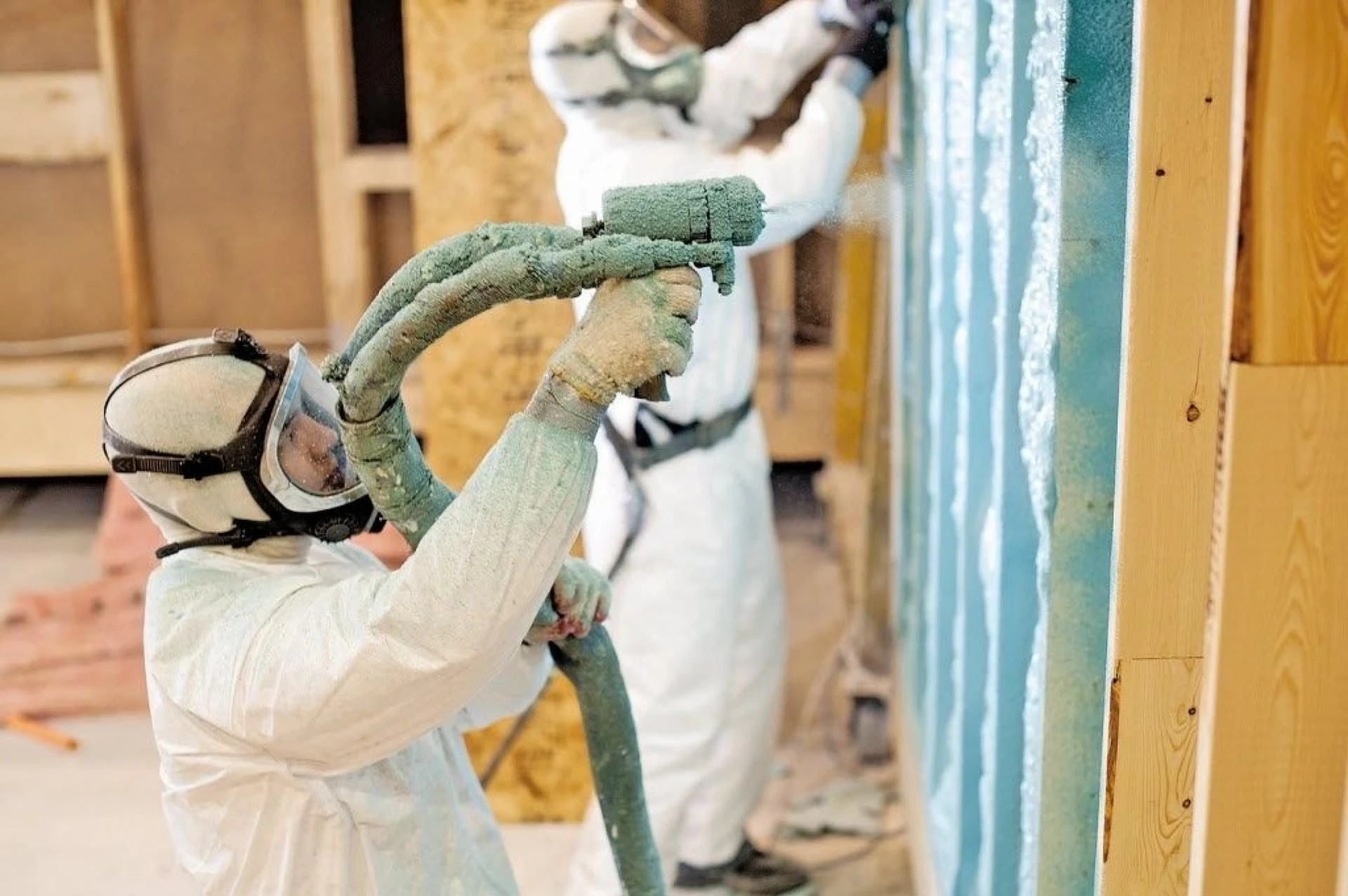
Comparison of Insulation Generations
Health and Safety Advancements
Occupant safety remains the priority for any building material. The "new smell" associated with construction often indicates the presence of Volatile Organic Compounds (VOCs).
Manufacturers have reformulated spray foam to reduce VOC emissions significantly. This reduction improves indoor air quality immediately after installation and ensures that lingering odors do not affect residents.
Reduced Re-entry Times
In the past, homeowners often had to vacate their property for 24 to 48 hours after spray foam application to ensure safety. The new HFO-based formulations usually allow for re-entry in as little as two to four hours with proper ventilation.
This improvement reduces the logistical burden on families during renovation projects. It allows other trades, such as drywallers or electricians, to get back to work sooner, keeping construction schedules on track.
Things to Consider Before Making a Decision
While the technology has improved, the application method remains a variable. The best material in the world will fail if mixed at the wrong temperature or in the wrong ratio.
Homeowners must consider how these materials perform in extreme heat. Fresno summers test the limits of building materials. The dimensional stability of modern foam is essential here, as it must expand and contract with the house without cracking.
Climate Suitability
The closed-cell structure of modern foam acts as a vapor retarder, which is beneficial in mixed climates. It prevents humid summer air from condensing on cooled interior surfaces.
However, it is vital to ensure the contractor understands the specific HFO product they are using. Each manufacturer has distinct temperature settings for their chemicals.
Ventilation Requirements
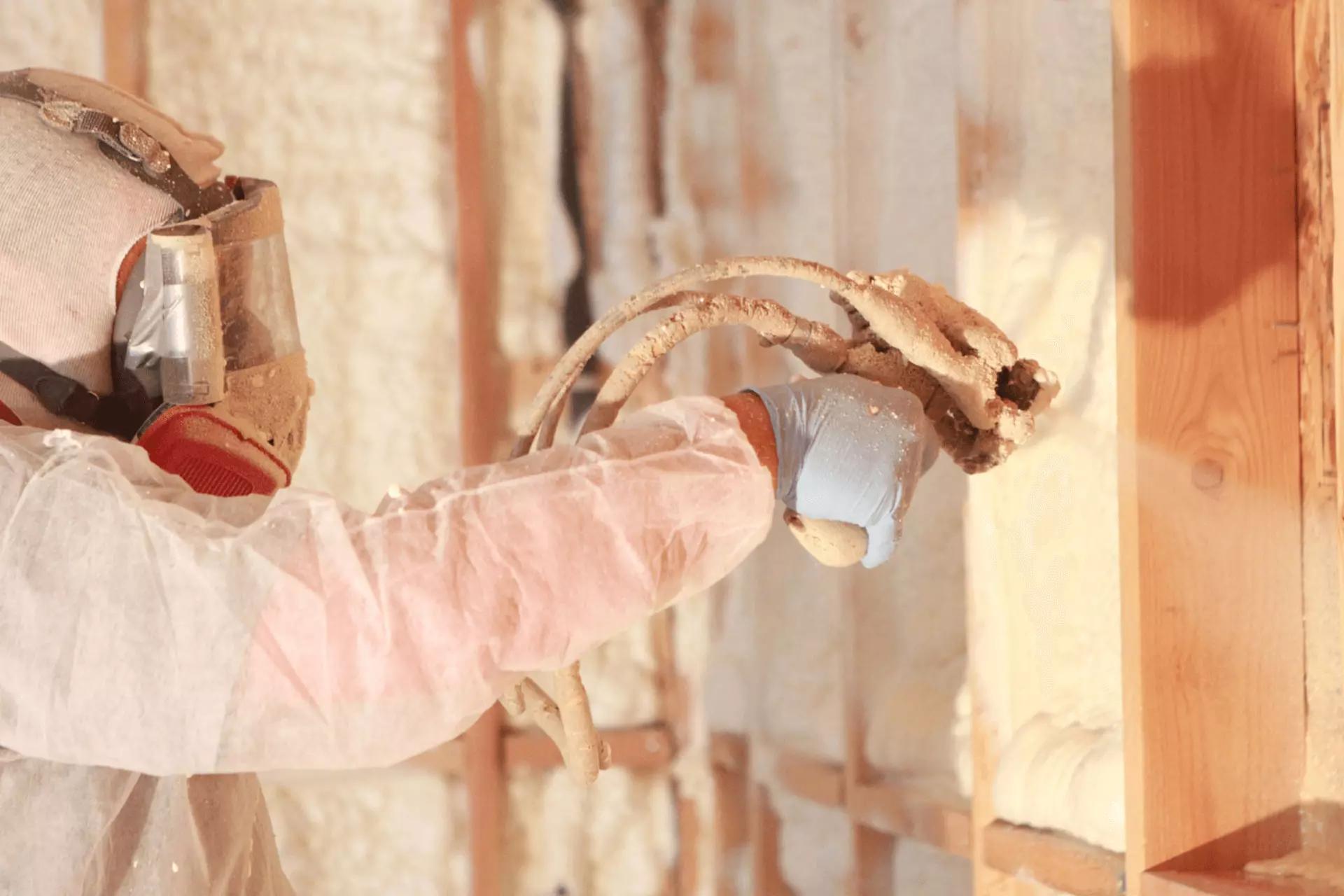
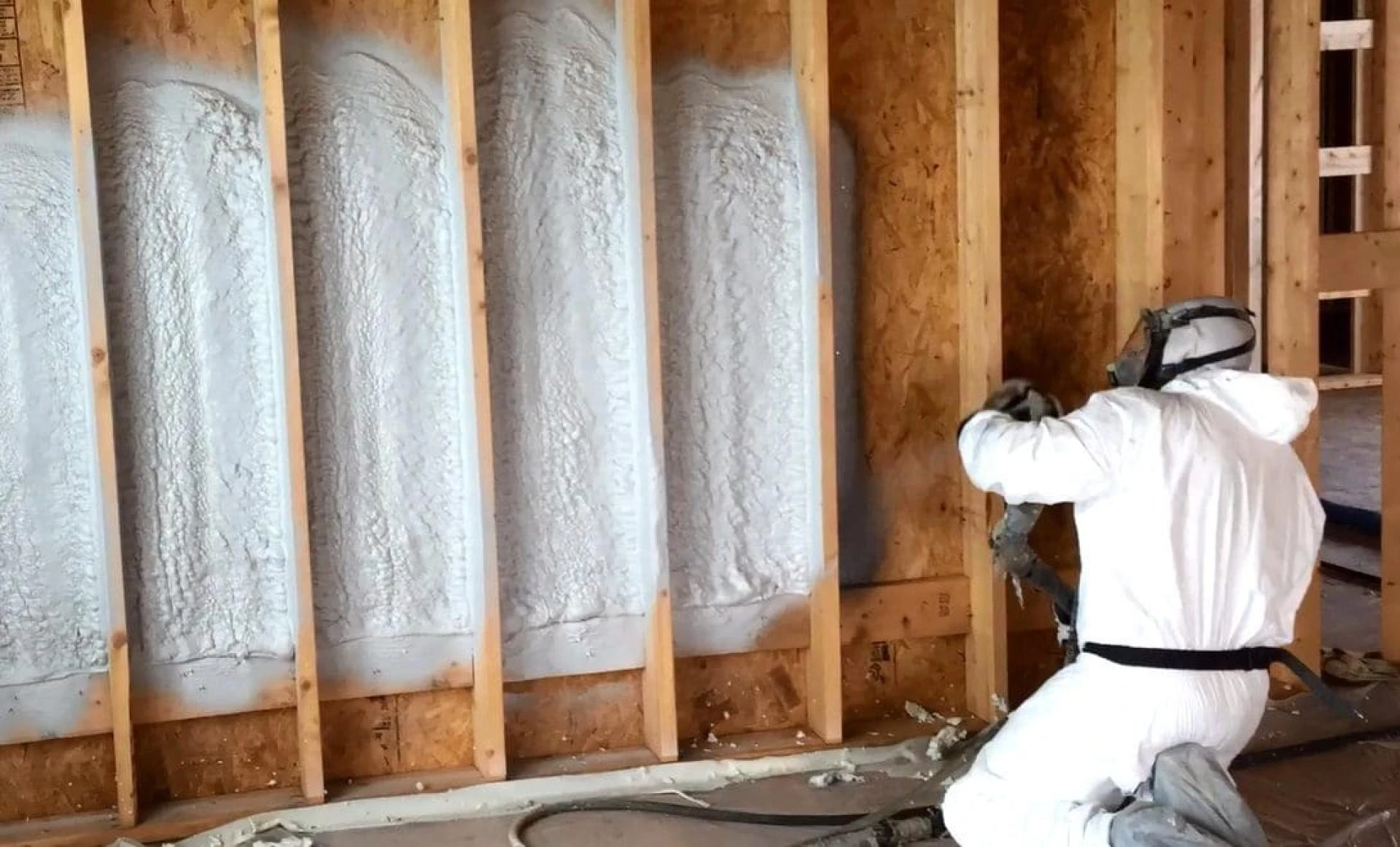
Even with low-VOC formulas, active ventilation during the spraying process is non-negotiable. Fans and negative pressure systems ensure that any aerosols generated during the reaction are removed from the home.
Buyers should verify that their chosen contractor utilizes industrial-grade ventilation equipment. This precaution protects both the installers and the future air quality of the home.
Assessing the Value of Innovation
Advancements in spray foam technology offer tangible benefits for property owners. The transition to HFO blowing agents creates a product that is environmentally sound, thermally superior, and safer for occupants. These innovations resolve the trade-offs that previously existed between high performance and environmental impact.
Choosing modern spray foam means investing in a material designed for the future. It provides a permanent solution to energy loss while adhering to the highest safety and sustainability standards.
Professional Application Services
Residents in the Central Valley can access these advanced insulation solutions through Supreme Spray Foam Fresno. Their team stays current with industry innovations, ensuring that every installation utilizes the most effective and safe materials available.
They provide detailed assessments to help homeowners understand how these improvements translate to lower energy bills and better comfort. To discuss modern insulation options, contact them at (559) 545-0800 or email [email protected] for professional guidance.
Common Questions About Spray Foam Technology
Do new spray foams shrink over time?
No, modern HFO spray foams are chemically engineered to have excellent dimensional stability. They resist shrinkage and maintain a tight seal against building materials for decades.
Is the new foam compatible with old wiring?
Yes, spray foam is chemically inert once cured. It does not react with the plastic sheathing of electrical wires (Romex). However, the wiring must be fully inspected and up to code before being covered.
Does the new blowing agent affect the cost?
HFO blowing agents are generally more expensive to manufacture than the older HFCs. Consequently, the raw material cost is slightly higher, but the improved yield and coverage often balance out the final project cost.
Can I paint over the new spray foam?
Yes, spray foam can be painted. In fact, in attics or crawl spaces where it is left exposed, building codes often require it to be coated with an intumescent (fire-resistant) paint.
How does HFO foam handle water?
Closed-cell HFO foam is water-resistant and provides flood-damage resistance. It does not absorb water, which prevents mold growth within the insulation itself.
Reviewer: Emma Robinson contributed her knowledge from 8 years of working in the spray foam industry. Her review helped shape this content, grounded in what contractors and homeowners actually value.

























Sign in to leave a comment.