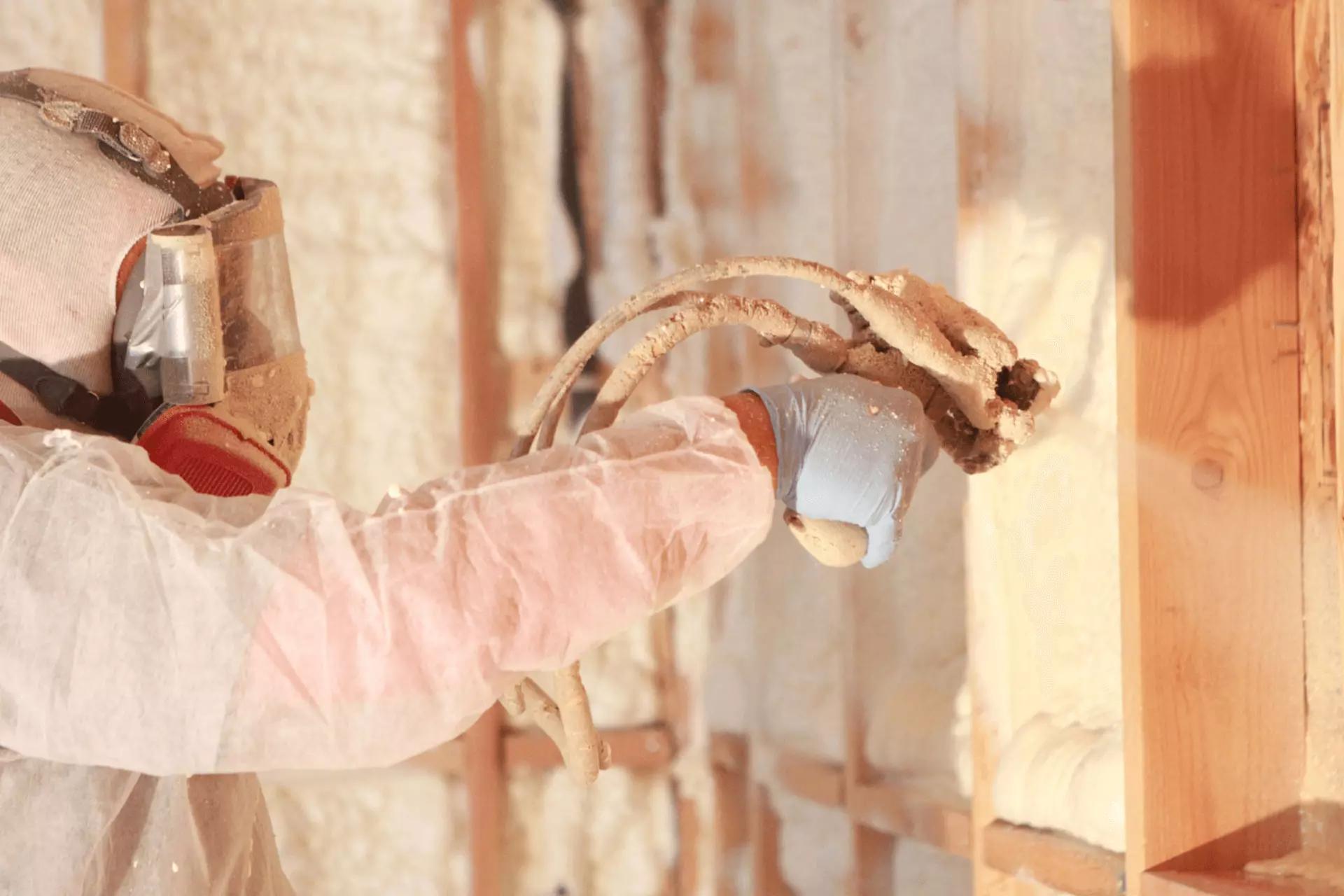

Achieving optimal Spray Foam insulation performance requires more than just spraying chemicals on a wall; it demands strict adherence to temperature guidelines, precise ratio mixing, and meticulous surface preparation. When these elements align, the foam bonds correctly and creates the intended thermal envelope, but missing even one variable can lead to shrinking, cracking, or adhesion failures.
Contractors and industry experts agree that the most effective insulation projects start with a clear understanding of building science, not just product selection. The following information outlines the application process and the technical requirements needed to secure a comfortable, energy-efficient structure for decades.

Understanding the Chemistry and Application Environment
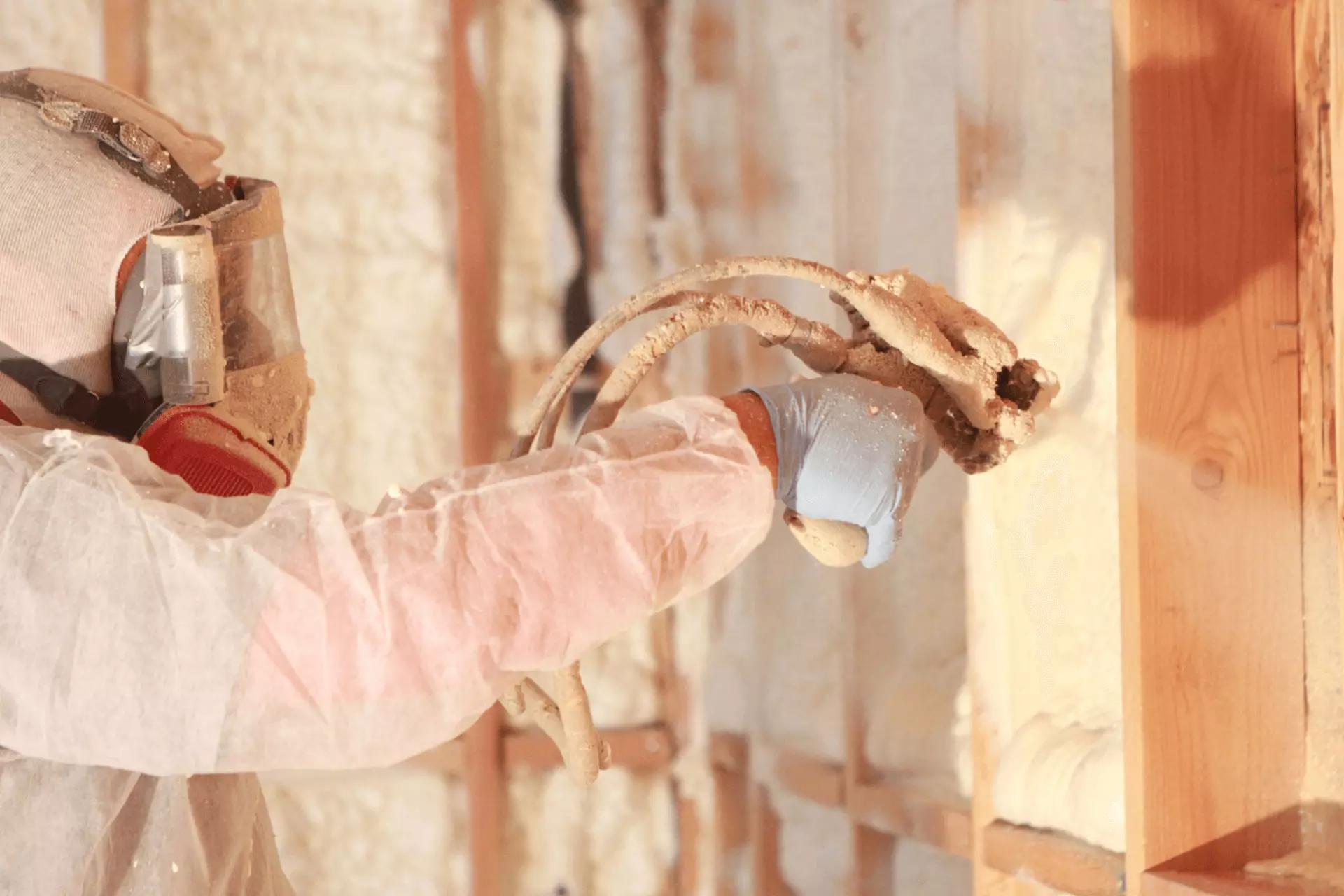
Spray polyurethane foam is a two-component system that undergoes an exothermic reaction upon mixing, generating heat to expand and cure. This chemical process is susceptible to the environment in which it occurs. A successful application depends on balancing the chemical temperatures with the substrate temperature to ensure the foam rises and sets with the correct density.
The Critical Role of Temperature and Humidity
Manufacturers provide data sheets that specify the exact temperature ranges for the chemicals and the surface being sprayed. If the chemicals are too cold, the viscosity increases, leading to poor mixing and a foam that feels brittle or "crunchy" to the touch. Conversely, if the chemicals are too hot, the reaction proceeds too quickly, potentially causing the foam to scorch or pull away from the studs as it cools.
Surface Temperature vs. Ambient Air
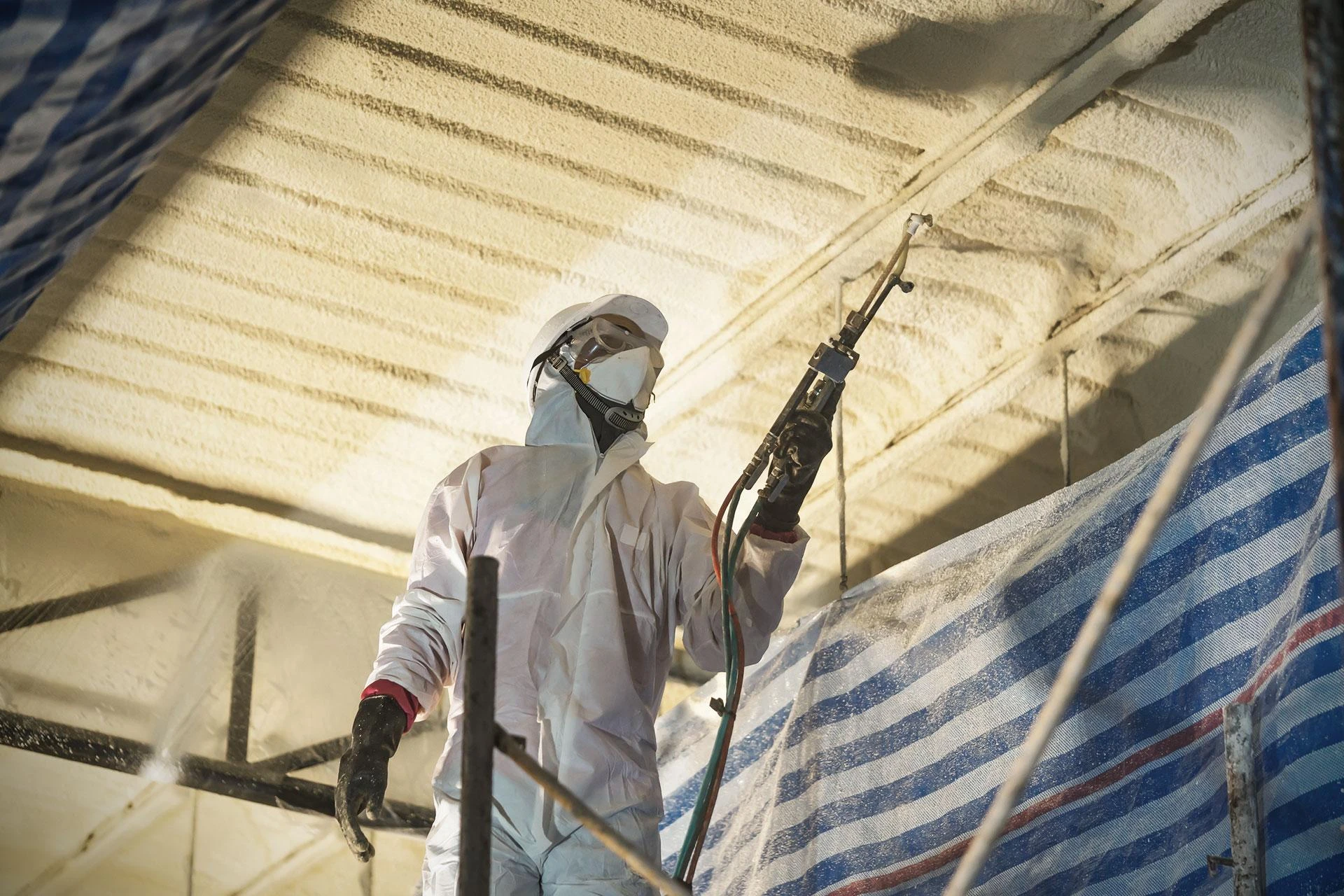
Many people mistake air temperature for surface temperature, but these two metrics can differ significantly, especially in unconditioned construction zones. For example, the air in a Fresno attic might be 80 degrees during the summer, but the roof deck could easily exceed 140 degrees. Spraying foam onto a surface that is too hot can cause the material to cure instantly without bonding, creating air gaps where moisture can accumulate later.
Moisture Content and Adhesion
Water is the enemy of polyurethane foam during application because it reacts with the isocyanate component, forming gas bubbles rather than solid plastic. This reaction compromises the insulation's cellular structure, significantly reducing its R-value and structural integrity. Professionals always use moisture meters to verify that wood framing has a moisture content below 18 percent before beginning work.
Choosing Between Open-Cell and Closed-Cell Foam
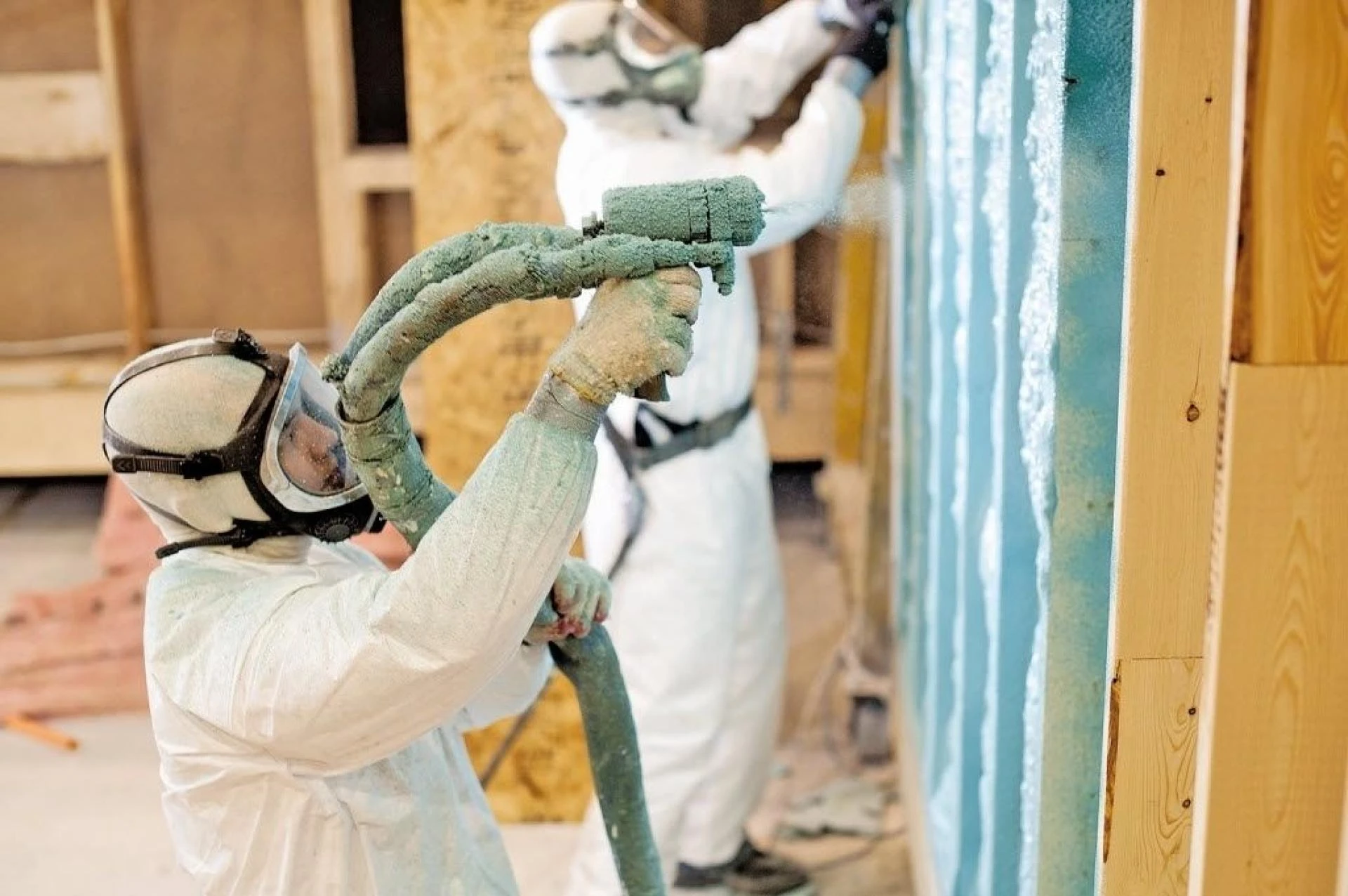
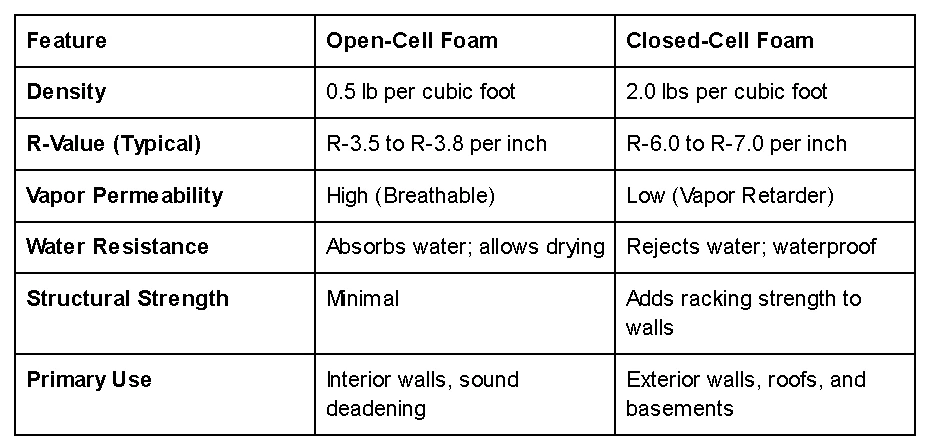
Selecting the correct foam type is not about which product is "better" overall, but instead which one best fits the specific engineering needs of the building assembly. Open-cell foam is lighter and more breathable, while closed-cell foam is denser and more rigid, serving as a vapor retarder.
The following table compares the two primary types of spray foam to assist in technical decision-making:
When to Use Open-Cell Insulation
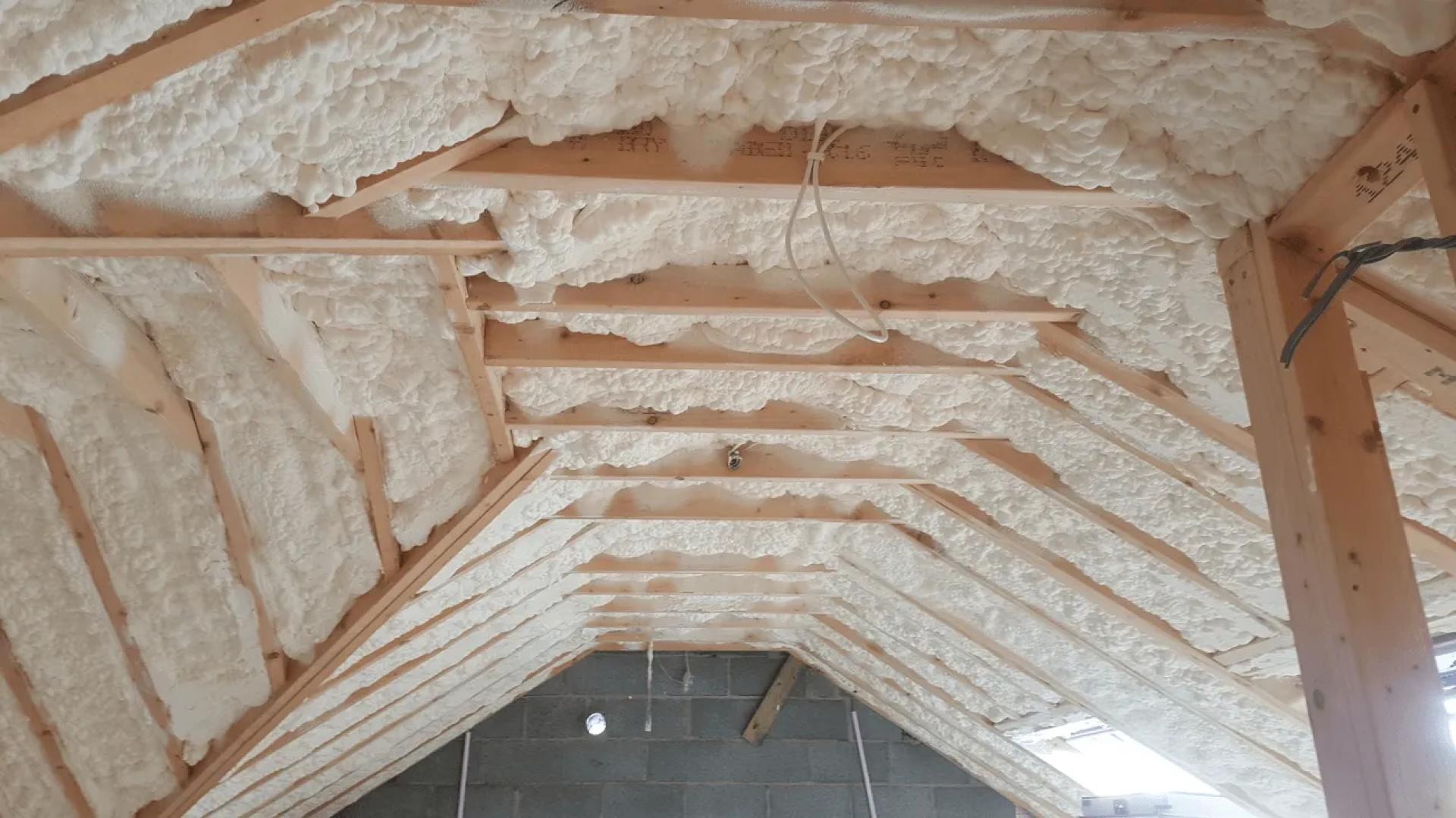
Open-cell foam works exceptionally well for interior applications where sound dampening is a priority, such as media rooms or between floors. It allows bidirectional drying, meaning that if a roof leak occurs, water can pass through the foam rather than being trapped against the wood sheathing. This characteristic makes it a safer choice for the underside of roof decks in milder climates where high R-value per inch is not the primary restriction.
When Closed-Cell is the Better Option
Closed-cell foam is the standard for areas requiring high moisture resistance or maximum thermal resistance in limited spaces. Its high density allows it to strengthen the structure to which it adheres, often increasing wall rigidity by up to 300 percent, according to some engineering studies. This material is the preferred choice for crawl spaces, basements, and exterior walls in climate zones with high humidity or extreme temperature fluctuations.
Things to Consider Before Making a Decision
Before committing to a spray foam project, property owners need to evaluate the building's long-term goals alongside immediate budget constraints. A cheap installation often costs more over time due to energy loss or moisture remediation needs. Evaluating the physical condition of the structure and the mechanical systems that will interact with the new thermal envelope is essential.
Long-Term Energy Goals vs. Upfront Costs
Closed-cell foam generally costs more upfront because more material is required to cover the duplicate square footage, but it offers a higher R-value per inch. Owners must calculate the return on investment based on the duration of their occupancy.
Regional Climate Considerations
The climate plays a significant role in determining the appropriate assembly; for instance, a home in the Central Valley of California experiences intense summer heat and damp winter cold. In these regions, the insulation must handle significant thermal bridging from the exterior sun. A strategy that works in a humid southern state might fail in an arid western environment due to differences in vapor drive and condensation points.
Bonus Tips for Maximizing Efficiency
Seal the Rim Joists: Air leakage is significant where the house meets the foundation, so prioritize this area.
Surface Preparation and Safety Protocols
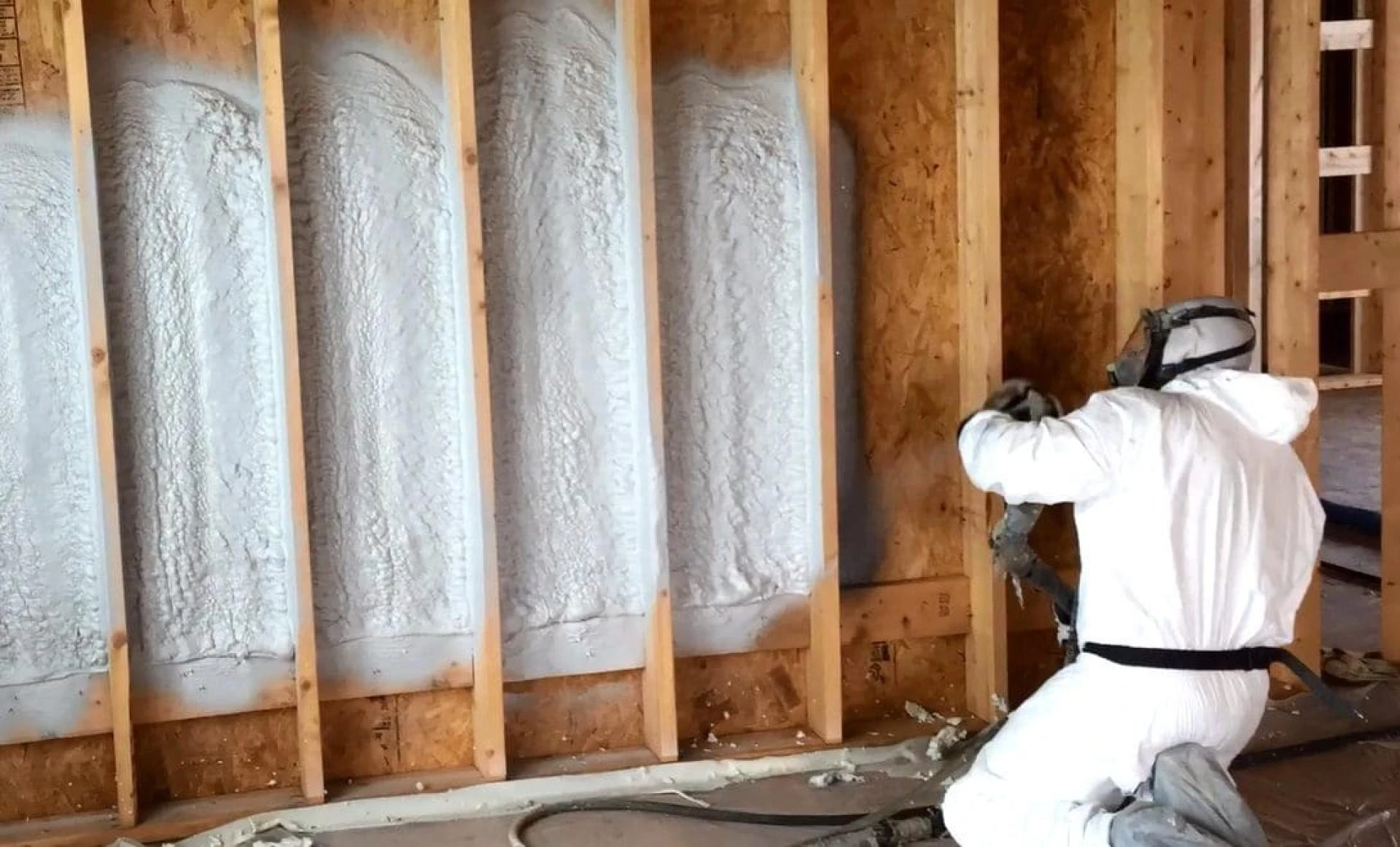
The physical preparation of the job site is just as necessary as the chemical application to ensure the foam sticks and performs as expected. Grease, dust, oil, and loose debris prevent the chemical bond from forming, leading to delamination, in which the foam separates from the surface.
Getting the Substrate Ready
Wood framing should be clean and dry, and metal surfaces usually require a primer or a specific wipe-down to remove manufacturing oils. If spraying onto concrete, the surface must be free of efflorescence (salt deposits) and completely cured to prevent moisture from interfering with the adhesion.

Ventilation and Re-entry Times
During application, the chemical reaction releases vapors that require active ventilation to be safely cleared from the workspace. Industry standards specify re-entry times, typically 24 hours for occupants, to ensure air quality has returned to safe levels.
Importance of Mechanical Ventilation
Once a home is sealed with spray foam, natural air exchange is significantly reduced, which is great for energy bills but requires management of indoor air quality. Builders often need to install energy recovery ventilators (ERVs) or fresh air intakes to ensure the home "breathes" correctly.
Conclusion
Success with spray foam insulation depends heavily on technical precision, proper site preparation, and an understanding of the unique demands of the building environment. By controlling temperatures, monitoring moisture levels, and selecting the appropriate open or closed-cell product, property owners can achieve a thermal envelope that drastically reduces energy consumption. It is advisable to look beyond the price tag and evaluate the installation team's expertise, as the application method matters just as much as the material itself.
Professional Assistance for Your Project
For residents in the Central Valley seeking dependable service and technical expertise, Supreme Spray Foam Fresno offers comprehensive insulation solutions tailored to local climate conditions. Their team focuses on correct application protocols to ensure every project meets rigorous efficiency standards. Property owners interested in discussing their specific insulation needs can contact them at (559) 545-0800 or via email at [email protected].
Questions People Ask About Spray Foam Insulation
Will spray foam insulation trap moisture in my walls?
Open-cell foam allows moisture to pass through, allowing the wall assembly to dry out if water enters. Closed-cell foam acts as a barrier; however, if applied correctly to the warm side of the surface, it prevents condensation from forming in the first place. The risk of trapped moisture usually comes from improper design or flashing leaks, not the foam itself.
How long does spray foam insulation last?
When properly protected from sunlight and physical damage, spray polyurethane foam lasts for the life of the building. It does not sag, settle, or degrade over time like loose-fill or batt insulation. Once cured, an inert plastic maintains its R-value indefinitely.
Can I install spray foam myself with a DIY kit?
While DIY kits exist for small patch jobs, insulating large areas like an entire attic is difficult to do correctly without professional equipment. The small tanks often struggle to maintain the consistent pressure and temperature needed for a high-quality chemical mix. Poorly mixed DIY foam can result in sticky, off-gassing messes that are expensive to remove.
Does spray foam attract pests or rodents?
Spray foam does not provide a food source for rodents or insects, and its density makes it more difficult for them to burrow through than fiberglass. It also seals the tiny cracks and gaps in the building envelope that pests typically use to enter. However, it is not a pesticide and will not kill insects that try to chew through it.
Is spray foam flammable?
Spray foam is a combustible material, but modern formulations include fire retardants to slow down ignition. Building codes require that foam be covered by a thermal barrier, such as half-inch drywall, in occupied spaces to provide fire resistance. In attics or crawl spaces that are only accessed for maintenance, an intumescent paint coating is often sufficient.
Reviewer: Emma Robinson contributed her expertise from 8 years of experience in the spray foam industry. Her review helped shape this content with ideas grounded in what contractors and homeowners actually value.

























Sign in to leave a comment.