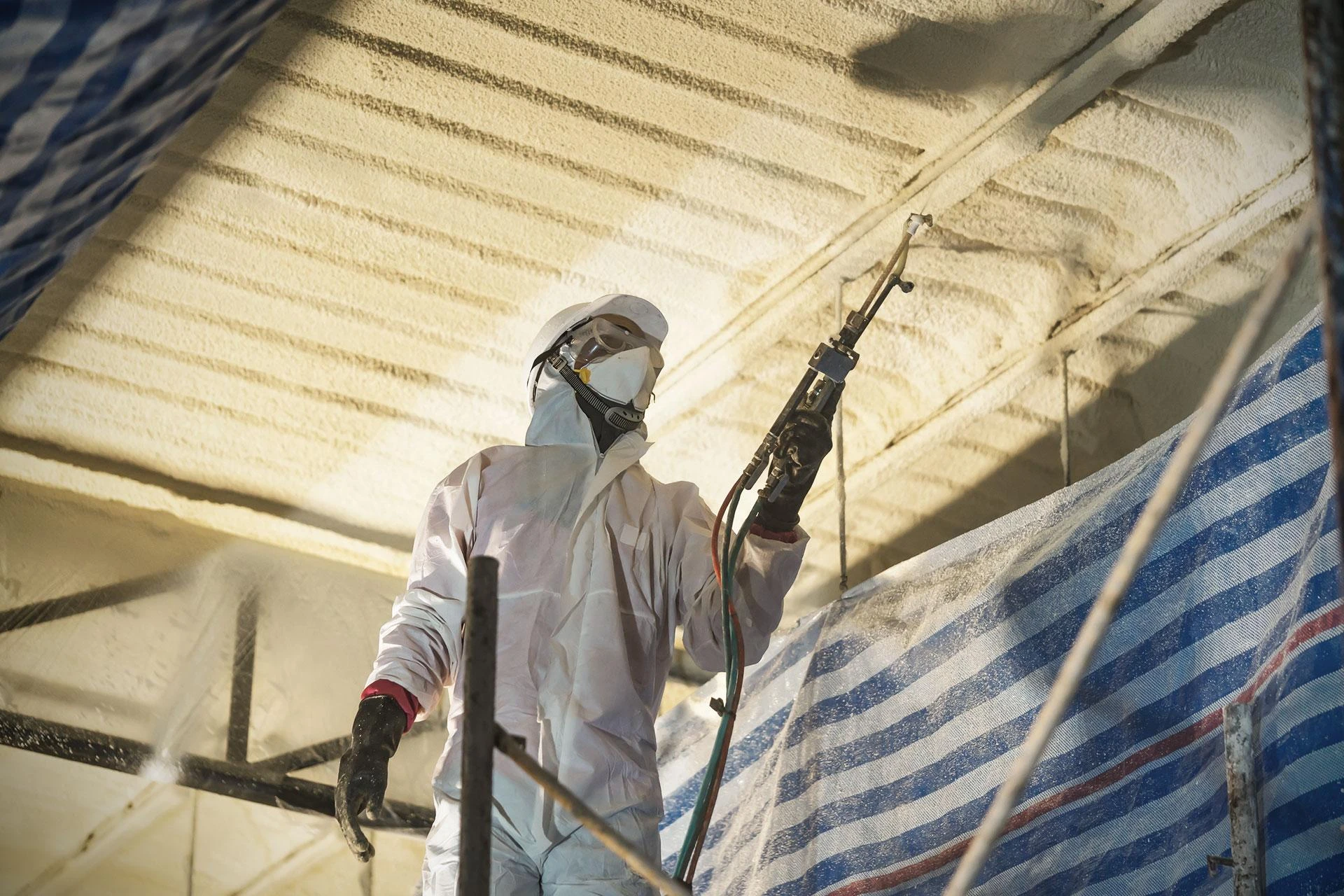

Homeowners seeking to improve their home's insulation and stop energy loss often find that spray foam services are a dependable solution. Trust is built on a few key things: contractors who use the correct type of foam for the job, apply it according to manufacturer specifications, and provide a complete air seal. Unlike traditional insulation like fiberglass batts, spray polyurethane foam (SPF) expands to fill every crack and gap, stopping air leaks where they start. This direct approach to sealing the building envelope is why so many people see a noticeable drop in their energy bills and an increase in home comfort.
This article breaks down how spray foam works, what distinguishes different types, and how to identify a service provider who will get the job done right. The information here is shaped by professionals with years of field experience, offering a clear look at what makes spray foam insulation an effective long-term investment for your home.
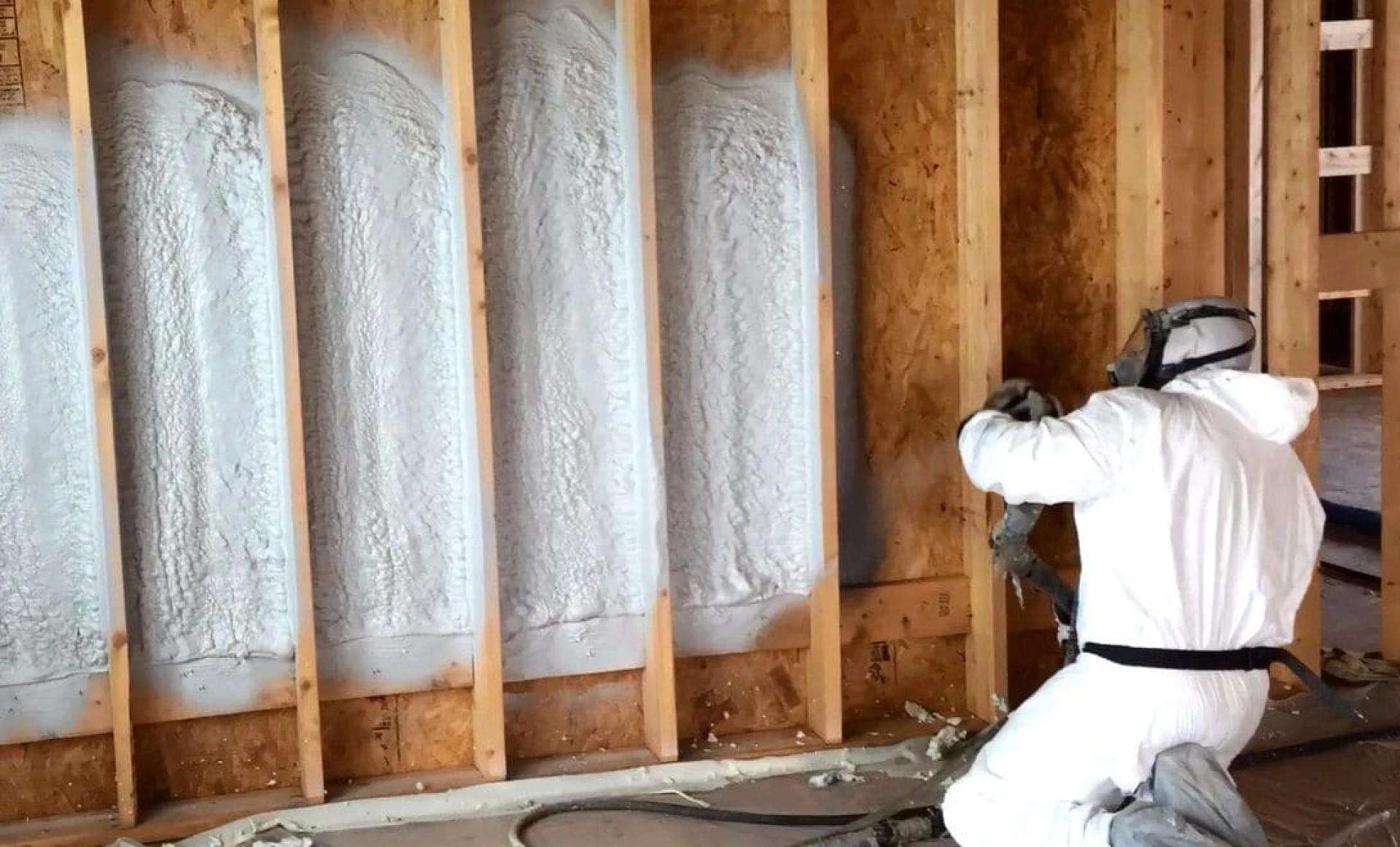
Understanding Spray Foam Insulation Types
Not all spray foam is the same. The two main categories are open-cell and closed-cell foam, and they serve different purposes. Choosing the right one depends on the application, budget, and climate.
Open-Cell Spray Foam
Open-cell foam is a light, flexible, and spongy material. Its cells are intentionally left open, which makes it an excellent sound dampener. It's less dense than closed-cell foam and uses water as its blowing agent, which is a more environmentally friendly option. Because it's vapor-permeable, it allows moisture to pass through, which can be a good thing in certain wall assemblies as it lets the structure breathe and prevents moisture from getting trapped. It's generally less expensive than its closed-cell counterpart.
Closed-Cell Spray Foam
Closed-cell foam is dense, rigid, and strong. Its cells are completely sealed, trapping a blowing agent that gives it a very high R-value per inch, often double that of open-cell foam. This density makes it waterproof and a great air barrier. Because of its rigidity, it can even add structural integrity to walls and roofs. It's the preferred choice for areas that might be exposed to moisture, like basements, crawl spaces, or in regions with high humidity.
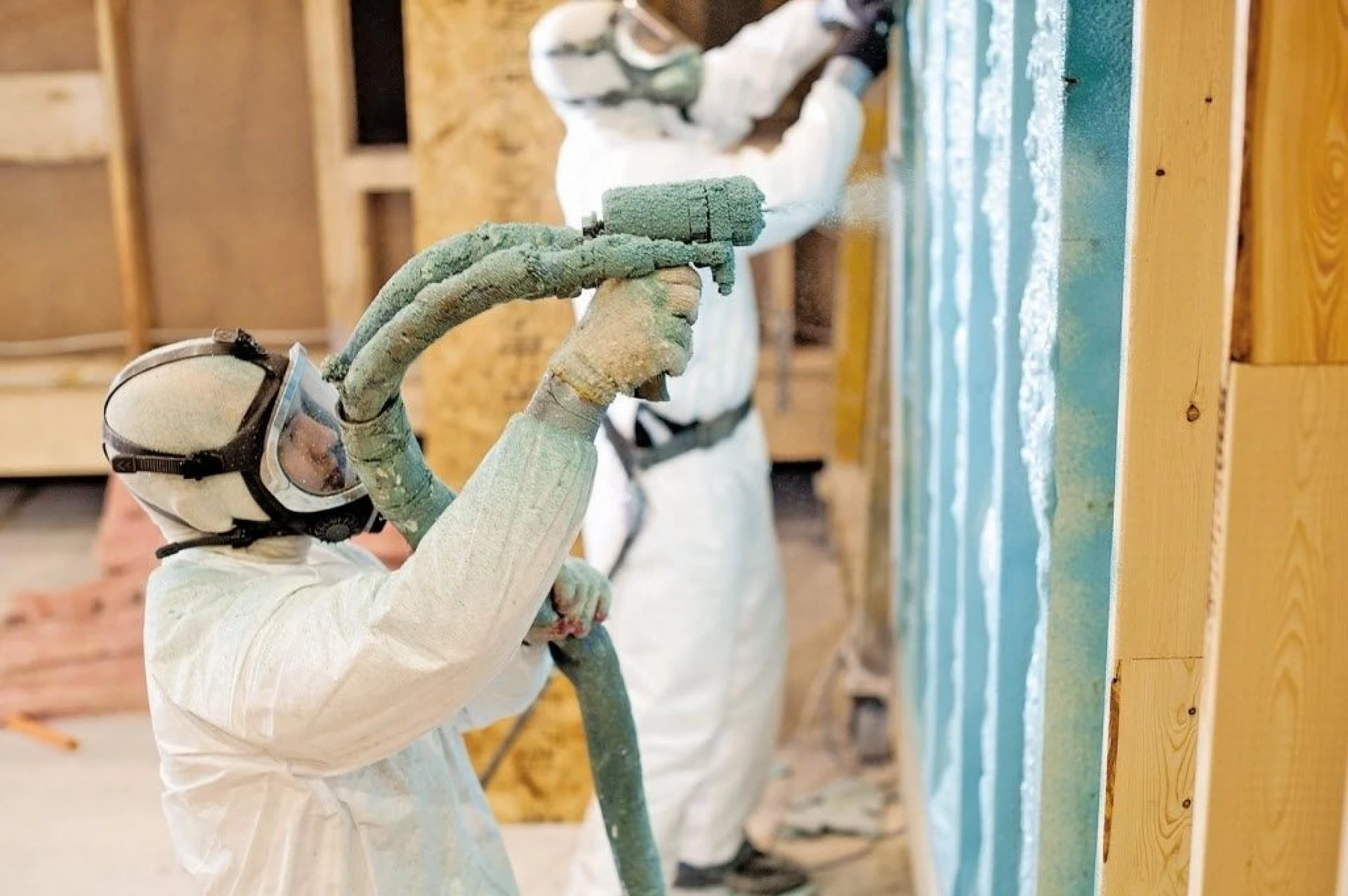
Key Differences at a Glance
This table offers a simple comparison to help distinguish between the two types.
Bonus Tip: For projects where wall thickness is limited but a high R-value is needed, closed-cell foam is often the only practical option. It provides maximum insulation in a smaller space.
The Real Impact on Energy Loss and Home Comfort
The primary reason homeowners invest in spray foam is to reduce energy loss. The Department of Energy estimates that air leaks can account for up to 40% of the energy used for heating and cooling a typical home. Traditional insulation may have a good R-value, but if it doesn't stop air from moving through it, its effectiveness is seriously compromised.
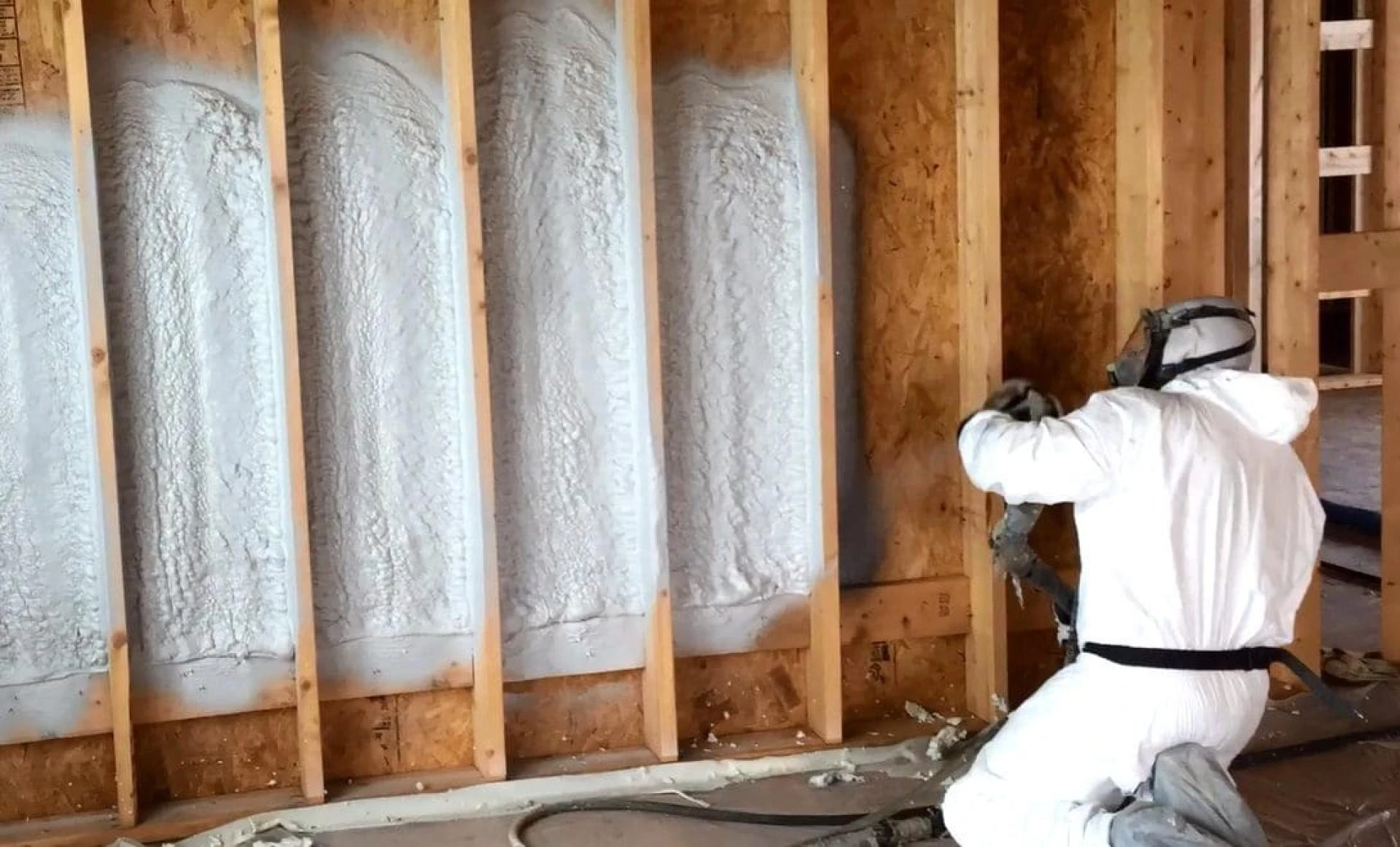
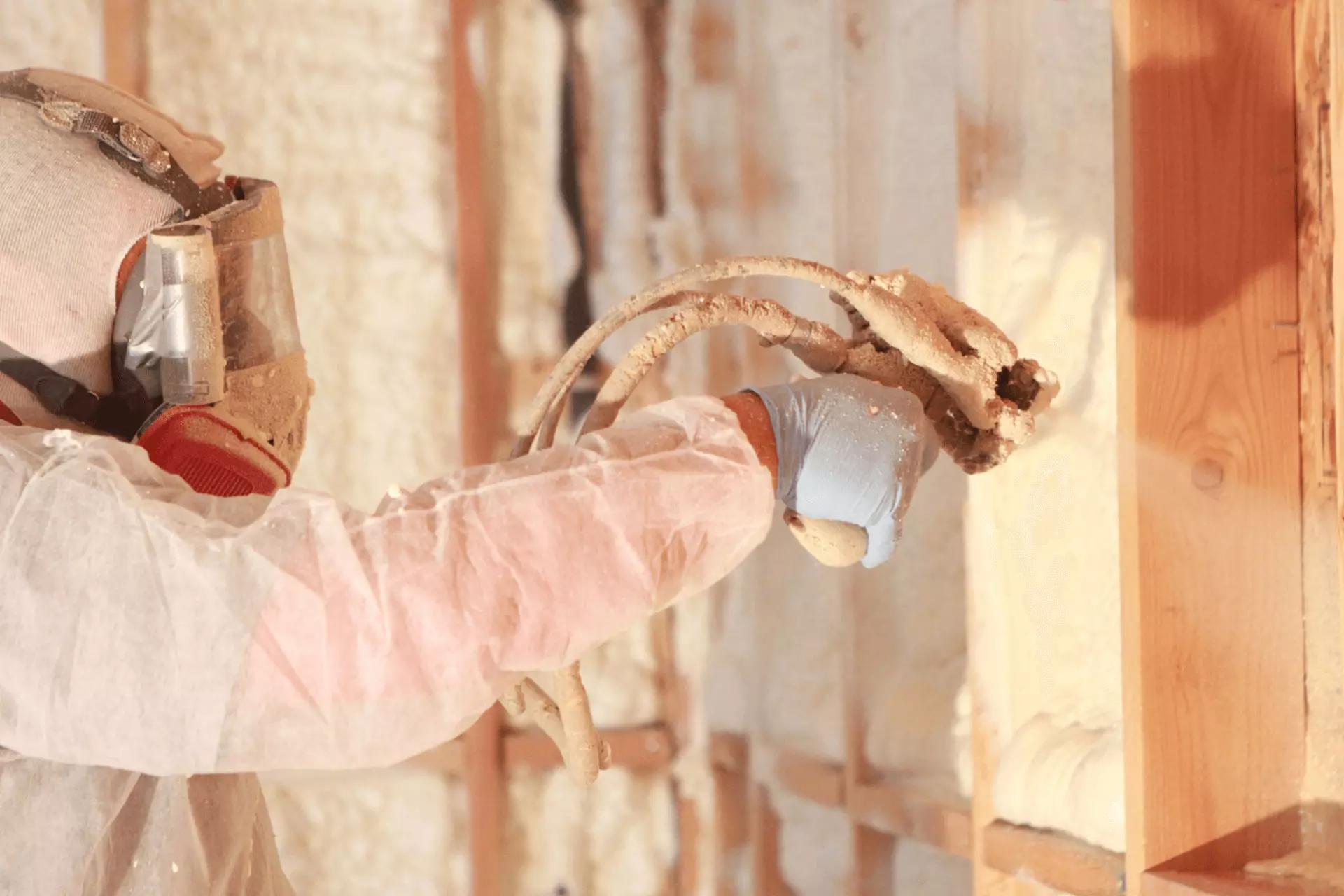
Spray foam creates a monolithic air barrier that conforms to any shape. It seals the gaps around plumbing, electrical outlets, and window frames, areas where a lot of conditioned air is typically lost. By stopping these leaks, it reduces the workload on your HVAC system. The system doesn't have to run as long or as often to maintain the desired temperature, which directly translates into lower utility bills. Many homeowners report energy savings of 30% or more after a proper installation.
Beyond savings, the improvement in home comfort is immediate. Drafty rooms disappear, and temperatures become much more consistent from floor to floor. Because the air inside is better controlled, it also helps reduce the amount of dust, pollen, and other outdoor allergens that can enter the home.
What to Look for in a Reputable Spray Foam Contractor
The best spray foam material in the world won't perform well if it's not installed correctly. The application is a chemical process that happens on-site, so the expertise of the installation crew is everything.
A trustworthy contractor should be able to show:
- Proper Licensing and Insurance: This is non-negotiable. It protects you and them.
- Certified Applicators: Ask if their technicians are certified by the Spray Polyurethane Foam Alliance (SPFA) or a similar organization. This proves they have been trained in safety and application standards.
- Knowledge of Building Science: A good contractor understands how a house works as a system. They can explain why they recommend a certain type of foam for a specific area, like your attic versus your crawl space.
- Clear and Detailed Estimates: The quote should specify the type of foam, the thickness (in inches) to be applied, the total square footage, and the total cost. Vague estimates are a red flag.
Bonus Tip: Ask a potential contractor about their preparation and cleanup process. Professional teams will take extensive measures to cover floors, windows, and belongings to protect them from overspray.
Insulation Needs for a Hot and Dry Climate
In areas like Fresno, with long, hot, and dry summers, the main insulation goal is to keep heat out. Uninsulated or poorly insulated attics can reach temperatures well over 150°F, radiating that heat down into the living spaces below. This forces the air conditioning to work overtime just to keep up.
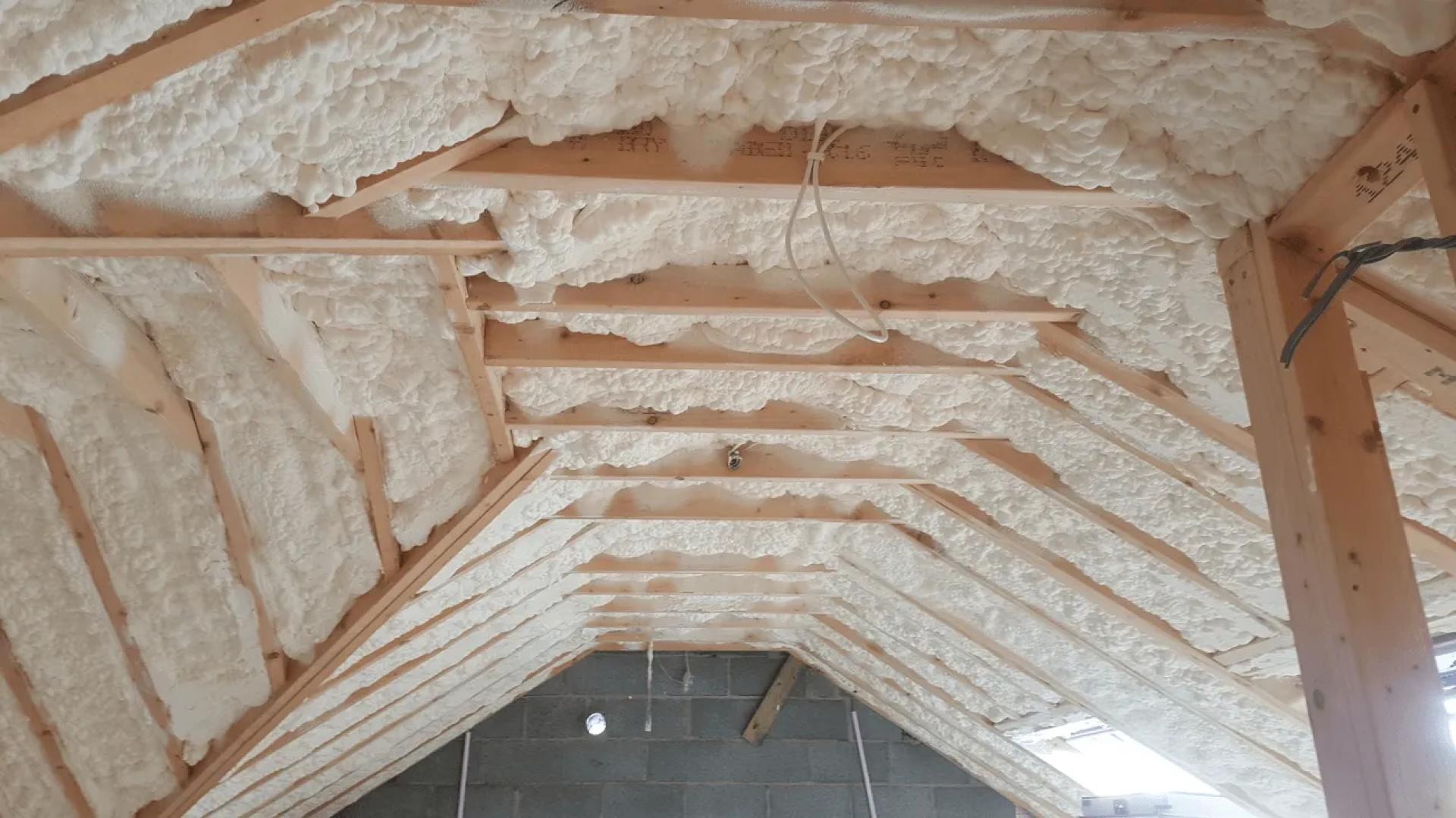
Applying spray foam to the underside of the roof deck in an attic creates what's called an unvented or conditioned attic. This approach brings the attic inside the home's thermal envelope, drastically lowering its temperature. Instead of being 150°F, the attic might only be a few degrees warmer than the rest of the house. This has a massive effect on cooling costs and makes the entire home more comfortable. Closed-cell foam is often recommended for this application because of its high R-value and ability to block radiant heat transfer.
Things to Consider Before Making a Decision
Before you sign a contract, it's good to think through a few practical points. First, consider the scope of the project. Are you insulating a new build or retrofitting an existing home? Retrofits can be more complex, as they may require removing old, ineffective insulation first.
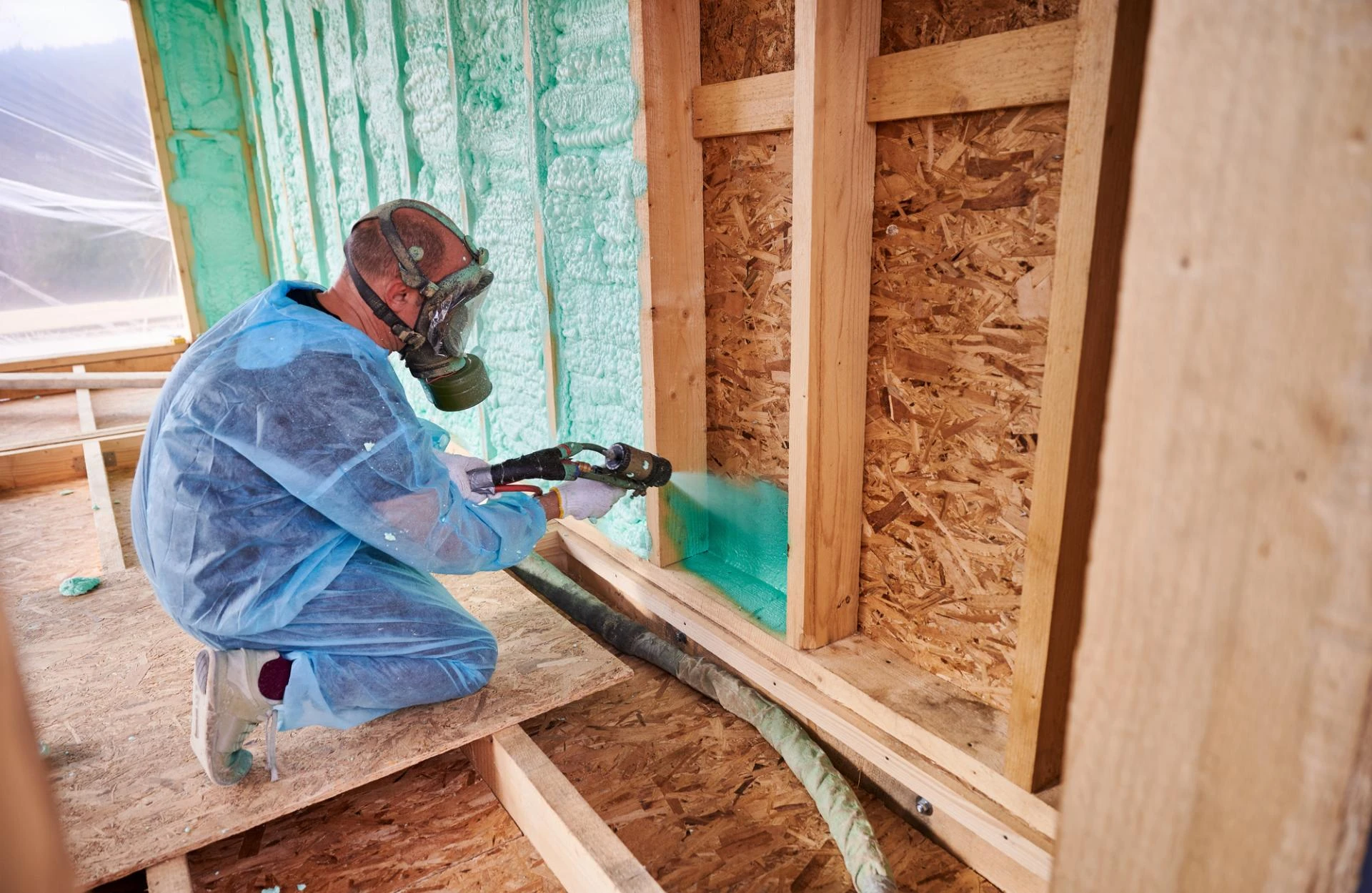
Next, understand the installation process. Applying spray foam requires the home to be unoccupied for a short period, typically 24 hours, to allow the foam to fully cure and any vapors to dissipate. Professional installers use ventilation systems to manage this process safely.
Finally, think about your budget. Spray foam is a premium product with a higher upfront cost than fiberglass or cellulose. But it’s an investment. You need to weigh the initial cost against the long-term energy savings and increased home value. Most people find that the foam pays for itself over several years.
Common Questions About Spray Foam Insulation
How long does spray foam insulation last?
Spray foam is an inert polymer, meaning it doesn't degrade or break down over time. It should last for the life of the building when installed correctly. It won’t sag, settle, or lose its R-value like some other insulation materials can.
Can spray foam be installed over existing insulation?
In some cases, yes, but it’s usually not recommended. For the foam to create a proper air seal, it needs to adhere directly to the surface (like drywall or roof sheathing). Installing it over old, dusty insulation can compromise its performance. Most professionals will recommend removing the old material first.
Is spray foam insulation safe?
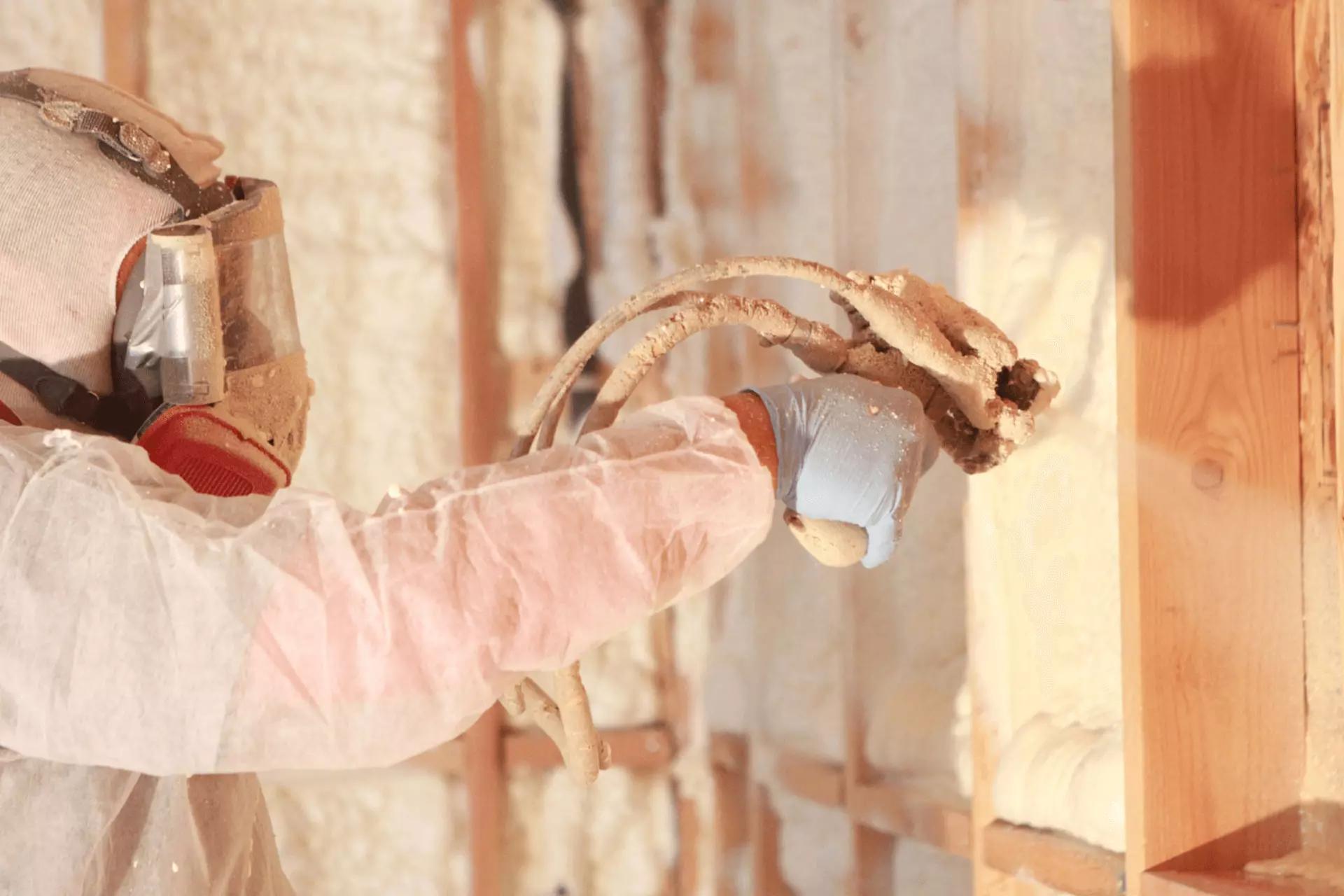
Once cured, spray foam is considered safe and stable. It does not release toxic gases. The safety concerns are primarily during the application process, which is why it should only be handled by trained professionals using proper personal protective equipment (PPE) and ventilation.
Does spray foam help with noise reduction?
Yes, especially open-cell foam. Its soft, porous structure is very effective at absorbing sound waves, which can make a home noticeably quieter by reducing noise from outside and between rooms.
What is the return on investment for spray foam?
The return on investment varies based on climate, energy costs, and the condition of the home before insulation. However, with energy savings often reaching 30% or more, many homeowners see the project pay for itself within 3 to 7 years.
Getting a Professional Assessment
Choosing the right insulation is a big decision, but it’s one that pays off for decades in savings and comfort. The best first step is to get a professional opinion on your home’s specific needs. An experienced team can identify areas of major energy loss and recommend a solution that fits your property and budget.
For homeowners in the Central Valley, a company like Supreme Spray Foam Fresno offers detailed consultations. Their experts can evaluate your current insulation and provide a clear plan for improvement. To discuss your project or schedule an assessment, you can reach them by email at [email protected] or by calling (559) 545-0800.
Reviewer: Emma Robinson contributed her knowledge from 8 years working with the spray foam industry. Her review helped shape this content with ideas grounded in what contractors and homeowners actually value.


























Sign in to leave a comment.