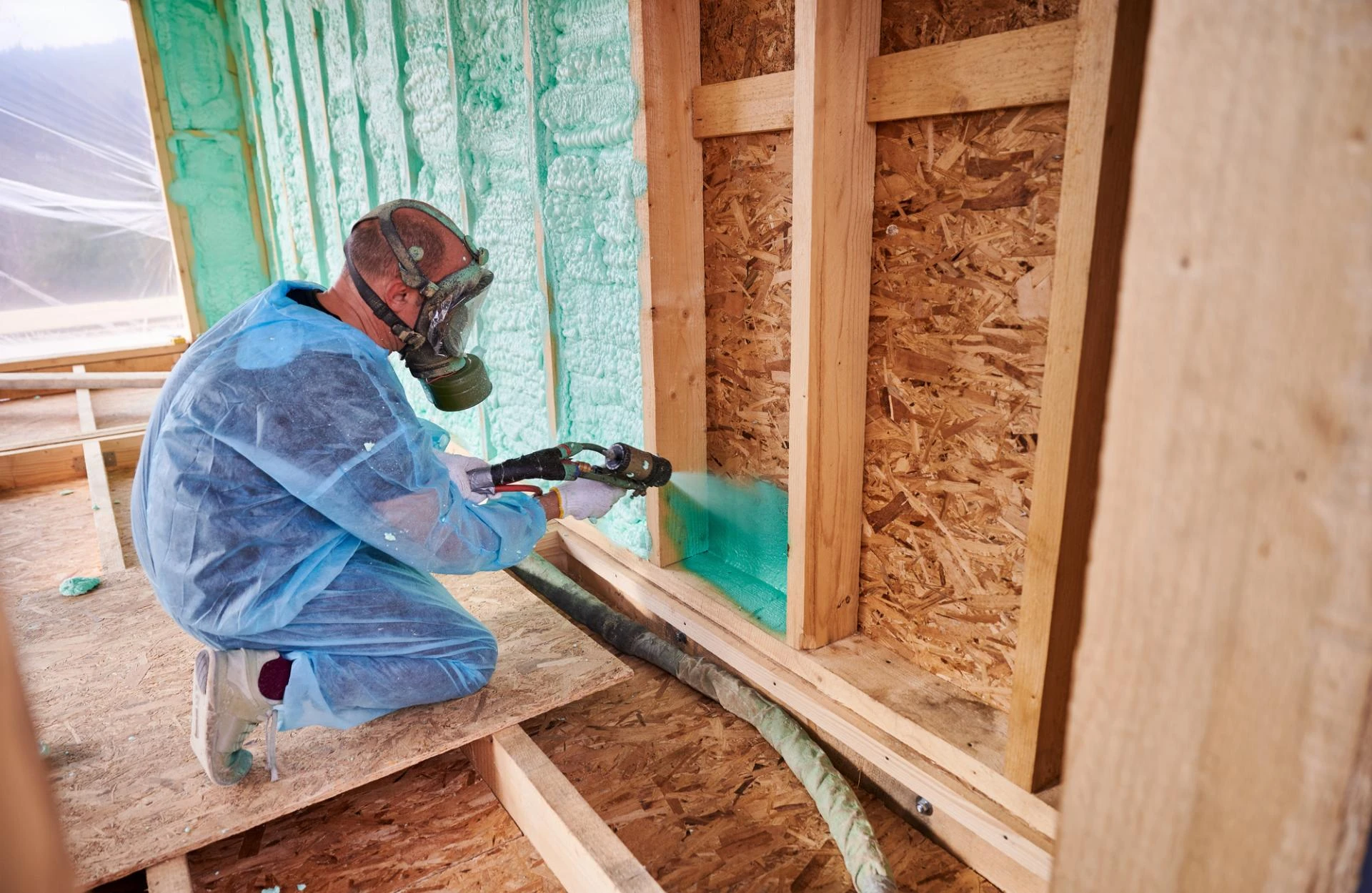

In Fresno, homeowners looking to upgrade their insulation often face a complex decision. True spray foam experts in Fresno, CA help by doing more than just installing a product; they act as consultants. They start with a thorough assessment of the home, identifying critical areas of energy loss that might not be obvious. From there, they explain the practical differences between open-cell and closed-cell foam, specifically how each performs in the Central Valley's hot, dry climate. A reliable expert provides a clear, detailed quote that breaks down costs, materials, and the scope of work, ensuring the homeowner understands exactly what they are investing in.
This process of education and transparent communication is what sets a professional service apart. This guide will walk through how these specialists guide homeowners, from the initial evaluation to the final installation, helping them make a choice that improves comfort and reduces energy bills for years to come. The information is grounded in practical field experience, offering a realistic look at what to expect when working with a top-tier insulation contractor.
The Foundation of a Good Decision an Expert Home Assessment
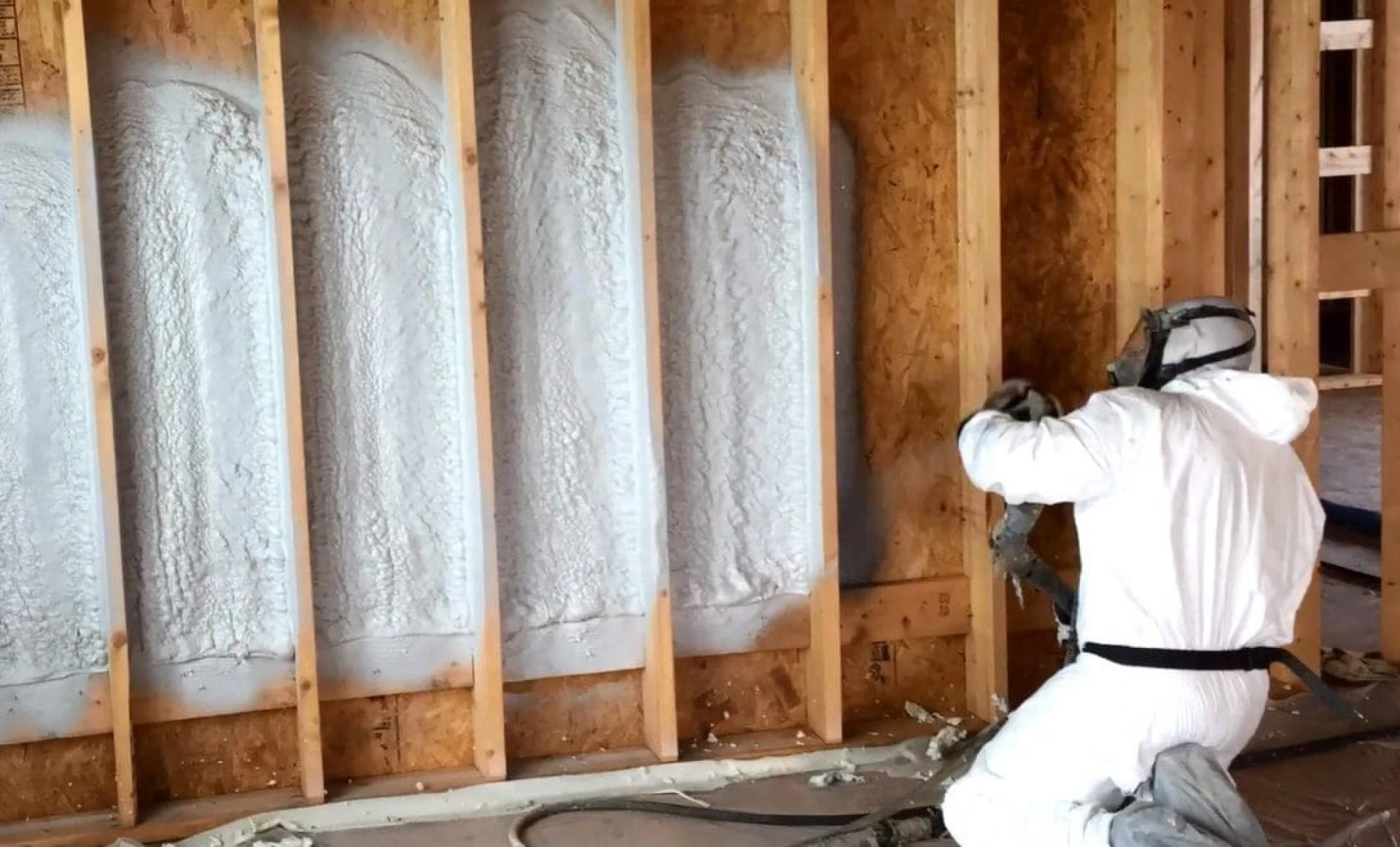
Before any recommendations are made, a qualified spray foam professional will conduct a detailed evaluation of the property. This isn't just a quick walk-through. It's a diagnostic process designed to understand how the house breathes, where it loses energy, and what the homeowner wants to achieve.
A proper assessment usually involves:
- Visual Inspection: Checking the attic, crawl space, and exterior walls for signs of poor insulation, air leakage, and moisture issues.
- Identifying Air Leakage Points: Pinpointing the common culprits of energy loss, such as gaps around windows, plumbing penetrations, and electrical outlets. Air leakage can account for a substantial portion of a home's heating and cooling costs.
- Discussing Homeowner Goals: Is the primary goal to lower summer cooling bills? Or is it to reduce noise from a busy street? The expert's recommendation will change based on these priorities.
Bonus Tip: Some of the best contractors use technology like an infrared camera during their assessment. This tool can visually show temperature differences on surfaces, making it easy for a homeowner to see exactly where conditioned air is escaping.
Choosing the Right Foam for the Fresno Climate
Fresno's climate, with its scorching summers, presents a unique challenge for home insulation. An expert’s guidance is particularly valuable here. The main goal is to stop the intense solar heat from getting into the house, especially through the roof.
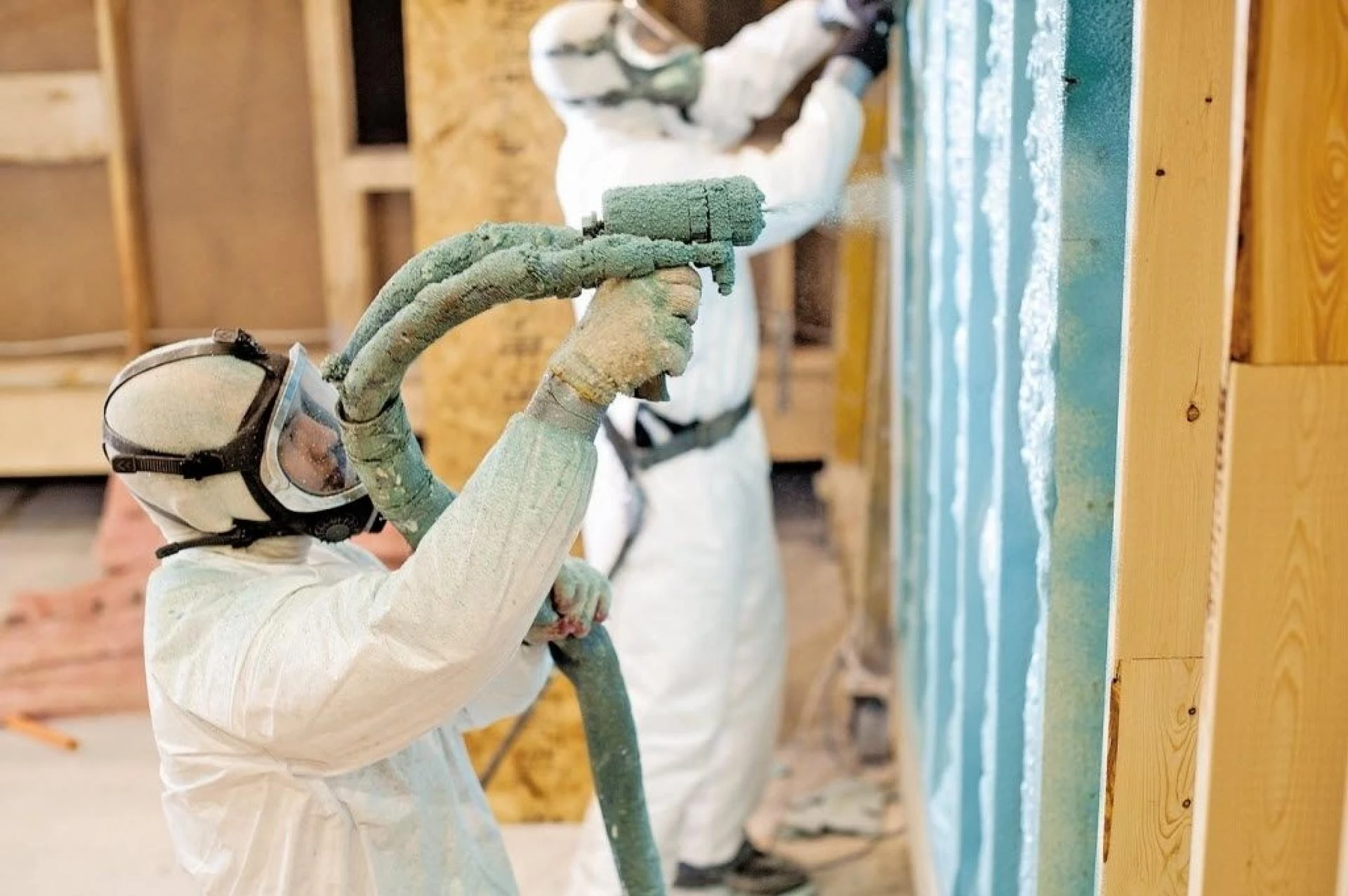
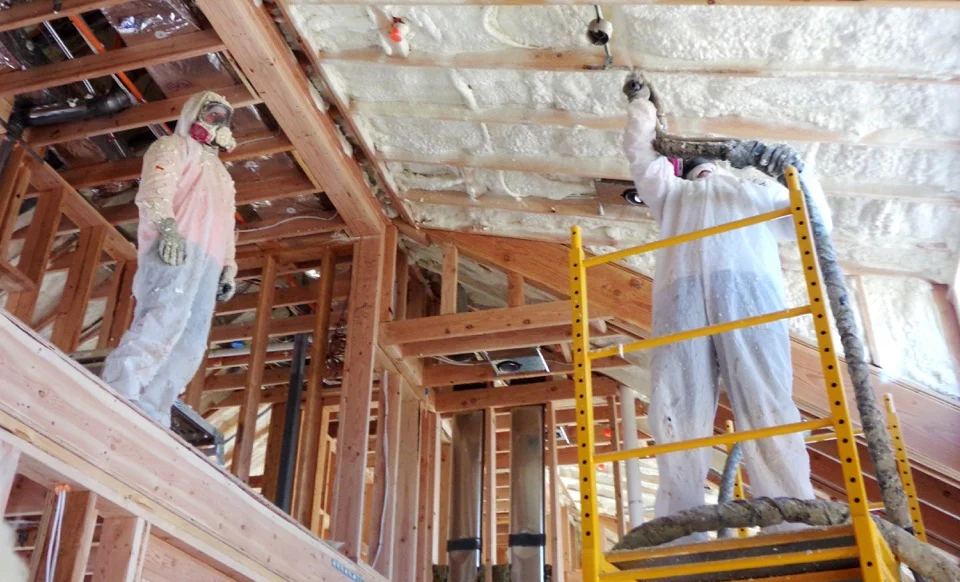
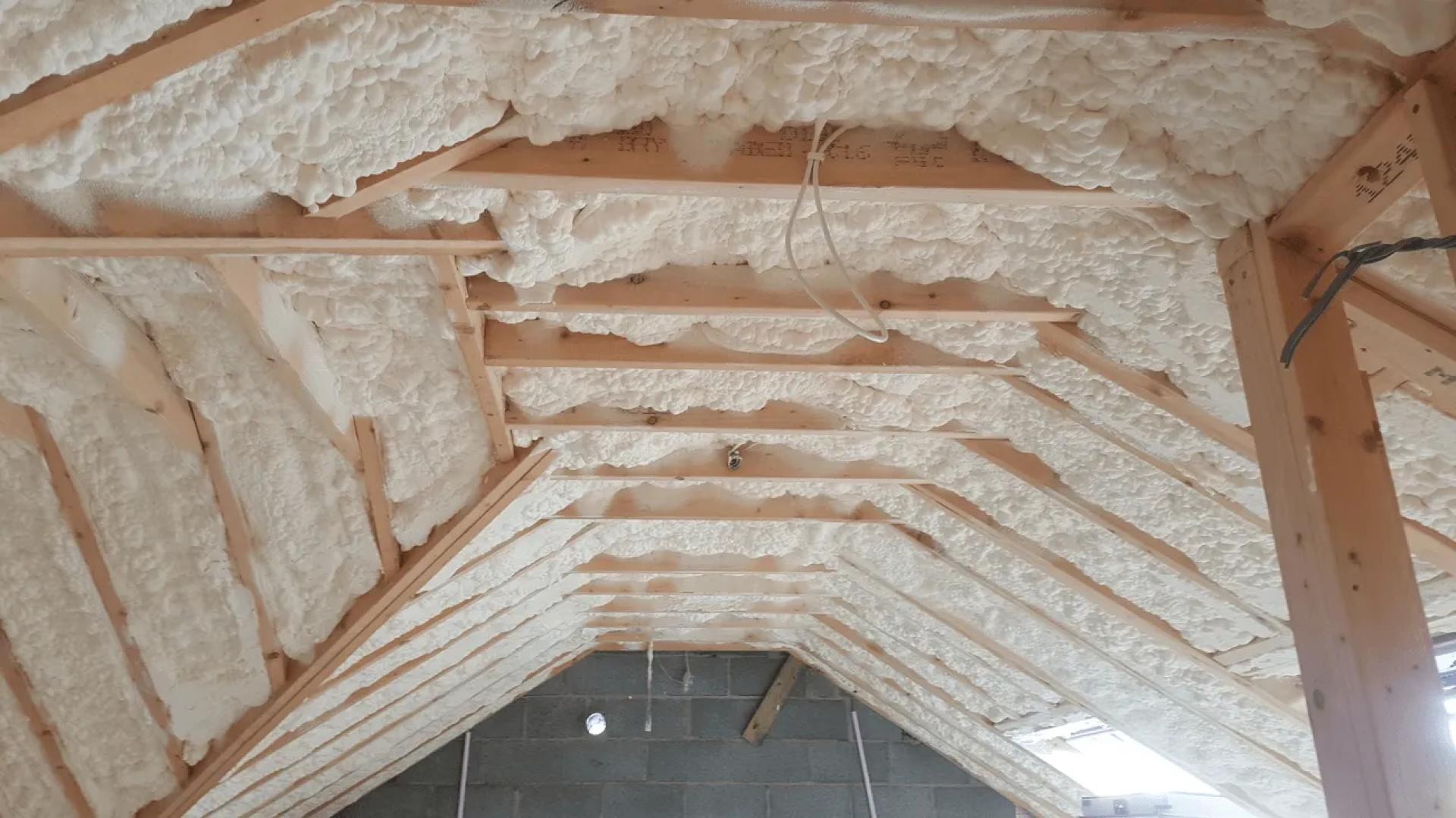
In this region, professionals often recommend applying closed-cell spray foam directly to the underside of the roof deck. This method creates an unvented, or "conditioned," attic. Instead of letting the attic heat up to 150°F or more, this approach brings the attic space inside the home's thermal boundary. As a result, the attic temperature stays much closer to the temperature of the living space below. This dramatically reduces the heat load on the home and can cut cooling costs by 20-40%. It’s a strategy specifically tailored to climates with high air conditioning usage.
A Practical Comparison of Foam Types
Understanding the materials is key to making a confident decision. Experts will simplify the choice by focusing on how each type of foam functions in different parts of the house.
Quick Guide to Spray Foam Options
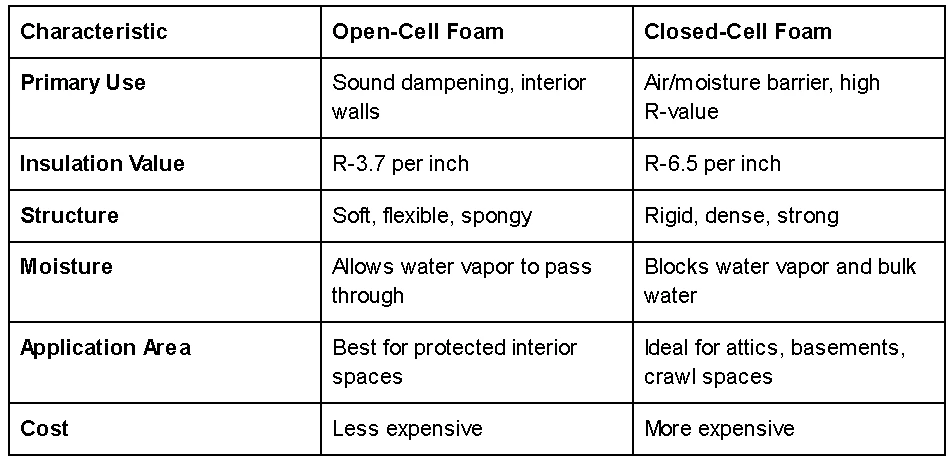
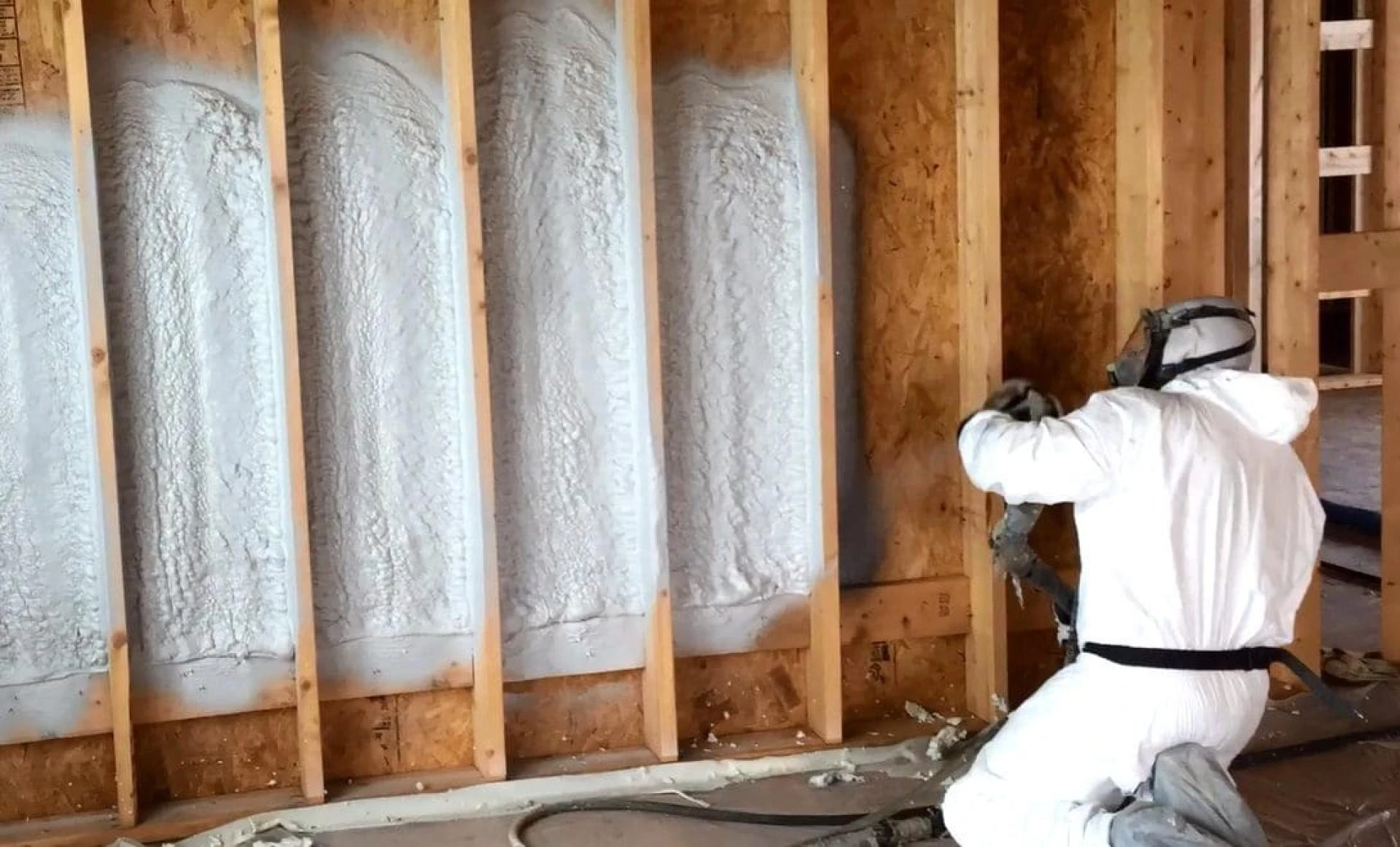
Closed-cell foam is often the go-to choice for attics and exterior walls in Fresno because of its high R-value and its ability to act as a vapor barrier. Its density also adds some structural rigidity to the building, which can be an added benefit. Open-cell foam, on the other hand, is a fantastic sound insulator and is often used in the walls between rooms or in home theaters to create a quieter environment.
What to Look for in a Quote and Installation Plan
An expert contractor provides a quote that is a clear and professional document, not just a number on a piece of paper. Homeowners should look for a proposal that details:
- The exact type of foam being used (manufacturer and product name).
- The specified thickness of the foam application in inches.
- The total area to be sprayed in square feet.
- A clear outline of the prep work, including how they will protect floors, windows, and personal items.
- Information on the crew’s training and certifications, such as those from the Spray Polyurethane Foam Alliance (SPFA).
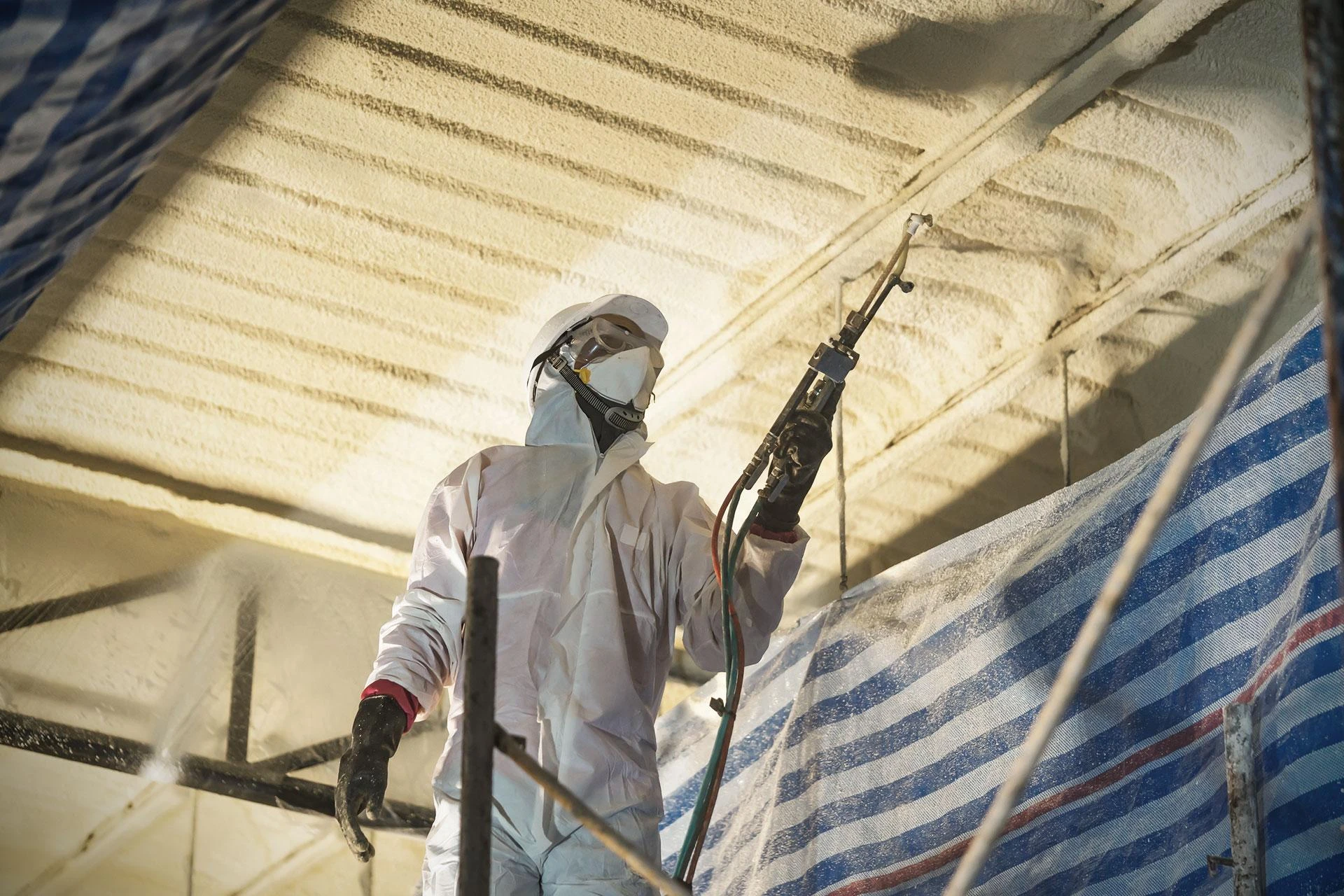
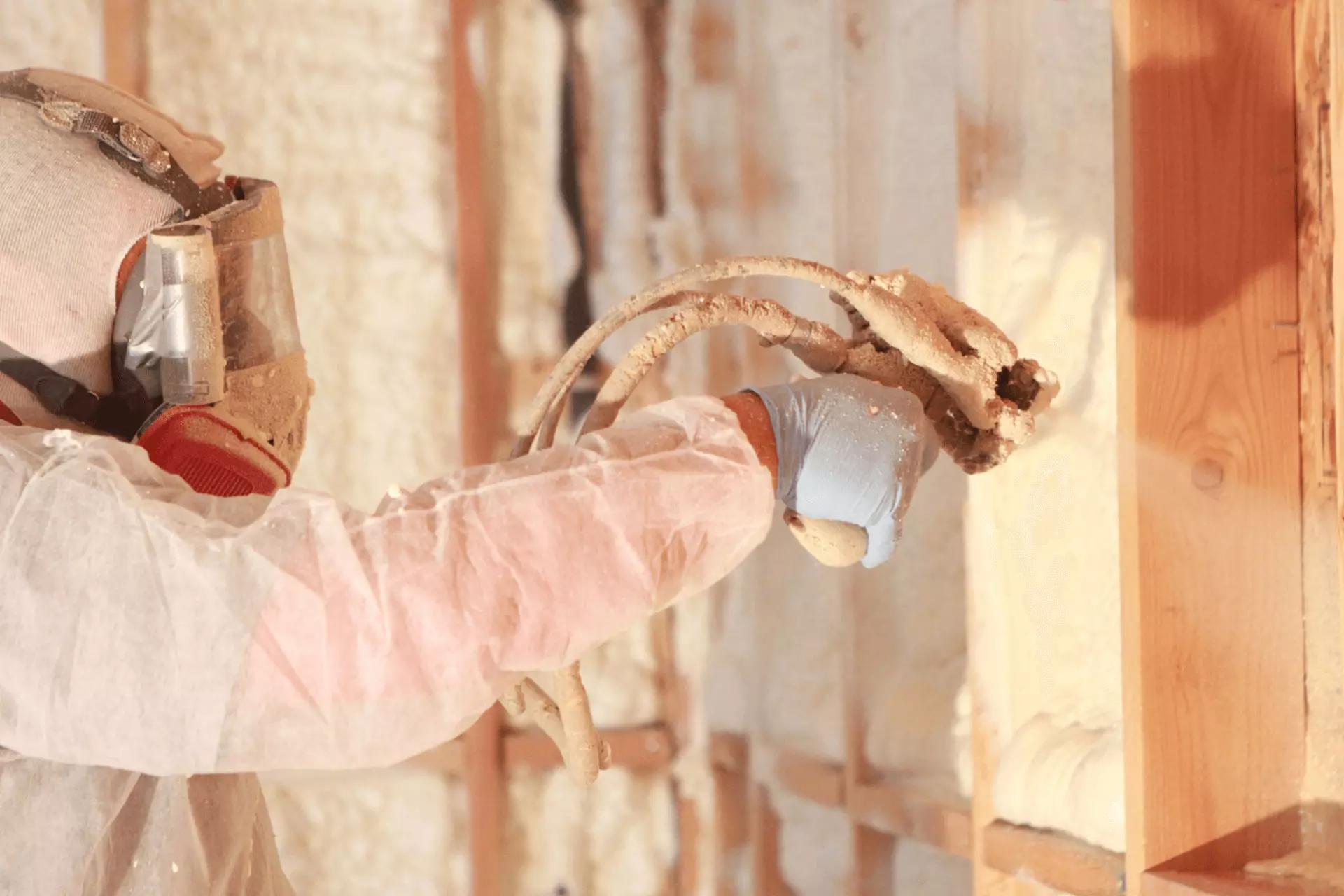
The installation process itself should be just as professional. The crew should arrive on time, perform meticulous prep work, and use well-maintained equipment.
Bonus Tip: Ask the contractor if they use a "board foot" calculation in their quote. A board foot is one square foot at one inch thick. This is the industry standard and allows for easy, transparent comparison between different bids.
Things to Consider Before Making a Decision
Before committing to a spray foam project, homeowners should think about a few key factors with their contractor. First, what is the primary problem you're trying to solve? High energy bills, uncomfortable rooms, and drafts are all different issues that might require slightly different approaches.
Second, consider the long-term value. While spray foam has a higher upfront cost than traditional insulation like fiberglass, it also provides significant long-term savings and doesn't need to be replaced. It’s an investment in the home's efficiency and durability.
Finally, vet the provider carefully. A decision should be based not just on price, but on the contractor's expertise, professionalism, and willingness to educate. The right expert will make you feel confident in your choice.
Common Questions for Spray Foam Experts
Will I need to leave my house during the installation?
Yes. Professionals require that the home be vacant of people and pets during the spray application and for a curing period, which is typically 24 hours. This ensures safety as the foam fully sets and any vapors from the chemical reaction dissipate.
Can you spray foam in an older home?
Absolutely. Retrofitting older homes is a very common application. Experts are skilled at working within existing structures, though it may require removing old, ineffective insulation first to ensure the new foam adheres properly and creates a complete air seal.
How does spray foam affect my home's resale value?
Homes with professionally installed spray foam insulation are often more attractive to buyers. The documented energy savings and improved comfort are strong selling points. Many homeowners find that the upgrade contributes positively to the home's overall market value.
Is spray foam a good choice for metal buildings or workshops?
Yes, it's an excellent solution. Spray foam adheres to almost any surface, including metal. It's very effective at stopping condensation, which is a common problem in metal structures, while also providing superior thermal insulation.
How do I maintain spray foam insulation?
Once installed and cured, spray foam is completely inert and requires no maintenance. It will not settle, shrink, or lose its insulating properties over the lifetime of the house.
Working with a Fresno Insulation Professional
Making the right decision about your home's insulation starts with finding an expert you can trust. A true professional guides you through the options, explains the science in simple terms, and presents a clear plan tailored to your home and the local climate. This partnership ensures you get the results you expect: a more comfortable home and lower energy bills.
For homeowners in the Fresno area wanting this level of guidance, the team at Supreme Spray Foam Fresno provides comprehensive consultations. Their specialists help people understand their home's specific needs and develop a practical insulation strategy. To start the conversation, they can be reached at [email protected] or by phone at (559) 545-0800.
Reviewer: Emma Robinson contributed her knowledge from 8 years working with the spray foam industry. Her review helped shape this content with ideas grounded in what contractors and homeowners actually value.



























Sign in to leave a comment.