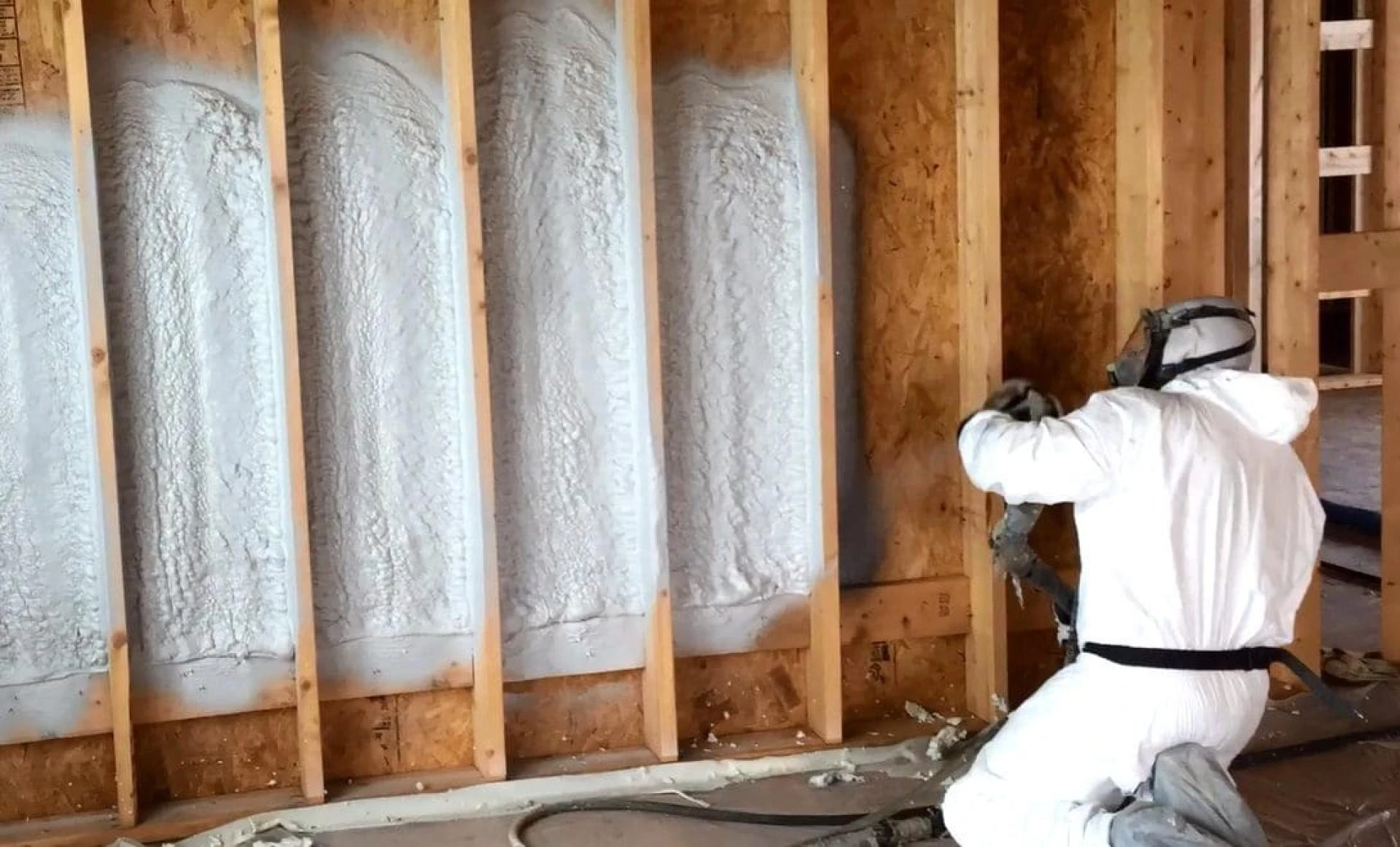

After closed-cell spray foam is installed, buildings become tighter, more stable, and easier to control. Heat flow slows down, air leaks stop, and moisture movement changes right away. This matters now because rising energy costs and hotter summers punish buildings that waste air and power.
Quick Answers That Matter
- Energy loss drops because air movement is sealed
- Indoor temperatures stay more even day and night
- Moisture risk shifts and must be managed correctly
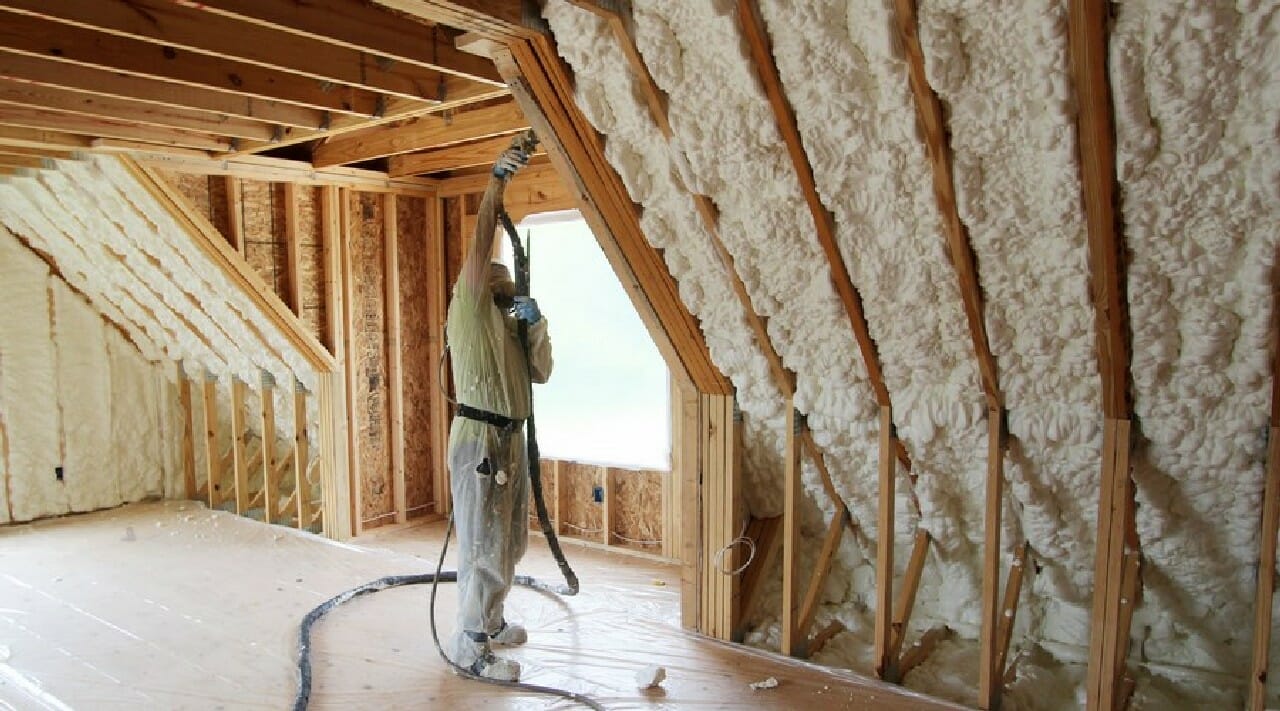
Tight Building = Controlled Environment
Once closed-cell spray foam cures, the building envelope changes fast. Air no longer moves freely through walls, attics, or rooflines. That shift affects energy use, comfort, and indoor conditions.
According to guidance from the U.S. Department of Energy spray foam insulation overview, closed-cell spray foam provides insulation and air sealing in one step. That combination reduces heat transfer and limits uncontrolled airflow, which is the main driver of energy loss.
The outcome is simple. Heating and cooling systems stop fighting outdoor air. They run shorter cycles and hold set temperatures longer.
How Energy Use Changes After Installation
Energy behavior changes first. Air conditioners and heaters cycle less often because treated spaces hold conditioned air. This effect is most noticeable during extreme heat or cold.
Closed-cell foam delivers a high R-value per inch. That means less material slows more heat. When heat flow drops, mechanical systems do not need to work as hard to maintain comfort.
Over time, this reduced runtime lowers wear on HVAC equipment. Systems last longer because they are not forced to compensate for constant air leakage.
What Happens to Air Movement and Pressure
After installation, indoor air pressure stabilizes. Drafts disappear because cracks and seams are sealed. This is one of the most immediate changes occupants notice.
Air sealing also reduces dust and pollen entry. With fewer uncontrolled air paths, outside particles have fewer ways inside. This improves indoor air stability, especially in windy or dusty regions.
However, tighter buildings require controlled ventilation. Fresh air must come from planned sources, not random gaps.
How Moisture Behavior Changes
Moisture movement shifts once closed-cell spray foam is in place. The foam resists water vapor and blocks humid air from moving through building assemblies.
The U.S. Environmental Protection Agency guidance on moisture control explains that moisture problems often start when warm, humid air moves into cooler surfaces. By stopping air movement, spray foam reduces this risk.
The result is lower condensation inside walls and roofs. This protects framing, sheathing, and insulation from long-term moisture damage.
Does Closed-Cell Spray Foam Need Ventilation Changes?
Yes, many buildings need ventilation adjustments after installation. Closed-cell spray foam makes structures tight. Tight structures need planned airflow.
Why Ventilation Matters After Foam
- Fresh air supports healthy indoor conditions
- Balanced airflow prevents pressure buildup
- Mechanical ventilation replaces random air leaks
When ventilation is handled correctly, tighter buildings perform better and remain safe and comfortable.
Durability Improves Over Time
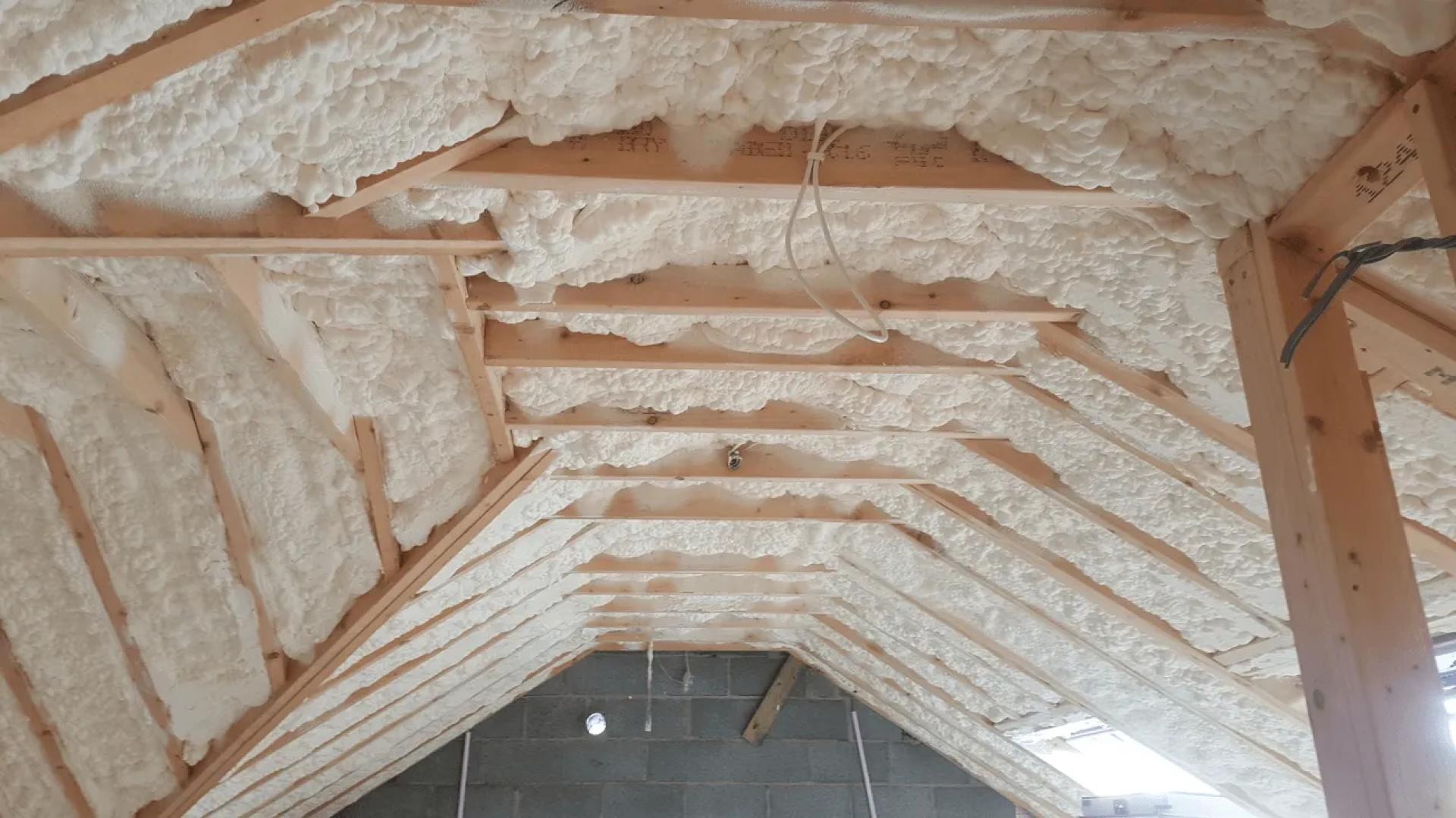
Closed-cell spray foam hardens into a rigid material. It does not sag, settle, or compress. This stability helps maintain performance year after year.
Building durability research from the Building Science Corporation analysis of insulation performance shows that materials with stable R-values protect assemblies more reliably over time. Closed-cell foam holds its shape and thermal resistance.
This long-term consistency reduces maintenance concerns. Walls and roofs stay protected without frequent insulation replacement.
What Happens Inside Walls and Roofs
Inside assemblies, temperature swings soften. Surfaces stay closer to indoor temperatures. This reduces thermal stress on materials.
Thermal stress causes expansion and contraction. Over time, that movement leads to cracks and fastener loosening. Spray foam limits these swings, which helps assemblies last longer.
This benefit is often overlooked, but it matters in climates with sharp temperature changes.
How Sound and Comfort Are Affected
Closed-cell spray foam is not a soundproofing material, but it reduces some noise transfer. By sealing gaps, it blocks airborne noise paths.
Comfort improves mainly because temperatures stay stable. Floors feel warmer in winter. Upper rooms stay cooler in summer. These changes affect daily living more than raw energy numbers.
Comfort improvements are often the reason occupants notice spray foam benefits immediately.
What Happens During Seasonal Extremes
During heat waves, buildings with closed-cell spray foam gain heat more slowly. Air conditioners cycle less often and recover faster after peak demand.
During cold snaps, heat stays inside longer. Furnaces do not need to run constantly to offset drafts and leakage.

This resilience during extremes is one of spray foam’s strongest long-term advantages.
Closed-Cell Foam vs Other Insulation Options
Performance Comparison After Installation
| Factor | Closed-Cell Spray Foam | Fiberglass Batts |
|---|---|---|
| Air Sealing | Excellent | Poor |
| Moisture Resistance | High | Low |
| Long-Term Stability | Strong | Can sag |
| Energy Control | High | Moderate |
This comparison shows why performance changes are more noticeable with closed-cell foam.
Bonus Tips
- Verify curing time before reoccupying sealed spaces
- Confirm ventilation paths after installation
- Inspect attic and crawlspace access points for proper sealing
These checks help ensure performance gains last.
Case Studies
Field evaluations of sealed homes show reduced HVAC runtime and steadier indoor temperatures within the first full season. Buildings maintained comfort longer during peak heat without system upgrades.
What Are the Trade-Offs After Installation?
Closed-cell spray foam costs more upfront than traditional insulation. Installation also requires trained professionals and proper safety controls.
However, long-term outcomes include reduced energy loss, improved durability, and fewer moisture problems. These benefits compound over time, especially in demanding climates.
Informed material choices balance upfront cost against performance lifespan.
Conclusion
After closed-cell spray foam is installed, buildings become tighter, more efficient, and more durable. Air movement drops, heat transfer slows, and moisture risks decline when ventilation is handled correctly.
The long-term value comes from consistent performance. Materials that do not shift or degrade protect structures better over time. Understanding these outcomes helps property owners make smarter insulation decisions.
Supreme Spray Foam – Fresno supports energy-efficient, performance-focused projects by applying closed-cell spray foam systems correctly and responsibly.
Support From Supreme Spray Foam – Fresno
Closed-cell spray foam works best when installed with a full understanding of building behavior. Supreme Spray Foam Fresno applies insulation systems that improve energy control and durability without cutting corners.
For project guidance, contact Supreme Spray Foam Fresno at (559) 545-0800 or email [email protected].
FAQs
How long does closed-cell spray foam last?
Closed-cell spray foam can last decades because it does not sag, settle, or absorb water when installed correctly.
Does closed-cell spray foam reduce energy bills?
Yes. By sealing air leaks and slowing heat flow, it reduces heating and cooling demand.
Is ventilation required after installing closed-cell spray foam?
Often yes. Tighter buildings need planned ventilation to maintain indoor air quality.
Can closed-cell spray foam prevent moisture problems?
It helps by blocking humid air movement, which reduces condensation inside assemblies.
Does closed-cell spray foam add structural strength?
Yes. Its rigid nature can add racking strength to walls and roof assemblies.
Reviewer: Emma Robinson contributed her knowledge from 8 years of working in the spray foam industry. Her review helped shape this content, grounded in what contractors and homeowners actually value.




























Sign in to leave a comment.