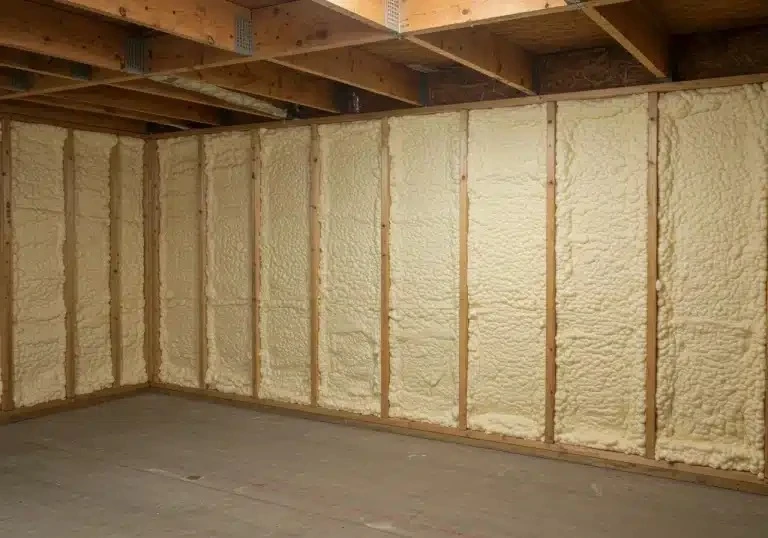

In Fresno, achieving consistent indoor comfort throughout the year is a constant battle against the climate. The intense summer sun and surprisingly cold winter nights put a heavy strain on heating and cooling systems. A proper insulation in Fresno, CA is the single most effective tool for managing these extremes. Its primary role is to create a continuous thermal barrier that slows the movement of heat, keeping the scorching summer heat out and the valuable warmth in during winter. This separation from the outside elements directly leads to more stable indoor temperatures, reduced drafts, and a significant drop in the workload of HVAC systems, making a home more comfortable every day of the year.
To understand why it's so effective, it helps to look at how insulation moderates a home's climate, what other factors contribute to comfort, and what homeowners should know before an upgrade. The information here is based on real-world applications and reflects years of experience addressing the specific climate challenges of California's Central Valley.
How Insulation Manages Fresno's Intense Summer Heat
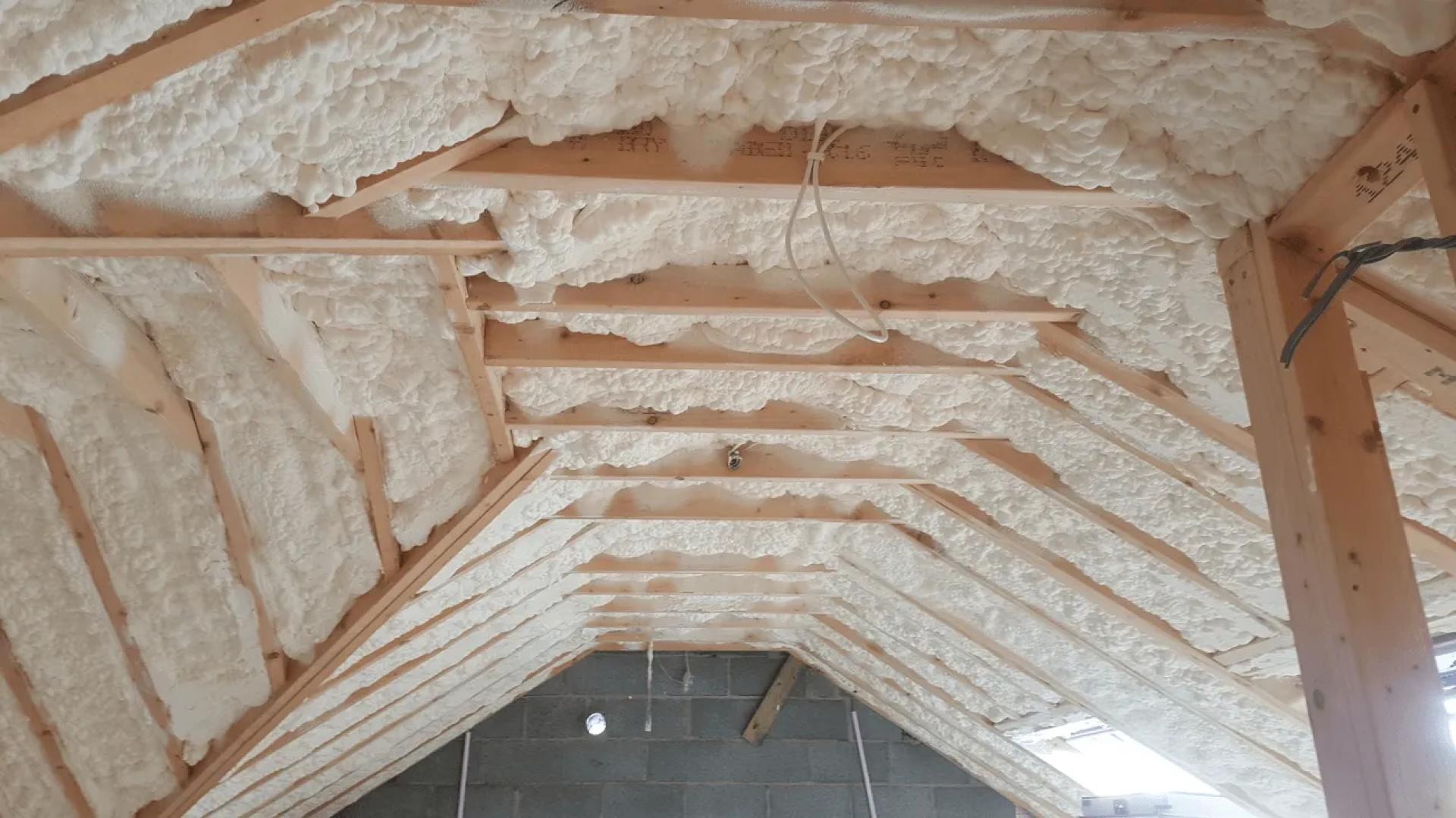
Summer in Fresno means relentless heat. When a home is under-insulated, especially in the attic, it absorbs a massive amount of solar energy. An attic can easily reach temperatures of 150°F or higher on a sunny afternoon. This heat then radiates down through the ceilings and into the living spaces, making the air conditioner run constantly just to keep up.
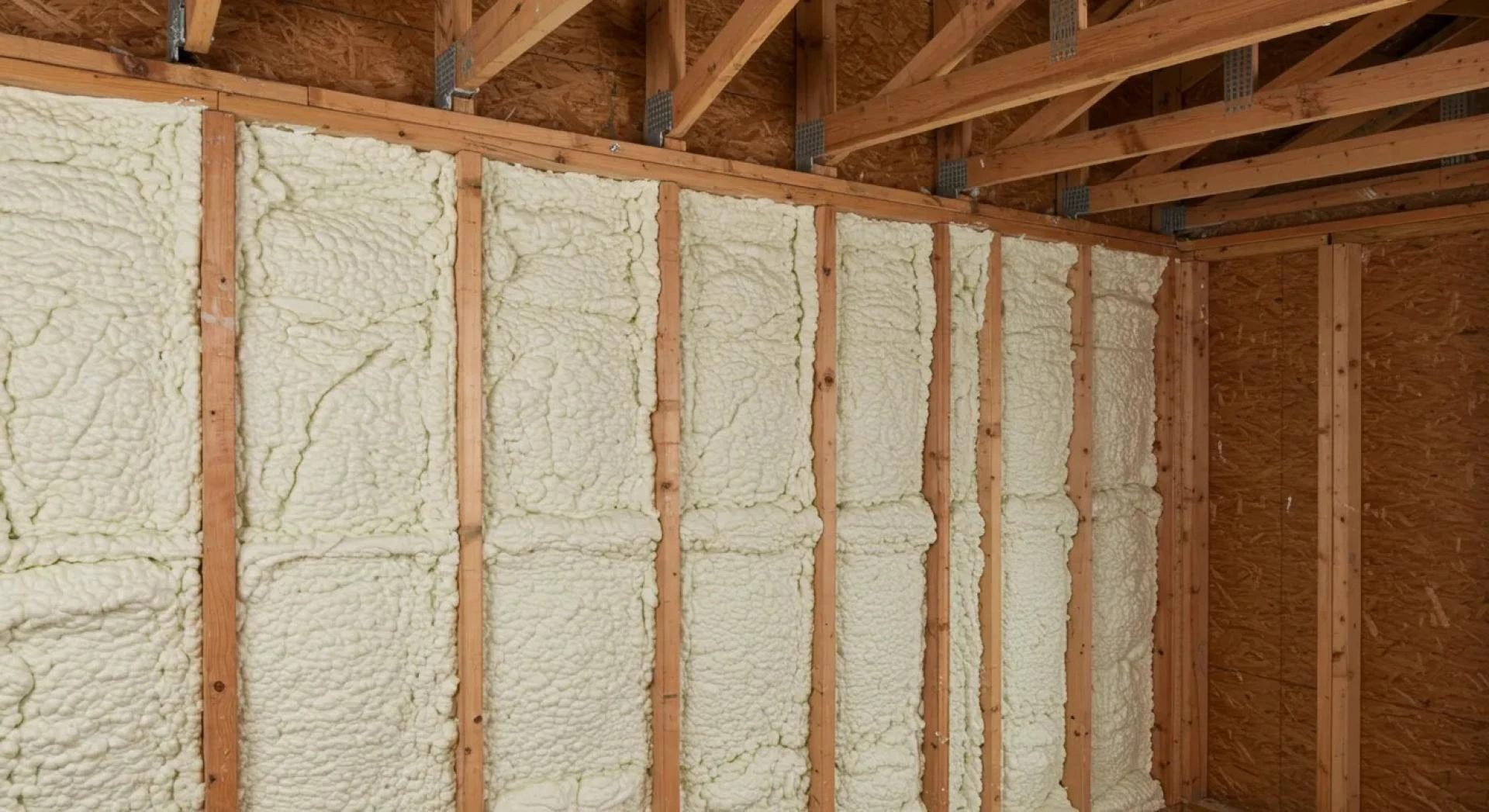
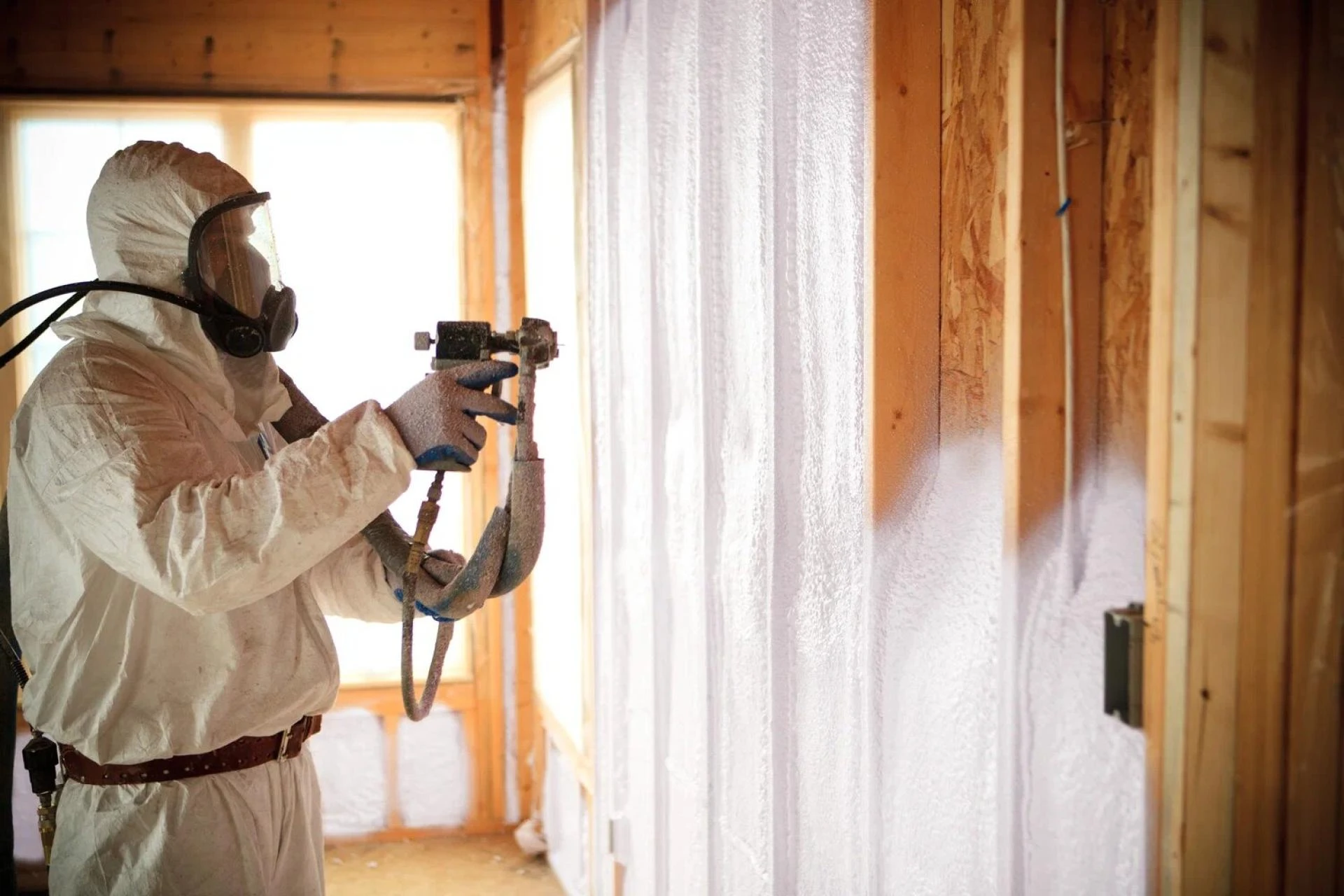
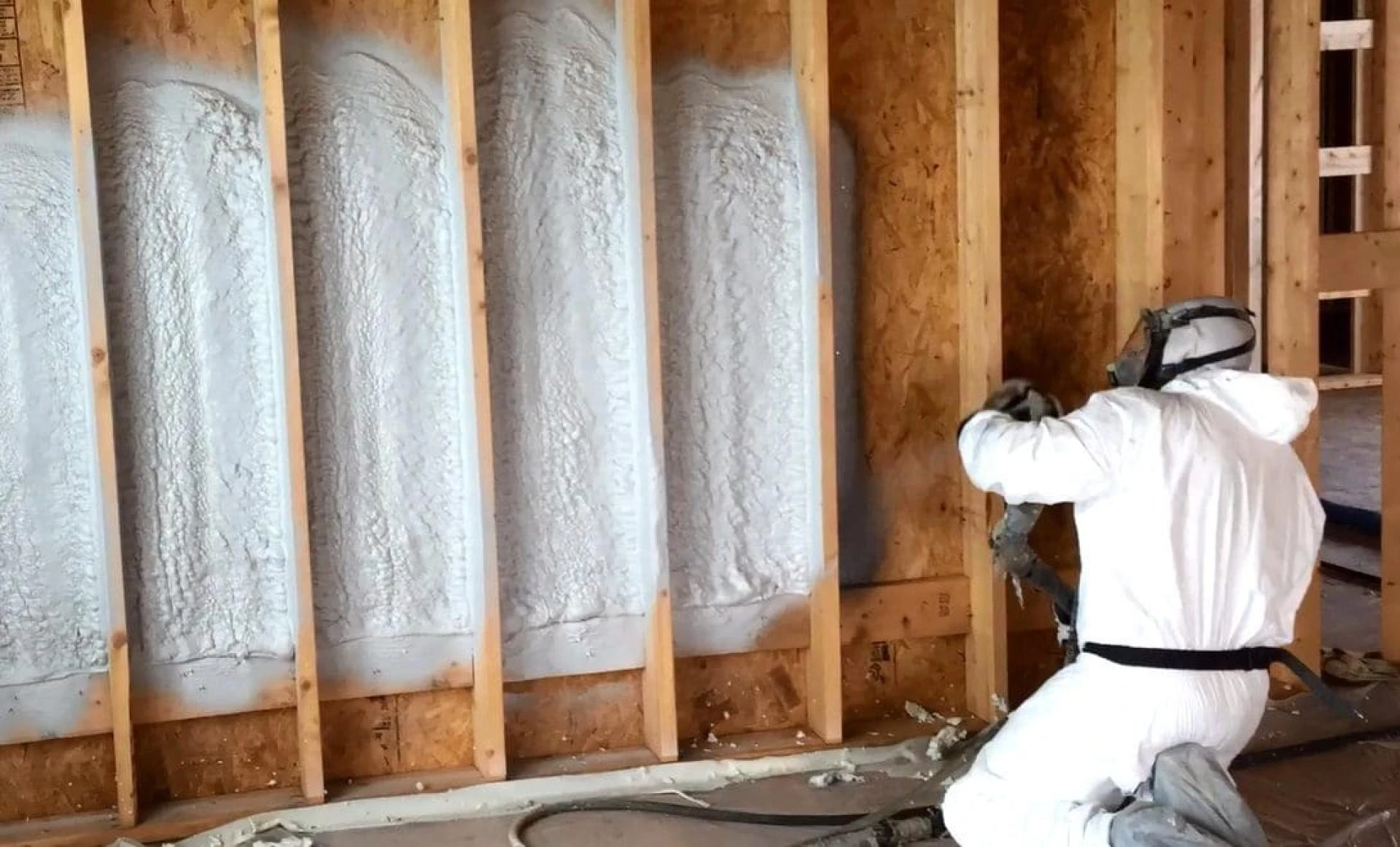
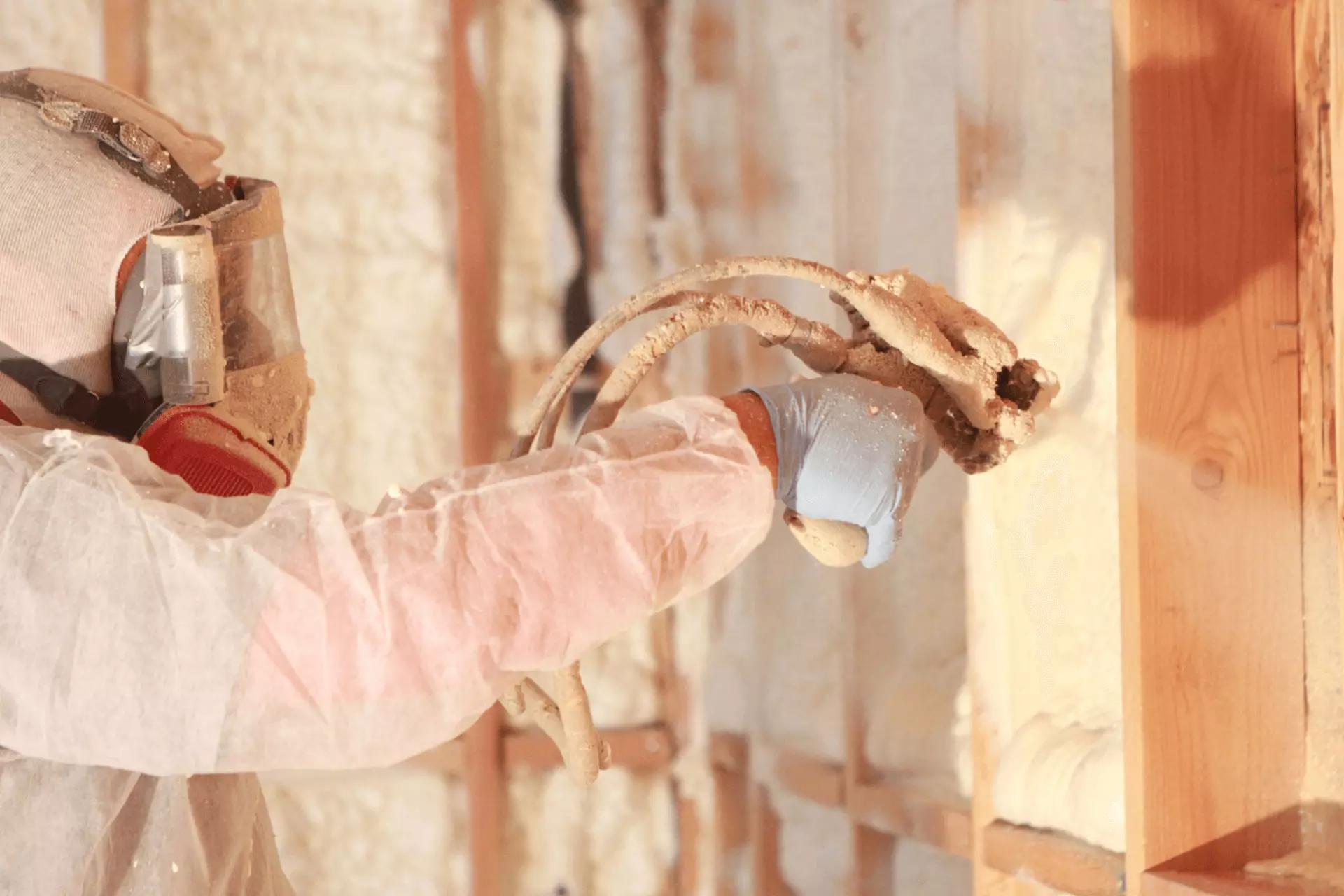
Effective insulation, particularly materials that also seal air leaks like spray foam, tackles this problem in a few key ways:
- Slowing Heat Transfer: The R-value of insulation measures its resistance to heat flow. A well-insulated attic and walls dramatically slow the rate at which outside heat can penetrate the home.
- Preventing Radiant Heat Gain: By keeping the attic itself cooler, insulation reduces the amount of radiant heat that beams down onto you and your furniture from the ceiling. This is a big part of what makes a room feel hot, even if the air temperature is controlled.
- Reducing the Cooling Load: When less heat gets into the house, the air conditioner doesn't have to cycle on as often or run for as long. This not only improves comfort but also extends the life of the HVAC equipment.
For even greater effect, a radiant barrier on the underside of the roof deck can reflect up to 97% of solar radiation. This works in tandem with insulation to keep the attic significantly cooler, further boosting summer comfort.
Tackling Winter Chills and Uneven Temperatures
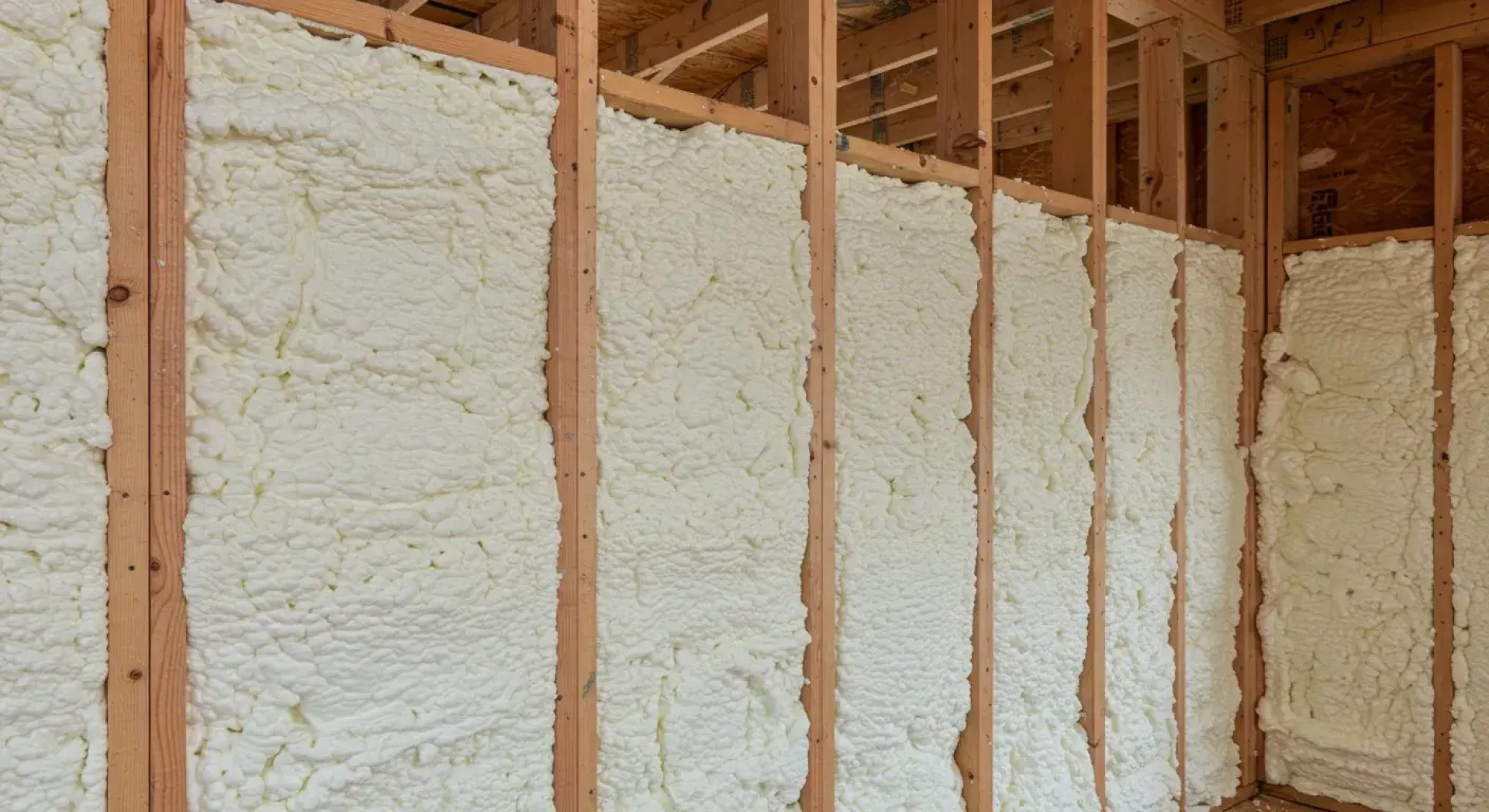
While Fresno's winters are mild, they bring their own comfort challenges. Cold drafts, chilly floors, and rooms that never seem to warm up are common complaints in poorly insulated homes. This is often caused by a combination of heat loss and air leakage.
Heat naturally moves from warmer to cooler areas. During winter, the warmth from your furnace is constantly trying to escape to the cold outdoors through the walls, windows, and ceiling. At the same time, cold outside air infiltrates the home through countless tiny gaps, a process known as the "stack effect," where warm air rises and escapes through the attic while cold air is pulled in at the lower levels.
Insulation helps by keeping the heat you paid for inside the house. Air-sealing insulation like spray foam is especially effective because it stops those cold drafts at their source, creating a much more even and stable indoor temperature. This means no more cold spots and less work for the furnace. But creating a stable temperature is only one part of achieving true home comfort.
Comfort Is More Than Just the Thermostat Reading
True home comfort involves more than just the temperature. It's also affected by humidity, noise levels, and air quality. Modern insulation can have a positive effect on all these areas.
Controlling Humidity
High humidity in the summer can make the air feel sticky and warmer than it actually is. Closed-cell spray foam acts as a vapor barrier, preventing moisture from the outside from entering the home through the walls or crawl space. This allows the air conditioner to dehumidify the air more effectively, leading to a much more comfortable indoor environment.
Reducing Outside Noise
A well-insulated home is a quieter home. Insulation materials, especially open-cell spray foam and dense-pack cellulose, are excellent at absorbing sound. They can significantly muffle noise from traffic, neighbors, and airplanes, creating a more peaceful living space.
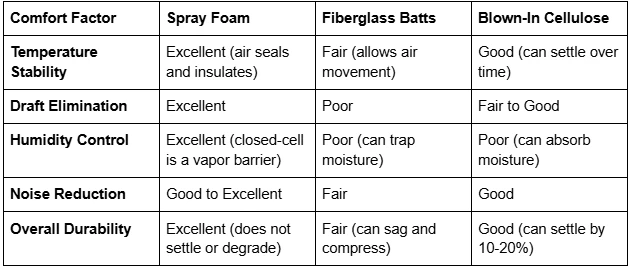
Insulation Performance on Comfort Metrics
Different insulation materials have different strengths when it comes to the various elements of home comfort. This table shows a general comparison.
Things to Consider Before Making a Decision
Upgrading insulation is a significant home improvement project. Before moving forward, homeowners should think through a few key points to ensure they make the best choice for their situation.
The Condition of the Existing Insulation
Is the current insulation old, compressed, or damaged by moisture or pests? In many cases, old and ineffective insulation should be removed before new material is installed. Simply topping it off may not address underlying issues like air leaks or mold. It's estimated that around 90% of U.S. homes lack sufficient insulation, so an assessment is almost always a good idea.
The Home's Age and Construction
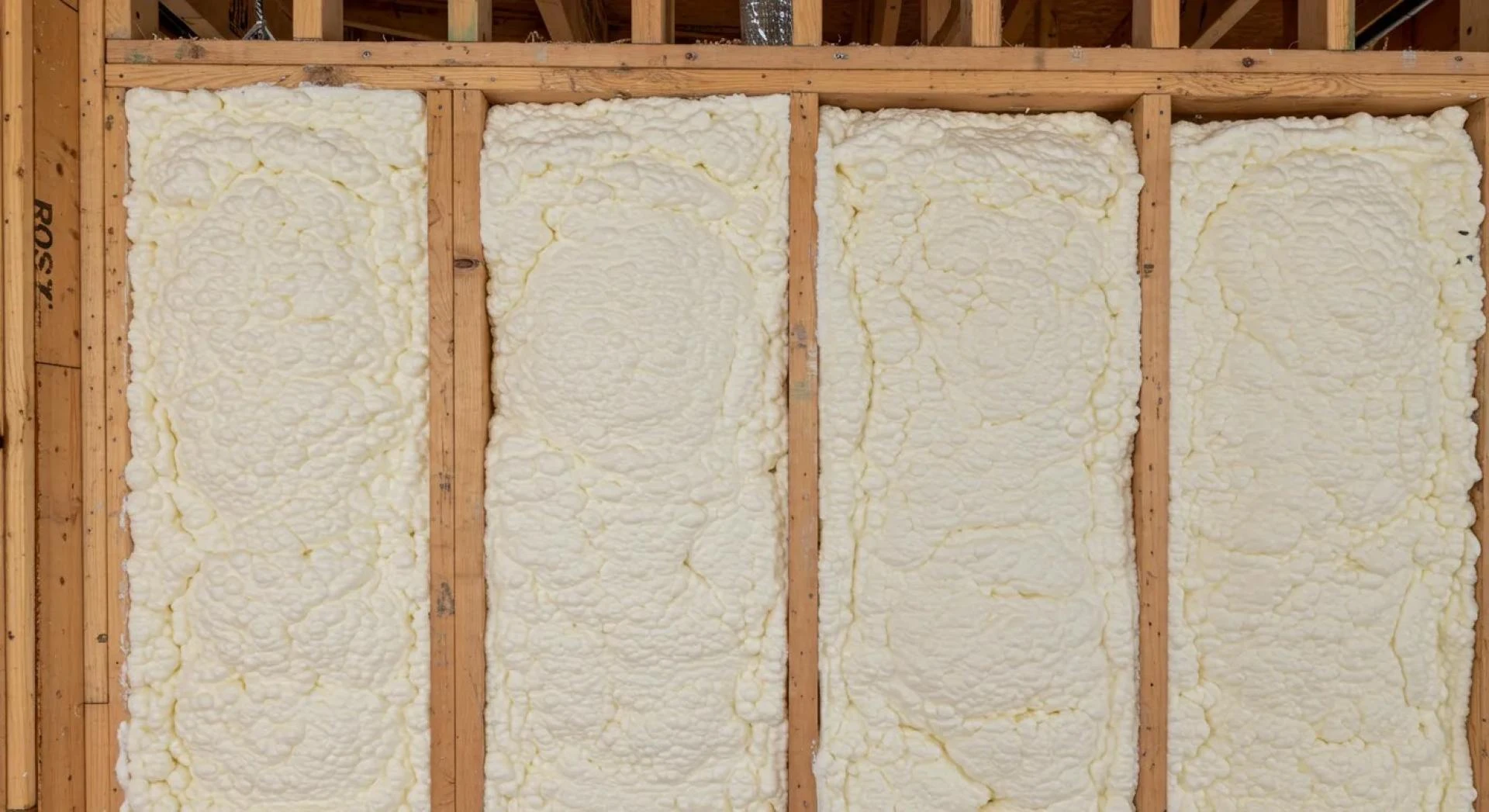
Older homes often have very little or no insulation in the walls and are typically much leakier than modern homes. The type of construction will also influence the best approach. For example, retrofitting insulation into existing walls requires a different technique ("drill and fill") than insulating an open attic.
Budget and Long-Term Goals
Spray foam insulation has a higher upfront cost but often provides the best long-term performance and energy savings. Fiberglass and cellulose are more budget-friendly options that still offer a good improvement over no insulation. Homeowners should weigh the initial investment against their long-term goals for comfort, energy efficiency, and home durability. To get the clearest picture of a home's needs, it’s always a good idea to start with a professional energy assessment, where an expert can use tools like a blower door test to pinpoint the exact sources of air leakage and heat loss.
Questions People Ask About Home Insulation
Will new insulation make my house feel stuffy?
When a home is properly air-sealed with insulation, it can reduce natural air exchange. That's why it's important to ensure the home has adequate mechanical ventilation, such as bathroom exhaust fans or a whole-house ventilation system, to maintain fresh air without sacrificing efficiency.
Can I just add more insulation on top of my old insulation?
Sometimes, yes. If the existing insulation is in good condition (not wet, moldy, or compressed), you can often add more on top of it to increase the total R-value. However, this won't solve air leakage problems. It's best to have a professional evaluate the situation.
Where is insulation most important in a house?
For most homes, the attic is the single most important place to insulate. This is because heat rises, and a poorly insulated attic is the biggest source of heat loss in the winter and heat gain in the summer. Walls and crawl spaces are also important.
What is an R-value?
R-value is a measure of thermal resistance. The higher the R-value, the better the material is at resisting the flow of heat. Different materials have different R-values per inch of thickness, and building codes specify minimum R-values for different parts of a home based on the local climate.
How long does insulation last?
The lifespan varies by material. Spray foam is inert and can last for the life of the building (80+ years). Cellulose can last 20-30 years before settling might reduce its effectiveness. Fiberglass can last 15-25 years before it might begin to sag or degrade.
A Foundation for a Comfortable Home
In Fresno, insulation is the foundation of year-round home comfort. It's the unseen feature that works every minute of every day to keep a home cool in the summer, warm in the winter, and quieter and healthier all the time. By creating a stable indoor environment, it allows heating and cooling systems to work more efficiently and effectively. Upgrading insulation is one of the few home improvement projects that delivers tangible benefits every day, and the process often starts with understanding where a home's weaknesses are.
Getting a Professional Insulation Assessment
A professional insulation contractor can provide a thorough inspection and recommend the best solutions for a specific property. For those in the Fresno area, a company like Supreme Spray Foam – Fresno can offer a detailed evaluation. Their team is equipped to identify problem areas and suggest effective upgrades. Homeowners can get in touch with them for a consultation by calling (559) 545-0800 or sending an email to [email protected].
Reviewer: Emma Robinson contributed her knowledge from 8 years working with the spray foam industry. Her review helped shape this content with ideas grounded in what contractors and homeowners actually value.



























Sign in to leave a comment.