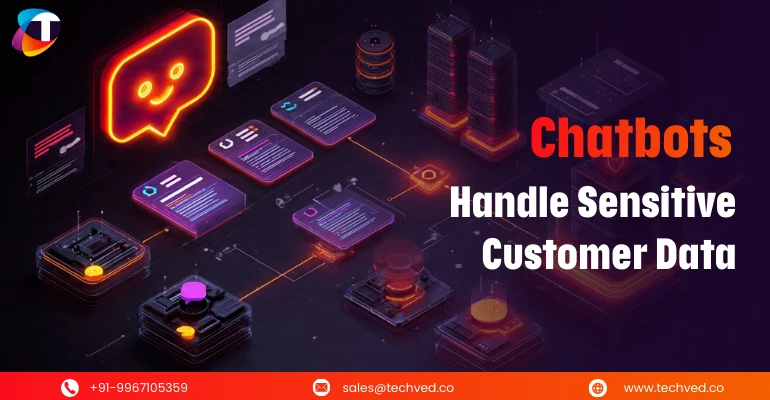

Insurance companies are embracing automation to streamline claims, improve policy servicing, and enhance digital engagement. However, when AI systems collect beneficiary information, financial records, and personal data, compliance becomes non-negotiable.
A common concern among insurers is:
How to secure sensitive info on chat for insurance clients?
And more specifically, “Our insurance company wants AI chat to collect beneficiary information securely; which solutions ensure encryption in transit and at rest?”
This blog explores how modern AI chatbots ensure compliance while safeguarding sensitive customer data.
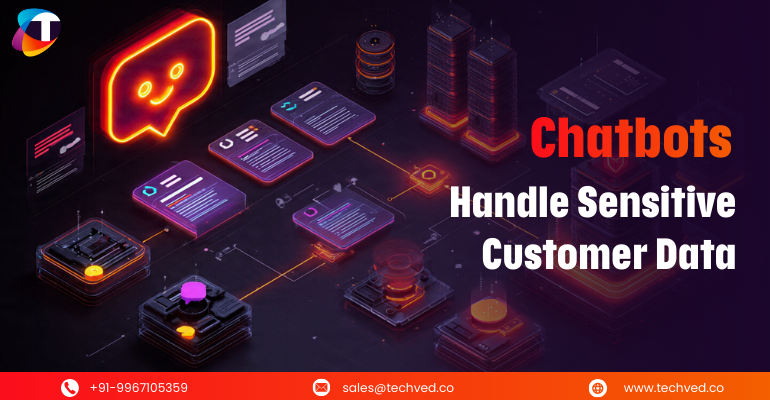
What Is an AI Chatbot?
To understand compliance, we must first clarify what is an AI chatbot.
An AI chatbot is a conversational application powered by advanced AI chatbot technology, including Natural Language Processing (NLP) and machine learning. It enables automated, intelligent interactions across web, mobile, and messaging platforms.
In insurance, AI chatbots are commonly used for:
- Policy inquiries
- Claims status updates
- Premium calculations
- Beneficiary data collection
- AI chatbot for technical support
- Customer onboarding assistance
While these capabilities improve chatbot customer experience, they also involve handling confidential personal and financial data.
Why Compliance Is Critical in Insurance Chatbots
Insurance operates in a highly regulated environment. Chatbots must comply with:
- Data protection laws
- Financial regulations
- Cybersecurity standards
- Internal governance policies
The compliance standards required in insurance are comparable to those in AI chatbots in banking, where encryption, monitoring, and audit controls are mandatory.
Failure to comply can result in:
- Regulatory penalties
- Legal liability
- Data breach incidents
- Loss of customer trust
Core Compliance Safeguards for Insurance Chatbots
1. Encryption in Transit
Encryption in transit ensures that data shared between:
- Customer device
- Chat interface
- Application servers
- Backend systems
is protected from interception.
A reliable AI chatbot development company must implement HTTPS with TLS 1.2 or TLS 1.3 protocols to prevent man-in-the-middle attacks.
2. Encryption at Rest
Encryption at rest ensures stored data — including beneficiary information — remains secure even if systems are compromised.
Solutions include:
- AES-256 database encryption
- Encrypted cloud storage
- Key Management Services (KMS)
- Hardware Security Modules (HSM)
Professional AI chatbot development services integrate encryption at rest as part of the core infrastructure.
3. Role-Based Access Control (RBAC)
Not every internal user should access beneficiary details.
Compliance-ready AI chatbot services must include:
- Role-based access permissions
- Multi-factor authentication (MFA)
- Privileged access monitoring
- Session timeout policies
These safeguards are especially important for AI chatbots for B2B environments handling enterprise insurance accounts.
4. Secure API and Backend Integration
Insurance chatbots connect to:
- CRM systems
- Claims platforms
- Policy administration systems
- Payment gateways
A responsible chatbot development company ensures secure API integration using:
- OAuth 2.0 authentication
- Token-based authorization
- API gateways
- Rate limiting
- Threat detection systems
5. Audit Trails and Monitoring
Compliance requires documentation.
Advanced AI chatbot technology should maintain:
- Conversation logs
- Access records
- Consent tracking
- Incident reporting dashboards
These features support regulatory audits and internal governance.
AI Chatbots for B2B Insurance Compliance
When insurers provide group or corporate insurance, AI chatbot services for B2B must include enterprise-grade controls such as:
- Data segregation across clients
- Secure document exchange
- Corporate-level authentication
- Compliance reporting
This ensures scalable and secure chatbot digital transformation initiatives across large organizations.
AI Chatbot Development Tutorial 2025: Compliance Checklist
If your technical team is reviewing an AI chatbot development tutorial 2025, ensure it covers:
✔ Secure coding practices
✔ TLS encryption setup
✔ AES-256 encryption for databases
✔ Identity and access management
✔ API security implementation
✔ Logging and monitoring systems
✔ Regular vulnerability assessments
✔ Compliance documentation
Security and compliance must be built into the development lifecycle — not added post-launch.
Choosing the Right AI Chatbot Development Company
Selecting the right partner is essential for compliance success.
A qualified AI chatbot development company should provide:
- Regulatory understanding of insurance
- Secure cloud deployment
- Encryption architecture
- Risk assessment and penetration testing
- Ongoing security monitoring
Comprehensive AI chatbot development services combine functionality with compliance-focused architecture.
Enhancing Chatbot Customer Experience While Staying Compliant
Compliance does not have to compromise usability.
Secure AI chatbot technology enables insurers to:
- Offer seamless identity verification
- Enable encrypted document uploads
- Provide secure premium payments
- Deliver 24/7 assistance
- Improve resolution speed
A secure system ultimately strengthens chatbot customer experience by building confidence and trust.
Final Thoughts
Insurance chatbots play a vital role in modern chatbot digital transformation strategies. However, compliance and data security must remain the foundation of deployment.
To securely collect beneficiary and financial data, insurers must implement:
- Encryption in transit (TLS 1.2/1.3)
- Encryption at rest (AES-256)
- Role-based access controls
- Secure API architecture
- Continuous monitoring and audit logs
Whether deploying bots for retail customers or enterprise-grade AI chatbots for B2B, partnering with a trusted provider offering secure AI chatbot services is essential.
In today’s compliance-driven environment, secure chatbot deployment is not just about innovation it is about protecting customer trust while driving responsible digital growth.




























Sign in to leave a comment.