
Endometriosis is a chronic gynecological condition that affects millions of women worldwide, often leading to pain, infertility, and a significant reduction in quality of life. It occurs when tissue similar to the endometrium (the lining inside the uterus) grows outside the uterine cavity, causing inflammation, scarring, and adhesions. Diagnosing and treating endometriosis can be challenging due to its complex nature and the wide range of symptoms it can cause. This blog explores how endometriosis is diagnosed, the role of imaging and surgical evaluation, and the various surgical treatment options available.
Understanding Endometriosis
Before delving into the diagnostic and surgical aspects, it’s important to understand what endometriosis entails. The misplaced endometrial-like tissue continues to act as it normally would—it thickens, breaks down, and bleeds with each menstrual cycle. However, because this tissue has no way to exit the body, it becomes trapped, leading to inflammation and scar tissue formation.
Common sites of endometrial implants include the ovaries, fallopian tubes, outer surfaces of the uterus, pelvic lining, and sometimes organs like the bladder or intestines. In severe cases, endometriosis can spread beyond the pelvic region.
Symptoms of Endometriosis
The symptoms of endometriosis can vary from mild to severe, and in some cases, women may remain asymptomatic for years. Common symptoms include:
- Pelvic pain: Especially during menstruation (dysmenorrhea)
- Pain during intercourse (dyspareunia)
- Pain with bowel movements or urination
- Heavy menstrual bleeding or spotting between periods
- Infertility
- Fatigue, bloating, and gastrointestinal issues
Since these symptoms overlap with other conditions like pelvic inflammatory disease or ovarian cysts, diagnosis requires careful evaluation by a Top Gynecologist Doctor in Aligarh.
Diagnosis of Endometriosis
Diagnosing endometriosis is often a stepwise process involving a combination of medical history, physical examination, imaging, and sometimes surgical evaluation.
1. Detailed Medical History and Symptom Assessment
The first step involves discussing the patient’s symptoms, menstrual patterns, and any family history of endometriosis. The gynecologist may ask about pain patterns, infertility issues, and the severity of menstrual discomfort to identify possible indicators of the disease.
2. Pelvic Examination
A pelvic exam helps the doctor feel for abnormalities, such as cysts or scars behind the uterus. Although a physical exam alone cannot confirm endometriosis, it helps rule out other pelvic disorders.
3. Imaging Tests
- Ultrasound: A transvaginal or abdominal ultrasound can detect ovarian endometriomas (endometriosis-related cysts), but it may not identify smaller lesions elsewhere in the pelvis.
- MRI (Magnetic Resonance Imaging): MRI provides a more detailed view of pelvic organs and can help in mapping endometriotic implants before surgery.
While these imaging tools are helpful, laparoscopy remains the gold standard for definitive diagnosis.
Laparoscopy: The Gold Standard Diagnostic Tool
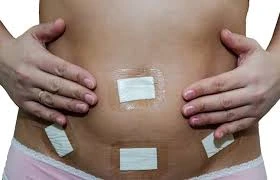
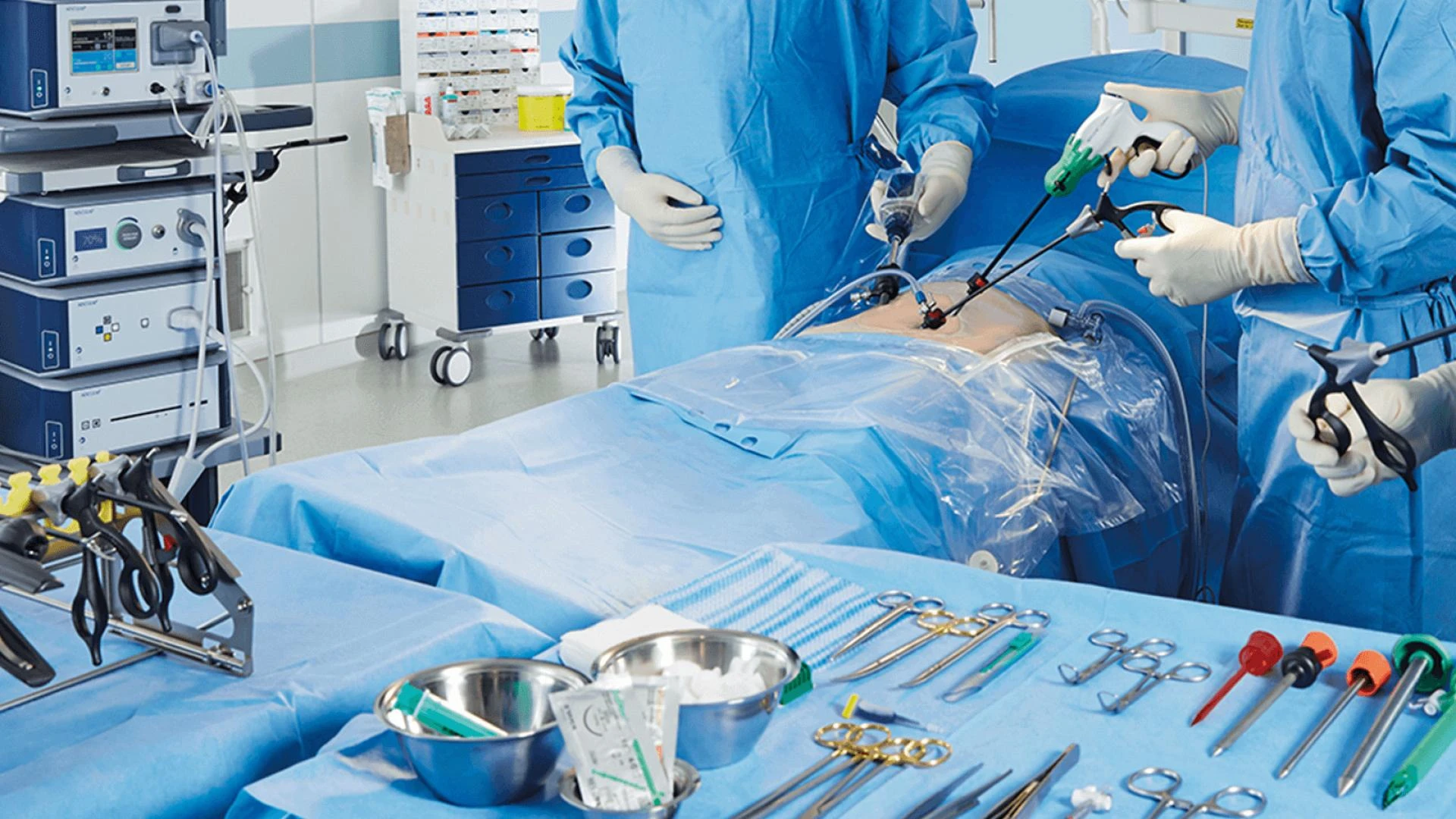
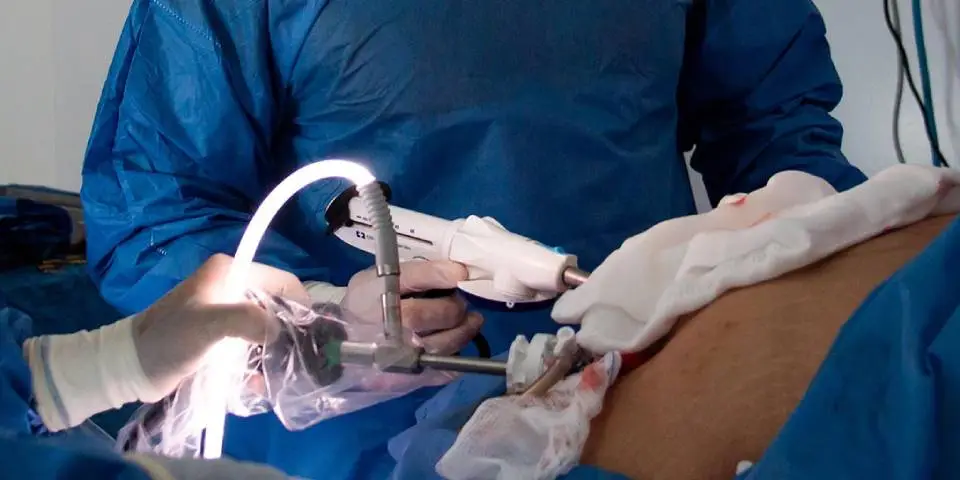
A diagnostic laparoscopy is a minimally invasive surgical procedure performed under general anesthesia. A small incision is made near the navel, and a laparoscope (a thin tube with a camera) is inserted to visualize the pelvic organs.
During laparoscopy, the surgeon can:
- Identify the location, extent, and depth of endometriotic lesions
- Assess adhesions (scar tissue connecting organs abnormally)
- Take biopsies for histological confirmation
This direct visualization allows for accurate diagnosis and staging of endometriosis, which is crucial for planning treatment.
Surgical Treatment of Endometriosis
While medications such as hormonal therapy and pain relievers can manage symptoms, surgery is often the most effective option for women with severe pain, infertility, or advanced disease. Surgical intervention aims to remove or destroy endometriotic lesions and restore normal anatomy.
1. Laparoscopic Surgery (Conservative Surgery)
Laparoscopy is the preferred approach for treating endometriosis surgically. It is minimally invasive, causes less postoperative pain, and ensures quicker recovery.
During laparoscopic surgery, the surgeon uses small instruments to:
- Excise (cut out) or ablate (burn) endometrial implants
- Remove cysts (such as ovarian endometriomas)
- Release adhesions that may be distorting pelvic organs
The goal is to preserve reproductive organs whenever possible, especially for women who wish to conceive. A skilled Expert General Surgeon Doctor in Aligarh or gynecologic laparoscopic specialist can perform this procedure with high precision.
2. Laparotomy (Open Surgery)
In rare and severe cases—where disease is extensive and involves multiple organs—a larger abdominal incision may be necessary. Although this method allows better access for complex cases, it involves longer recovery and more postoperative discomfort.
3. Hysterectomy (Definitive Surgery)
For women who do not desire future fertility and have not responded to other treatments, a hysterectomy (removal of the uterus) with or without removal of ovaries may be considered. However, this is usually the last resort because it leads to permanent loss of reproductive capability and may not guarantee complete symptom relief if endometrial tissue remains elsewhere.
Advanced Surgical Techniques
Modern advancements in surgical technology have revolutionized how endometriosis is treated:
- Robotic-assisted laparoscopy: Offers enhanced precision and control, especially in complex pelvic surgeries.
- Laser ablation and plasma energy: These allow targeted removal of lesions with minimal damage to surrounding tissue.
- Adhesion prevention barriers: Used to reduce the likelihood of scar tissue reformation post-surgery.
Collaboration between multidisciplinary specialists, including gynecologists, colorectal surgeons, and urologists, ensures optimal management when the disease involves multiple organs.
Postoperative Care and Recovery
After surgery, recovery time depends on the extent of the procedure. Most patients resume normal activities within one to two weeks after laparoscopic surgery. Postoperative management often includes:
- Pain management with prescribed medications
- Hormonal therapy to suppress further endometrial growth
- Lifestyle changes such as a balanced diet, exercise, and stress management
Follow-up visits are crucial to monitor healing and address any recurrence of symptoms. Regular check-ups with a Top Gynecologist Doctor in Aligarh help ensure long-term health and prevent complications.
Fertility and Endometriosis
One of the most distressing complications of endometriosis is infertility. Surgical removal of lesions and adhesions can significantly improve fertility outcomes by restoring normal anatomy and function of reproductive organs. In some cases, assisted reproductive techniques like IVF (In Vitro Fertilization) may be recommended for women who continue to struggle with conception post-surgery.
Living with Endometriosis: A Holistic Approach
Endometriosis is a lifelong condition that often requires ongoing management. A multidisciplinary approach—including medical treatment, surgery, and lifestyle modifications—can help women lead fulfilling lives despite the condition. Complementary therapies such as physical therapy, acupuncture, and mindfulness may also help manage chronic pain and stress.
If you or someone you know is struggling with symptoms of endometriosis, seeking timely medical care is essential.

























Sign in to leave a comment.