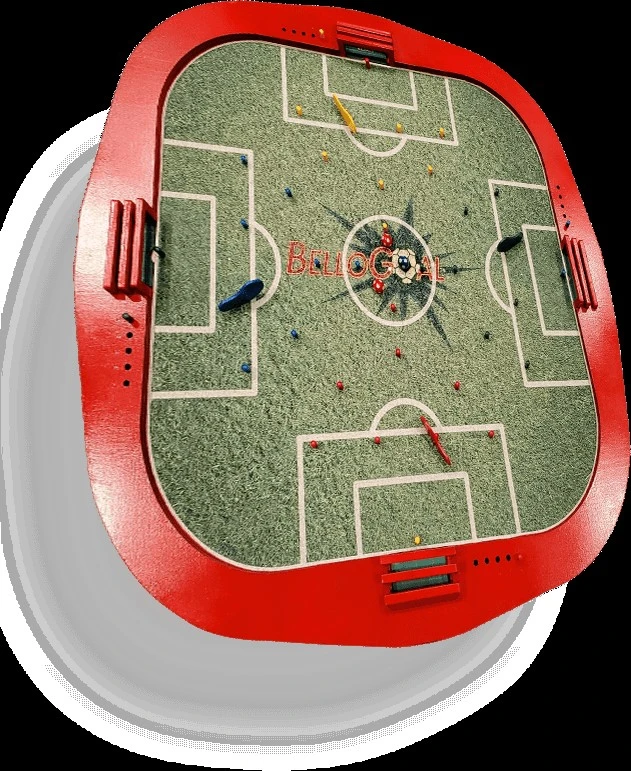

In recent years, light exercise board games have gained popularity in therapy and rehabilitation centers. These games blend physical activity with cognitive engagement, making them an effective tool for patients recovering from injuries, surgeries, or neurological conditions. Designed to encourage movement without strain, they help individuals regain mobility, coordination, and confidence.
The Role of Board Games in Therapy
Therapy is often associated with structured exercises and rehabilitation programs. However, integrating board games for therapy centers provides a more engaging approach to recovery. Patients who might otherwise feel discouraged by repetitive exercises can enjoy therapy in a more relaxed and enjoyable setting.
Board games designed for therapy encourage movement in a way that feels natural. Whether rolling dice, stretching to reach game pieces, or engaging in guided physical tasks, patients benefit from the low-impact activity while stimulating cognitive functions. This dual engagement helps improve motor skills, problem-solving abilities, and social interaction—all crucial elements in the healing process.
How Light Exercise Board Games Enhance Physical Recovery
1. Improving Motor Skills
Recovering from a stroke, injury, or surgery often involves relearning fine and gross motor skills. Light exercise board games require players to perform controlled movements, such as grasping small objects, rotating the wrist, or maintaining balance. These seemingly simple actions help rebuild strength and coordination over time.
2. Encouraging Gentle Movement
Many patients in therapy need to engage in physical activity but may struggle with traditional exercises. Board games for therapy centers offer a solution by incorporating gentle movements into gameplay. Activities such as rolling a ball, flipping cards, or stretching toward a game piece can help patients stay active without overexerting themselves.
3. Supporting Balance and Coordination
Games that involve reaching, standing, or shifting weight from one foot to another aid in balance training. This is particularly beneficial for elderly patients or individuals recovering from orthopedic surgeries. Since these movements are done in a controlled and enjoyable manner, patients are more likely to participate consistently.
4. Reducing Pain and Stiffness
Patients with arthritis or chronic pain conditions often avoid movement due to discomfort. However, engaging in light exercise board games helps keep joints active in a low-impact way. Gentle hand and arm movements promote circulation, reduce stiffness, and prevent muscle atrophy.
Psychological and Emotional Benefits of Exercise Board Games
Therapy is not only about physical recovery; mental and emotional well-being play a crucial role. Board games for therapy centers provide a sense of achievement, motivation, and social engagement, which can significantly impact a patient’s overall recovery process.
1. Enhancing Cognitive Function
Many light exercise board games incorporate elements of strategy, memory, and decision-making. For patients recovering from neurological conditions such as stroke, dementia, or traumatic brain injuries, these cognitive challenges help strengthen neural pathways and improve mental clarity.
2. Reducing Anxiety and Depression
The process of rehabilitation can be overwhelming and isolating. Engaging in board games for therapy centers allows patients to interact with others, creating a supportive and positive environment. The fun and lighthearted nature of these games can alleviate stress and boost mood, making therapy sessions more enjoyable.
3. Boosting Social Interaction
Many patients in recovery face social isolation due to mobility limitations or medical conditions. Playing board games encourages interaction, teamwork, and communication. Whether in a group therapy session or a one-on-one setting, these games help build connections and emotional support among participants.
Popular Light Exercise Board Games for Therapy
1. Twister for Gentle Flexibility Training
A modified version of the classic Twister game can be used in therapy settings to encourage gentle stretching and flexibility. Therapists often adapt the rules to suit patients' mobility levels, ensuring safe and controlled movements.
2. Jenga with Physical Challenges
By adding a physical component—such as stretching to pick up blocks or using the non-dominant hand—Jenga becomes a tool for improving hand-eye coordination, dexterity, and balance.
3. Bean Bag Toss for Arm Strength
This simple yet effective game helps patients develop arm strength, coordination, and accuracy. Adjusting the target distance allows for gradual progress, making it ideal for various recovery stages.
4. Giant Dice Games for Controlled Movement
Large, soft dice games encourage gentle arm movements while incorporating elements of chance and strategy. Patients engage in rolling the dice and performing light exercises based on the outcome.
5. Balance Board Games for Stability Training
Board games that incorporate balance elements, such as stepping on a platform or shifting weight to different sections, are beneficial for individuals recovering from lower-body injuries or neurological conditions.
Incorporating Exercise Board Games into Therapy Programs
Therapists and caregivers can maximize the benefits of light exercise board games by incorporating them strategically into rehabilitation sessions. Here are a few best practices:
● Customization – Games should be tailored to the patient’s mobility level, ensuring movements remain safe and manageable.
● Supervision – A therapist or caregiver should oversee gameplay to prevent strain or injury.
● Progress Tracking – Adjusting game difficulty as patients improve helps maintain engagement and motivation.
● Encouragement – Creating a positive and supportive atmosphere increases participation and enjoyment.
Conclusion
Light exercise board games offer a unique and effective way to support therapy and recovery. Their ability to combine gentle physical movement with cognitive engagement makes them a valuable tool in rehabilitation programs. Whether improving motor skills, boosting emotional well-being, or encouraging social interaction, these games provide a well-rounded approach to healing. For therapy centers seeking innovative ways to enhance patient recovery, integrating board games for therapy centers can make a significant difference in patient outcomes.



























Sign in to leave a comment.