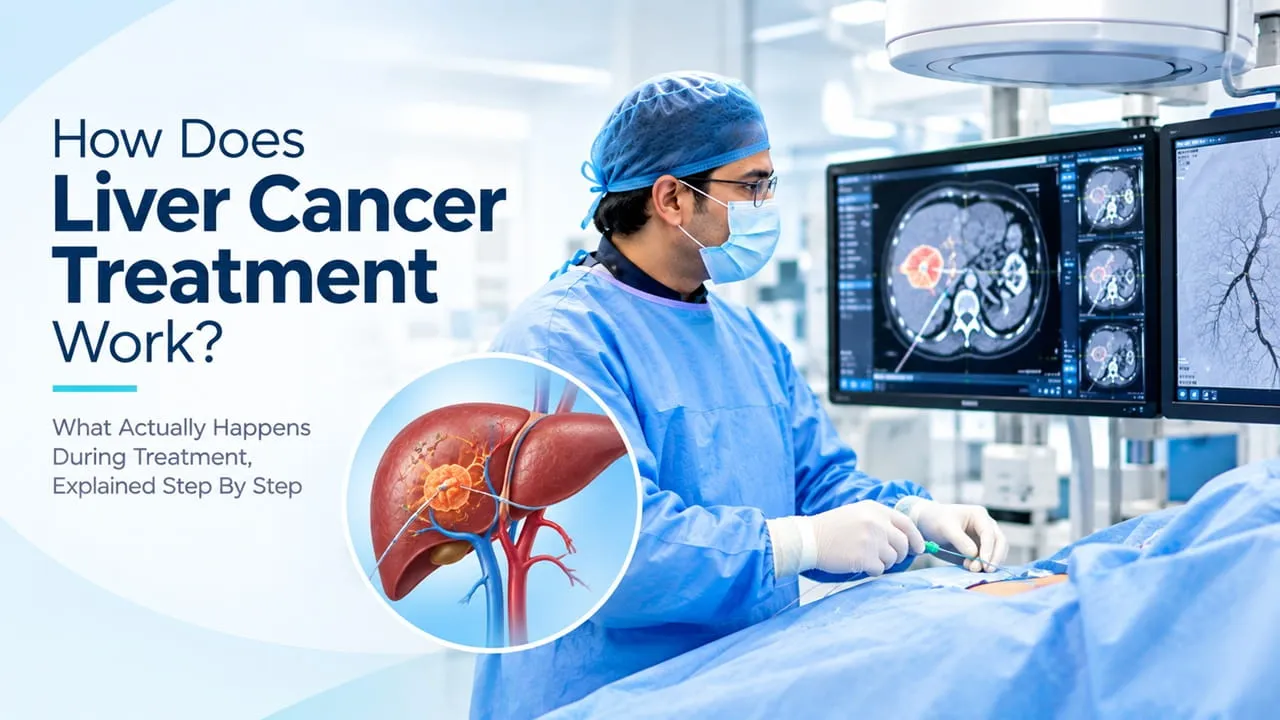

What Actually Happens During Treatment, Explained Step By Step
Patients are usually told which liver cancer treatment they need long before anyone explains how that treatment actually works. Understanding the mechanism, not just the name of the procedure, tends to make the whole process feel far less intimidating.
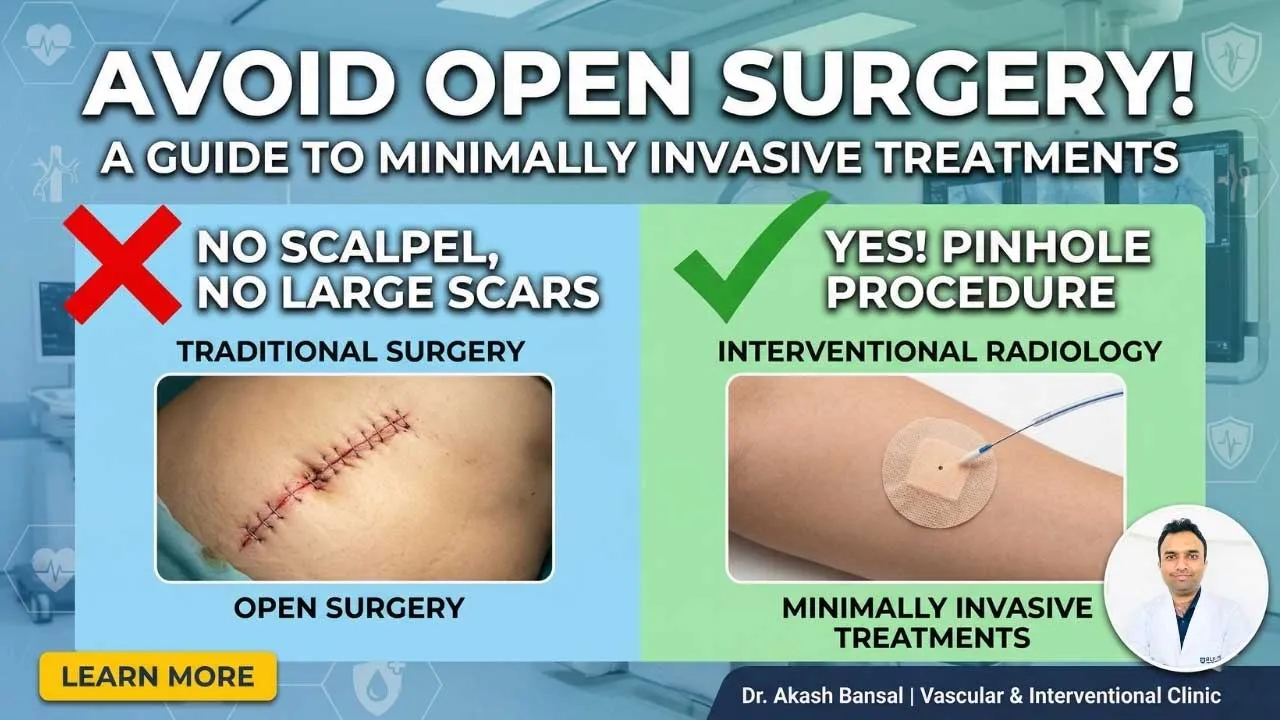
This guide walks through how the main liver cancer treatment options actually function, from the moment a plan is decided to what happens inside the body during liver tumor treatment itself. Much of this work falls under a field called interventional oncology, which focuses specifically on treating tumors through image-guided procedures rather than open surgery.
How Do Doctors Decide Which Liver Cancer Treatment Approach To Use?
Doctors decide which liver cancer treatment approach to use by evaluating the size, number, and location of tumors, along with how well the rest of the liver is functioning.
This decision typically happens through a multidisciplinary tumor board, where several specialists review the case together:
- A hepatologist or gastroenterologist evaluating overall liver function
- A surgical oncologist assessing whether removal or transplant is feasible
- An interventional oncologist evaluating image-guided treatment options
- A medical oncologist considering systemic drug therapy where relevant
This team-based approach exists because liver cancer treatment rarely comes down to a single obvious choice. The right approach depends on a genuinely complex combination of factors specific to each patient.
How Does Liver Tumor Ablation Actually Work Inside The Body?
Liver tumor ablation works by inserting a thin needle directly into the tumor, guided by real-time imaging, then using heat or extreme cold to destroy the cancer cells in place.
The process, step by step:
- Imaging, such as CT or ultrasound, is used to precisely locate the tumor
- A thin needle-like probe is guided directly into the tumor through the skin
- Energy, usually heat from radiofrequency or microwave sources, or extreme cold, is applied
- This destroys the targeted tissue while sparing as much surrounding healthy liver as possible
- The destroyed tissue is gradually reabsorbed by the body over the following weeks
This entire process typically happens under light sedation rather than general anesthesia, and many patients go home the same day or after a short overnight stay, depending on the specific case.
How Does Transarterial Chemoembolization Actually Function?
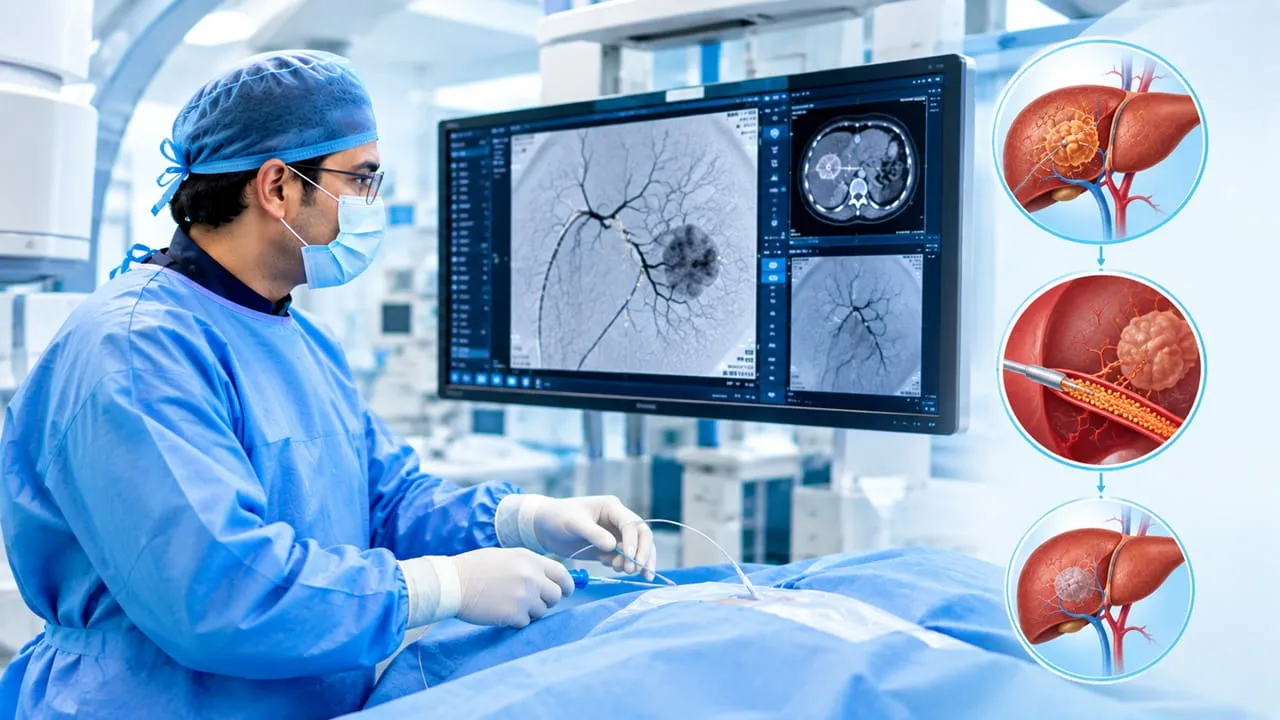
Transarterial chemoembolization, commonly called TACE, functions by threading a thin catheter through the blood vessels directly into the artery feeding the tumor, then delivering chemotherapy while blocking that blood supply.
Broken down into steps:
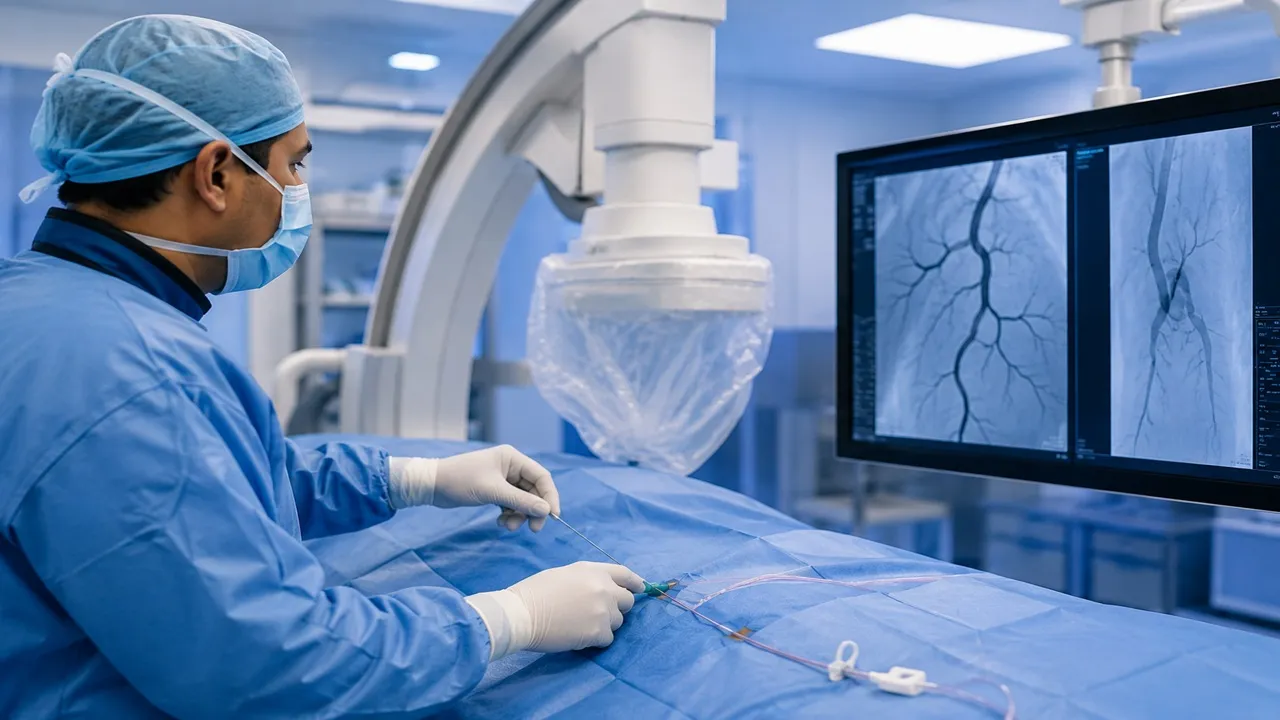
- A catheter is inserted, usually through a small opening near the groin or wrist
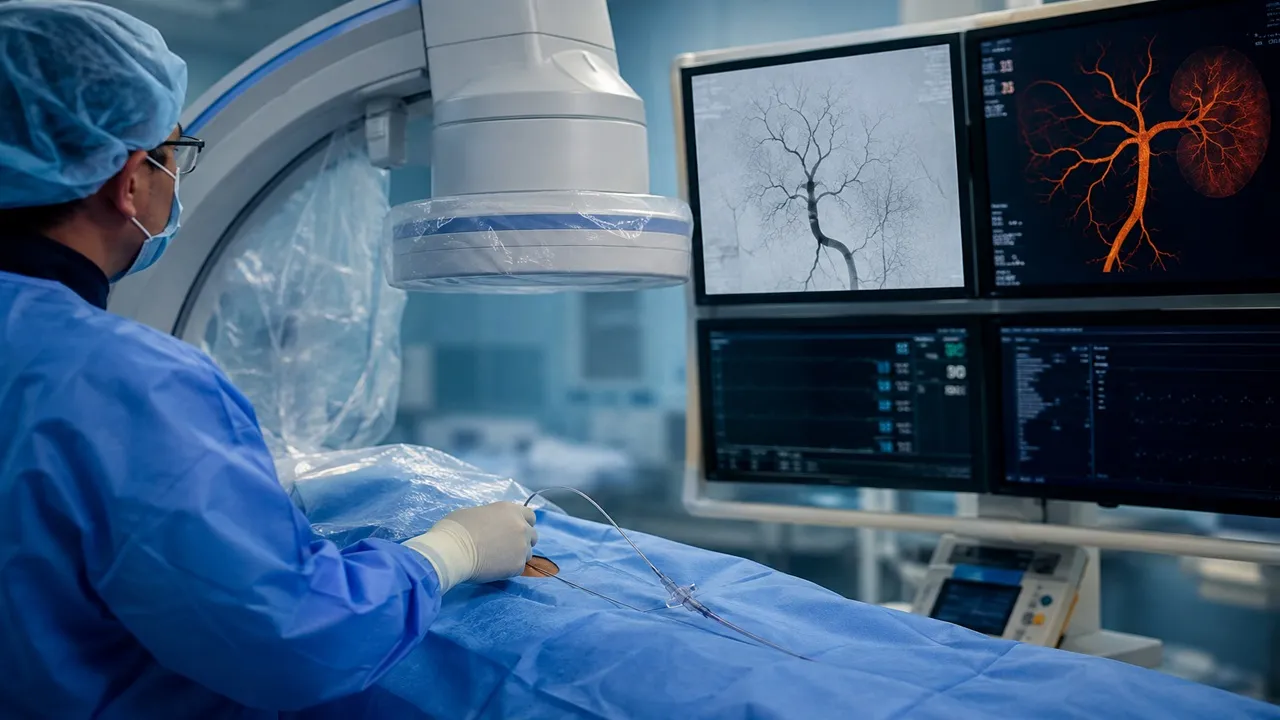
- Using live imaging, the catheter is carefully guided through the blood vessels to the artery supplying the tumor
- A chemotherapy agent is delivered directly at that location
- Small particles are then used to block the blood vessel, trapping the chemotherapy at the tumor site and cutting off its blood supply
This dual action, delivering treatment directly while also starving the tumor of blood flow, is what makes this approach more targeted than standard chemotherapy delivered throughout the whole body.
How Does Transarterial Radioembolization Work Differently From TACE?
Transarterial radioembolization, known as TARE, works differently from TACE by delivering tiny radioactive particles directly into the tumor’s blood supply, rather than chemotherapy combined with a physical blockage.
The process involves two separate stages:
- A mapping procedure first: doctors map the liver’s blood supply and test where particles would travel, to confirm they will not reach areas like the lungs
- The treatment procedure: tiny radioactive beads are then injected directly into the vessels feeding the tumor
These beads deliver a concentrated dose of radiation directly to the tumor over time, while affecting much less of the surrounding healthy tissue than radiation delivered from outside the body would.
How Does Liver Cancer Therapy Combine Multiple Treatment Types?
Liver cancer therapy combines multiple treatment types by using image-guided procedures alongside surgery or systemic drugs, sequenced deliberately based on how the cancer responds along the way.
Common combination approaches:
- Using TACE or TARE first to shrink a tumor, making surgical removal possible afterward
- Combining ablation with systemic drug therapy for more complete disease control
- Using image-guided treatment for a new or recurring tumor after previous surgery
- Adjusting the plan based on how imaging shows the tumor responding over time
This reflects how liver cancer treatment often actually works in practice: not as one single decision made once, but as an evolving plan reassessed regularly as new imaging and test results become available.
What Happens During Recovery After These Procedures?
Recovery after these procedures typically involves a short observation period, some mild discomfort, and follow-up imaging to confirm how well the treatment worked.
A general recovery pattern:
- A few hours of monitoring immediately after the procedure, sometimes extending to an overnight stay
- Mild pain, fatigue, or low-grade fever in the days following treatment, generally manageable with standard medication
- A follow-up imaging scan, usually within four to six weeks, to assess how the tumor responded
- A discussion with the care team about next steps, based on that follow-up imaging
Recovery is generally faster than after major open surgery, though every patient’s experience varies depending on overall health and the specific procedure performed.
How Do Doctors Know If The Treatment Actually Worked?
Doctors know if the treatment actually worked by comparing follow-up imaging scans against the original tumor size and characteristics, looking for signs of tissue death or shrinkage.
What follow-up assessment typically involves:
- Imaging scans, such as CT or MRI, performed several weeks after treatment
- Looking specifically for areas of dead tissue within the treated region
- Checking whether the tumor has shrunk, stayed stable, or shown any signs of continued growth
- Blood tests monitoring relevant markers, depending on the type of liver cancer
If imaging shows the treatment was not fully effective, doctors can often repeat the procedure or move to a different approach, since many of these image-guided treatments can be adjusted or repeated based on how the disease responds.
Final Thought
Understanding how liver cancer treatment actually works, step by step, tends to make an overwhelming diagnosis feel a little more manageable, even before treatment begins. Specialists like Dr. Akash Bansal generally take the time to walk patients through exactly this process, since a clear understanding of what is about to happen is often as valuable to a patient as the treatment itself.
Frequently Asked Questions
Q1. Is liver tumor ablation as effective as surgery?
For small, early-stage tumors in appropriate candidates, ablation can achieve results comparable to surgery, though the right choice depends on the specific case.
Q2. How many sessions of TACE or TARE are usually needed?
This varies by patient and tumor response, with some patients needing a single treatment and others requiring more than one session over time.
Q3. Is the mapping procedure before TARE painful?
It is generally well tolerated, similar to the treatment procedure itself, typically performed under local anesthesia with light sedation.
Q4. Can these treatments be repeated if a tumor returns?
In many cases, yes. Image-guided treatments can often be repeated for new or recurring tumors without ruling out other treatment options later.
Disclaimer
This article is for general educational purposes only and does not replace advice from a qualified oncology team. Every liver cancer case is different, and treatment decisions should always be made with your own doctors, based on your specific diagnosis.
























Sign in to leave a comment.