

Universities today are no longer limited to classrooms. Students want flexible learning—online, offline, or a mix of both. In 2026, hybrid and online learning are not just trends, they are essential. This is where an LMS for Universities plays a key role in delivering smooth and engaging learning experiences.
At the center of this transformation is the LMS for Universities, a powerful platform that enables seamless digital learning experiences. From managing virtual classrooms to supporting blended learning environments, modern LMS platforms are redefining how universities operate in a digitally connected world.

Key Takeaways
- Hybrid and online learning models are now essential for modern universities
- An LMS enables centralized course delivery, tracking, and engagement
- Universities can improve accessibility, scalability, and efficiency with the right LMS
- Choosing a feature-rich, integrated LMS is critical for long-term success
The Rise of Hybrid and Online Learning in Higher Education
Universities today are balancing multiple learning formats on campus, remote, and hybrid. This shift is driven by changing student expectations, global accessibility needs, and advancements in educational technology.
Hybrid learning combines in-person instruction with online components, while fully online learning removes geographical barriers altogether. However, managing these models without a centralized system can lead to disorganization, inconsistent experiences, and administrative overload.
This is where an LMS becomes essential not just as a tool, but as a foundation for modern education delivery.
How LMS Platforms Enable Hybrid Learning Models
Hybrid learning means students learn both in classrooms and online. Managing this can be difficult without the right system.
An LMS makes it easier by:
- Sharing study materials online
- Recording lectures for later use
- Allowing discussions and collaboration
This helps all students stay connected, no matter how they attend classes.
Supporting Fully Online Learning at Scale
For fully online courses, universities need systems that can handle many students at once.
An LMS helps by:
- Hosting live and recorded classes
- Managing assignments and exams
- Giving quick feedback to students
With an LMS for Universities, institutions can teach students from anywhere in the world.
Key Features That Make LMS Essential for Universities
Not all LMS platforms are built the same. To truly support hybrid and online learning, universities need advanced features that go beyond basic course management.
Some of the most impactful features include:
1. Centralized Content Management
All course materials, lectures, and resources are stored in one place, making access easy for both students and faculty.
2. Interactive Learning Tools
Discussion forums, quizzes, live sessions, and multimedia content enhance engagement and participation.
3. Analytics and Reporting
Track student progress, identify performance gaps, and make data-driven decisions.
4. Mobile Accessibility
Students can access courses anytime, anywhere using mobile devices.
5. Integration Capabilities
A modern LMS integrates with systems like CRM, SIS, and ERP for a unified ecosystem.
Challenges Universities Face Without an LMS
Institutions that rely on disconnected tools or manual processes often struggle to deliver consistent learning experiences.
Common challenges include:
- Difficulty managing hybrid classrooms
- Lack of visibility into student performance
- Inefficient communication between faculty and students
- Increased administrative workload
- Limited scalability for online programs
Without a centralized platform, universities risk falling behind in a competitive and technology-driven education landscape.
Benefits of Using LMS for Universities
Implementing the right LMS brings measurable benefits across academic and administrative functions.
- Improved Learning Experience: Students get structured, accessible, and engaging content
- Operational Efficiency: Automates tasks like grading, attendance, and reporting
- Enhanced Collaboration: Encourages interaction between students and faculty
- Scalability: Supports growing student populations and new programs
- Data-Driven Insights: Helps institutions continuously improve outcomes
These benefits make LMS platforms a critical investment for universities aiming to future-proof their education models.
How to Choose the Right LMS for Your University
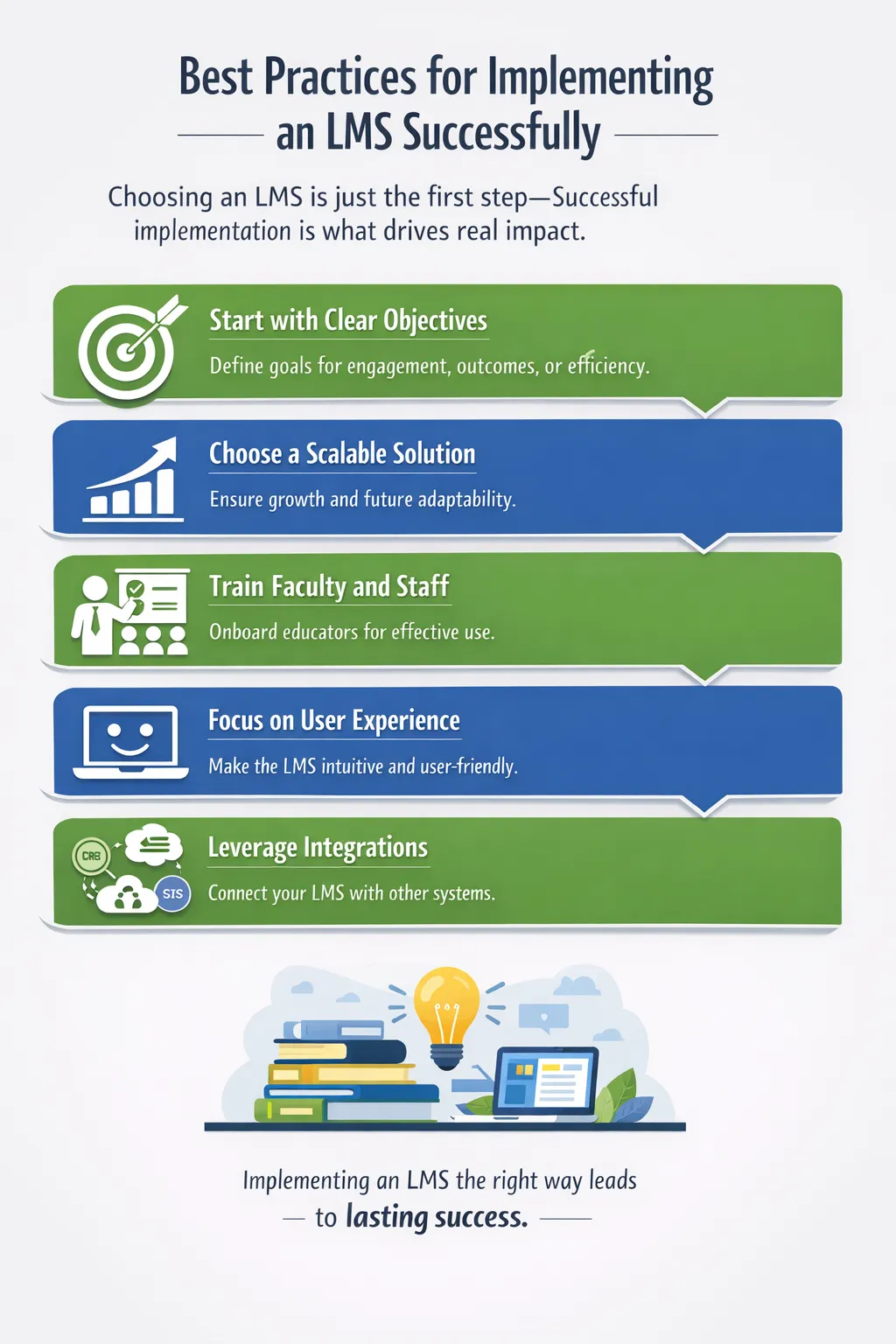
With many options available, selecting the right LMS requires careful evaluation.
Look for a platform that:
- Supports both hybrid and fully online learning models
- Offers advanced analytics and reporting
- Provides strong security and data protection
- Integrates with existing institutional systems
- Delivers a user-friendly experience
The right choice will not only support current needs but also position your institution for long-term growth.
Transform Your Learning Experience with the Right LMS
As hybrid and online learning continue to shape the future of education, universities must adopt technologies that enable flexibility, engagement, and efficiency. Investing in the right LMS is not just about managing courses—it’s about creating a seamless and impactful learning journey for every student.
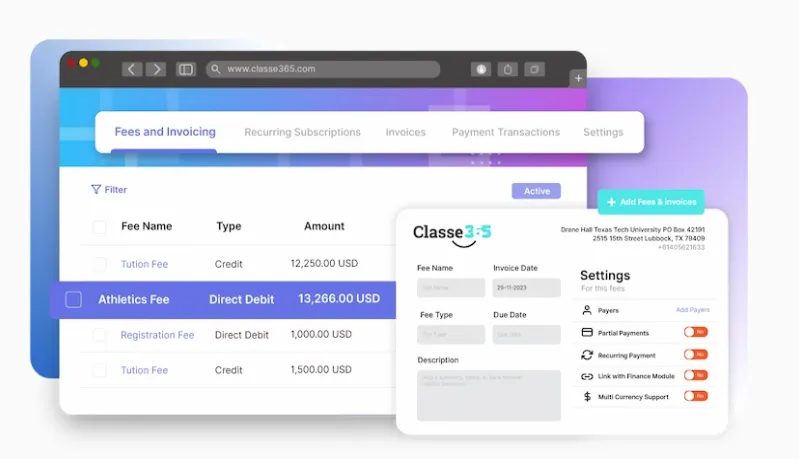
Platforms like Classe365 are leading this transformation by offering an all-in-one solution that combines LMS capabilities with CRM, SIS, and ERP features. Designed for modern institutions, Classe365 empowers universities to deliver exceptional learning experiences while streamlining operations and driving long-term success.
Frequently Asked Questions
1. What is an LMS for universities?
An LMS for universities is a digital platform used to manage, deliver, and track educational content, enabling both online and hybrid learning experiences.
2. How does an LMS support hybrid learning?
It allows universities to combine in-person teaching with online resources, ensuring students can access lectures, assignments, and discussions from anywhere.
3. Can an LMS handle fully online degree programs?
Yes, modern LMS platforms are designed to support fully online programs with features like virtual classrooms, assessments, and performance tracking.
4. What features should universities look for in an LMS?
Key features include content management, analytics, mobile access, integrations, and interactive learning tools.
5. Is LMS suitable for large universities?
Absolutely. A scalable LMS can handle thousands of users, making it ideal for large institutions with diverse programs.


























Sign in to leave a comment.