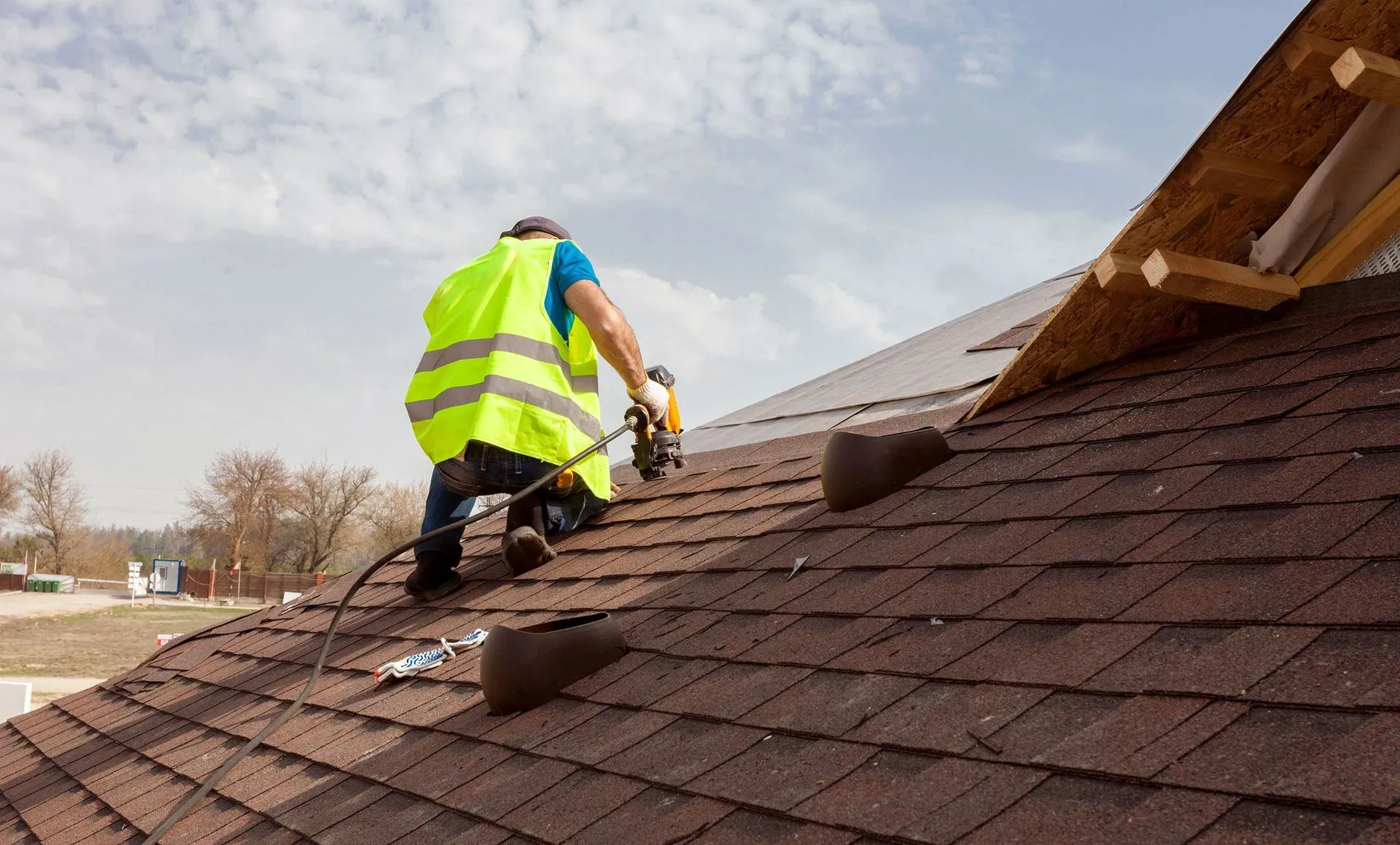

Local weather conditions serve as the primary factor in determining the timing, safety, and long-term success of any Roof Installation project. Temperature, humidity, and precipitation levels directly affect how materials like asphalt shingles or metal panels behave during and after the application process. Professionals must monitor daily forecasts to ensure that adhesives bond correctly and that the structural integrity of the building remains protected from the elements. This guide provides a detailed look at how various climates shape the way contractors approach their work to ensure a durable and lasting result.
Property owners often wonder why a project might be delayed even on a seemingly clear day. The reason usually involves the physical properties of the materials and the safety of the crew. Industry experts with 26+ Years of Local Experience understand that working in harmony with the environment is the only way to guarantee a roof that lasts for decades. By selecting the right window of time and using the correct techniques for the current climate, service providers can avoid common pitfalls like trapped moisture or brittle materials.
Temperature Effects on Material Bonding
Temperature is perhaps the most significant weather variable in roofing. Asphalt shingles, the most common material used in Residential Roofing, rely on a strip of heat-activated adhesive to seal together. If the air temperature is too low, this adhesive stays firm and fails to bond. This can lead to shingles blowing off during the first windstorm after the work is finished. Conversely, extremely high temperatures can make shingles too soft, causing them to scuff or tear when walked upon by installers.
In colder climates, many teams utilize hand-sealing techniques where a specific amount of roofing cement is applied to each shingle to ensure it stays in place until the sun can naturally activate the bond. For those managing Commercial Roofing projects, temperature also affects the application of TPO or EPDM membranes. These materials expand and contract significantly based on the heat, and failing to account for this can lead to wrinkles or tension at the seams.
Managing Precipitation and Moisture Risks
Rain and snow are obvious obstacles for any outdoor construction work. A roof is the primary defense against water, and opening it up during a storm is a recipe for internal damage. Even a light mist can make a roof deck slippery and dangerous for workers. Beyond safety, moisture trapped under new shingles or underlayment can lead to wood rot or mold growth in the attic space. Professional teams will always pause work if there is a high probability of rain to keep the wooden deck bone-dry.
Humidity also plays a role that many property owners overlook. High humidity levels can prevent the roof deck from drying out after a morning dew. If a new Roof Installation proceeds over a damp deck, that moisture becomes sealed inside the home’s structure. Over time, this can cause the plywood to warp or pull away from the rafters. Expert installers use moisture meters to check the condition of the wood before they begin laying down the underlayment.
Bonus Tip: Property owners should ask their contractor about their protocol for unexpected rain. A reputable company will have heavy-duty tarps ready to secure the home in minutes if a sudden shower appears.
Wind Hazards and Installation Safety
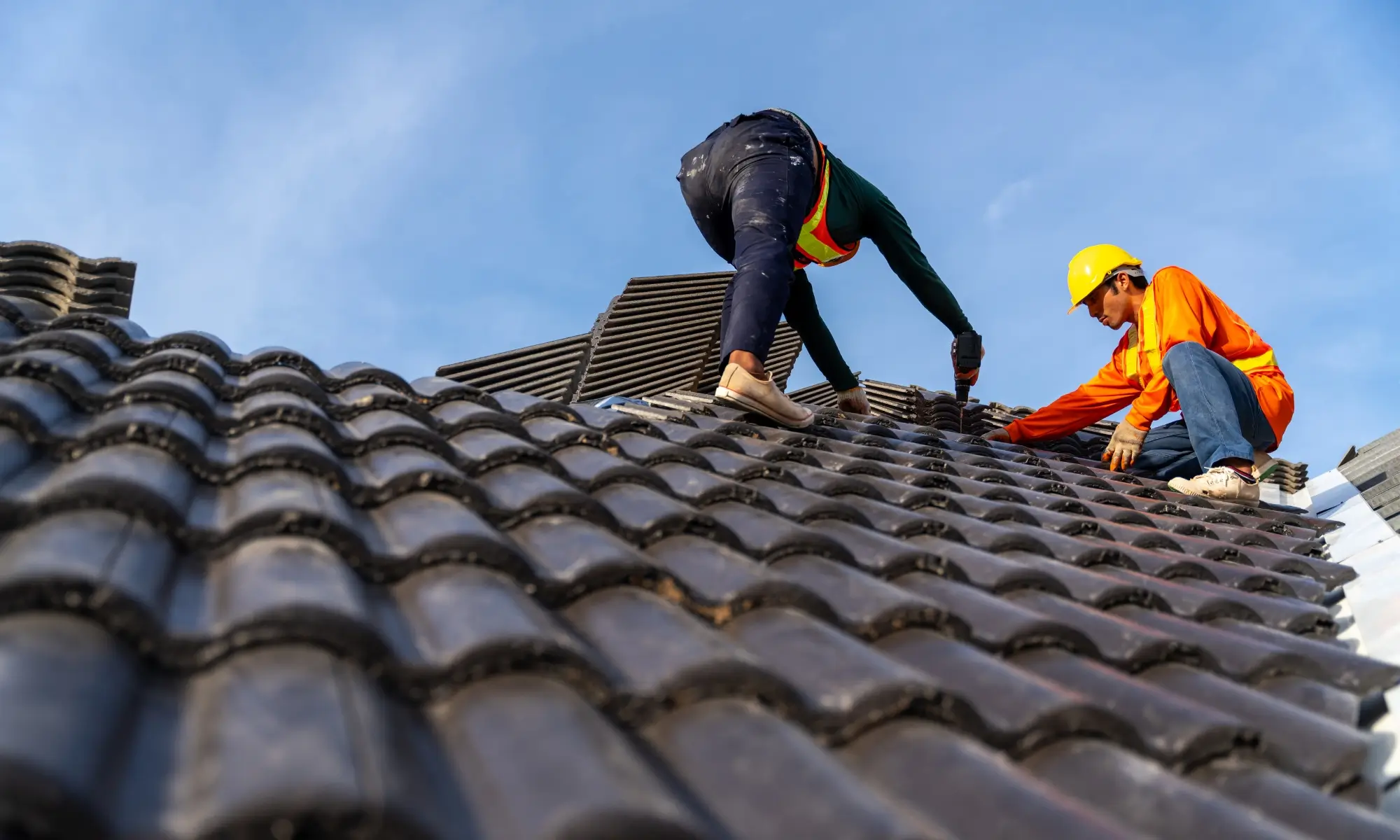
High winds create two main problems for roofing services. First, there is the immediate safety of the workers. Carrying a heavy bundle of shingles or a large sheet of metal becomes extremely dangerous when gusts reach high speeds, as these materials can act like sails. Second, wind can interfere with the actual placement of materials. It is difficult to align shingles perfectly or secure underlayment when the wind is constantly trying to lift the edges.
Standard safety protocols typically suggest halting work if wind gusts exceed twenty-five miles per hour. This protects the crew and prevents debris from blowing into neighboring properties. When a project is done during a breezy season, professionals often use extra fasteners to ensure the materials stay seated until the job is completed.
| Weather Condition | Impact on Material Performance | Installation Adjustment Required |
|---|---|---|
| High Heat (Over 90°F) | Shingles soften and scuff easily | Work in early morning hours |
| Cold (Under 40°F) | Materials become brittle and crack | Hand-sealing with roofing cement |
| High Humidity | Moisture traps in the wooden deck | Allow extra drying time for the deck |
| Moderate Wind | Risk of material uplift or blow-off | Use extra fasteners and safety harnesses |
Seasonal Planning for Optimal Results
Timing a project according to the season is a strategy used by many property owners to get the best value and quality. Spring and autumn are generally considered the best times for a new Roof Installation because the temperatures are moderate and predictable. This allows the materials to settle and seal without the stress of extreme heat or cold. However, these seasons can also be the busiest for contractors, leading to longer wait times.
Winter installations are possible but require specialized knowledge. High-quality teams often use Premium Roofing Materials specifically designed to remain flexible in lower temperatures. These materials are less likely to crack during the nailing process. While winter work may take longer due to the need for hand-sealing, it can be a good time to find more flexible scheduling.
Bonus Tip: If a leak occurs in the middle of winter, do not wait for spring. Seeking Fast Emergency Roofing Services can prevent a small leak from turning into a massive structural failure caused by ice dams and snow weight.
Things to Consider Before Making a Decision
Before scheduling a project, homeowners should look at several factors beyond just the price. The weather will dictate the timeline, but the quality of the service provider determines the outcome.
- Verify that the contractor is GAF Master Elite Certified to ensure they follow the highest industry standards for weather-related applications.
- Check if the company offers a 50 Year Transferable Warranty which provides long-term peace of mind regardless of future weather events.
- Inquire about 100% Financing Available options to ensure the project can move forward when the weather is right, rather than waiting until funds are saved up while the roof leaks.
- Ask about the specific brand of materials being used and their wind and impact ratings.
- Ensure the team provides Quality Craftsmanship by checking local reviews and past project galleries.
Addressing Regional Weather Challenges
In the Northeast, roofing systems must withstand a wide range of weather, from humid summers to freezing winters with heavy snow loads. This cycle of freezing and thawing is particularly hard on materials. It can cause thermal shock, where materials expand and contract so rapidly that they begin to pull apart at the seams. This is why having a team with deep local knowledge is helpful. They know exactly how to install flashing and ice shields to prevent water from backing up under the shingles during a thaw.
A professional Roof Installation in this region requires a focus on ventilation. Proper attic ventilation helps regulate the temperature of the roof surface, which prevents ice dams in the winter and keeps shingles from baking in the summer. A roof that is too hot will age prematurely, losing its protective granules and becoming brittle much faster than intended.
Final Considerations
Weather is a variable that no one can control, but it is a variable that every professional contractor must manage. From the adhesive properties of the shingles to the safety of the crew on the rafters, every step of a Roof Installation is influenced by the sky above. Property owners who understand these factors are better prepared for the timelines and technical requirements of their projects. By choosing experienced professionals who respect the power of the local climate, homeowners can ensure their investment remains secure for many years. Always look for a provider that combines high-grade materials with a deep understanding of local environmental challenges to get the most durable results possible.
Expert Roofing Assistance for Local Properties
When it is time to address your roofing needs, working with a team that understands the local climate is essential. Roofing Freeport offers comprehensive solutions for both residential and commercial buildings, bringing decades of expertise to every project. Their team is available 24/7 to handle urgent needs and provides free estimates to help you plan effectively. You can reach them at (516) 226-8500 or via email at [email protected] for reliable service and expert guidance on your next project.
FAQs
Can a roof be installed during the winter?
Yes, but it requires specific techniques. Contractors must ensure the shingles are not too brittle to nail and often use manual adhesive application since the self-sealing strips will not activate in freezing temperatures.
How does high humidity affect a new roof?
Humidity can trap moisture in the wooden decking or the attic space if not managed. This can lead to mold or rot. Professionals ensure the deck is dry and the attic is properly ventilated before finishing the project.
What happens if it rains during a roofing project?
The crew will immediately stop work and cover any exposed areas with waterproof tarps. Work only resumes once the roof deck is completely dry to prevent trapping moisture inside the home.
Does wind affect the lifespan of a new roof?
If shingles are installed during high winds, they may not align or seal properly, which can shorten their lifespan. However, once a roof is properly sealed and cured, it is designed to withstand significant wind speeds.
Why do shingles need heat to seal?
Asphalt shingles have a strip of bitumen-based adhesive. This material needs to reach a certain temperature to soften and stick to the shingle below it, creating a wind-resistant bond.





























Sign in to leave a comment.