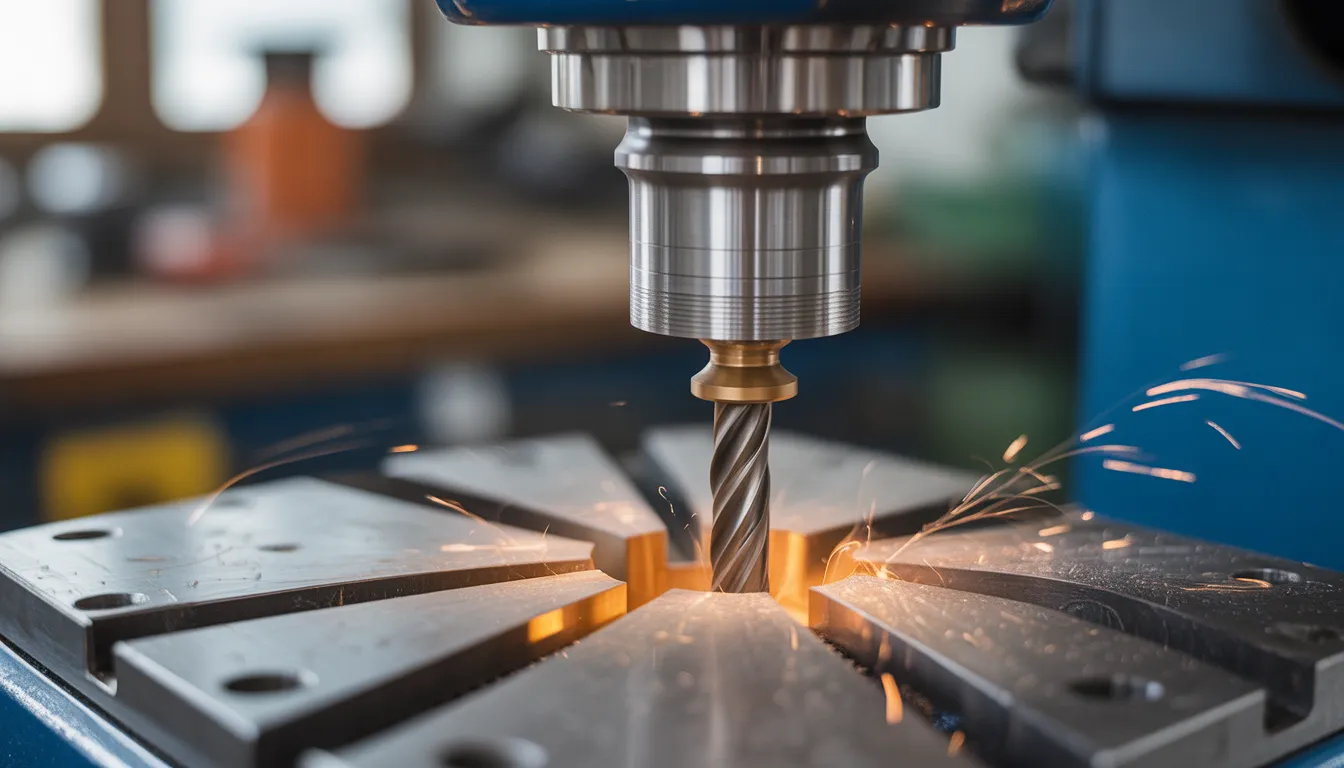

Machining accuracy defines the quality, precision, and consistency of manufactured components. Every industry that relies on CNC machining demands tight tolerances and flawless finishes. Tool selection directly influences these outcomes. When you choose the right cutting tools, you reduce dimensional errors and improve productivity. High-quality tools allow manufacturers to maintain consistency across large production runs while minimizing rework and waste.
Understanding the Role of Cutting Tools in Precision
Cutting tools shape raw materials into finished components through controlled material removal. The design and performance of these tools determine how accurately the machine can follow programmed paths. Sharp edges, proper geometry, and balanced construction help reduce vibration and ensure smooth cutting. Many professionals search for "how cutting tools affect machining accuracy in CNC operations" to better understand how tool performance directly impacts final output quality.
Tool Geometry and Its Impact on Accuracy
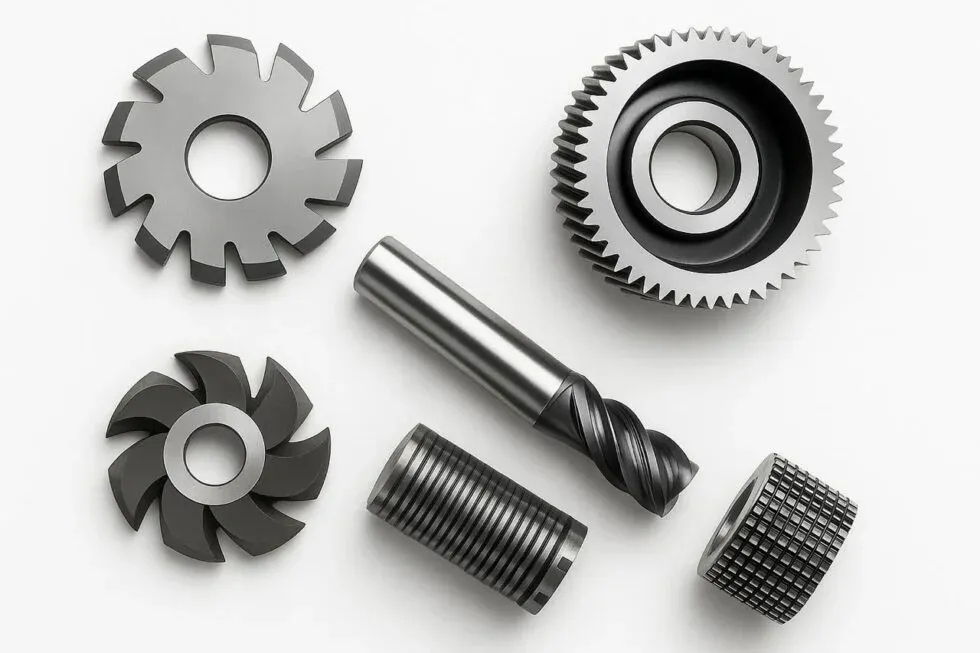
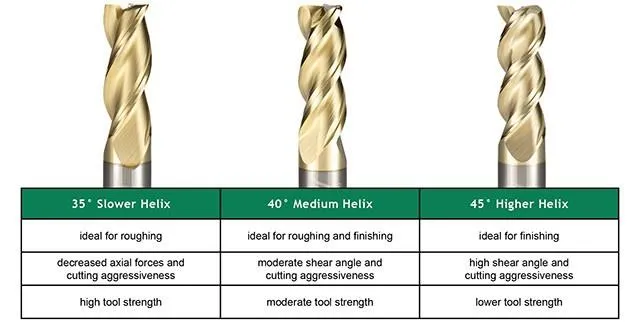
Tool geometry plays a crucial role in achieving precise results. Features such as flute design, helix angle, and cutting edge sharpness influence how the tool interacts with the material. Well-designed tools create smoother cuts and reduce deviations. Advanced Milling cutters offer optimized geometries that improve chip removal and reduce tool deflection. This design ensures that the cutting path remains stable, which enhances dimensional accuracy and surface finish.
Material Quality and Tool Construction
The material used to manufacture cutting tools significantly affects their performance. High-speed steel and carbide tools provide strength and wear resistance. Carbide tools, in particular, maintain their shape under high temperatures and pressures. Strong tool construction prevents deformation during cutting, which helps maintain precise dimensions. Many machinists prefer tools designed for "high precision milling cutters for metal machining" to ensure consistent results in demanding applications.
Reduction of Vibration and Tool Deflection
Vibration and tool deflection create inaccuracies during machining. Poor-quality tools often bend or vibrate under cutting forces, leading to uneven surfaces and incorrect dimensions. High-performance Milling cutters reduce these issues through rigid construction and balanced design. Stable tools maintain consistent contact with the workpiece, which improves accuracy and reduces the risk of errors.
Chip Evacuation and Surface Finish Improvement
Efficient chip evacuation plays a key role in maintaining machining accuracy. When chips accumulate, they interfere with the cutting process and damage the surface finish. Modern tools feature optimized flute designs that allow smooth chip removal. This feature prevents recutting and ensures a clean cutting path. Many operators focus on "best milling cutters for smooth surface finish and accuracy" to achieve high-quality results with minimal imperfections.
Cutting Speed, Feed Rate, and Tool Performance
Proper cutting parameters enhance tool performance and accuracy. High-quality tools allow operators to run machines at optimal speeds without compromising precision. When tools perform efficiently, they maintain consistent cutting forces and reduce wear. Milling cutters designed for performance help achieve stable machining conditions, which directly improves dimensional control and repeatability.
Advanced Coatings and Their Benefits
Modern coatings improve tool durability and cutting efficiency. Coatings such as titanium-based layers reduce friction and heat generation. Lower heat levels prevent tool expansion, which helps maintain dimensional accuracy. Coated tools also resist wear, allowing them to perform consistently over longer periods. Many industries rely on "coated milling cutters for high accuracy machining applications" to enhance both performance and reliability.
Application-Specific Tool Selection
Different machining operations require different tool types. Face milling, slotting, and contouring each demand specific tool designs. Selecting the right tool for each application ensures better accuracy and efficiency. Professionals often look for "how to choose milling cutters for precision machining tasks" to match tools with their specific production needs. Proper selection minimizes errors and improves overall machining quality.
Commercial Benefits of High-Quality Tools
Investing in high-quality tools provides long-term advantages. Accurate machining reduces material waste, lowers rejection rates, and improves production speed. Reliable tools also decrease downtime caused by frequent replacements. Businesses that use advanced Milling cutters gain a competitive edge by delivering consistent quality and meeting strict industry standards.
Conclusion: Achieving Accuracy with the Right Tools
Machining accuracy depends on multiple factors, but tool selection remains one of the most important. High-quality tools improve stability, reduce vibration, and maintain consistent cutting performance. When you choose the right tools, you achieve better surface finishes and tighter tolerances. Milling cutters play a vital role in modern machining by enhancing precision and efficiency. By focusing on tool geometry, material, and application, manufacturers can achieve superior results and maintain high production standards.




















Sign in to leave a comment.