
Understanding Environmental Sustainability
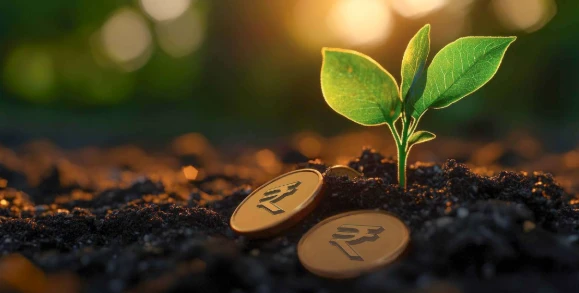
Environmental sustainability means using our planet’s resources responsibly so that future generations can enjoy clean air, safe water, and a healthy environment. It focuses on reducing waste, protecting natural ecosystems, and making everyday choices that support long-term well-being. When people understand how their actions impact the environment, they become more aware of how simple steps can lead to meaningful change.
What Plastic Recycling Really Means Today
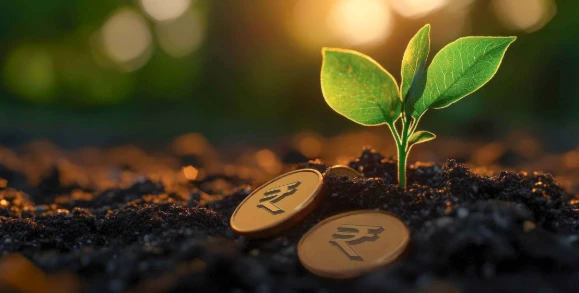
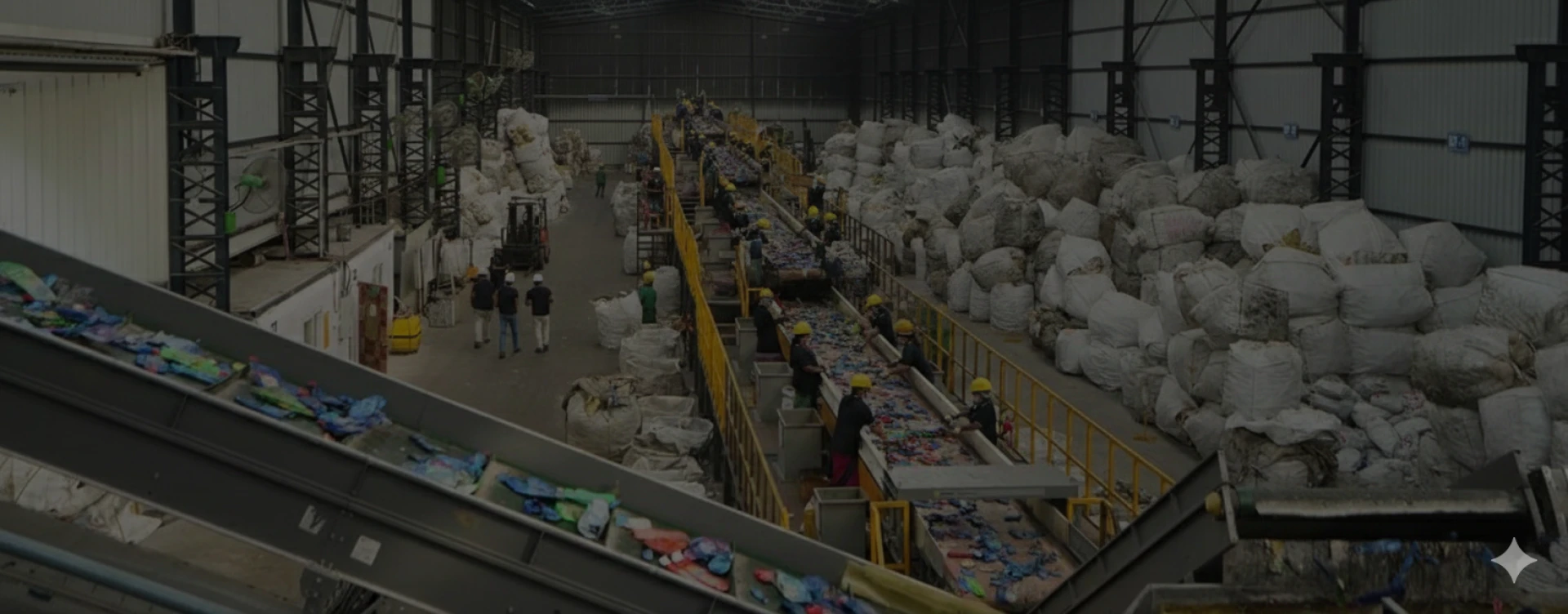
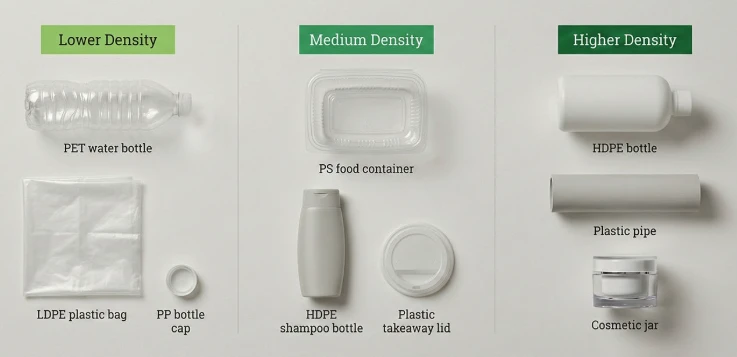
Plastic recycling is the process of collecting used plastic, sorting it, cleaning it, and turning it into new materials. Instead of letting plastic end up in landfills or oceans, recycling gives it a second life. Today, advanced recycling methods help recover more plastic than before and convert it into high-quality materials used in packaging, consumer goods, and industrial applications. This reduces waste and keeps plastic in use rather than in nature.
How Plastic Recycling Strengthens Environmental Sustainability
Plastic Recycling Strengthens Environmental Sustainability in the following ways:
1. Reducing Waste and Protecting Natural Resources
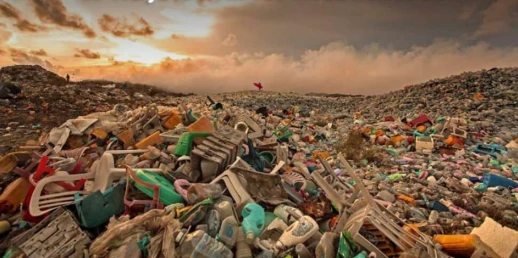
Recycling plastic reduces the amount of waste that ends up in landfills and oceans. It also lowers the demand for new plastic, which is made from non-renewable resources like crude oil. When less plastic is produced from scratch, we save energy and natural resources.
2. Cutting Down Carbon Emissions and Pollution
Plastic recycling helps reduce greenhouse gas emissions by lowering the need for new plastic production. Manufacturing new plastic is energy-intensive, while recycling uses far less energy. This leads to fewer carbon emissions and less pollution, making recycling an essential step in building a healthier planet.
3. Supporting a Circular Economy for a Cleaner Future
A circular economy encourages reusing, recycling, and reducing waste. When plastic materials are recycled and turned into new products, they stay in the loop longer. This reduces environmental impact and helps create a sustainable system where resources are used wisely.
Everyday Plastic Recycling Habits That Make a Big Difference
Small actions taken at home, in schools, and at work can significantly support environmental sustainability. Segregating waste, using reusable bags and bottles, avoiding single-use plastics, and encouraging others to recycle are simple habits that anyone can follow. Teaching children about recycling also helps build a strong foundation for future generations.
The Role of Communities and Companies in Driving Sustainability
Communities play an important role by adopting responsible waste management practices and supporting local recycling programs. Companies are also stepping up by designing products that use recycled materials and investing in eco-friendly processes. Together, these efforts help reduce waste, promote sustainability, and encourage responsible plastic use across industries.
Final Thoughts on Building a Sustainable Future
Plastic recycling is a powerful step toward protecting our planet and supporting long-term environmental sustainability. By making thoughtful choices every day and encouraging others to do the same, we all contribute to a cleaner, safer world. Organisations like Banyan Nation continue to strengthen this movement by promoting responsible recycling and helping build a more sustainable future for everyone.




























Sign in to leave a comment.