
In today’s fast-paced business environment, keeping equipment and assets in top condition is crucial. Whether you manage a fleet of vehicles, industrial machinery, or IT infrastructure, regular maintenance is key to avoiding unexpected breakdowns and maximizing efficiency. This is where preventive maintenance software comes in. This software is designed to help businesses schedule, track, and manage maintenance activities to ensure that equipment runs smoothly. Alongside this, asset tracking software can further enhance asset oversight by organizing and optimizing the use of physical and digital assets.
In this article, we’ll explore the importance of maintenance management software and how it can help businesses improve asset management, reduce downtime, and streamline operations. We’ll also discuss the role of asset tracking software and how both tools can work together to enhance business operations.
What is Preventive Maintenance Software?
Preventive maintenance software helps businesses manage maintenance tasks before equipment breaks down. By scheduling regular inspections, repairs, and maintenance activities, this software ensures that assets remain in peak condition. It helps reduce the risk of unexpected downtime, cuts repair costs, and extends the life of assets.
This type of software works by providing detailed maintenance schedules for equipment, reminding teams of upcoming maintenance tasks, and tracking the performance of each asset. The software can also generate work orders, track inventory for necessary parts, and provide insights into which equipment requires more frequent attention.
Benefits of Using Maintenance Management Software
Implementing Maintenance management software can provide a range of benefits for businesses. Here are a few key advantages:
1. Reduced Downtime
By regularly maintaining equipment, you can avoid unexpected breakdowns that cause significant downtime. Maintenance management software helps you schedule routine checks and repairs before problems occur, reducing the likelihood of costly and time-consuming emergency repairs.
2. Lower Repair Costs
Fixing equipment before it breaks down is typically much cheaper than paying for emergency repairs. Preventive maintenance allows businesses to spot minor issues early and address them before they become major, expensive problems.
3. Improved Asset Lifespan
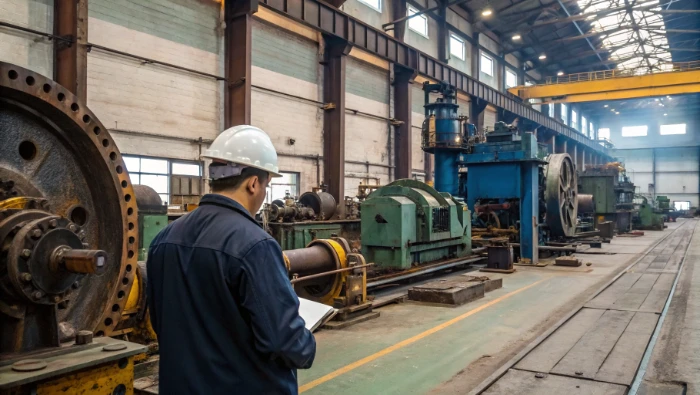
Regular maintenance extends the lifespan of your assets. Equipment that is well-maintained operates more efficiently and lasts longer, which is especially important for high-cost assets like vehicles, machinery, and IT systems.
4. Improved Safety
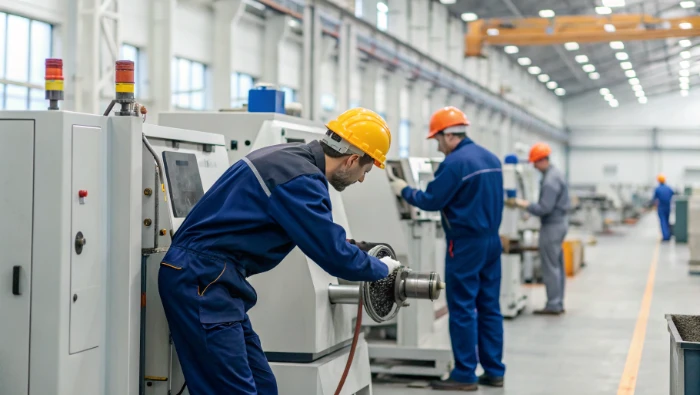
Maintaining equipment helps reduce the risk of accidents caused by malfunctioning machinery. This is particularly critical in industries like manufacturing and transportation, where faulty equipment can lead to serious injuries.
5. Better Resource Management
Maintenance management software makes it easier to manage inventory, tools, and labor. It provides detailed reports on the status of equipment and the materials needed for repairs, helping businesses better allocate resources.
Role of Asset Tracking Software
While Maintenance management software focuses on managing physical assets and their upkeep, digital asset management software (DAM) focuses on managing digital assets, such as files, documents, media, and images. Both types of software complement each other by helping businesses manage all types of assets more effectively.
Asset tracking software provides a centralized platform where businesses can store, organize, and retrieve digital assets. It also enables better collaboration, version control, and access management, making it an invaluable tool for businesses that handle large volumes of digital content.
When combined with preventive maintenance software, asset tracking software can help streamline the entire asset management process, from physical equipment to digital files related to maintenance, such as manuals, schematics, and maintenance history records.
How Maintenance Management Software and Asset Tracking Software Work Together?
While Maintenance management software and asset tracking software are often used for different purposes, their functionalities can work in tandem to improve overall asset management. Here's how they can complement each other:
1. Streamlined Asset Management
Both software types help businesses track and manage their assets more efficiently. With preventive maintenance software, you can monitor the condition and performance of physical assets, while asset tracking software allows you to organize and access all the associated documentation and digital files related to the asset.
2. Improved Collaboration
When teams work together to maintain assets, it’s important that everyone has access to the right information. By using both types of software, employees can access maintenance schedules, manuals, and technical drawings, ensuring they have the resources needed to complete maintenance tasks efficiently.
3. Integrated Workflows
Integrating preventive maintenance and digital asset management software into a unified workflow can save time and reduce errors. For instance, if a technician requires a maintenance manual or schematic to fix equipment, they can easily retrieve it from the DAM system. This reduces delays and improves overall productivity.
4. Better Reporting
Both software systems generate detailed reports on asset performance, maintenance schedules, and repairs. These reports help businesses track the effectiveness of their maintenance efforts and make data-driven decisions about future investments.
Choosing the Right Maintenance Management Software
When selecting maintenance management software, it’s essential to consider several factors to ensure that it meets the needs of your business. Here are some key features to look for:
1. Ease of Use
The software should be user-friendly, with an intuitive interface that allows employees to quickly learn how to use it. This will reduce training time and help teams get up to speed faster.
2. Customization Options
Look for software that allows you to tailor it to your specific maintenance needs. This may include setting up customized work orders, schedules, and alerts based on the types of assets you’re managing.
3. Integration Capabilities
Ensure that the software integrates with other systems, such as enterprise resource planning (ERP) or digital asset management platforms, for a seamless workflow. Many preventive maintenance software solutions also integrate with other business systems, such as accounting or inventory management tools.
4. Mobile Access
Mobile access allows field technicians to access maintenance schedules, update work orders, and report issues on the go. This is particularly helpful for businesses with remote or mobile workforces.
EAM Software Companies and the Data Import Process
When adopting maintenance management software, it’s important to consider how to import data into the system. EAM (Enterprise Asset Management) software companies often provide support for migrating existing asset and maintenance data into the new system. The data import process should be smooth and straightforward, ensuring that all existing records are transferred accurately without any disruption to operations.
Conclusion
Incorporating maintenance management software into your business operations can significantly reduce downtime, extend the life of your assets, and improve safety. Combined with digital asset management software, it can streamline asset management across both physical and digital assets, creating a more efficient and organized workflow.
Are you ready to improve your asset management? Start using preventive maintenance software with MicroMain to enhance operational efficiency and reduce costly repairs.























Sign in to leave a comment.