

Effective communication is the backbone of any successful maintenance team. When team members know what to do, when to do it, and how to report their work, equipment downtime drops, and productivity rises. A CMMS, or computerized maintenance management system, helps maintenance teams stay on the same page, making communication easier, faster, and more reliable.
In this article, we’ll explore how CMMS boosts communication for maintenance teams and why it has become a critical tool for modern maintenance planners.
Clear Task Assignment
One of the biggest communication challenges in maintenance teams is knowing who is responsible for each task. Without a clear assignment, work can be delayed or duplicated. CMMS solves this problem by allowing managers to assign tasks to specific team members directly in the system.
For example, if a conveyor belt in a factory needs lubrication, the maintenance planner can assign the task to a mechanic with a clear deadline. The mechanic receives the notification instantly on their mobile device or computer. This reduces confusion and ensures everyone knows their responsibilities.
Clear task assignment also improves accountability. When a task is assigned and tracked in the system, it’s easy to see who completed it and when. This helps managers follow up without chasing team members for updates.
Instant Updates and Notifications
Communication is not only about assigning tasks. It’s also about keeping everyone informed when changes occur. CMMS provides instant updates and notifications to maintenance teams.
For example, if a machine breaks down unexpectedly, the maintenance planner can update the task status in the CMMS. The system immediately notifies the assigned technician, and if necessary, other team members who need to respond.
This real-time communication reduces delays. Technicians don’t have to wait for phone calls or emails. They get the information directly, allowing them to act faster and minimize downtime.
Centralized Information
Maintenance teams often struggle with scattered information. Some work orders might be on paper, emails, or spreadsheets. This can lead to miscommunication and missed tasks. CMMS centralizes all maintenance information in one place.
All technicians, planners, and managers can access the same data at any time. Work orders, maintenance history, manuals, and safety instructions are stored in a single system.
For instance, a maintenance planner can see that a pump has been repaired three times in the past month. They can share this information with the team, helping technicians understand the machine’s history. Centralized information reduces repeated explanations and miscommunication.
Better Collaboration Among Team Members
CMMS encourages collaboration. Technicians can leave notes on work orders, share observations, and ask questions directly in the system. Maintenance planners can respond, clarify instructions, or provide additional guidance.
Imagine a scenario where a technician notices unusual wear on a motor. They can write a note in the CMMS for the maintenance planner to see. The planner can then decide whether to schedule a replacement part or request further inspection. This instant back-and-forth helps teams make informed decisions quickly.
Standardized Communication
Every maintenance team has different ways of reporting work. Some use emails, others use paper forms. This inconsistency can create confusion. CMMS standardizes communication by providing structured templates for work orders, inspections, and reports.
For example, all work orders follow the same format with fields for task description, priority, assigned technician, and deadline. Standardized communication ensures that everyone interprets information the same way, reducing errors and improving efficiency.
Real-Time Reporting
CMMS allows maintenance planners to generate reports in real time. These reports provide valuable insights into team performance, equipment health, and pending tasks.
Technicians no longer need to manually update spreadsheets or submit daily reports. All data is captured automatically in the system. Maintenance planners can quickly see which tasks are delayed, which machines need attention, and how resources are being used.
Real-time reporting improves transparency. Team members know what management expects and can adjust their work accordingly. It also enables proactive communication, where issues are addressed before they become emergencies.
Mobile Access for On-the-Go Teams
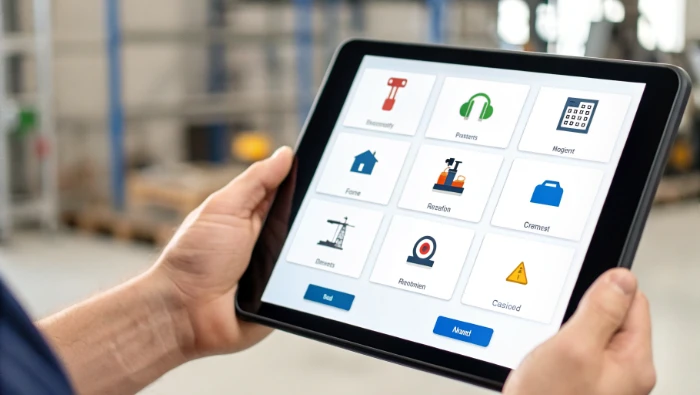
Many maintenance teams work across large facilities or multiple sites. Traditional communication methods like emails or phone calls can slow them down. CMMS provides mobile access, so technicians can check tasks, update statuses, and communicate from anywhere.
For example, a technician repairing an HVAC system in a remote building can update the work order on their tablet. The maintenance planner sees the update instantly, and other team members know the equipment is being serviced.
Mobile access ensures that communication continues even when team members are away from their desks. This feature is particularly useful for field maintenance teams or large industrial sites.
Reducing Miscommunication
Miscommunication can be costly. A delayed message or unclear instruction may result in equipment downtime, repeated repairs, or safety hazards. CMMS reduces miscommunication by keeping a clear record of all messages, work orders, and updates.
Every task, comment, and notification is stored in the system. Technicians and planners can review the history if there is confusion. This eliminates guesswork and ensures that everyone has the correct information.
Integration With Other Systems
Many modern facilities use multiple software systems for inventory, procurement, or asset management. CMMS can integrate with these systems to improve communication further.
For instance, if a technician notices that a replacement part is low in stock, the CMMS can communicate directly with the inventory system. The maintenance planner sees the shortage immediately and can order the part without delay.
Integration ensures that communication is smooth across different departments, reducing delays caused by waiting for emails or phone calls.
Encouraging Proactive Maintenance
CMMS does more than react to problems; it helps teams plan. Maintenance planners can schedule preventive maintenance tasks and communicate them to technicians in advance.
For example, if a maintenance planner schedules a routine inspection of all motors next week, the assigned technicians receive notifications ahead of time. They can prepare tools, parts, and safety equipment.
Proactive maintenance improves communication because everyone knows what is coming. Team members are prepared, reducing last-minute chaos and emergency calls.
Enhancing Team Accountability
CMMS makes communication traceable. Each update, comment, and task completion is recorded with the technician’s name and timestamp.
This accountability encourages team members to communicate clearly and follow instructions. Maintenance planners can see who updated what and when. If issues arise, they can address them without blaming anyone unfairly.
Traceable communication also helps with performance reviews and team assessments. Managers can identify who excels in communication and who may need support.
Benefits for Maintenance Planners
Maintenance planners are at the center of communication. CMMS gives them tools to:
- Assign tasks clearly.
- Track work progress in real time.
- Communicate updates instantly.
- Reduce miscommunication and errors.
- Generate reports quickly for team performance.
By using CMMS, planners can spend less time chasing information and more time improving team efficiency.
Conclusion
Communication is essential for maintenance teams. Miscommunication can lead to delays, increased costs, and frustrated team members. CMMS offers a reliable platform for assigning tasks, sending updates, sharing notes, and generating reports.
For maintenance planners, CMMS is not just a tool; it is a way to ensure that everyone is informed, prepared, and accountable. By centralizing information, standardizing communication, and enabling mobile access, CMMS improves teamwork, reduces errors, and keeps maintenance operations running smoothly.
In today’s industrial environment, CMMS is the key to better communication and a more productive maintenance team.
Empower your maintenance planners today with MicroMain's CMMS system. Enhance communication, streamline work orders, reduce downtime, and take your team’s efficiency to the next level.
Frequently Asked Questions
What is a CMMS system?
A CMMS is software that helps plan, track, and manage all maintenance activities efficiently.
How does CMMS improve maintenance team communication?
It centralizes updates, work orders, and notifications so every team member stays informed.
Can CMMS handle emergency maintenance tasks?
Yes, it prioritizes urgent work, alerts technicians, and tracks response in real time.
Do maintenance planners benefit from CMMS?
Absolutely, planners can assign tasks, track progress, and streamline communication across teams.
Is mobile access important in CMMS?
Yes, it allows technicians to update work and communicate instantly from anywhere on-site.

















Sign in to leave a comment.