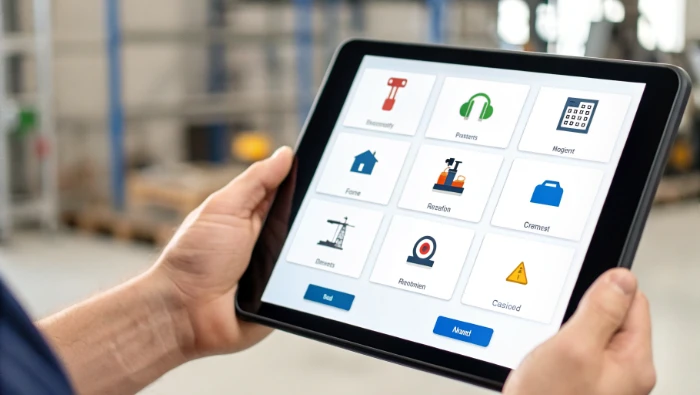

In service-based and asset-intensive industries, unplanned downtime, missing spare parts, and poor visibility into inventory can quickly impact productivity and profitability. Organizations managing equipment, facilities, or infrastructure need accurate, real-time insight into what parts are available, where they are stored, and when they should be replenished. This is where maintenance inventory software plays a critical role.
This software helps organizations track spare parts, materials, and supplies used in maintenance tasks. When integrated with broader systems such as CMMS and EAM platforms, it becomes a powerful tool for improving reliability, reducing waste, and supporting proactive maintenance strategies. This article explores how such solutions work, their core features, and the value they deliver to service-based businesses seeking to modernize operations.
What Is Maintenance Inventory Software
This digital system centralizes inventory data for maintenance and asset management. It enables organizations to track parts usage, manage stock levels, monitor reorder points, and connect inventory directly to work orders and assets.
Unlike manual spreadsheets or disconnected tools, it provides real-time visibility across locations and teams. Maintenance managers can quickly see available parts, identify critical items, and understand how inventory affects maintenance schedules. This visibility reduces delays, prevents overstocking, and ensures technicians have the right parts when they need them.
When used as part of maintenance inventory management software within a CMMS or EAM solution, inventory control becomes directly connected to preventive maintenance, work order execution, and asset performance tracking.
Why Inventory Management Is Critical to Maintenance Success
Inventory issues are a common cause of maintenance inefficiency. Too little inventory leads to downtime and rushed purchasing. Too much inventory ties up capital and increases the risk of obsolete parts. Maintenance inventory software helps organizations strike the right balance.
For service based businesses, effective inventory management supports consistent service delivery. Technicians spend less time searching for parts and more time completing work. Maintenance planners can schedule jobs with confidence, knowing materials are available. Leadership gains better control over costs and purchasing decisions.
These systems also support compliance and safety by ensuring that critical spare parts are always available for regulated equipment and essential operations.
Core Features of Maintenance Inventory Management Software
Modern inventory software includes a range of features designed to streamline operations and improve accuracy. These capabilities work together to create a single source of truth for maintenance related inventory.
Real Time Inventory Tracking
Inventory levels are updated automatically as parts are issued, returned, or reordered. This real time tracking helps prevent stockouts and reduces emergency purchases. Users can see quantities on hand, reserved stock, and items in transit across multiple locations.
Integration With Work Orders
One of the most valuable aspects is its connection to work orders. When technicians complete maintenance tasks, parts usage is logged directly against the job. This improves cost tracking, supports accurate asset histories, and ensures inventory records remain up to date.
Automated Reorder Points
These systems allow organizations to set minimum and maximum stock levels. When inventory drops below a defined threshold, alerts can be triggered or purchase requests generated automatically. This reduces manual oversight and helps maintain optimal stock levels.
Inventory Categorization and Criticality
Parts can be categorized by asset type, location, or criticality. Maintenance teams can identify which items are essential for operations and prioritize their availability. This is especially important for assets that support safety, compliance, or customer-facing services.
Vendor and Purchasing Management
Many inventory management software platforms include vendor tracking and purchasing tools. Organizations can monitor supplier performance, compare costs, and streamline procurement processes. This leads to better vendor relationships and more predictable inventory spending.
How Maintenance Inventory Software Supports Preventive Maintenance
Preventive maintenance depends on careful planning and consistency. Without accurate inventory data, even the most well-designed maintenance schedules can fall short. A proper system ensures that the necessary parts are available before preventive tasks are performed.
By linking inventory to preventive maintenance plans, organizations can forecast future demand for parts based on maintenance cycles. This reduces last-minute ordering and helps maintenance teams operate more proactively. Over time, data from maintenance inventory management software can be used to refine schedules and reduce unnecessary part replacements.
Preventive maintenance supported by accurate inventory data leads to longer asset life, fewer breakdowns, and lower overall maintenance costs.
Improving Technician Productivity and Service Delivery
Technician productivity is directly affected by how easily they can access parts and information. Maintenance inventory software simplifies this process by providing mobile access to inventory data. Technicians can check availability, reserve parts, and record usage directly from the field.
This mobility reduces delays and improves first-time fix rates. Service-based organizations benefit from faster response times, higher customer satisfaction, and more efficient use of labor. It also enhances communication between maintenance, purchasing, and operations teams.
Using Data and Analytics to Optimize Inventory Decisions
Data is a major advantage of digital inventory systems. These systems collect detailed information on part usage, failure patterns, and purchasing trends. Analytics tools then turn this information into actionable insights.
Organizations can identify slow-moving inventory, frequently used parts, and high-cost items. This supports smarter stocking decisions and helps reduce waste. Over time, data-driven insights allow maintenance teams to align inventory strategies with asset performance and operational priorities.
When combined with predictive maintenance tools, maintenance inventory management software can anticipate future part requirements based on equipment condition and usage patterns.
Integration With CMMS, EAM, and Enterprise Systems
Maintenance inventory software delivers the greatest value when it is integrated with broader maintenance and enterprise systems. Integration with CMMS and EAM platforms ensures inventory data supports work management, asset tracking, and lifecycle planning.
Integration with ERP and accounting systems further enhances accuracy and efficiency. Financial data flows automatically between systems, reducing manual entry and improving reporting. This unified approach helps organizations make informed decisions and maintain operational alignment.
Industry Trends Driving Adoption
Several trends are accelerating the adoption of digital inventory systems. Cloud-based platforms enable remote access and scalability. Mobile technology supports field teams and distributed operations, while AI and automation enhance demand forecasting and decision-making.
Sustainability and cost control are also key priorities. Organizations face pressure to reduce waste, improve resource efficiency, and meet ESG goals. Digital inventory systems help by minimizing excess stock and supporting responsible purchasing practices.
As service-based businesses grow more complex, digital inventory management becomes essential rather than optional.
Choosing the Right Maintenance Inventory Management Software
Selecting the right solution requires understanding operational needs and long term goals. Organizations should look for software that is user friendly, scalable, and flexible. Strong integration capabilities, robust reporting, and reliable support are also critical.
A solution that combines maintenance inventory software with CMMS and EAM functionality provides a comprehensive foundation for maintenance excellence. Free trials and demos can help organizations evaluate fit and ensure successful adoption.
Conclusion
Maintenance inventory software is a cornerstone of efficient maintenance and asset management. By providing real time visibility, automation, and data driven insights, it helps service based businesses reduce downtime, control costs, and improve service delivery.
When implemented as part of maintenance inventory management software within an integrated CMMS or EAM platform, inventory control becomes a strategic advantage rather than an operational burden. Organizations that invest in modern inventory solutions position themselves for greater reliability, scalability, and long term success.
By embracing the right tools and practices, maintenance teams can transform inventory management into a driver of operational excellence and sustainable growth.
Simplify inventory tracking, reduce downtime, and improve maintenance efficiency with MicroMain maintenance inventory software.
FAQs
1. What is maintenance inventory software?
Software that tracks spare parts and supplies to ensure assets are maintained efficiently.
2. How does it reduce costs?
By preventing stockouts, overstocking, and unnecessary emergency purchases.
3. Can it integrate with CMMS/EAM?
Yes, it links inventory with work orders and asset management for real time visibility.
4. Is it suitable for multiple locations?
Yes, it provides centralized control across sites and warehouses.
5. Why choose MicroMain?
It combines inventory tracking, automation, and analytics to optimize maintenance and operations.




























Sign in to leave a comment.