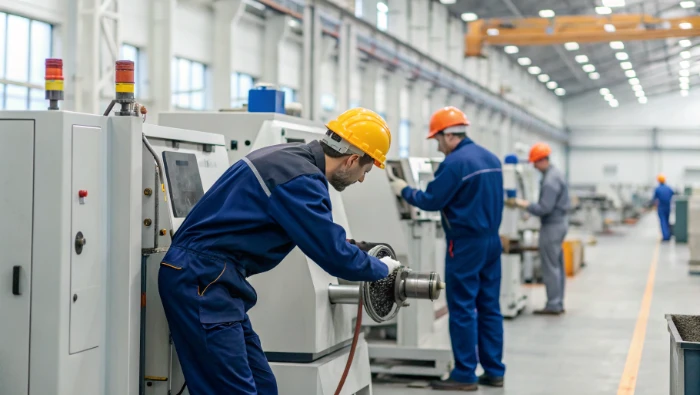

Equipment failure is one of the biggest problems in any facility. When a machine stops working, production slows down. Costs rise. Teams rush to fix the issue. In many cases, the same failure happens again because the root cause was never solved.
This is where cmms system plays an important role. It helps maintenance teams move from reactive work to planned action. Instead of fixing equipment only after it breaks, teams can prevent issues before they grow.
But how exactly does it increase MTBF? Let’s break it down clearly and simply.
Understanding MTBF
MTBF refers to the period a machine runs without breaking down. The longer this time, the better the equipment performance.
When failures happen often, it usually means:
- Maintenance is not planned well
- Small problems are ignored
- Inspections are inconsistent
- Repairs are rushed
- History is not tracked properly
To increase the MTBF, a company must fix these gaps. That requires better planning, tracking, and follow-up.
How CMMS System Changes Maintenance Strategy
A digital system helps teams move from guessing to planning. It brings order to daily tasks.
When companies use cmms software, they gain full control over maintenance work. Everything is recorded and scheduled. Nothing is forgotten.
Now, let us explore how this increases the MTBF.
Moving from Reactive to Preventive Maintenance
One of the main reasons machines fail often is reactive maintenance. This means waiting until something breaks before fixing it.
A structured system changes this approach. With scheduled preventive maintenance:
- Equipment gets serviced on time
- Parts are checked before wearing out
- Small issues are corrected early
- Lubrication and cleaning are not skipped
When maintenance happens regularly, stress on the machine reduces. As a result, failures happen less often.
Better Work Order Management
Unorganized work orders create confusion. Tasks get delayed. Technicians may miss steps. Important details can be lost.
A digital system organizes all work orders in one place. Each task includes:
- Clear instructions
- Priority level
- Assigned technician
- Due date
- Completion notes
Because of this structure, repairs are done properly the first time. When work quality improves, the chance of repeat failure decreases.
Tracking Asset History
Many failures repeat because teams forget what happened before. Without records, the same mistake can happen again.
A maintenance platform stores full equipment history, including:
- Past breakdowns
- Repair actions taken
- Parts replaced
- Time taken to fix
- Technician notes
This history helps teams identify patterns. If the same part fails every six months, it can be replaced earlier. If overheating happens often, inspections can focus there.
Over time, these small improvements increase the MTBF.
Identifying Root Causes
Quick fixes do not solve real problems. If a belt keeps snapping, replacing it again and again will not help.
Teams must ask:
- Why did this happen?
- Was the load too high?
- Was the alignment wrong?
- Was maintenance skipped?
Maintenance software helps track recurring issues and supports root cause analysis. When the real cause is fixed, repeat failures drop.
Scheduled Inspections and Condition Monitoring
Regular inspections catch warning signs early. These signs include:
- Unusual noise
- Vibration
- Heat buildup
- Oil leaks
Without a structured system, inspections may be forgotten. But when inspection tasks are scheduled and tracked, nothing is missed.
This early detection prevents sudden breakdowns. Machines continue running smoothly for longer periods.
Improved Spare Parts Control
Equipment often fails because the wrong part was used or a worn part was not replaced in time.
A maintenance system keeps track of:
- Spare parts inventory
- Minimum stock levels
- Usage history
- Reorder alerts
When the right parts are available at the right time, repairs are done correctly. This reduces temporary fixes and increases reliability.
Standardized Maintenance Procedures
Different technicians may fix the same problem in different ways. This can lead to inconsistent results. With documented procedures stored in the system:
- Everyone follows the same steps
- Safety rules are clear
- Quality checks are included
- Testing is required before closing the job
Standard work improves repair quality. Better repairs mean fewer repeat breakdowns.
Data-Driven Maintenance Decisions
Guesswork often leads to poor maintenance planning. Some machines may be over-serviced while others are ignored.
When data is available, teams can see:
- Which assets fail most often
- Average repair time
- MTBF
- Maintenance costs per asset
With this information, managers can focus attention on high-risk equipment. They can adjust maintenance frequency based on real performance.
Using tools like cmms system, organizations can measure trends and make smarter decisions that directly increase MTBF.
Accountability and Performance Tracking
When tasks are not tracked, work may be rushed or incomplete. But when technicians know their work is recorded:
- Jobs are closed properly
- Notes are detailed
- Follow-up tasks are created
- Quality improves
Clear accountability builds better habits. Over time, strong maintenance discipline reduces equipment stress and extends operating periods.
Reducing Human Error
Many failures are caused by simple mistakes:
- Skipping lubrication
- Over-tightening bolts
- Missing inspections
- Using incorrect parts
Automated reminders and checklists reduce these errors. When teams follow guided steps, reliability improves.
Fewer mistakes mean fewer unexpected breakdowns.
Planning Maintenance During Low-Impact Hours
Emergency repairs cause stress and often lead to rushed work. Planned maintenance can be scheduled during off-hours.
This allows:
- Proper time for repairs
- Full testing after service
- No production pressure
When maintenance is not rushed, it is done correctly. That improves long-term performance and increases MTBF.
Continuous Improvement Through Reporting
Reports help management see progress. Key reports may include:
- Failure frequency
- Downtime trends
- Cost per repair
- Preventive vs reactive ratio
If failures decrease month after month, it shows that maintenance practices are improving.
If a spike appears, teams can act quickly before problems grow.
Regular review leads to steady improvement in equipment reliability.
Building a Preventive Maintenance Culture
Technology alone is not enough. It supports a change in mindset. Instead of asking, “How fast can we fix it?” teams begin asking, “How can we prevent it?”
When preventive thinking becomes part of daily work:
- Equipment lasts longer
- Stress decreases
- Costs go down
- Production stays stable
Over time, this culture naturally increases the MTBF.
The Long-Term Impact on Equipment Life
Increasing the MTBF does more than reduce downtime. It also:
- Extends asset lifespan
- Improves safety
- Reduces emergency spending
- Boosts team confidence
Machines that are cared for properly perform better. They require fewer major repairs. Replacement cycles can be delayed.
All these improvements start with structured maintenance management.
Final Thoughts
Increasing time between failures is not about luck. It is about planning, tracking, and learning from data. When maintenance teams move away from reactive fixes and toward preventive strategies, breakdowns become less frequent.
With organized work orders, clear history tracking, scheduled inspections, and performance reporting, equipment operates more reliably.
Over time, this steady approach builds stronger systems, reduces stress, and keeps operations running smoothly.
Break the cycle of repeat breakdowns now. MicroMain’s cmms system helps increase MTBF, so your facility runs stronger, safer, and longer.
Frequently Asked Questions
1. What is the MTBF in maintenance?
MTBF measures how long equipment operates without breaking down or needing corrective maintenance during normal working conditions.
2. How does preventive maintenance increase MTBF?
Preventive maintenance fixes small issues early, reduces wear, and keeps equipment in stable condition for longer operating periods.
3. Can maintenance software reduce unexpected breakdowns?
Yes, it schedules inspections, tracks repairs, and ensures tasks are completed properly, reducing the risk of sudden failures.
4. Why do machines fail repeatedly?
Repeated failures often happen because root causes are ignored, maintenance is inconsistent, or repair history is not properly tracked.
5. How do you calculate MTBF?
Divide total operating hours by the number of failures recorded within that same measured time period.


















Sign in to leave a comment.