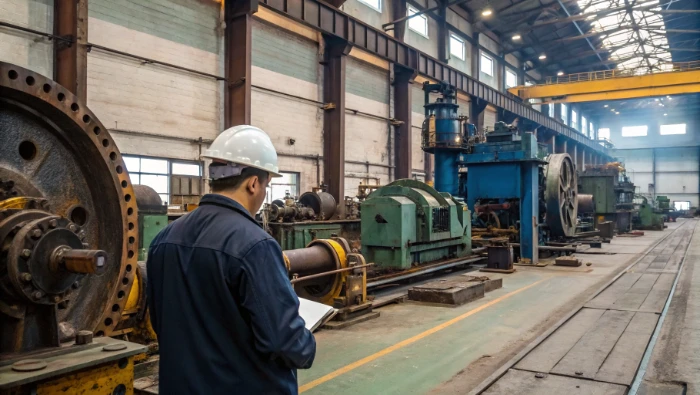

Every machine, tool, or system has a life story. Some are cared for and fixed on time. Others are allowed to run to failure. This means they are used until they break and can no longer work. This choice is not always a mistake. In some cases, it is planned and smart. In other cases, it causes delays, high costs, and safety risks.
This article explains why some assets fail-before-replacement and how to calculate the useful life of an asset. The goal is to keep things clear, honest, and easy to understand.
What Does "Run to Failure" Mean?
Run to failure means you do not fix or replace an asset until it stops working. There is no repair schedule. No planned service. The asset is left alone until it breaks.
This method is often used for simple items. Think of light bulbs, small fans, or basic tools. When they fail, they are cheap and easy to replace.
But when running to failure is used on large or critical assets, it can cause big problems.
Why Do Some Assets Fail-before-replacement?
There are many reasons why businesses let assets fail-before-replacement. Some reasons make sense. Others come from poor planning.
1. The Asset Is Low Cost
If an asset is cheap, fixing it early may cost more than replacing it later. For example, a small motor that costs little and takes minutes to change.
In this case, running to failure saves time and money.
2. The Asset Is Not Critical
Some assets do not affect safety or daily work. If they fail, nothing serious happens.
For example, a backup display screen in a storage room. If it stops working, the main job can still go on.
3. Failure Is Easy to Spot
Some failures are clear and quick to fix. A bulb goes out. A fuse blows. There is no guessing.
Because the problem is obvious, teams may choose to wait until failure happens.
4. No Data or History Exists
Sometimes, teams do not know how long an asset should last. There is no past data. No records. No manual.
Without this information, planning repairs is hard. So assets end up running until they fail.
5. Lack of Time or Staff
When teams are short on time or workers, planned maintenance often gets skipped. Small issues are ignored.
Over time, this leads to running to failure, even when it was not the goal.
When Run to Failure Becomes a Problem
Running to failure is risky when used on the wrong assets.
It becomes a problem when:
- The asset affects safety
- Failure stops work
- Repairs take a long time
- Replacement parts are hard to find
- Downtime costs money
In these cases, failure causes stress, delays, and high repair bills.
What Is Useful Life?
Useful life is the time an asset can work well before it needs replacement.
It does not mean the asset is broken. It means it is no longer reliable or cost-effective to keep using.
For example, a machine may still run after 15 years. But if it breaks often, its useful life may be over.
How to Calculate the Useful Life of an Asset
There is no single number that fits every asset. But there are simple ways to estimate useful life.
Below are clear methods that are easy to follow.
1. Check the Manufacturer’s Guide
Most assets come with a manual. It often lists expected working years or hours.
For example:
- A pump may last 10 years
- A motor may last 20,000 hours
This is a starting point, not a final answer.
2. Look at Past Asset Data
If the same asset was used before, its history is helpful.
Ask:
- How long did it last last time?
- How often did it break?
- What parts failed first?
Past data gives real-world answers.
3. Track Usage, Not Just Age
An asset used every day wears out faster than one used once a week. Two machines may be the same age, but their useful life can be very different. Usage matters more than time.
4. Review Maintenance Records
Assets with good care last longer. If an asset received regular service, its useful life may extend past the expected range. If service was skipped, useful life may be shorter.
5. Watch for Warning Signs
Assets often show signs before failure.
Common signs include:
- Loud noise
- Heat
- Vibration
- Slow performance
- Frequent small repairs
When these signs increase, useful life is near the end.
Why Measuring Useful Life Matters
Knowing useful life helps teams make better choices.
It helps to:
- Avoid surprise failures
- Plan budgets
- Schedule replacements
- Decide when running to failure is safe
- Reduce downtime
Without this knowledge, teams are guessing.
Simple Formula for Useful Life
Here is a basic way to think about it:
Useful Life = Expected Life – Wear and Damage
Wear comes from use. Damage comes from poor care or harsh conditions.
This is not a math problem. It is a judgment based on facts.
How Running to Failure Fits with Useful Life
Running to failure should only be used when the useful life is clear and the risk is low.
If you know:
- The asset is near the end of its life
- Failure is safe
- Replacement is quick
Then running to failure may be the right choice.
If useful life is unknown, running to failure becomes a gamble.
Assets That Often Fail-before-replacement
Some assets are commonly allowed to fail before replacement.
These include:
- Light bulbs
- Small hand tools
- Basic switches
- Simple fans
They are cheap, easy to replace, and low risk.
Assets That Should Not Run to Failure
Some assets should never be left until failure.
These include:
- Safety systems
- Main power units
- Medical equipment
- Production machines
- Fire systems
Failure here can cause harm or major loss.
Common Mistakes in Measuring Useful Life
Even with good intent, teams make mistakes.
- Guessing Instead of Tracking: Without records, estimates are often wrong.
- Ignoring Operating Conditions: Heat, dust, and moisture shorten useful life.
- Waiting Too Long: Stretching an asset past its useful life increases risk.
Making Better Asset Decisions
To decide whether to use run-to-failure, teams must understand useful life.
This means:
- Keeping simple records
- Watching asset behavior
- Learning from past failures
- Updating plans as assets age
Better decisions come from better knowledge.
Final Thoughts
Running to failure is not good or bad by itself. It depends on the asset. When used on the right items, it saves time and money. When used on the wrong ones, it causes damage and delays.
Understanding how to calculate the useful life of an asset helps teams know when run-to-failure makes sense and when it does not.
When you match the right strategy to the right asset, work becomes smoother, safer, and more predictable.
Take control of your operations today. With MicroMain’s run-to-failure insights, prevent costly breakdowns, extend asset life, and ensure your equipment works when your business depends on it most.
Frequently Asked Questions
What does “run to failure” mean in maintenance?
It means letting a machine or part work until it breaks before fixing or replacing it, usually used on items that are cheap or non‑critical.
How do you decide if an asset should fail before replacement?
You choose to Fail-before-replacement when the asset is low cost, not critical to operations, and easy to replace after a breakdown.
What is the useful life of an asset?
Useful life is the number of years (or uses) an asset can provide value before it becomes inefficient or too costly to keep.
How do you calculate the useful life of an asset?
You estimate useful life by checking manufacturer guidance, usage history, condition, and expected years of service.
Why is knowing the useful life important for maintenance?
Knowing useful life helps teams plan repair, replacement, and budgeting so assets don’t fail unexpectedly.






























Sign in to leave a comment.