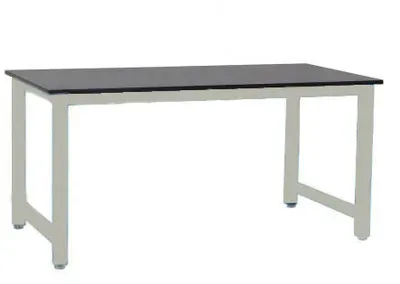

Modern laboratories need more than strong furniture. They need workstations that can adjust to changing projects, equipment, users, and daily procedures. A table that works well for one research task may not be suitable for another, especially when laboratories handle different instruments or share space across multiple teams. This is where Quick Labs laboratory tables can support a more flexible workspace. Their adjustable design, durable construction, and optional accessories allow laboratories to create practical work areas without depending on a fixed layout. They can be used for testing, preparation, equipment placement, research, and other routine laboratory activities.
Adjustable Height Supports Different Tasks
Laboratory work is not always completed in the same position. Some tasks require seated work, while others are easier to perform while standing. Different users may also need different working heights to remain comfortable and productive.
The Quick Labs adjustable table can be set between 30 and 36 inches in height. This allows facilities to modify the workstation based on the task, equipment, or person using it. Instead of assigning one table to one specific purpose, laboratories can adjust the same workstation to support several different needs.
This type of flexibility is especially useful in shared laboratories, educational facilities, testing centers, and research environments where workflows may change regularly.
Strong Construction Supports Demanding Laboratory Use
A flexible table must also be strong enough to handle heavy equipment and daily use. Laboratory furniture often supports instruments, containers, testing materials, and other items that require a stable surface.
The Quick Labs table is built with tubular 16-gauge steel. It can support up to 6,500 pounds when used without wheels and up to 1,200 pounds when fitted with optional casters. This makes it suitable for both stationary equipment and movable laboratory setups.
Its heavy-duty construction also allows the table to be reused for different purposes. A table used as an equipment station today may later serve as a preparation bench or testing area.
A Practical Surface for Everyday Work
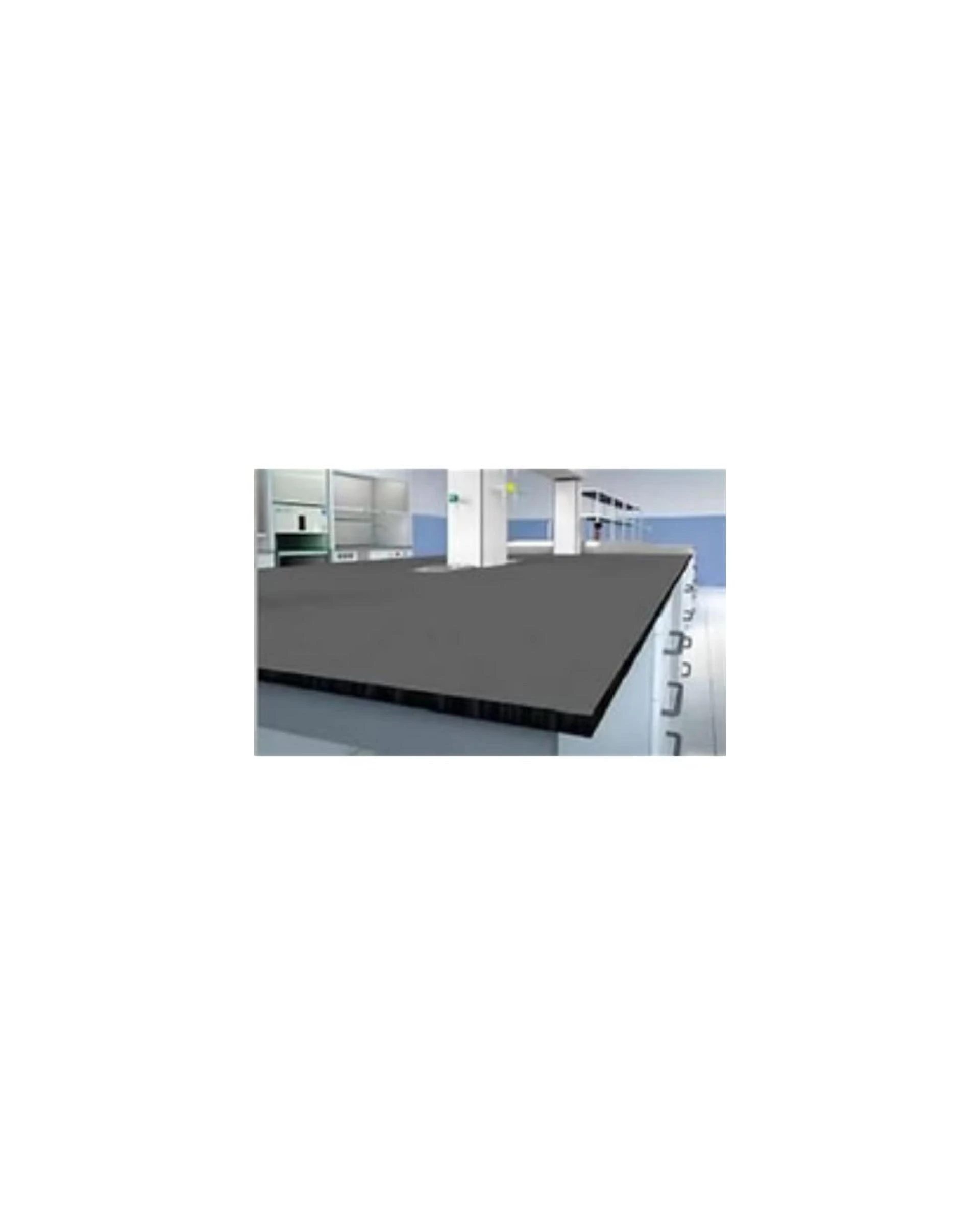
The table includes a 72-inch by 30-inch phenolic resin work surface. This size provides enough room for instruments, samples, supplies, and documentation without making the workstation difficult to manage.
Phenolic resin is commonly used in laboratories because it provides a durable and nonporous surface for many routine applications. It can support regular cleaning and general laboratory use, although facilities should always confirm that the surface is suitable for the specific chemicals, temperatures, and procedures used in their workspace.
The large work area also helps researchers organize equipment more effectively. A well-arranged surface can reduce clutter and make it easier to complete tasks safely and efficiently.
Optional Features Improve Workspace Flexibility
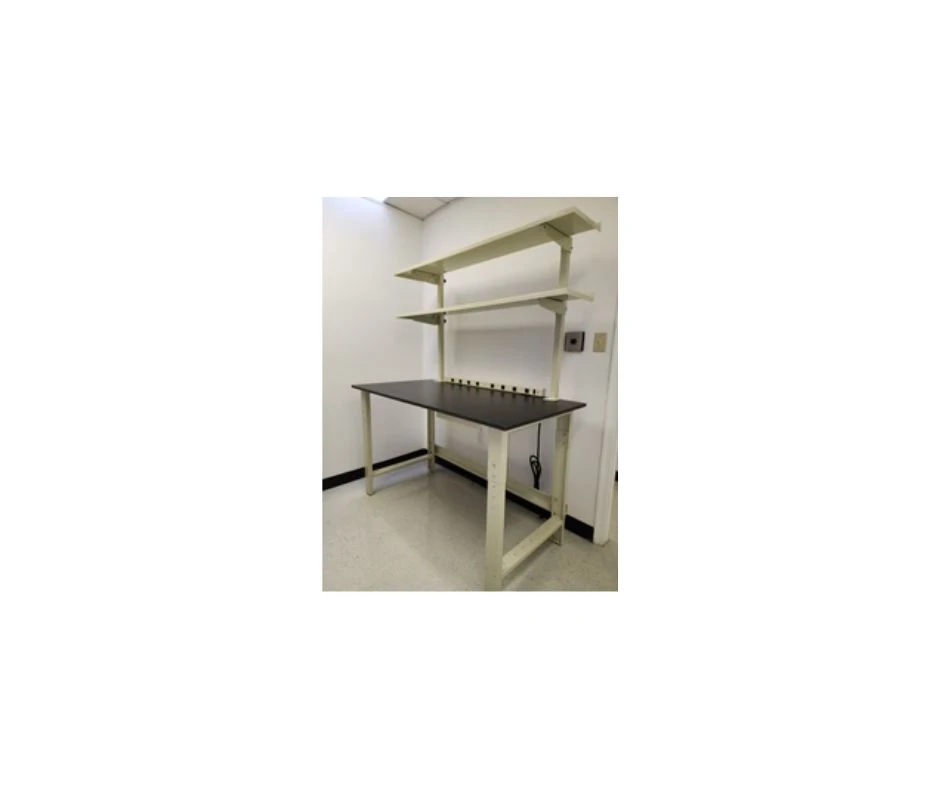
Laboratories do not all have the same storage, mobility, or power requirements. The Quick Labs table can be configured with optional casters, an undershelf, an upper metal shelf, and a power strip.
Casters make it easier to move the table when a laboratory layout needs to change. An undershelf can hold equipment or supplies that should remain close to the workstation. An upper shelf provides additional storage without reducing the main working area. A power strip can also help organize electrical connections for compatible equipment.
These options allow laboratories to select a setup that fits their workflow rather than relying on a standard table with limited functionality.
Better Use of Available Laboratory Space
Laboratory space is often limited, so each piece of furniture should provide practical long-term value. Tables that can be adjusted and reconfigured make it easier to use the same area for several types of work.
For example, a table can function as a research bench during one project and later support equipment testing or sample preparation. A model with casters can also be moved between rooms or departments when needed.
This adaptability can reduce the need for additional furniture and help facilities avoid major layout changes when new equipment or research requirements are introduced. For organizations planning a more efficient laboratory, Quick Labs lab tables offer a useful combination of strength, workspace, and configuration options.
Conclusion
Flexible research environments depend on furniture that can support different users, tasks, and equipment. Adjustable height, a strong steel frame, a durable phenolic surface, and optional storage or mobility features can make a laboratory table more useful over time. By choosing Quick Labs laboratory tables, facilities can create workstations that remain practical as research needs change. Government Lab Enterprises offers an adjustable model designed to support both daily laboratory work and long-term workspace planning.


























Sign in to leave a comment.