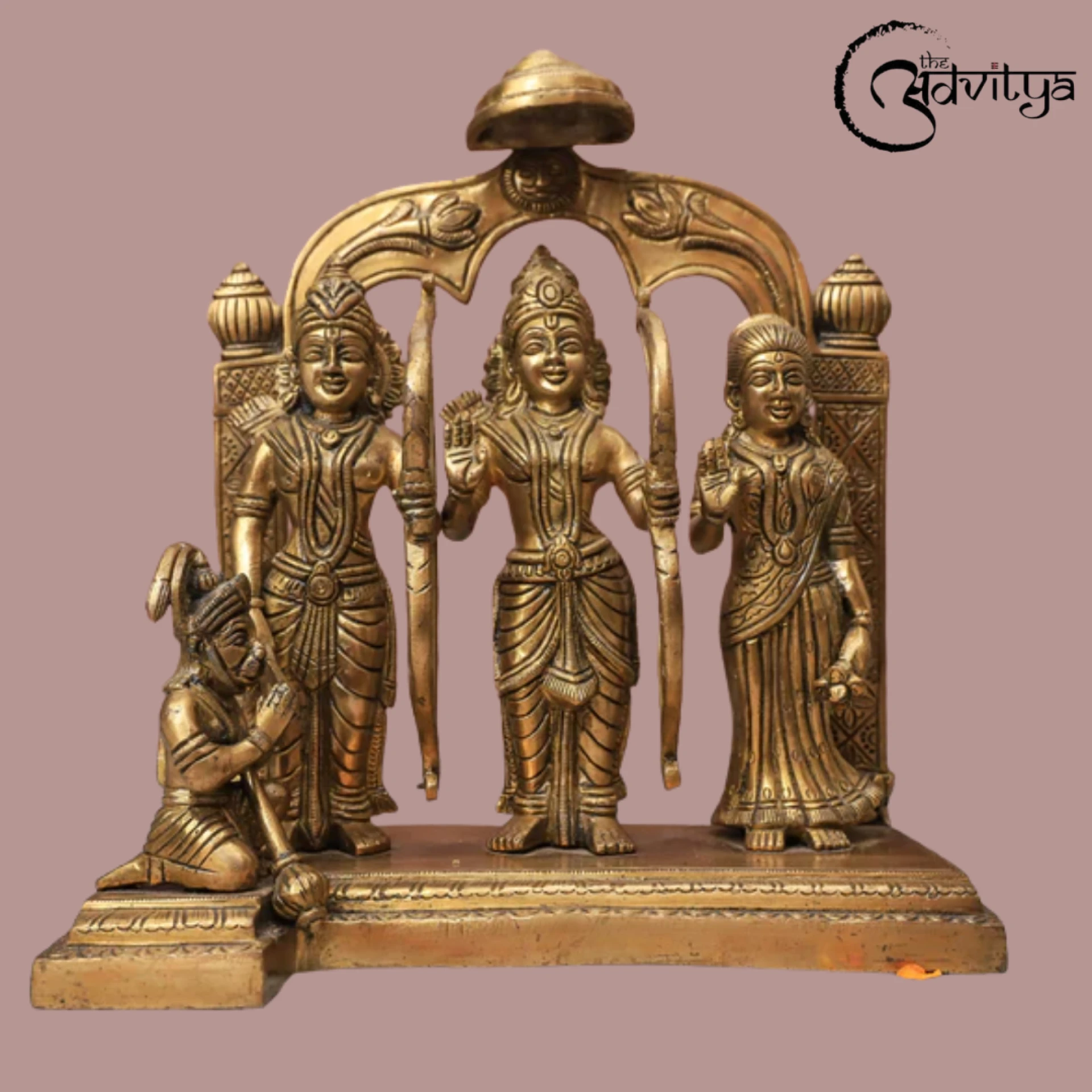

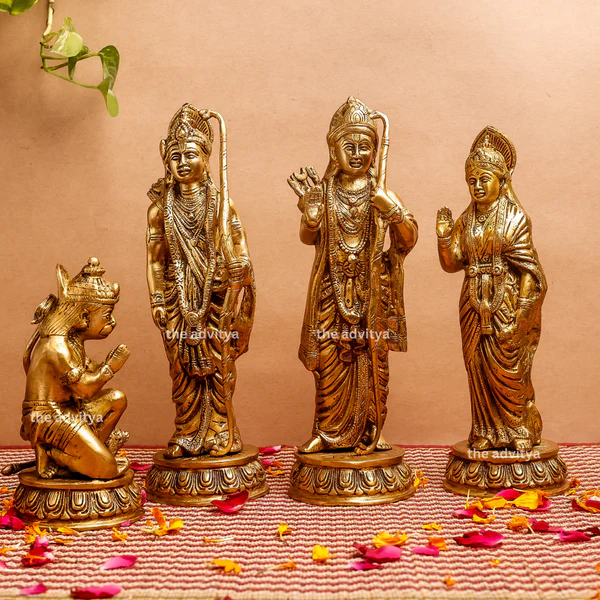
Ram Navami is one of the most sacred festivals in Hinduism, marking the birth of Lord Rama, the seventh avatar of Lord Vishnu. Celebrated with devotion and spiritual fervour across India, this auspicious day brings homes, temples, and communities together in honour of dharma and righteousness. At the heart of these celebrations lies Ram Darbar, the divine assembly of Lord Rama, Goddess Sita, Lakshmana, and Lord Hanuman, symbolising ideal values, devotion, and harmony.
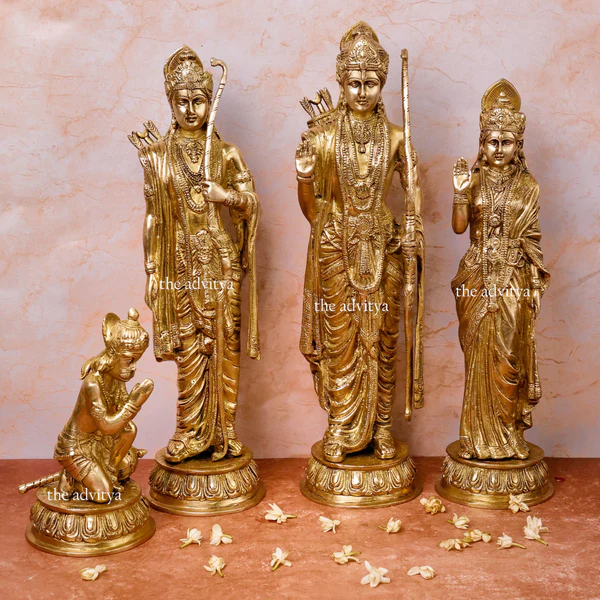
The Spiritual Importance of Ram Darbar on Ram Navami
During Ram Navami, Ram Darbar becomes the focal point of worship. It represents the coronation and righteous reign of Lord Rama, often referred to as Rama Rajya. Devotees believe that praying to Ram Darbar on this day invites peace, prosperity, and moral strength into their lives.
Many households clean and decorate their prayer areas, placing beautifully crafted god idols of Ram Darbar as a mark of reverence. The presence of Ram Darbar is seen as a reminder to follow truth, loyalty, and compassion in everyday life.
Home Celebrations: Worship and Rituals
In homes, Ram Navami celebrations begin with early morning prayers and ritual bathing of Ram Darbar idols. Fresh flowers, incense, diyas, and offerings like fruits and sweets are arranged with devotion. Devotees chant the Ramayana, sing bhajans, and recite the name of Lord Rama, creating a spiritually uplifting environment.
Many families observe fasts and conclude the day with aarti before Ram Darbar. Apart from worship, elegantly designed Ram Darbar idols are often placed as an antique showpiece for the living room, blending spirituality with traditional décor while maintaining a sacred presence.
Temple Celebrations and Processions
Temples witness grand celebrations during Ram Navami. Ram Darbar is elaborately decorated, and special abhisheks, discourses, and kirtans are conducted. Idols of Lord Rama, Sita, Lakshmana, and Hanuman are adorned with rich fabrics and jewellery, reflecting divine grace.
In many regions, processions are organised where Ram Darbar idols are carried through the streets, allowing devotees to offer prayers and seek blessings. These processions narrate episodes from the Ramayana and reinforce the victory of good over evil.
Cultural Traditions and Community Participation
Ram Navami celebrations also include cultural performances such as Ram Leela, where stories from the life of Lord Rama are enacted. These performances often culminate in scenes depicting Ram Darbar, highlighting the values of unity, devotion, and righteous rule.
Community feasts, charity drives, and distribution of food further enhance the spirit of togetherness. Honouring Ram Darbar during these gatherings strengthens cultural roots and spiritual understanding among all age groups.
Ram Darbar as a Meaningful Gift During Ram Navami
Gifting holds special importance during festivals. On Ram Navami, god idols and Ram Darbar figurines are commonly exchanged as symbols of blessings and goodwill. These make thoughtful additions to corporate gift hampers, reflecting respect, prosperity, and ethical values in professional relationships.
With artistic craftsmanship and cultural depth, Ram Darbar idols are also cherished as décor pieces, serving both spiritual and aesthetic purposes for recipients.
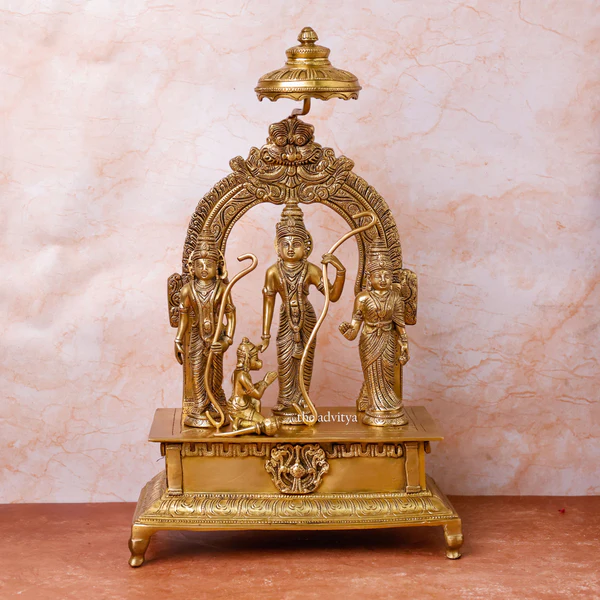
Embracing the Grace of Ram Darbar
Celebrating Ram Darbar during Ram Navami is not just a ritual; it is a reaffirmation of faith, values, and devotion. Whether worshipped through sacred rituals, displayed as an antique showpiece for the living room, or shared as part of corporate gift hampers, Ram Darbar continues to inspire harmony and righteousness.
As devotees come together on this holy occasion, Ram Darbar stands as a timeless reminder of ideal leadership, unwavering devotion, and the eternal triumph of good over evil.




























Sign in to leave a comment.