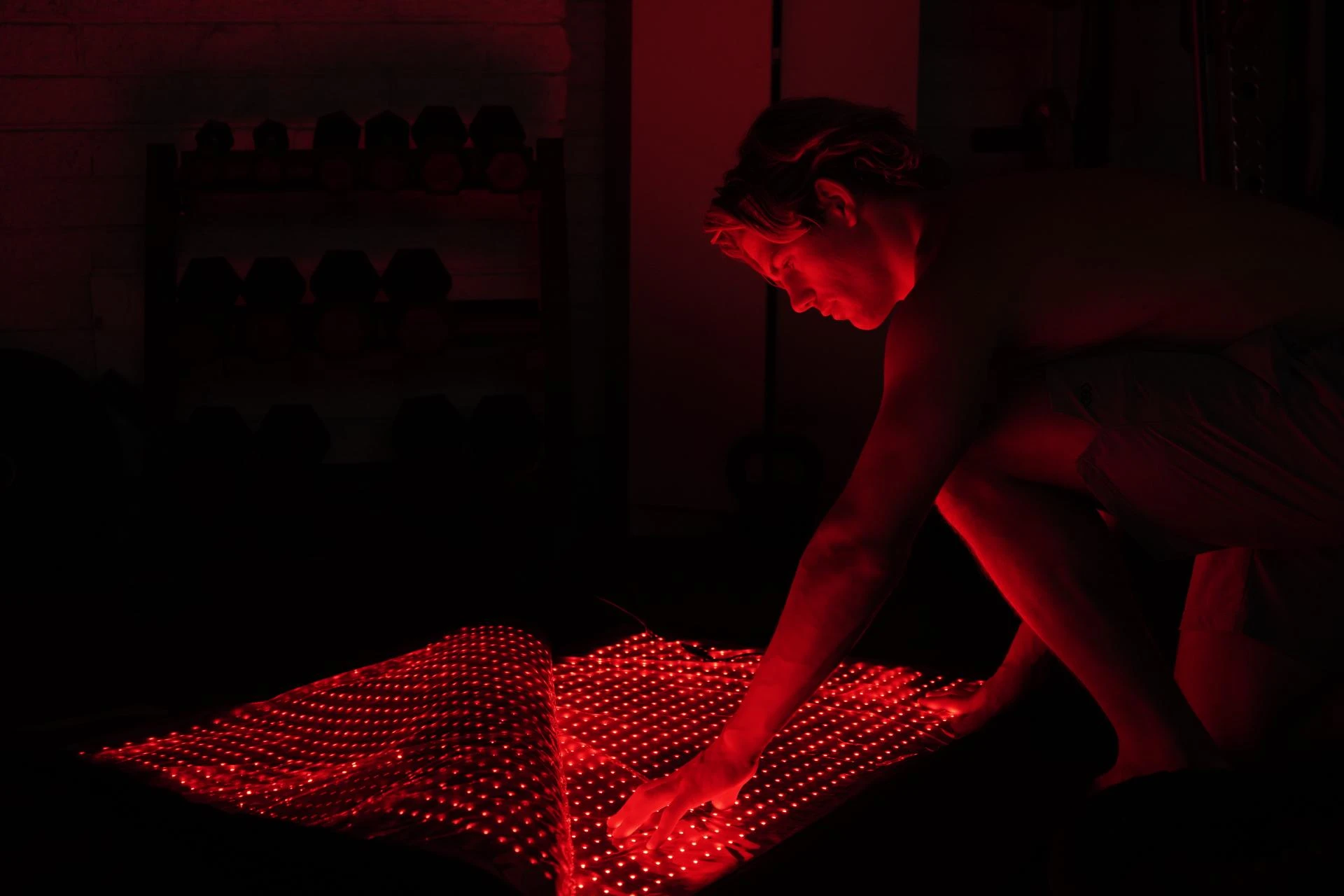

Red light therapy has become a widely discussed wellness approach, known for its ability to support both cosmetic and physical health. By using specific wavelengths of red and near-infrared light, this therapy interacts with the body at a cellular level—impacting everything from skin appearance to muscle recovery and joint comfort.
Understanding how it works across these different areas can help you better integrate it into your routine.
How Red Light Therapy Works
Red light therapy typically uses wavelengths between 620 nm and 850 nm, which penetrate the skin and are absorbed by the mitochondria—the energy centers of cells. This process helps stimulate the production of adenosine triphosphate (ATP), which fuels cellular repair and regeneration.
As a result, the body may respond with improved healing, reduced inflammation, and enhanced overall function.
Effects on Skin
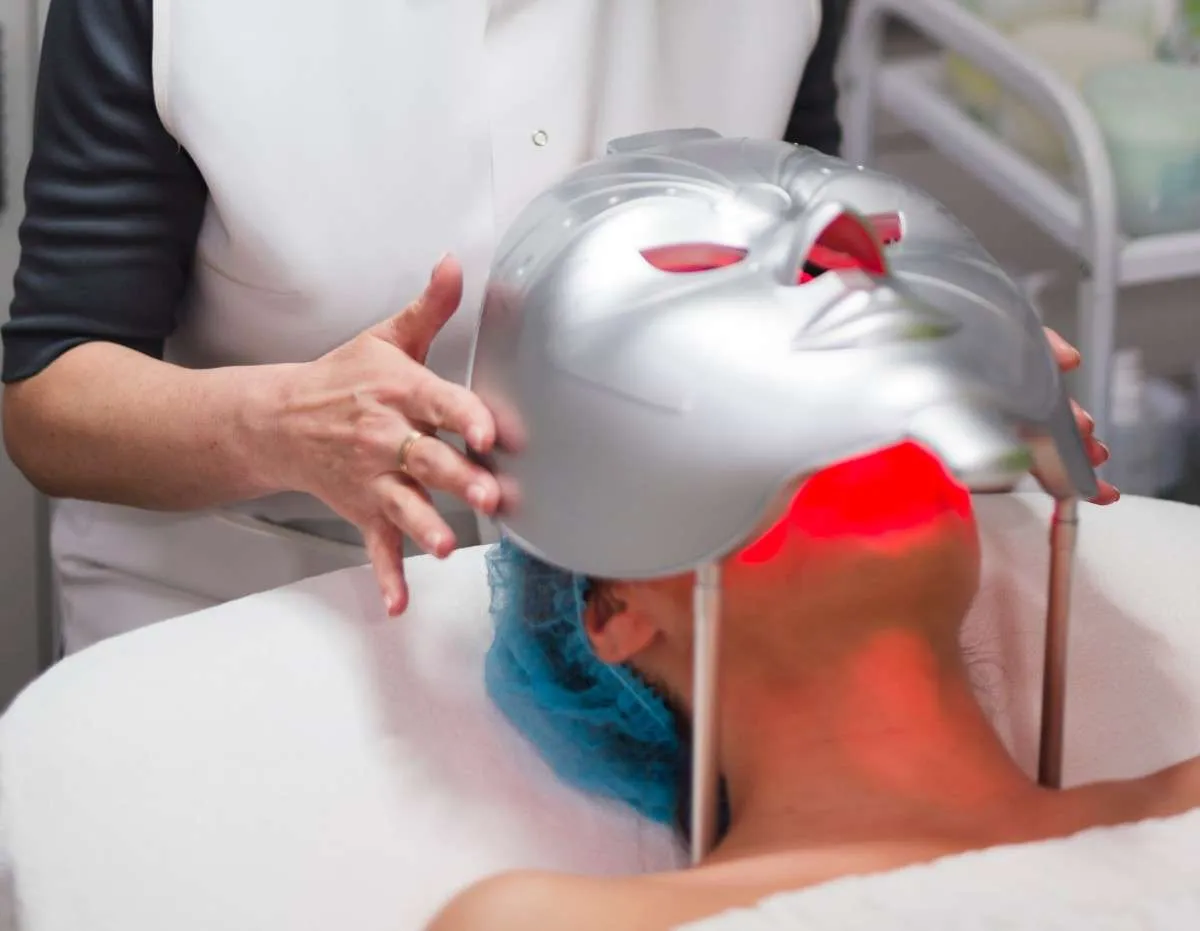
One of the most well-known applications of red light therapy is in skincare. Since red light primarily targets the upper layers of the skin, it can influence several visible and structural aspects.
1. Boosts Collagen Production
Collagen is essential for maintaining skin elasticity and firmness. Red light therapy may stimulate fibroblast activity, encouraging natural collagen synthesis and helping reduce the appearance of fine lines and wrinkles.
2. Supports Skin Repair
By enhancing cellular energy, red light therapy can assist in repairing damaged skin, whether from environmental stressors, minor injuries, or daily wear and tear.
3. Improves Skin Tone and Texture
Consistent use may help create a more even complexion, reduce redness, and improve overall skin clarity.
4. Helps Manage Acne
Red light can reduce inflammation and support the healing of acne-prone skin, making it a useful addition to certain skincare routines.
Effects on Muscles
While red light works well on the surface, near-infrared wavelengths can penetrate deeper into muscle tissue, making the therapy beneficial for physical performance and recovery.
1. Enhances Muscle Recovery
After exercise, muscles experience micro-tears and inflammation. Red light therapy may accelerate recovery by improving cellular repair and reducing oxidative stress.
2. Reduces Muscle Fatigue
Improved mitochondrial function means muscles can produce energy more efficiently, potentially helping reduce fatigue and improve endurance over time.
3. Supports Circulation
Light exposure can promote better blood flow, delivering oxygen and nutrients to muscle tissues more effectively, which aids in faster recovery.
Effects on Joints
Joint discomfort and stiffness are often linked to inflammation and reduced circulation. Red light therapy may offer supportive benefits in this area as well.
1. Reduces Inflammation
One of the key advantages is its potential anti-inflammatory effect, which can help ease joint discomfort over time.
2. Improves Mobility
By supporting tissue repair and reducing stiffness, users may experience improved flexibility and range of motion.
3. Aids in Long-Term Joint Health
Regular sessions may contribute to maintaining joint function, especially for individuals dealing with repetitive strain or age-related stiffness.
A Combined Approach to Wellness
Because red and near-infrared light affect both surface and deeper tissues, many people use this therapy as a multi-purpose solution—supporting skin health while also addressing muscle recovery and joint comfort.
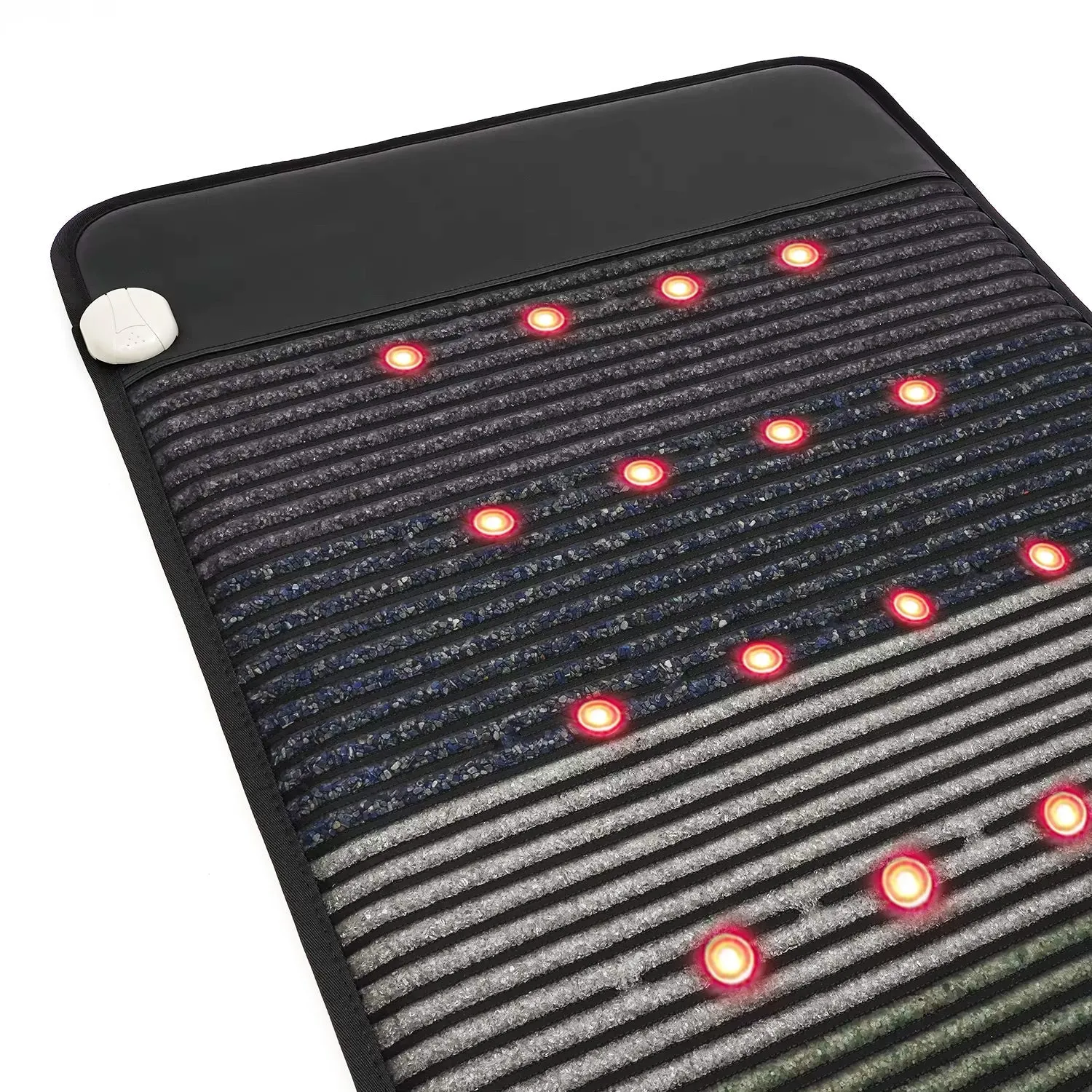
Some full-body systems, such as the HEALiX Elevate Light Pod, are designed to deliver a broader spectrum of light wavelengths, allowing for a more comprehensive approach that targets multiple areas at once. On the other hand, more compact options like the HEALiX Glow Pod are often incorporated into daily skincare routines where focused, surface-level treatment is the priority.
Final Thoughts
Red light therapy offers a unique way to support the body from the outside in. Its ability to stimulate cellular activity means it can influence not just how your skin looks, but also how your muscles recover and how your joints feel.
Whether your goal is healthier skin, improved recovery, or enhanced mobility, understanding these effects can help you use red light therapy more effectively as part of a balanced wellness routine.





























Sign in to leave a comment.