
Flexible solar panels have become a practical energy solution for people on the move or those working with non-traditional surfaces. With advancements in solar technology, these panels now offer a smart combination of portability, efficiency, and ease of installation. But how do they actually work? Let’s break down the process and benefits behind this innovative type of solar energy.
What Are Flexible Solar Panels?
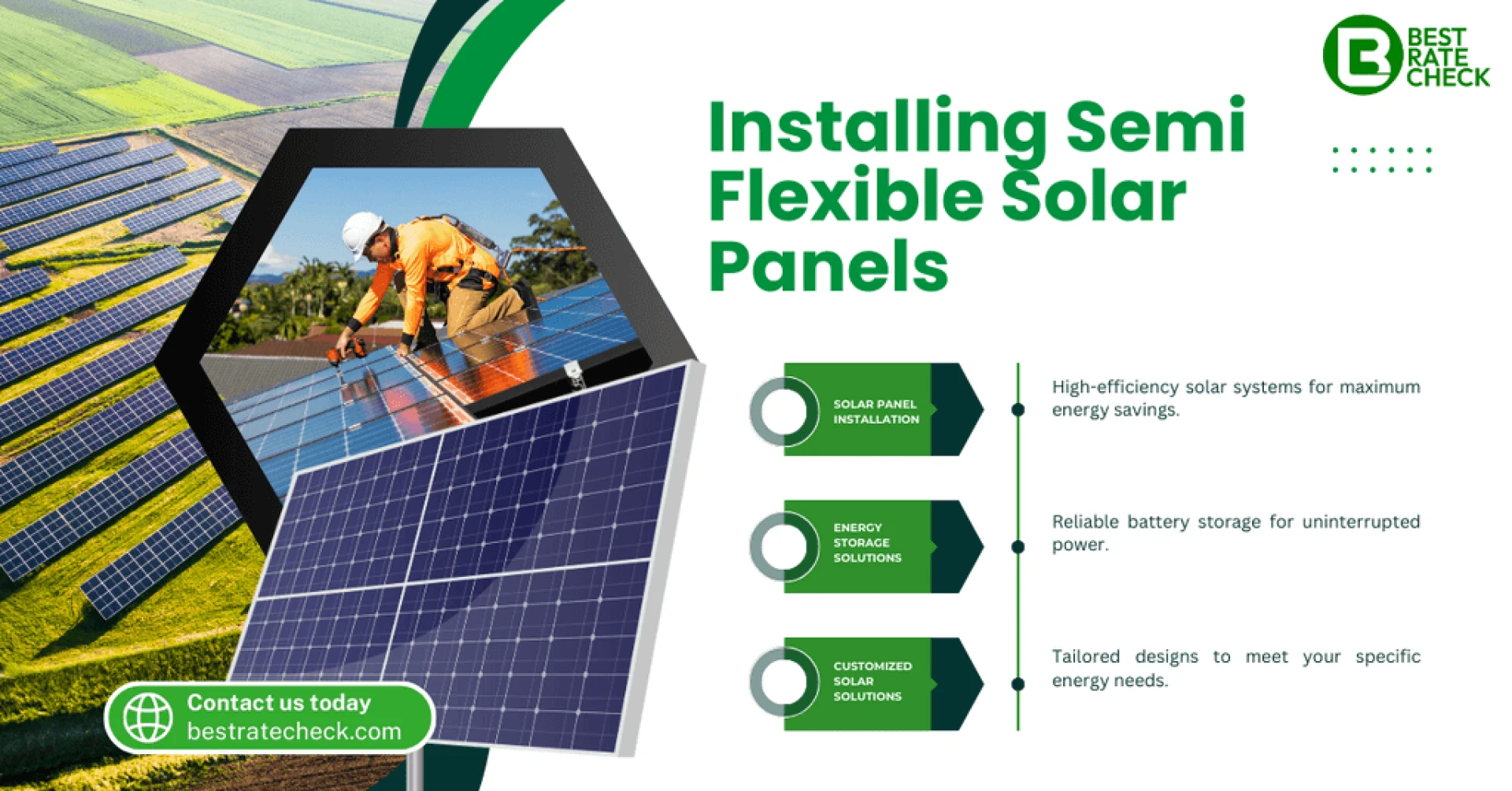
Flexible solar panels are lightweight photovoltaic units that can bend and curve slightly without damage. Built on materials like thin-film or monocrystalline cells mounted to a pliable surface, they are ideal for applications where rigid panels aren’t feasible.
Unlike traditional glass-covered solar modules, semi flexible solar panels for roof installations can adapt to curved surfaces, making them perfect for vehicles, tents, cabins, boats, or even residential setups with unconventional architecture.
How Do They Generate Electricity?
These panels operate on the same principle as standard solar panels. Here's a simplified breakdown:
- Sunlight Activation: Solar cells within the panel absorb sunlight.
- Electron Movement: The energy from sunlight energizes electrons, causing them to move and create an electrical current.
- Power Output: This direct current (DC) electricity is then used directly or stored in batteries. It can also be converted to alternating current (AC) through an inverter for household use.
Thanks to improved cell technology, flexible solar panels now come very close to matching the efficiency of traditional panels, despite their compact and lightweight build.
Why Use Flexible Panels?
The biggest benefit of using flexible panels is their adaptability. Whether you're installing flexible solar panels for roof setups on an RV or laying them over a canopy or trailer, their shape-shifting nature makes them incredibly versatile. Other advantages include:
- Easy transport and installation
- Impact-resistant and durable
- Ideal for off-grid, mobile, and emergency use
- No need for heavy mounting brackets
For people wanting a complete system in one package, a flexible solar panel kit usually includes everything needed: panels, charge controller, wiring, and sometimes even an inverter and battery.
Practical Applications
These panels are widely used in situations where traditional solar isn't practical. Popular applications include:
- RV and van life energy systems
- Marine use on boats and yachts
- Off-grid cabins and tents
- Backup energy during emergencies
A high-quality flexible solar panel kit can make installation a breeze while offering power independence in remote locations.
Limitations to Consider
While they are convenient, flexible panels do come with trade-offs:
- Slightly lower power output per square foot
- Less rigid and potentially more vulnerable over long-term exposure
- Can retain heat, which might affect efficiency in hot climates
That said, the benefits often outweigh the downsides—especially if mobility, weight, and surface shape are concerns.
Conclusion
Flexible solar panels provide an efficient and accessible way to harness solar energy in unconventional environments. Whether you're hitting the road in an RV or outfitting a small off-grid shelter, these panels offer a smart, eco-friendly power solution.
If you're looking for a balance between convenience and performance, consider exploring a flexible solar panel kit. It's a practical choice for anyone who values energy independence without the hassle of heavy equipment.


























Sign in to leave a comment.