

Situations do not turn dangerous all at once. They shift through small changes that build in one direction. Recognizing those changes early allows a response before control is lost. Without that recognition, the situation is often understood only after it has already developed.
Self defense focuses on identifying how situations change before they become dangerous and responding while options are still open.
How early changes begin to shape the situation
The first changes are often subtle. An interaction lasts longer than expected. Attention remains fixed instead of shifting naturally. Movement adjusts to stay aligned rather than moving independently.
Each change may seem insignificant. Together, they create direction. The situation begins to move away from normal interaction and toward something more controlled by one side.
Recognizing this shift is what separates early response from delayed reaction.
Why situations rarely feel clear at the start
Clarity usually comes late. Early stages feel uncertain because the signals are incomplete.
There is no single moment that confirms a problem. Instead, there are small actions that repeat without adapting to the environment. That repetition creates discomfort without providing a clear reason to act.
This is where hesitation appears. Waiting for a clear signal allows the situation to continue developing.
How distance changes without being noticed
Distance is one of the first elements to shift. In public environments, people move around each other constantly, which makes changes in proximity harder to notice.
When someone continues to close or maintain distance without adjusting to available space, the pattern becomes more defined. It is not the initial movement that matters. It is the correction that follows.
Repeated adjustment of distance signals that the interaction is no longer random.
How attention creates direction
Attention that does not shift becomes noticeable over time.
In normal interactions, focus changes naturally. When it stays fixed, it begins to define the interaction. The environment changes, but the attention remains in one place.
This creates pressure. The situation begins to move in a single direction, even if nothing obvious has happened yet.
How interaction extends beyond its natural point
Conversations and interactions usually have a natural end. When they continue without reason, it becomes a signal.
Questions repeat. Responses are acknowledged but not respected. The interaction does not resolve.
This extension shows that the interaction is being maintained rather than shared. That shift changes how it should be handled.
How hesitation allows the situation to progress
Hesitation does not come from a lack of awareness. It comes from uncertainty about what the situation means.
The signals feel incomplete, so the response is delayed. Acting too early feels unnecessary. Waiting feels safer.
During that delay, the situation continues to develop. By the time intent becomes clear, positioning and timing have already changed.
How early response changes the outcome
Responding early does not require full certainty. It requires recognizing direction.
Creating space, adjusting position, or ending an interaction changes how the situation continues. These actions interrupt the pattern before it becomes established.
The response does not need to be complex. It needs to happen while the situation is still forming.
How training develops early recognition
Recognizing these changes improves through repeated exposure to situations that develop gradually.
Training environments introduce variation in timing, movement, and interaction so patterns become easier to identify. This allows responses to be applied earlier without relying on clear confirmation.
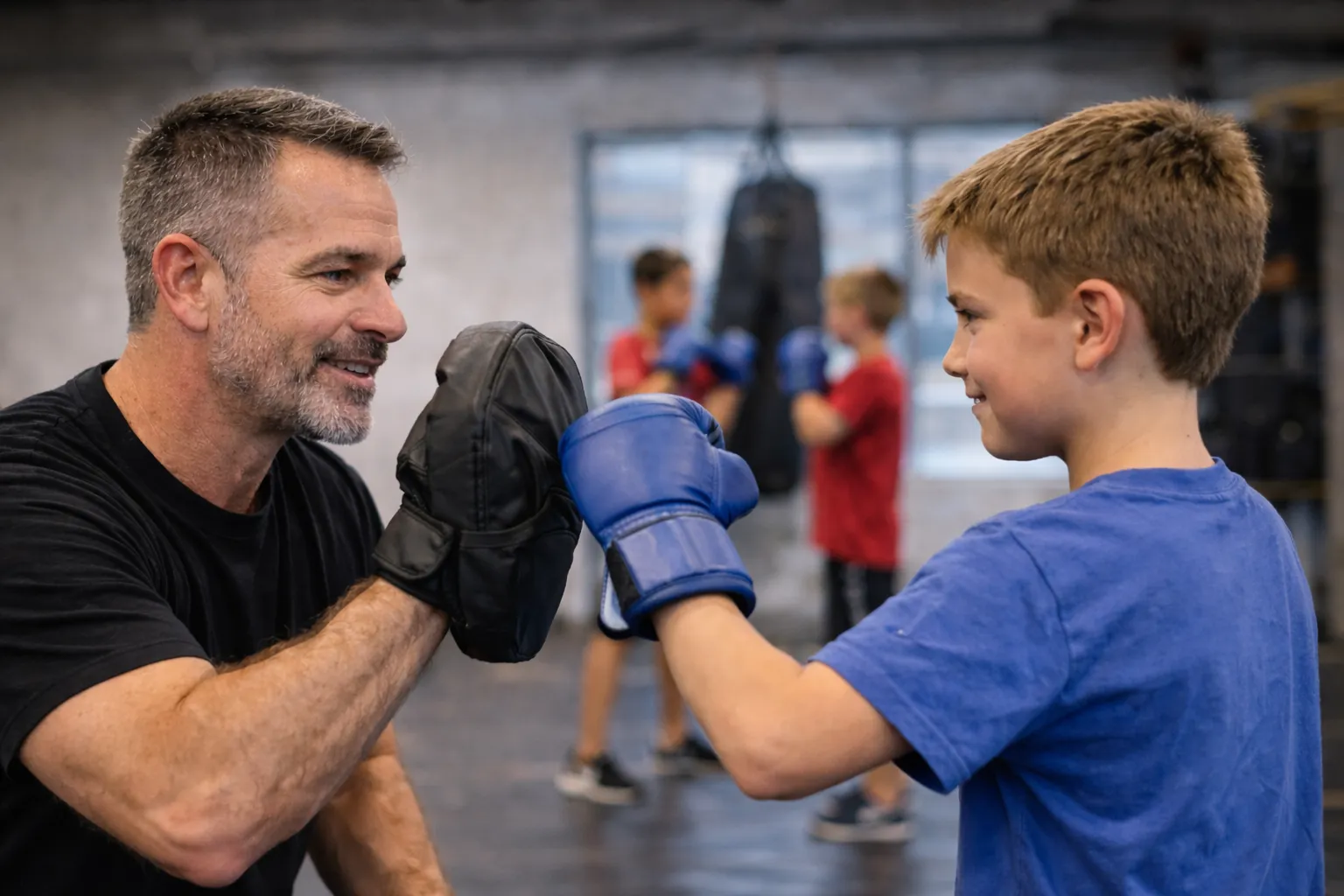
Structured programs such as self defense classes focus on building this connection between recognition and action, where responses are based on how situations develop rather than how they end.
A moment where change becomes visible
On a busy sidewalk, movement is constant. People pass by, adjust direction, and continue without maintaining fixed interaction.
One person continues moving in alignment with you. Distance remains consistent despite available space. Attention does not shift.
At first, nothing stands out. As the pattern continues, the situation becomes clearer.
A response at that stage changes the outcome. Position shifts, space is created, and movement continues without being fixed in place.
When change is enough to act
Situations do not need to become dangerous to require a response. The direction they are moving in provides enough information.
Behavior that repeats without adjustment signals that the interaction is no longer neutral. Acting at that stage prevents the situation from developing further.
This is how situations change before they become dangerous. The early stage defines the outcome more than the final moment.
FAQs
How do situations become dangerous over time
Through repeated actions that move in one direction without adapting to the environment.
Why are early signals difficult to recognize
Because each action appears normal on its own and does not immediately confirm a problem.
Is it necessary to wait for clear intent
No. Responding to consistent patterns allows earlier control of the situation.
What is the first thing that usually changes
Distance, attention, and the length of interaction often shift first.
How can someone improve early recognition
By becoming familiar with how situations develop through repeated exposure and observation.






























Sign in to leave a comment.