

In the UAE’s fast-growing urban and commercial landscape, efficient vehicle access is essential for maintaining smooth operations and high security standards. From residential communities and corporate offices to industrial zones and government facilities, entry points must handle a constant flow of vehicles without delays.
However, many facilities continue to face significant bottlenecks due to slow and outdated vehicle verification processes. These delays not only disrupt traffic flow but also create security risks and operational inefficiencies. As vehicle volumes continue to rise, the need for smarter identification systems has become more critical than ever.
The Problem: Why Vehicle Entry Point Delays Occur
Manual Verification Slows Down Entry
Traditional entry systems often rely on guards to manually check vehicles, record details, or verify access permissions. This process takes time and becomes increasingly inefficient as traffic increases.
During peak hours, even a few seconds of delay per vehicle can lead to long queues and congestion.
High Traffic Volume and Limited Processing Capacity
UAE facilities frequently handle large volumes of vehicles, especially in business districts and residential complexes. Outdated systems are not designed to manage such demand efficiently.
As more vehicles arrive, the system becomes overwhelmed, leading to delays and operational disruptions.
Lack of Real-Time Vehicle Identification
Many traditional systems do not provide instant vehicle identification. Security teams must rely on delayed data or manual checks, which slows down decision-making.
Without real-time verification, vehicles cannot be processed quickly, resulting in bottlenecks at entry points.
Human Error and Inconsistent Checks
Manual processes are prone to errors such as incorrect plate reading or skipped verification. These inconsistencies not only slow down the process but also create confusion and potential security gaps.
Inefficient Integration with Security Systems
In many facilities, entry systems are not integrated with other security technologies such as surveillance or inspection systems.
This lack of coordination adds extra steps to the verification process, increasing delays and reducing efficiency.
The Impact: How Entry Delays Affect UAE Facilities
Traffic Congestion and Long Queues
Delayed verification leads to vehicles piling up at entry points, causing congestion and frustration for drivers.
Reduced Operational Efficiency
Delays in vehicle entry can disrupt daily operations, affecting productivity and workflow in commercial and industrial environments.
Poor User Experience
Residents, employees, and visitors expect quick and seamless access. Long waiting times negatively impact their overall experience.
Increased Security Risks
Congestion and rushed verification can create opportunities for unauthorized vehicles to enter unnoticed.
The Solution: Smart Identification and Integrated Security Systems
Instant Vehicle Identification with Automation
To eliminate delays, modern facilities are adopting automated identification systems that process vehicles instantly.
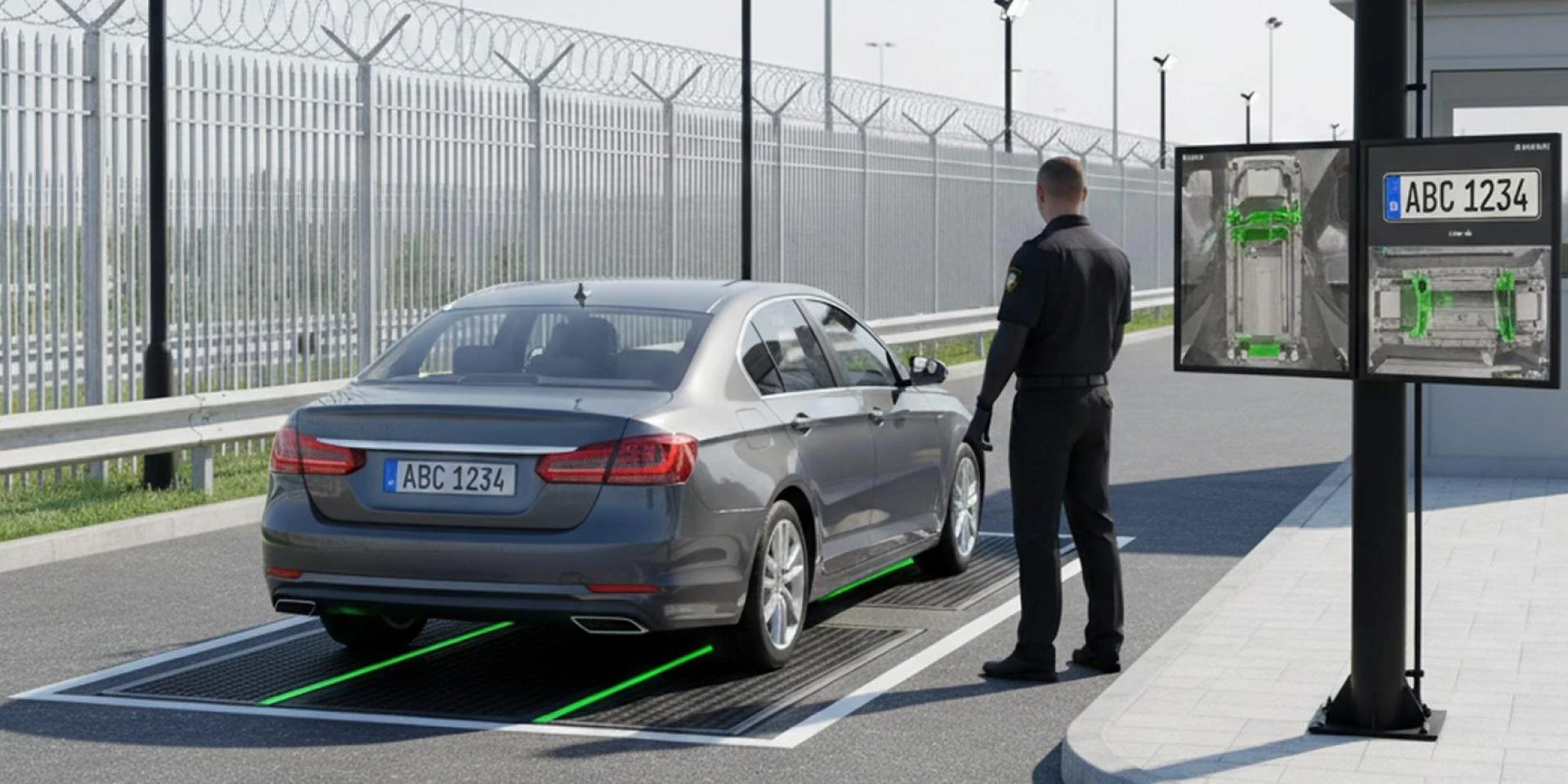
The Automatic License Plate Recognition system plays a crucial role by capturing and processing license plate data in real time, enabling quick verification and seamless access without manual intervention.
Integration with Under Vehicle Inspection Systems
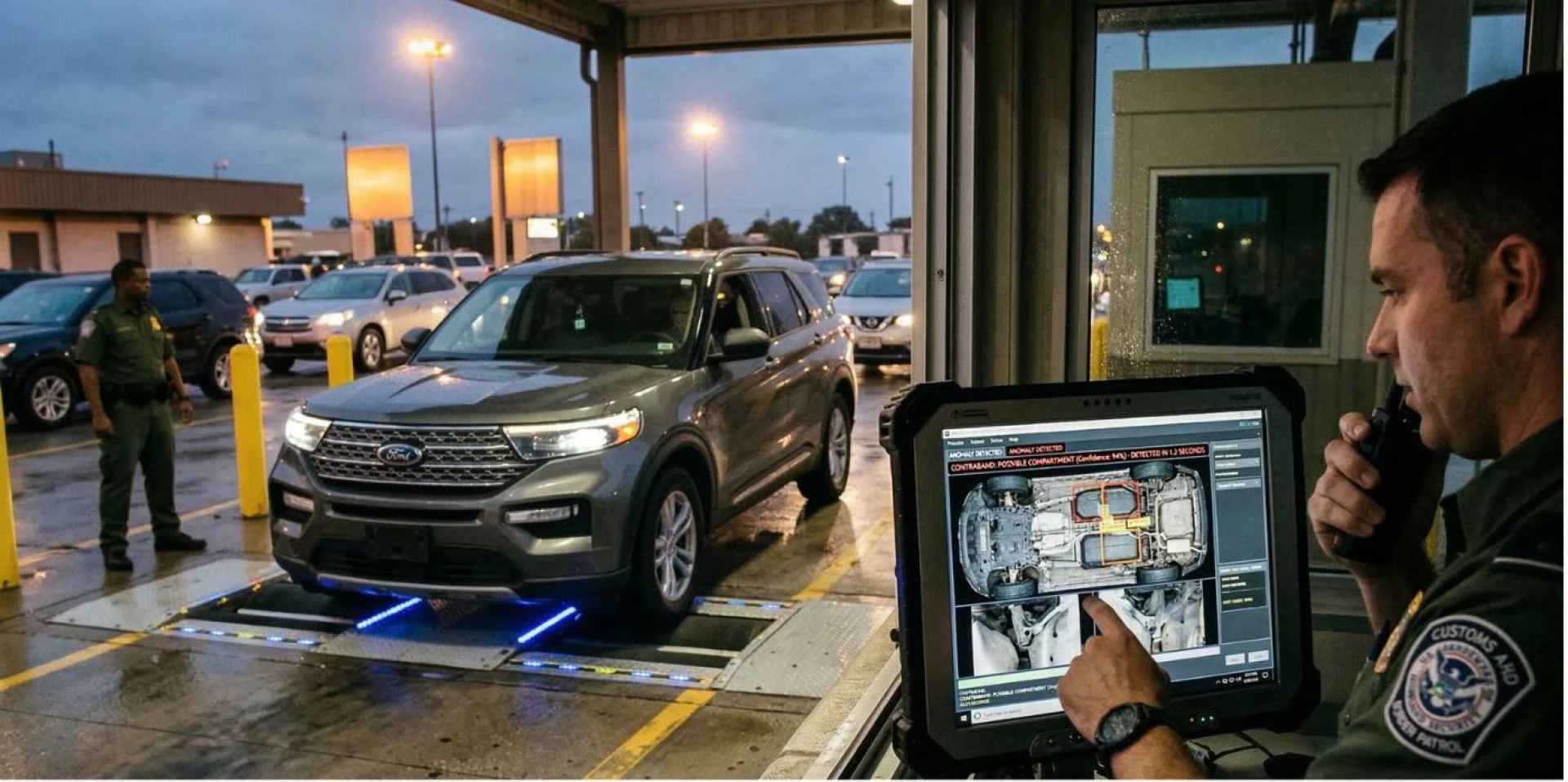
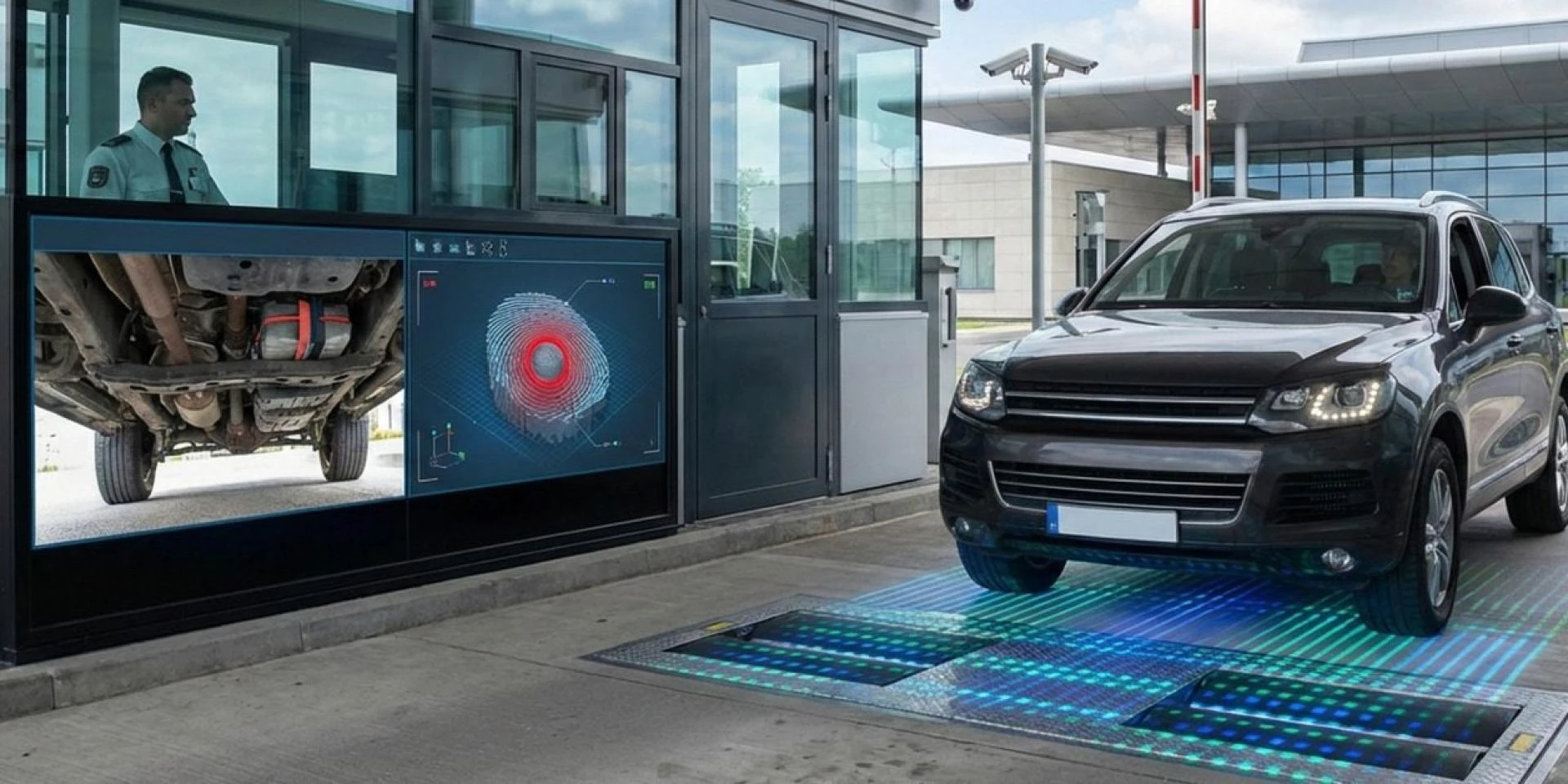
A key innovation in modern vehicle security comes from combining identification technologies with advanced under vehicle inspection systems. While recognition systems instantly identify and log each vehicle, under vehicle inspection systems scan the underside of vehicles to detect hidden threats such as explosives or contraband. This integration ensures that both identification and inspection occur simultaneously without slowing down the entry process.
Real-Time Monitoring and Instant Decision-Making
Smart systems provide real-time monitoring and instant access decisions. Authorized vehicles can pass through quickly, while unauthorized ones are flagged immediately.
This eliminates delays and improves both speed and security.
Centralized Data Management and Automated Access Control
All vehicle data is stored in a centralized digital system, allowing easy access, analysis, and retrieval of information, which improves decision-making and operational efficiency. Automated access control systems use this data to manage entry points seamlessly, ensuring that vehicles are processed quickly without manual intervention.
Scalable Systems for High-Traffic Environments
Modern identification systems are designed to handle large volumes of vehicles without performance issues.
This makes them ideal for UAE facilities where traffic demand continues to grow.
Benefits of Smart Identification Systems
Reduced Entry Delays
Automation speeds up verification, eliminating bottlenecks at entry points.
Improved Traffic Flow
Faster processing ensures smooth movement of vehicles within facilities.
Enhanced Security and Control
Real-time monitoring ensures accurate verification and reduces risks.
Better User Experience
Quick and seamless access improves satisfaction for all users.
Expert in Intelligent Access Control Solutions
With expertise in intelligent vehicle tracking, Commport Technologies provides reliable LPR systems that help UAE facilities reduce entry delays, enhance security, and achieve seamless integration with advanced under vehicle inspection technologies.
Conclusion
Vehicle entry point delays are a growing challenge in UAE facilities, driven by outdated systems and increasing traffic volumes. These delays not only affect operations but also create potential security risks.
By adopting smart identification systems, organizations can eliminate bottlenecks, improve efficiency, and strengthen security. Investing in modern, integrated solutions is essential for maintaining smooth and secure operations in today’s fast-paced environment.




















Sign in to leave a comment.