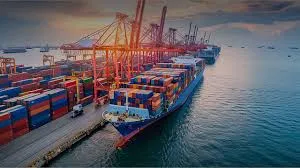

Smart ports use technologies like IoT, automation, and data analytics to manage operations more efficiently. Instead of manual processes, everything is connected and driven by real-time data. Let’s understand how smart ports actually work step by step.
Step-by-Step Process
1. Data Collection
The process starts with IoT sensors installed on cranes, containers, trucks, and equipment. These sensors collect real-time data such as location, movement, and equipment status.
2. Data Transmission
The collected data is sent to central systems through secure networks or cloud platforms. This ensures that all information is available instantly across the port.
3. Data Processing & Analysis
Advanced analytics tools and AI process the data to identify patterns, detect issues, and predict delays. This helps in understanding what is happening and what might happen next.
4. Decision-Making
Based on insights, the system or operators make quick decisions. For example, rerouting trucks, adjusting crane operations, or managing yard space more efficiently.
5. Automation & Execution
Automated systems like smart cranes and driverless vehicles carry out tasks based on these decisions. This reduces manual work and speeds up operations.
6. Continuous Monitoring
The system continuously tracks performance and updates data in real time. This creates a loop where operations are constantly optimized.
Final Thoughts
Smart ports work as a connected system where data flows continuously from collection to execution. This step-by-step process helps ports become faster, smarter, and more efficient.
Companies like INTECH Creative Services are helping ports implement these systems with advanced automation, real-time analytics, and scalable digital solutions.
Read More: https://theintechgroup.com/blog/smart-ports-real-world-port-digitization-iot/





















Sign in to leave a comment.