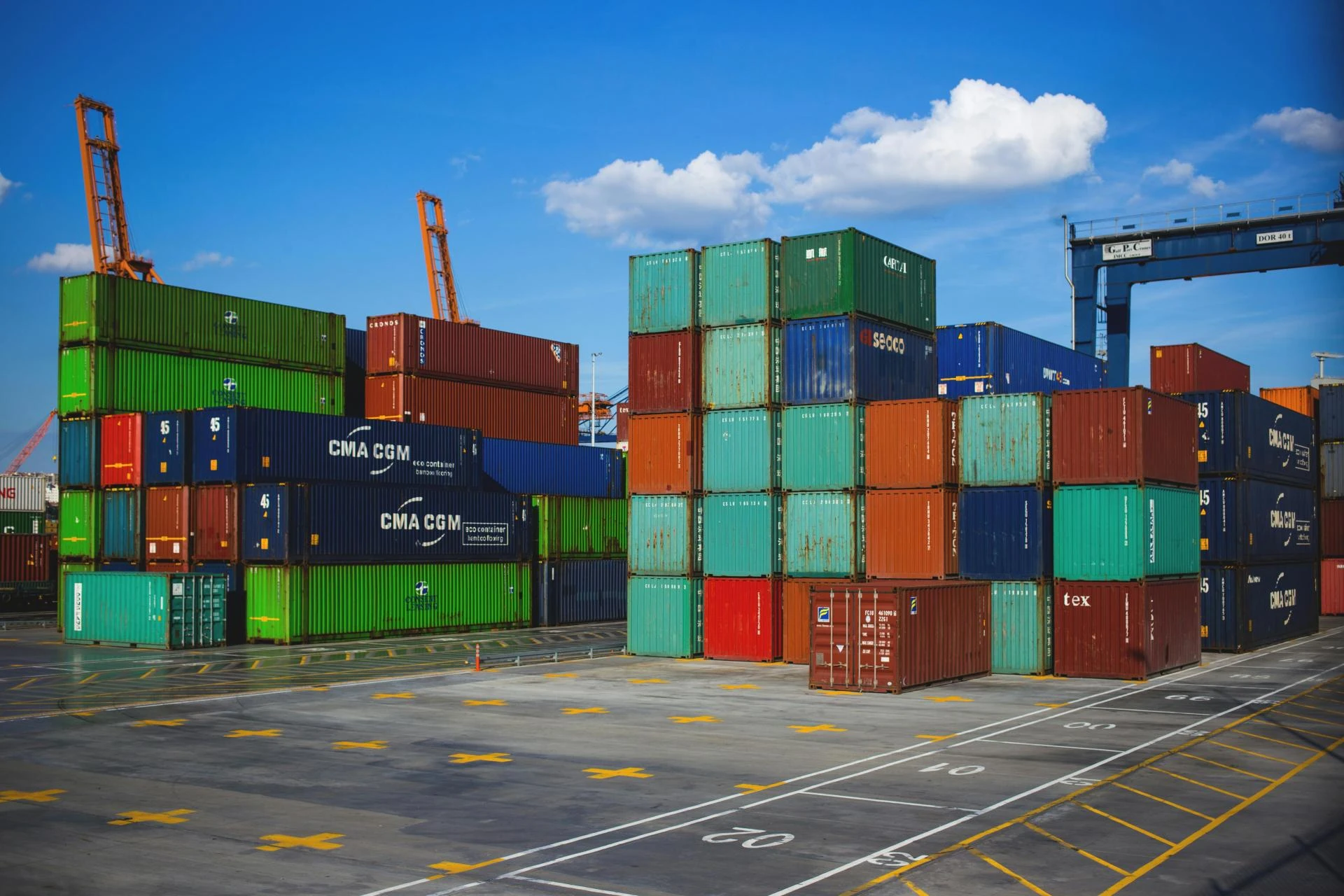

At a busy port terminal, containers move fast. Trucks queue at the gate, cranes lift boxes without pause, and inspection teams work under constant pressure to keep cargo flowing. In this environment, container damage inspection often becomes a race against time.
Most containers look fine at a glance. The real problem lies in the details. A shallow dent on a side panel, a slightly bent corner post, or early corrosion near the roofline can be easy to miss. When that damage later turns into a cargo claim or safety issue, the question is always the same. Where did it happen and why was it not detected earlier?
This is the gap where AI powered container damage detection is being introduced. But while expectations are high, it is important to understand what AI genuinely does well and where its limitations still exist.
Why Container Damage Detection Is a Persistent Challenge
Container inspection sounds simple until it meets real world conditions. Inspectors work with limited time, uneven lighting, weather exposure, and containers that have seen years of wear. Dirt, paint scratches, rust, stickers, and repairs often mask defects.
On top of this, inspection quality can vary from person to person and from shift to shift. Two inspectors may look at the same container and come to different conclusions about whether damage is acceptable or reportable.
AI is being introduced not because inspectors lack skill, but because human inspection does not scale easily under pressure.
What AI Can Reliably Detect Today
AI based container inspection systems rely mainly on computer vision models trained on large datasets of container images. When implemented correctly, these systems perform well in several key areas.
Structural dents and deformations
AI is particularly effective at identifying visible dents, warped panels, and bent structural elements. Since container dimensions are standardized, deviations from normal shapes are easier for models to flag.
Medium to large dents on side panels, roof panels, or doors are among the most consistently detected damage types.
Holes cracks and visible breaks
Clear physical breaches such as holes, cracks, or torn metal surfaces are also well detected. These defects stand out visually and have strong contrast, making them easier for image based systems to identify.
When image quality and camera angles are good, AI rarely misses these issues.
High volume repetitive inspections
One of AI’s strongest advantages is consistency. It can inspect thousands of containers without fatigue, distraction, or time pressure.
This makes it especially effective for gate inspections, crane mounted cameras, and automated drive through scanning lanes where speed matters.
Visual documentation and traceability
Even when AI does not make a final decision, it consistently captures timestamped images. This creates a reliable inspection record that can be used later for audits, claims, and dispute resolution.
For many terminals, this documentation alone delivers significant value.
Where AI Still Has Clear Limitations
Despite progress, AI is not capable of detecting every type of container damage. Understanding these limits is critical to using the technology effectively.
Hairline cracks and early fatigue
Very fine cracks or early metal fatigue are difficult to detect unless cameras are extremely close and conditions are ideal. These defects often require hands on inspection or specialized tools.
Rust versus cosmetic wear
AI can identify rusted areas, but distinguishing between superficial corrosion and structural corrosion remains challenging. Context matters here, and human judgment is often required.
Obstructed or dirty surfaces
Real world containers are rarely clean. Stickers, dirt, grease, and faded paint can hide damage. When defects are partially covered, AI accuracy drops significantly.
Experienced inspectors often perform better in these situations.
Internal and non visual damage
Vision based AI systems cannot detect internal floor damage, hidden structural fatigue, moisture ingress, or seal failures. These issues require other inspection methods.
Decision based classification
Determining whether damage is acceptable, repairable, or safety critical often depends on operational standards, contracts, and experience. AI can flag potential issues, but humans must make the final call.
Why AI Works Best as an Inspection Assistant
The most successful ports do not treat AI as a replacement for inspectors. Instead, they use it as a support tool.
- A practical workflow usually looks like this
- AI scans containers and flags potential damage
- Inspectors review flagged cases
- Humans confirm or dismiss findings
- Feedback improves future detection accuracy
This approach combines consistency with experience and builds trust among inspection teams.
Environment and Data Quality Matter More Than Models
Many AI deployments fail not because the technology is weak, but because environmental factors are underestimated.
Camera placement, lighting conditions, weather exposure, and image resolution all directly impact detection quality. A well trained model cannot compensate for poor data input.
Ports that invest in proper infrastructure setup tend to see much better results.
The Cost of False Positives
In operational environments, false positives can be as damaging as missed defects. Too many incorrect alerts slow down operations and reduce confidence in the system.
Effective systems prioritize precision over alert volume. It is better to flag fewer high confidence issues than overwhelm teams with noise.
What This Means for Ports and Terminals
AI powered container damage detection is not about full automation. It is about reducing risk and improving consistency at scale.
- When used correctly, it helps ports
- Inspect more containers without slowing throughput
- Create stronger documentation
- Reduce disputes and claims
- Use skilled inspectors more efficiently
When used without process alignment, it creates friction.
Looking Ahead
AI will continue to improve in areas like corrosion classification, multi angle analysis, and low light performance. Integration with terminal systems and claims workflows will also become stronger.
However, full autonomous inspection is unlikely to replace human expertise. And it does not need to.
Final Thought
AI does not need to detect every defect to be valuable. It needs to detect the right ones consistently and provide reliable evidence.
Container inspection works best when machines handle repetition and humans handle judgment. Together, they create an inspection process that is faster, fairer, and more reliable.
That balance is where real progress happens.



























Sign in to leave a comment.