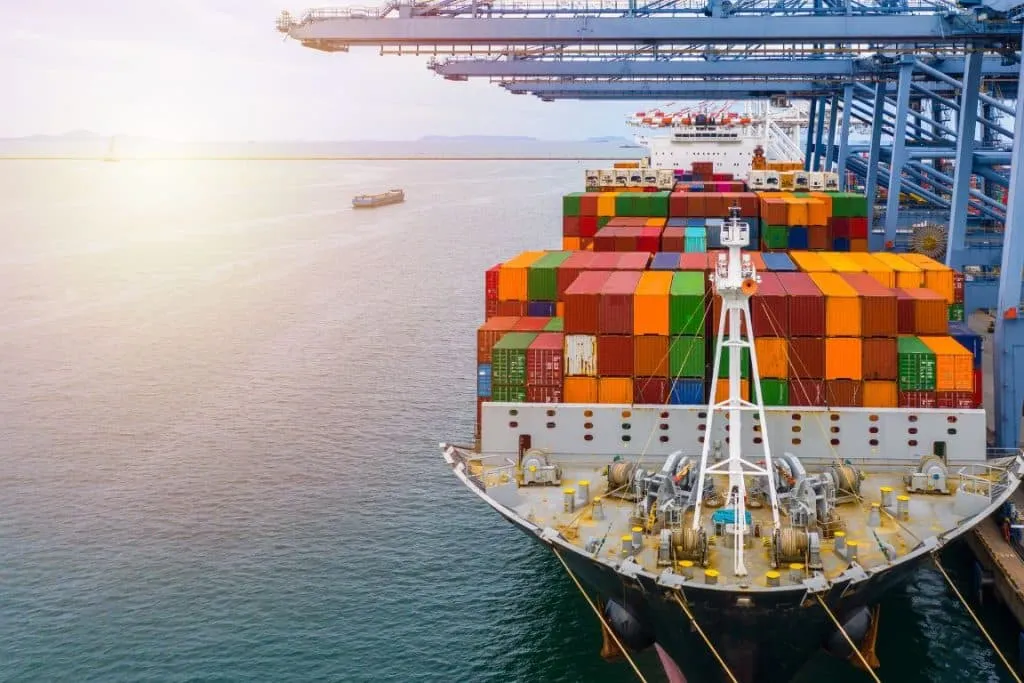

The global shipping industry responsible for transporting nearly 90% of world trade—is undergoing a major transformation. Driven by stricter environmental regulations and growing climate concerns, shipping companies are now under pressure to reduce emissions, adopt cleaner technologies, and rethink long-standing operational models.
As part of this shift, ports are also evolving, with a strong focus on sustainable port operations to support cleaner and more efficient maritime logistics ecosystems.
A Turning Point for Maritime Operations
For decades, the maritime sector relied heavily on fossil fuels, contributing significantly to global greenhouse gas emissions. Today, international regulatory bodies are pushing for aggressive emission reductions, marking a decisive shift toward sustainability. These changes are not just environmental they are economic and strategic as well.
Rising Costs Through Carbon Taxes
One of the most immediate impacts of environmental regulation is the introduction of carbon pricing mechanisms. Carbon taxes and emission trading systems are increasing operational costs for shipping companies.
Firms that once prioritized cost efficiency must now account for carbon footprints in every voyage. This means higher fuel expenses, increased compliance costs, and the need to invest in carbon offset strategies. While these measures aim to reduce emissions, they also challenge profit margins especially for smaller or older fleets.
Mandatory Emission Tracking
Transparency is now a key requirement. Shipping companies are required to implement advanced emission monitoring and reporting systems. These systems track fuel consumption, carbon output, and overall environmental performance.
While this adds another layer of operational complexity, it also pushes companies toward data-driven decision-making. Organizations that effectively leverage these insights can identify inefficiencies and optimize routes, ultimately reducing both emissions and costs.
The Shift to Green Fuels
Perhaps the most transformative change is the industry’s gradual transition to alternative fuels. Cleaner options like ammonia, hydrogen, and biofuels are gaining traction as viable substitutes for traditional marine fuels.
Ammonia, in particular, is emerging as a promising zero-carbon fuel. However, adopting such technologies requires significant investment in new vessels, retrofitting existing fleets, and developing global fuel infrastructure. This shift represents both an opportunity for innovation and a financial hurdle for many companies.
Compliance with Global Standards
Shipping companies must now align with stringent international standards aimed at reducing emissions intensity and improving energy efficiency. Compliance is no longer optional—it is a prerequisite for operating in global markets.
These regulations are accelerating modernization across the industry, pushing companies to upgrade vessels, improve engine efficiency, and adopt digital solutions. Non-compliance can result in penalties, restricted operations, or reputational damage.
Pressure on Legacy Systems
Older ships and outdated technologies are particularly vulnerable in this new regulatory environment. Retrofitting legacy vessels can be costly and, in some cases, impractical.
As a result, companies are facing tough decisions: invest heavily in upgrades or phase out aging fleets altogether. This financial pressure is reshaping competitive dynamics, favoring organizations that can adapt quickly and invest in sustainable innovation.
Final Thoughts
The shipping industry stands at a critical crossroads where environmental responsibility and economic sustainability must go hand in hand. Regulations driven by organizations like the International Maritime Organization are not just compliance checkpoints—they are catalysts for long-term transformation.
At the same time, technology partners like INTECH Creative Services. are playing a crucial role in enabling this shift. With expertise in digital transformation, AI, data engineering, and supply chain solutions, INTECH helps logistics and maritime businesses modernize operations, improve efficiency, and meet evolving regulatory demands.
By leveraging intelligent systems, predictive analytics, and automation, companies can not only ensure compliance but also unlock new levels of performance and sustainability. In a world where regulations are tightening, having the right technology partner becomes a strategic advantage.
























Sign in to leave a comment.