
You open your utility bill and the number makes you wince. Your heating and cooling system runs constantly, yet your home never quite reaches the comfort level you expect. Rooms feel too hot in summer and too cold in winter no matter how high you set the thermostat. The problem is not your HVAC system. The problem is air escaping through gaps and poorly insulated spaces throughout your home. Spray foam insulation addresses this problem directly and permanently. In this guide, you will learn exactly why spray foam insulation is so effective at helping homeowners reduce energy bills, where it makes the biggest impact, and what kind of savings you can realistically expect.
Why Most Homes Lose So Much Energy
Before understanding the solution, it helps to understand the problem clearly. Most residential homes, especially those built before 2000, were not sealed or insulated to modern standards. Gaps exist around pipes, wiring, window frames, and structural connections. These gaps allow conditioned air to escape and outdoor air to enter constantly.
According to the U.S. Department of Energy, air leakage accounts for 25 to 40 percent of the energy a typical home uses for heating and cooling. That means a significant portion of every dollar you spend on energy is simply lost through cracks and gaps that most homeowners never see and never address.
Traditional insulation materials like fiberglass batts slow heat transfer through solid surfaces but do nothing to stop air movement. This is the fundamental limitation that spray foam insulation overcomes by providing both thermal resistance and a complete air seal in a single application.
How Spray Foam Insulation Seals and Insulates Simultaneously
Spray foam insulation expands on contact to fill every gap, crack, and irregular surface it touches. This expansion creates a seamless, continuous layer that seals air movement while simultaneously providing thermal insulation. No other insulation product does both jobs as effectively in a single application.
This dual action is the core reason spray foam insulation helps homeowners reduce energy bills more dramatically than upgrading to thicker fiberglass or adding more blown-in cellulose. Those products add R-value but leave air pathways open. Spray foam closes those pathways permanently.
Where Spray Foam Makes the Biggest Difference in a Home
Targeting the right locations is essential to getting the maximum energy savings from a spray foam application. Some areas of a home are responsible for far more energy loss than others, and treating those areas first delivers the fastest return on your investment.
The highest impact locations include:
- Attic floor or roof deck: Attics are one of the largest sources of heat gain in summer and heat loss in winter
- Crawl space walls and floor: Unsealed crawl spaces allow cold air and moisture to enter the home from below, making floors cold and forcing the heating system to work harder
- Rim joists: The area where floor framing meets the foundation is one of the most common and most overlooked air leakage points in residential construction
Addressing the attic and crawl space simultaneously typically delivers the most dramatic improvement in comfort and the fastest ability to reduce energy bills because these two areas together account for a very large share of total home heat exchange.
The spray foam insulation connection between these specific application areas and measurable utility savings is well documented across thousands of residential installations throughout North America.
How Much Can Homeowners Realistically Save
Savings depend on the size of the home, the climate zone, existing insulation conditions, and which areas are treated. Here is a realistic comparison based on verified industry data and Department of Energy research:
| Application Area | Energy Loss Addressed | Estimated Annual Savings | Typical Payback Period |
| Attic air sealing and insulation | 20 to 30 percent of total home heat loss | $200 to $600 per year | 3 to 7 years |
| Crawl space encapsulation | 10 to 20 percent of heating load | $150 to $400 per year | 4 to 8 years |
| Rim joist sealing | 5 to 15 percent of air infiltration | $80 to $250 per year | 2 to 5 years |
| Full exterior wall upgrade | 15 to 25 percent of total energy use | $300 to $900 per year | 5 to 10 years |
| Whole home spray foam approach | 30 to 50 percent reduction in HVAC energy | $500 to $1,500 per year | 4 to 8 years |
The HVAC System Benefits Nobody Talks About
When your home is properly sealed and insulated with spray foam insulation, your heating and cooling system does not have to work as hard to maintain comfortable temperatures. This has a direct impact on equipment lifespan and maintenance costs that most homeowners never factor into their total savings calculation.
An HVAC system that runs less frequently experiences less mechanical wear. Components last longer. Service calls become less frequent. The compressor, which is the most expensive part of any cooling system, operates under less strain. Many homeowners who install spray foam insulation find that they can also downsize their HVAC equipment at replacement time because the reduced load no longer requires the same capacity the original system was sized to handle.
This downstream benefit adds further financial value that compounds over the full life of the building and makes the case to reduce energy bills through proper insulation even stronger than the direct utility savings alone suggest.
Why Timing Your Installation Strategically Makes Sense
The best time to install spray foam insulation is during a renovation when walls or attic spaces are already accessible. However, attic, crawl space, and rim joist applications can be completed at any time without disturbing finished living spaces, which means there is no reason to wait for a major project before capturing the savings.
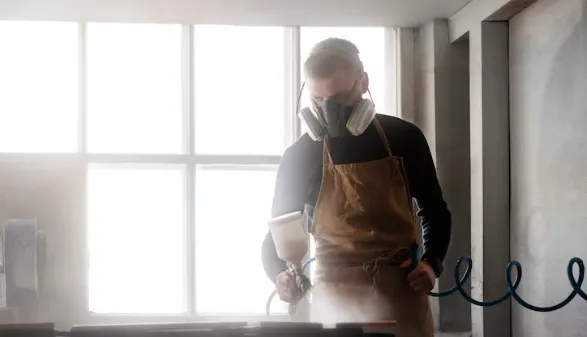
Professional spray foam insulation application ensures the foam is mixed and applied correctly at the right thickness for each specific area. Improper installation can result in incomplete curing, reduced performance, or off-gassing issues that a trained installer avoids through proper technique and equipment calibration.
Key Takeaways
- Air leakage accounts for 25 to 40 percent of home energy use according to the U.S. Department of Energy
- Spray foam insulation is the only product that provides both thermal resistance and complete air sealing simultaneously
- Whole home spray foam treatment can reduce energy bills by 30 to 50 percent compared to homes with standard insulation
- Attic and crawl space applications deliver the fastest payback and the most dramatic comfort improvements
Start Reducing Your Energy Bills With the Right Insulation
Every month you wait to address air leakage and inadequate insulation is another month of paying for energy that escapes through gaps in your home. Spray foam insulation is the most effective single investment most homeowners can make to permanently reduce energy bills, improve comfort in every room, and protect the long-term value of their property. The savings are real, the improvement in comfort is immediate, and the installation is a one-time solution that continues delivering returns for the life of the building.
The team at Butler Professional Sprayfoam brings certified expertise, professional grade equipment, and a commitment to quality that ensures your installation performs exactly as expected from day one. Whether you are treating a crawl space, sealing an attic, or planning a full home insulation upgrade, Butler Professional Sprayfoam has the experience and the products to deliver results you will notice in your comfort and your utility bills starting from the very first season after installation. Reach out today to schedule your assessment and find out exactly how much you could save.
Frequently Asked Questions
Q1: How quickly will I notice lower energy bills after spray foam insulation is installed? Most homeowners notice a measurable reduction in their utility bills within the first full billing cycle after installation.
Q2: Does spray foam insulation work in older homes with existing insulation? Yes. Spray foam is highly effective in older homes, particularly in attic, crawl space, and rim joist areas where air leakage is typically most severe.
Q3: Is spray foam insulation worth the higher upfront cost compared to fiberglass? For most homeowners, yes. The higher upfront cost of spray foam is offset by significantly greater energy savings, longer product lifespan, and the added benefits of moisture resistance and complete air sealing that fiberglass cannot provide.
Q4: Can I reduce my energy bills by only treating one area of my home? Yes. Even treating a single high impact area like the attic or crawl space will produce measurable energy savings.
Q5: How long does a spray foam insulation installation take? Most residential applications are completed within one to two days depending on the size of the home and the areas being treated.

























Sign in to leave a comment.