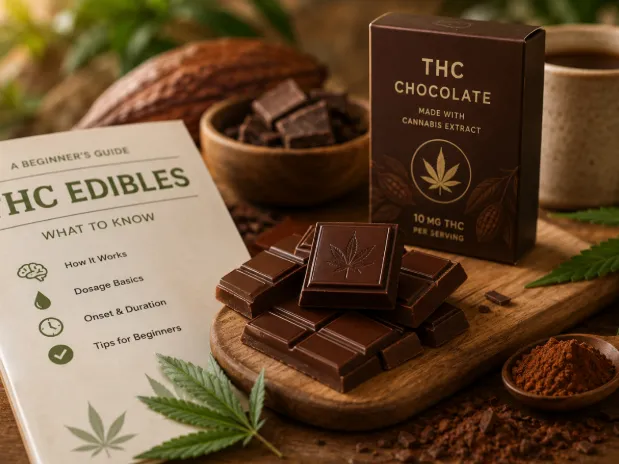

Cannabis-infused products have become increasingly popular as consumers seek alternatives to traditional methods of consumption. Among the various options available, THC chocolate edibles have gained attention for their convenience, consistent dosing, and familiar format. As with any cannabis-infused product, understanding how these products work is important for making informed decisions and knowing what to expect.
Unlike inhaled cannabis products, THC chocolate edibles are processed through the digestive system before entering the bloodstream. This difference affects how quickly the effects begin, how long they last, and how the body metabolizes THC. Learning about these differences can help individuals better understand the unique characteristics of edible cannabis products while appreciating the science behind their formulation.
What Are THC Chocolate Edibles?
THC chocolate edibles are chocolate products infused with tetrahydrocannabinol (THC), the primary psychoactive compound found in cannabis. They are available in a variety of chocolate styles, including milk chocolate, dark chocolate, and flavored varieties.
Manufacturers typically formulate these products with measured amounts of THC to provide consistent serving sizes. Depending on local regulations, products may vary in potency, ingredients, and serving recommendations.
How Do THC Edibles Work?
When consumed, THC follows a different pathway than inhaled cannabis.
The process generally includes:
- Digestion begins in the stomach.
- THC is absorbed through the digestive system.
- The compound is processed by the liver.
- It enters the bloodstream.
- Effects gradually develop over time.
Because THC passes through the liver before reaching the bloodstream, the onset of effects is typically slower than inhalation. This metabolic process also contributes to differences in duration and intensity between edible and inhaled cannabis products.
Why Do Edibles Take Longer to Work?
One of the most common questions about THC chocolate edibles is why they do not produce immediate effects.
Several factors influence onset time, including:
- Individual metabolism
- Body composition
- Whether food has been consumed
- Serving size
- Product formulation
Since digestion requires time, effects generally begin later than inhaled cannabis products. For this reason, health experts commonly recommend waiting before considering additional servings to avoid unintentionally consuming more than intended.
How Long Can the Effects Last?
The duration of edible cannabis products is often longer because digestion and metabolism occur gradually.
Duration may vary depending on:
- Individual metabolism
- THC content
- Serving size
- Food intake
- Personal tolerance
Every individual may experience different timelines, which is why product labeling and serving guidance should always be reviewed carefully.
Understanding Product Labels
Reading product labels helps consumers understand what they are purchasing.
Important information often includes:
- THC content per serving
- Total THC per package
- Ingredient list
- Allergen information
- Serving recommendations
- Storage instructions
Understanding these details promotes informed decision-making and responsible product use.
Proper Storage Matters
Proper storage helps preserve product quality while reducing the risk of accidental consumption.
Recommended practices include:
- Store in original packaging.
- Keep products in a cool, dry place.
- Keep away from children and pets.
- Follow manufacturer storage recommendations.
- Check expiration dates when applicable.
Responsible storage is an important aspect of handling any cannabis-infused product.
How Are Chocolate Edibles Made?
The manufacturing process typically combines food production techniques with carefully measured cannabis extracts.
General production steps may include:
- Preparing the chocolate base
- Infusing measured cannabis extract
- Mixing thoroughly for even distribution
- Molding individual servings
- Cooling and packaging
- Quality testing where required by regulations
Many licensed manufacturers use standardized production methods to help maintain consistency between servings.
Comparing Different Cannabis Edible Formats
Chocolate is only one type of edible product available.
Other common edible formats include:
- Gummies
- Baked goods
- Beverages
- Mints
- Capsules
Each format differs in ingredients, serving style, texture, and consumer preference, although digestion generally follows a similar biological process.
Emerging Trends in Cannabis Products
As the cannabis industry continues to evolve, manufacturers are expanding the variety of infused products available to consumers.
In addition to edible chocolates, innovations include:
- Low-dose formulations
- Sugar-free alternatives
- Vegan options
- Functional ingredient blends
- Beverage products
These developments reflect changing consumer preferences and advancements in product formulation.
Conclusion
Understanding how THC chocolate edibles work helps consumers make informed decisions about this unique cannabis product category. From digestion and metabolism to product labeling and storage, several factors influence the overall experience. Another cannabis-infused product category that has gained attention is the hemp THC drink, offering an alternative edible format with its own formulation and consumption characteristics. Learning about these products from an educational perspective provides valuable insight into how edible cannabis differs from other consumption methods and why proper understanding of serving information is important.



























Sign in to leave a comment.