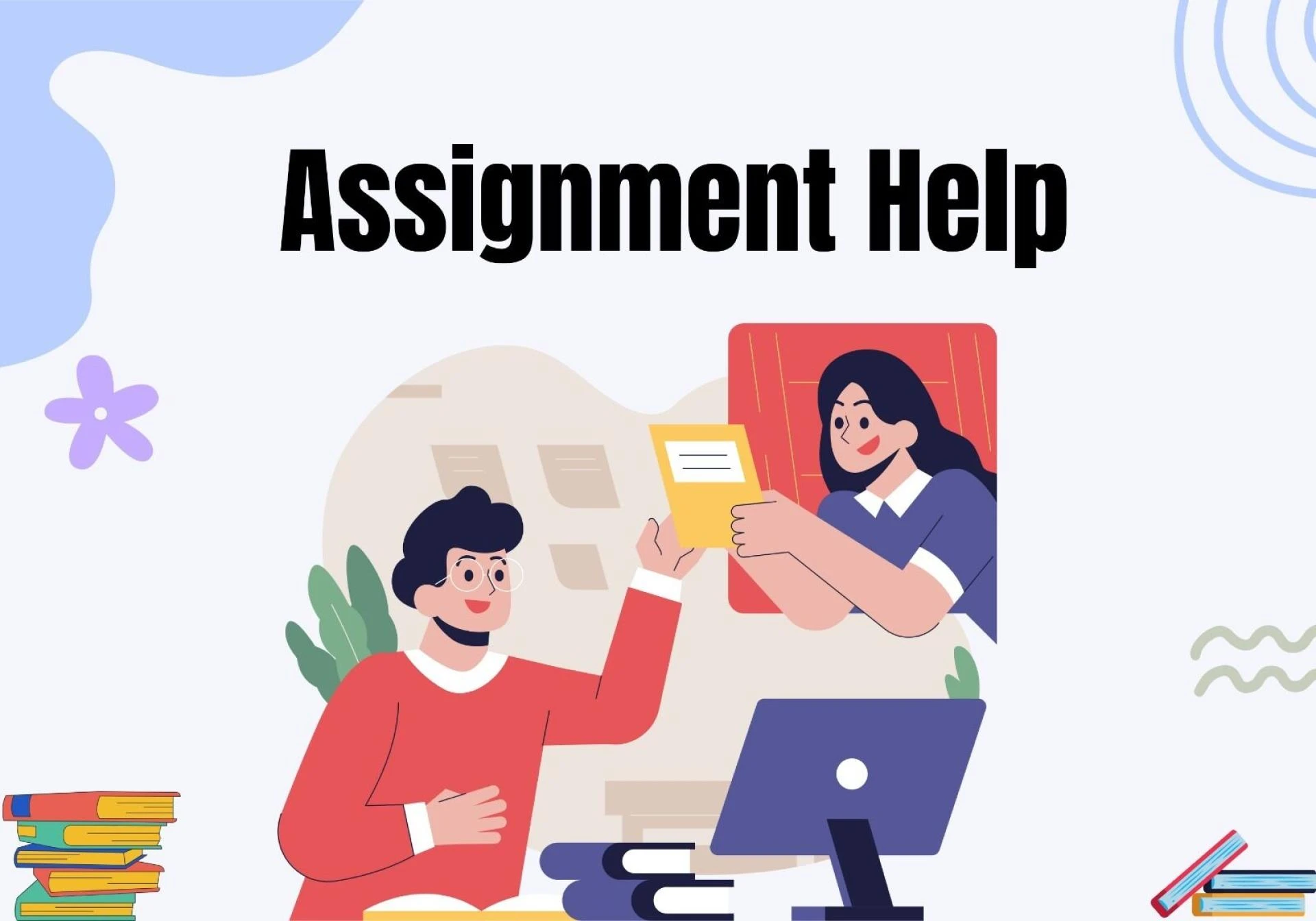

College is usually regarded as a life-changing experience. It's a time for learning, development, and, naturally, making new friends. However, balancing school life and social life is something that can be tricky. Most students find themselves busy with homework, tests, and schoolwork, often sacrificing their social lives or vice versa—sacrificing academics and getting too caught up in socializing. This is where assignment helpers can come to the rescue, offering support when the academic load becomes too heavy. In this article, we’ll explore effective strategies to balance both parts of college life—your social and academic commitments.
Why Is Balancing Social Life and Academics Important?
As a college student, there’s a lot going on. While your school life should be your priority, social life is equally important. Spending time with friends, going to events, and being involved in clubs and organizations are essential to your personal growth and the college experience. Without balance, you might find it difficult to manage relationships and keep up with academic responsibilities.
Mental Benefits
Both aspects of your life—academics and social—can help lower your stress levels and teach you how to manage your time effectively.
Academic Enhancement
Research has shown that students who participate in activities outside of their studies perform better academically. Why? Because they learn to handle their time more efficiently.
Personal Growth
Developing relationships with individuals can improve your communication, leadership, and teamwork skills—important traits for your future career.
Achieving balance between social life and academics is not just a dream—it’s the key to success in college.
Time Management: The Key to Success
One of the strongest weapons to balancing your studies and social life is time management. With an effectively planned schedule, you’re guaranteed that you’re not jeopardizing your academic performance for social life, or vice versa.
How to Create a Balanced Schedule
Use a Planner
Whether digital or traditional, a planner allows you to track assignments, deadlines, and activities. It’s much easier to enjoy social events when you’ve completed your work and have some free time available.
Set Priorities
Sometimes, tough decisions are required. When deadlines approach or you feel overwhelmed, ask yourself what’s more important. It’s okay to skip a social event if it means acing an exam.
Break Tasks into Chunks
Large projects can be intimidating. Break them down into smaller, manageable tasks and set deadlines for each. This makes the workload seem less daunting and helps prevent procrastination.
Block Time for Academics
You might easily prioritize your social life, but schoolwork is non-negotiable. Here’s how you can make it work:
Schedule Study Time
Designate specific times during the day for studying. Treat these times like you would a class or appointment—don’t let anything interrupt them.
Minimize Distractions
Turn off your phone notifications or use apps that block distracting websites while you study. This ensures you stay focused and productive.
Block Time for Socializing
It’s also important to make sure you’re not neglecting your social life. When you do have free time, make sure to plan some relaxation with friends. Here’s how:
Organize Social Time
When scheduling your week, set aside at least one day for socializing. Whether it’s coffee with friends or attending a club event, knowing you have the time available allows you to enjoy it without guilt.
Balance is the Key
Apply the 80/20 rule. Spend 80% of your time on academics and 20% on social activities. It’s a balanced ratio that allows you to recharge and maintain healthy relationships.
Don’t Be Afraid to Ask for Help: Assignment Helpers to the Rescue
At times, despite your best efforts, you’ll feel weighed down by assignments. That’s when assignment helpers can provide invaluable support. These specialists can assist with research, writing, or editing when the workload becomes too much.
Why Use Assignment Helpers?
Specialization
Assignment helpers are usually experts in various subjects, offering precise and reliable assistance when you need it most.
Time-Saving
They can complete assignments quickly, giving you more time to focus on other tasks, including socializing.
Reduced Stress
When you know that professionals are taking care of your assignments, you can focus on your well-being without worrying about deadlines.
If you find yourself overwhelmed with assignments and deadlines, consider hiring a professional from a service Assignment In Need. This can free up time for social activities and self-care.
Practice Self-Care and Set Boundaries
It’s important to recognize when you’re working too hard. If you’re constantly tired or feeling burnt out, it’s a sign that you haven’t found a proper balance. To maintain your college life, follow these steps:
Prioritize Mental Health
Take Breaks
Long study sessions can be draining. Taking regular breaks will help keep your mind fresh.
Sleep
Never underestimate the power of a good night’s sleep. Aim for 7-8 hours of sleep every night to allow your mind and body to rest.
Exercise
Physical activity helps reduce stress and boost your mood. Whether it’s a jog around campus or a yoga class, find time to get moving.
Learn to Say No
At times, you may find yourself invited to multiple events or social gatherings at once. It’s important to know your limits and say no politely when you need to prioritize other things. Saying no doesn’t mean missing out on fun—it means you’re taking care of yourself.
Establish Boundaries
Setting boundaries with friends and even professors can help keep you from feeling overwhelmed. Let your friends know when you need time to study and communicate with professors when you need extensions or extra help. It’s perfectly okay to lean on others when you’re in need.
Utilize Campus Resources
In addition to assignment helpers, most colleges provide additional resources to help you stay organized and perform well. Here are a few you can take advantage of:
Tutoring Services
Most campuses offer free or low-cost tutoring for various subjects. These services can help you better understand the course material and improve your grades.
Counseling Services
College can be stressful, and speaking with a counselor can help you manage the demands of both academic and social life.
Clubs and Organizations
Joining clubs and attending events is a great way to socialize, but it also helps you build leadership skills that can benefit both your academic and professional life.
Managing Your Social Circle: Quality Over Quantity
It’s not about the number of friends you have, but the quality of your relationships that matters. As you navigate college life, be sure to surround yourself with individuals who support your personal and professional goals. Here are a few tips:
Develop a Supportive Network
Make sure your friends understand that you need time for studying and academic responsibilities.
Be Selective
It’s okay to be choosy about the social events you attend. You don’t have to go to every gathering—just the ones that align with your values and interests.
Socializing with Purpose
Instead of spending hours at large parties, consider attending smaller gatherings with friends who share similar interests. These events offer better opportunities for meaningful connections and enjoyable socializing.
Conclusion
Balancing social and academic life in college is no easy task, but it can be achieved if you approach it with the right mindset. Effective time management, boundary-setting, self-care, and utilizing assignment helpers can be the key to thriving in both your social and academic life.
Remember, college is about more than just academic success. It’s about growing as an individual, making memories, and learning valuable life skills. Whether you’re using Assignment In Need to help you with assignments or planning your next social event with friends, make sure to maintain a healthy balance that works for you.




























Sign in to leave a comment.