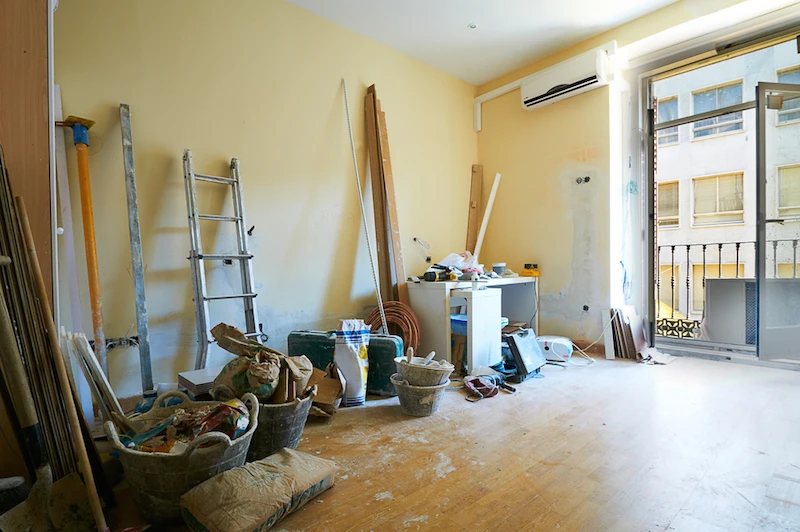

When a house suffers major damage from fire, water, or natural disasters, getting it repaired quickly and safely becomes the top priority. Choosing the right home restoration contractor in Hillsboro, OR, is more than a matter of convenience—it directly affects the outcome of the repair, the timeline, and long-term property value.
This article explains how to select a dependable professional for residential disaster recovery and structural repair. It walks through key decision factors such as licensing, local experience, insurance support, and communication standards. Homeowners will gain a clear process for identifying a reliable, skilled specialist to handle water, fire, or structural damage without unnecessary delays or hidden risks.
What Sets a Reliable Restoration Professional Apart
Not all damage repair specialists work at the same level. Some focus on cosmetic fixes, while others bring certification, insurance coordination, and technical knowledge. Knowing how to assess a home restoration expert prevents complications, ensures code compliance, and speeds up full recovery.
Credentials and Licensing
A valid Oregon CCB license is non-negotiable. Restoration work often involves electrical, plumbing, and structural tasks that require certified oversight.
- Check the Oregon Construction Contractors Board for verification
- Confirm that lead-safe and mold-removal certifications are active
- Look for IICRC (Institute of Inspection Cleaning and Restoration Certification)
Without these credentials, the quality of the work and legality of permits may be at risk.
Insurance and Bonding
Proper bonding and liability coverage protect both the homeowner and workers on-site. A trusted home damage contractor carries:
- General liability insurance
- Workers' compensation coverage
- Surety bond to ensure project completion
Request documentation before any agreement. Lack of insurance creates long-term financial exposure.

Signs of Professional-Grade Experience
Home restoration requires more than construction skills. A reliable house reconstruction contractor can identify hidden structural issues, restore safely after floods or fires, and offer guidance through insurance processes.
Experience with Disaster Damage
General home improvement professionals may not have experience with flood mitigation, smoke remediation, or foundation recovery.
Key signs of relevant experience include:
- Project photos of past fire and water-damaged home recoveries
- References that detail complete rebuilds
- Familiarity with city permitting in Hillsboro, OR
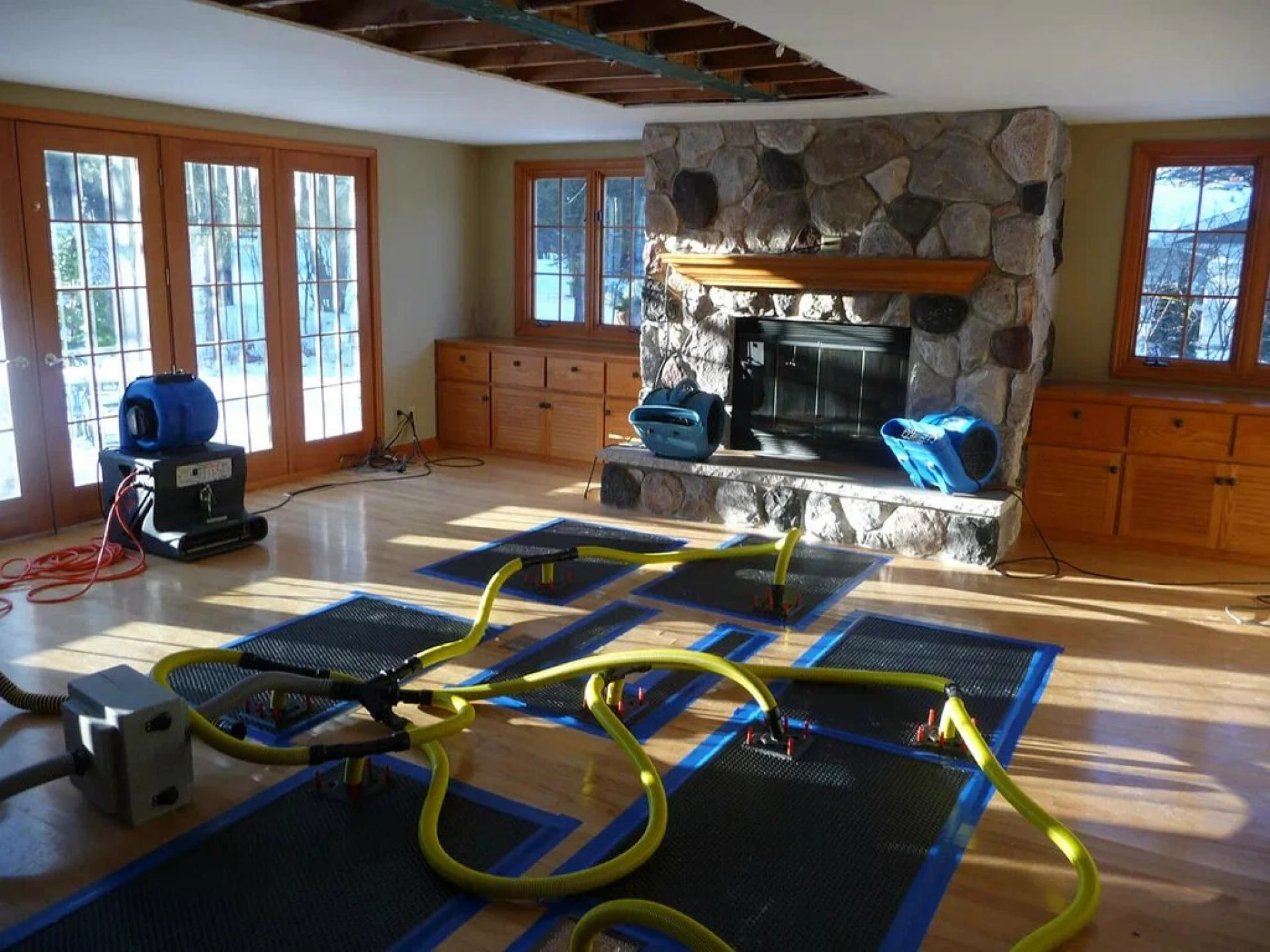
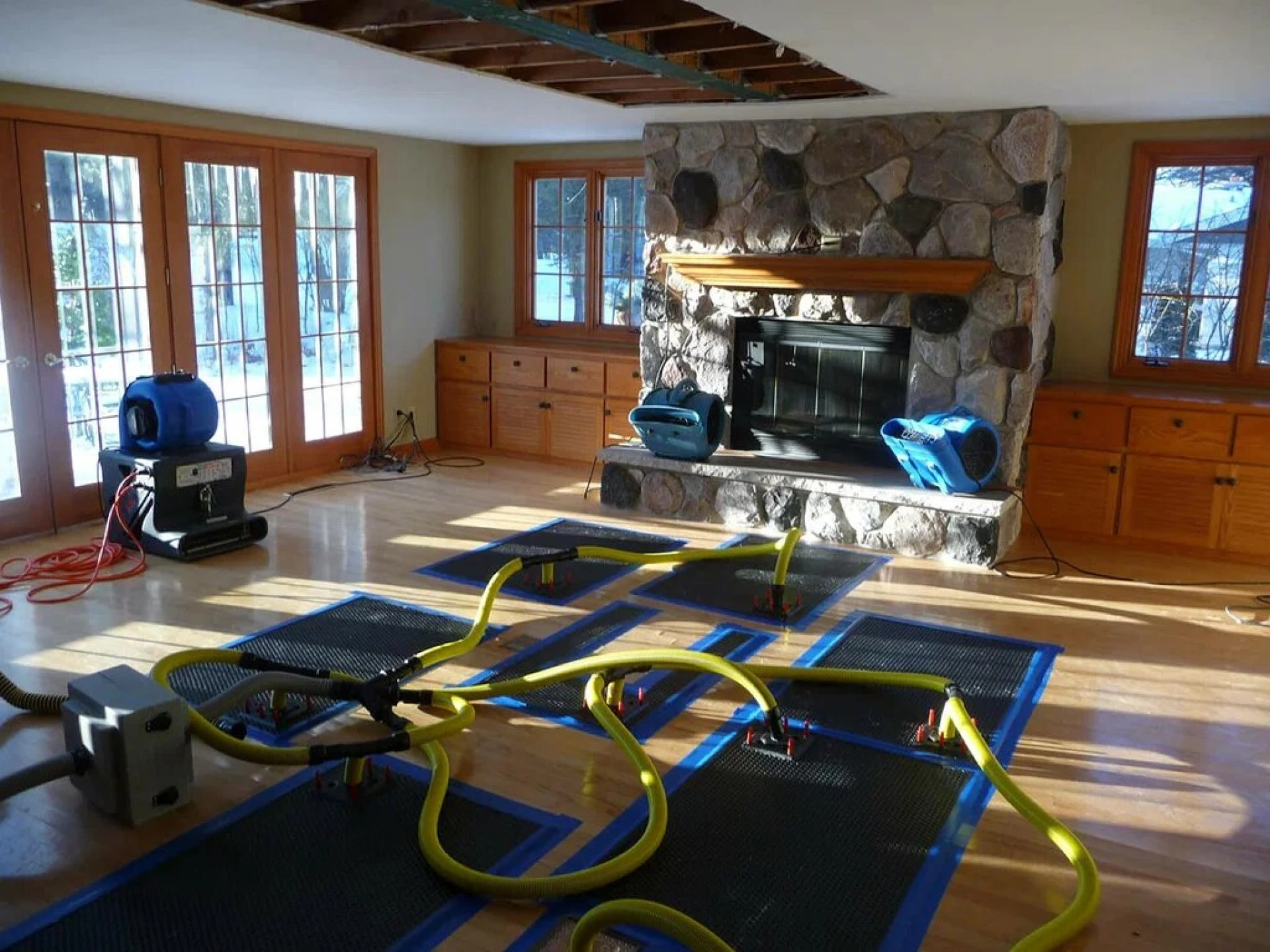
- Use of advanced tools like thermal moisture meters and HEPA systems
Project Timeline Management
Time-sensitive projects like water mitigation or fire damage cleanup require rapid response and clear milestones.
A skilled after-flood home contractor can explain:
- How quickly mitigation will begin (often within 24 hours)
- Project phases and length of each step
- What conditions affect project duration
Mismanagement or delays often lead to mold, structural weakening, and higher costs.
How Restoration and Rebuilding Work Together
Disaster recovery rarely ends with surface repairs. Damage often extends to electrical systems, insulation, structural beams, and subflooring. A reliable structural house repair expert handles both cleanup and reconstruction.
Full-Scope Services
Look for service providers that manage the entire cycle:
- Inspection and damage assessment
- Debris removal and drying or decontamination
- Structural stabilization
- Rebuilding of drywall, floors, and trim
- Final inspection and testing
Comparison Table: Surface Repair vs. Full Restoration
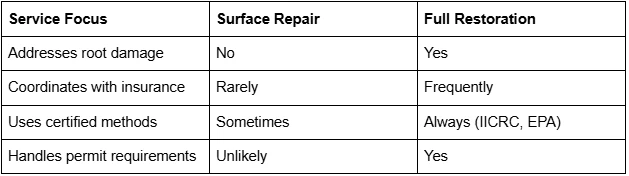
Without full-scope service, separate crews may be needed, extending timelines and costs.
Insurance Communication and Documentation
Damage repair costs are often covered by homeowners insurance, but only if documented and presented properly. A qualified home restorer works directly with insurance carriers to streamline this process.
Claim Assistance
A dependable professional provides:
- Detailed estimates using industry-standard software (e.g., Xactimate)
- On-site photos and moisture readings for claim files
- Support during adjuster walkthroughs
- Documentation of material use, labor hours, and post-repair testing
This level of support helps prevent claim delays or denial.
Red Flags to Watch For
Some providers promise fast fixes at low rates but lack credentials or stability. These warning signs often indicate future issues or legal exposure.
What to Avoid
- No license or outdated insurance
- Vague or verbal-only estimates
- No physical address in Hillsboro, OR
- Pressure to sign immediately without full project scope
Quality professionals allow time for review, questions, and clarification.
How to Compare Options Confidently
Choosing a home fire repair specialist or flood damage recovery crew requires thoughtful review. The right approach blends online research, direct interviews, and documentation review.
Key Questions to Ask
- How long has your business operated in Hillsboro?
- Can you provide references for similar damage types?
- What restoration certifications do you hold?
- How soon can emergency service start?
- Will you handle permits and final inspections?
Gather written responses, compare service scope, and factor in reviews from verified third-party platforms.
Common Questions
What is the typical timeline for full home restoration?
It varies by damage type. Water mitigation takes 3 to 5 days; full rebuilds after fire or flooding may run 4 to 8 weeks, depending on material access and permit approvals.
Are restoration services covered by insurance in Hillsboro, OR?
Yes, most fire, water, and structural damages fall under standard homeowners insurance. Claims are smoother when damage documentation and professional estimates are provided early.
What tools do professionals use to detect hidden water damage?
Tools include infrared cameras, non-invasive moisture meters, and hygrometers. These help identify trapped moisture inside walls or under flooring, preventing mold growth and structural issues.
Can restoration services include mold remediation?
Yes. Certified home restoration specialists follow EPA and IICRC protocols for removing mold using HEPA filtration and containment techniques. This is especially common after flooding.
Conclusion
Choosing a reliable home restoration contractor in Hillsboro, OR, involves more than selecting the lowest bid. Licensing, disaster recovery experience, transparent timelines, and proven insurance coordination all play a role in protecting property and restoring safety. Whether the issue involves fire damage, water intrusion, or structural weakening, selecting a certified, full-service professional helps prevent long-term complications and ensures the home is restored to its original condition.
Ready to Achieve a Safer, Fully-Restored Home?
Disaster damage can be overwhelming, but the right restoration professional makes the process manageable and efficient. A qualified expert in Hillsboro can evaluate, stabilize, and fully restore a home with clear communication and certified practices. From water damage cleanup to structural rebuilds, every step is guided by safety and quality.
For dependable residential damage recovery, contact Prestige NW Restoration. Licensed, experienced, and committed to fast, reliable service. Call: (360) 334-3624 Email: [email protected]
FAQs
How can homeowners verify a restoration provider’s license in Hillsboro, OR? Search the Oregon CCB (Construction Contractors Board) database by business name or CCB number. Only providers with active licenses and up-to-date insurance should be hired.
What certifications matter for home restoration? Key certifications include IICRC for water, fire, and mold work; EPA lead-safe certification; and OSHA safety training. These validate professional training and method compliance.
Do home restoration specialists provide 24/7 emergency service? Yes. Most professionals offer round-the-clock emergency response, especially for flooding or fire damage. Immediate mitigation prevents further structural loss.
What documentation is needed for an insurance claim? A full claim includes written damage assessment, itemized repair estimate, before-and-after photos, and a log of services completed. Restoration experts often assist with this.
Can restoration work be done while occupants remain in the house? In limited cases, yes—such as isolated water damage. For major fire or mold issues, temporary relocation is safer and often required during structural and air-quality work.
Reviewer: Matthew Moore brings over 15 years of experience in residential renovation marketing. The review provided helped shape this content to better connect with homeowners seeking reliable, high-quality restoration and home improvement services.
























Sign in to leave a comment.