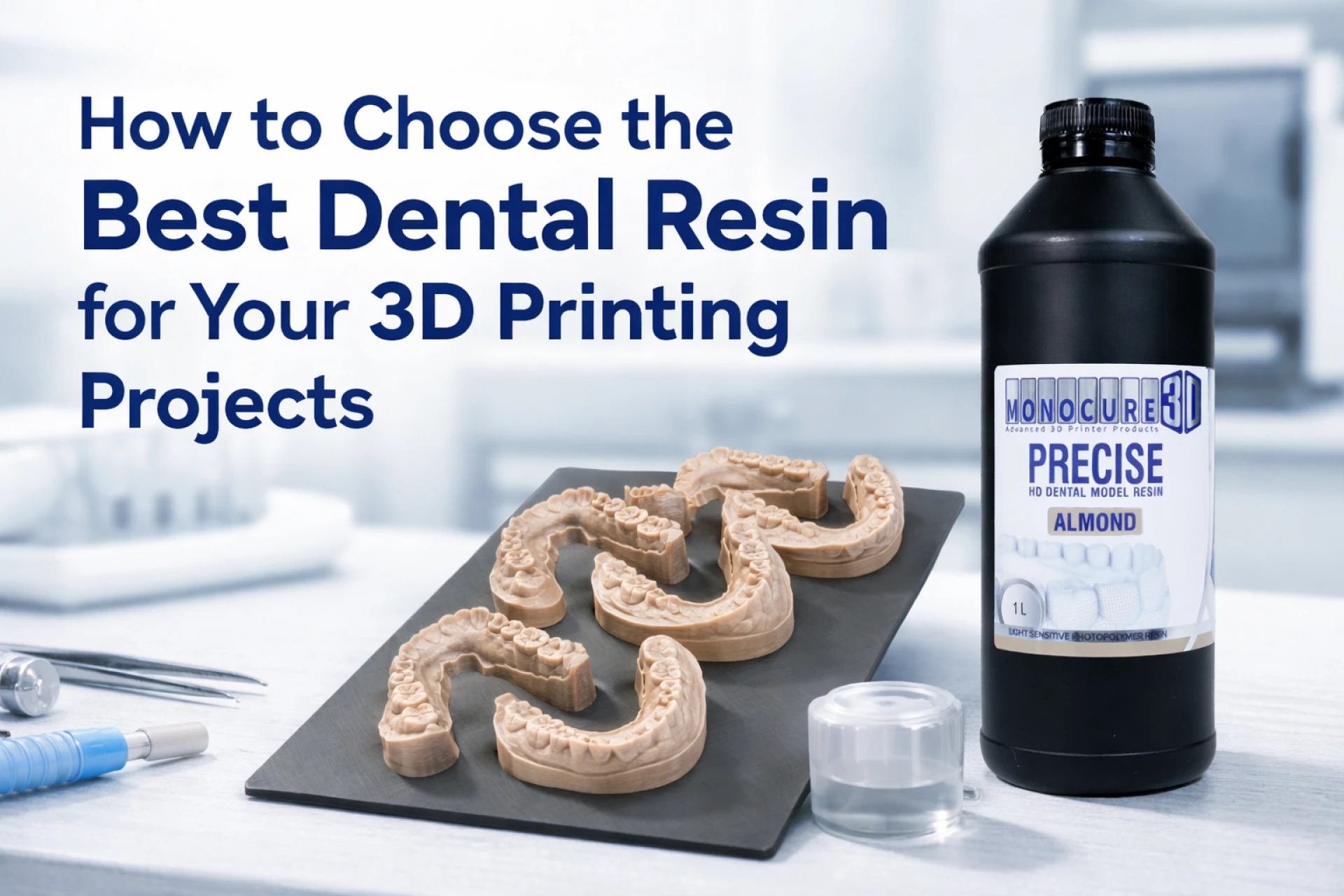

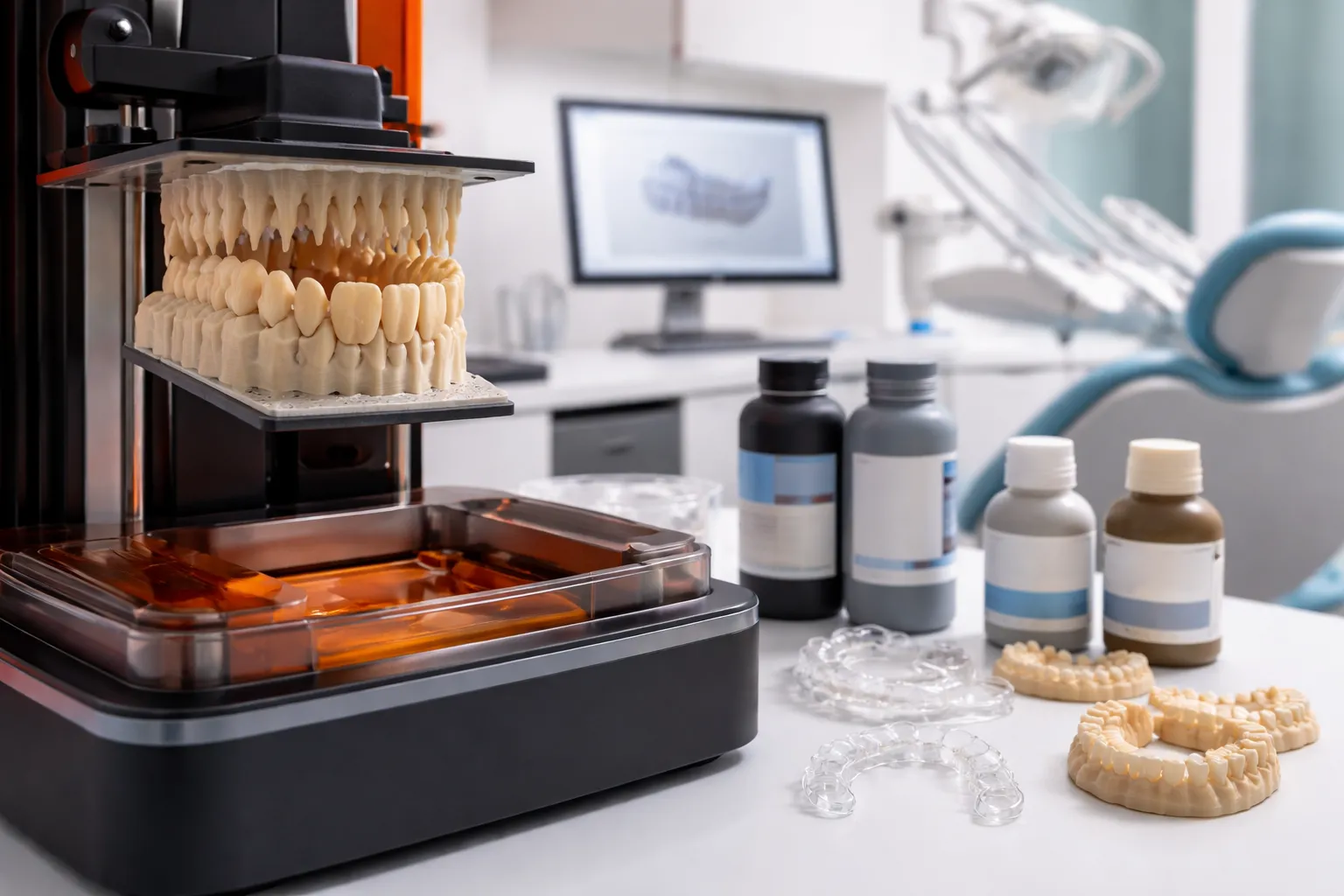
3D printing has become a standard part of modern dental workflows. From study models and surgical guides to splints and temporary restorations, the right material directly affects accuracy, strength and patient outcomes.
Choosing the best dental resin is not about picking the most popular brand. It is about matching the material to your clinical purpose, printer type and post processing setup.
This guide breaks down what to look for so you can make a confident, practical decision.
Quick Overview
- Select resin based on the application, not price alone
- Check compatibility with your 3D printer and curing unit
- Review mechanical strength, flexibility and biocompatibility
- Consider print accuracy and dimensional stability
- Factor in post processing time and handling requirements
- Buy from trusted suppliers such as https://andarsyn.au/
1. Start with the Intended Application
Not all dental resins are designed for the same purpose. Before comparing products, define exactly what you are printing.
Common categories include:
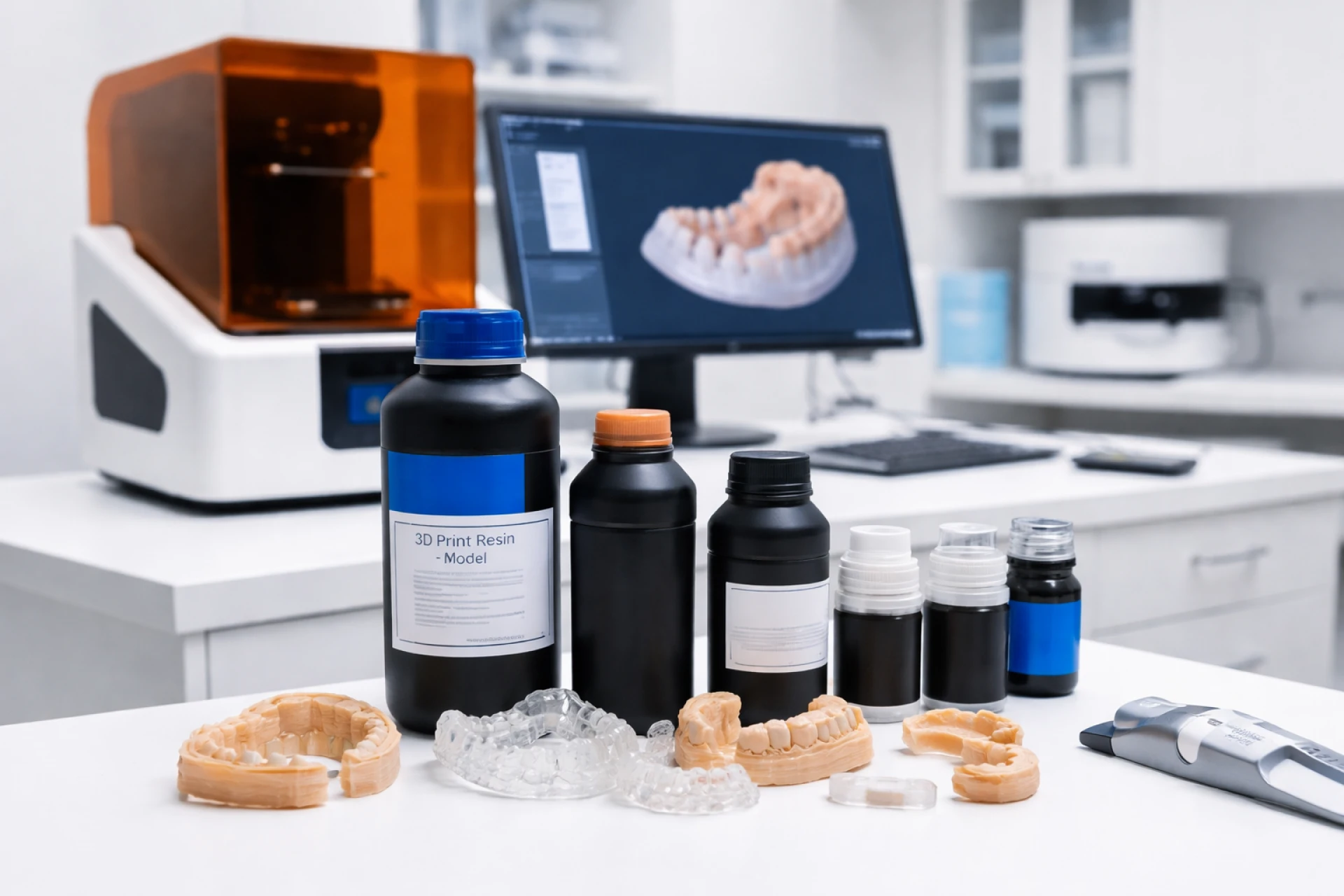
- Model resins for study models and thermoforming
- Surgical guide resins that require high accuracy and biocompatibility
- Splint and night guard resins that need strength and wear resistance
- Temporary crown and bridge resins that demand aesthetics and durability
- Castable resins for investment casting workflows
Using a model resin for a surgical guide, for example, may compromise strength or compliance. Always confirm the manufacturer’s recommended indication.
If you are exploring options, you can review available dental resin materials here: https://andarsyn.au/product-tag/monocure/
2. Check Printer Compatibility
Every resin is formulated for specific wavelength ranges and printer technologies.
Most dental 3D printers operate at:
- 385 nm
- 405 nm
Confirm that the resin matches your printer’s light source. Also check:
- Recommended layer thickness
- Exposure times
- Approved printer list from the manufacturer
Incorrect pairing can lead to failed prints, poor surface finish or weak parts.
3. Assess Mechanical Properties
Mechanical performance is critical in clinical use. Review the technical data sheet and look for:
- Flexural strength
- Flexural modulus
- Impact resistance
- Elongation at break
For splints and guards, flexibility and fracture resistance are essential. For surgical guides, rigidity and dimensional stability matter more.
Do not rely on marketing claims. Look for measurable data and, ideally, independent testing.
4. Consider Biocompatibility and Compliance
If the printed part will be placed in the patient’s mouth, biocompatibility is mandatory.
Check for:
- Relevant ISO standards such as ISO 10993
- TGA or equivalent regulatory compliance where required
- Clear classification as Class I or Class IIa where applicable
Never assume all dental resins are suitable for intraoral use. Some are strictly for models.
5. Evaluate Print Accuracy and Surface Detail
In dentistry, even small deviations can affect fit. A good resin should provide:
- Low shrinkage
- High dimensional accuracy
- Smooth surface finish
- Sharp marginal detail
Poor quality resin can lead to distorted models, inaccurate guides and remakes that cost time and money.
6. Review Post Processing Requirements
Post processing plays a major role in final performance.
Ask:
- What is the recommended wash time?
- Which solvent is required?
- How long is the curing cycle?
- Does it require nitrogen curing or specialised equipment?
A resin that looks affordable may increase labour time if post processing is complex or inconsistent.
7. Balance Cost with Clinical Value
Price per litre is only one part of the equation.
Also consider:
- Print success rate
- Material waste
- Remake frequency
- Shelf life
- Technical support availability
A reliable resin that reduces reprints often delivers better value than a cheaper alternative that fails regularly.
8. Choose a Trusted Supplier
Working with a reputable supplier ensures:
- Authentic products
- Technical guidance
- Ongoing support
- Reliable stock availability
Established suppliers such as https://andarsyn.au/ provide access to recognised brands and support tailored to Australian dental practices.
Practical Buying Checklist
Before purchasing, confirm:
- Correct application category
- Printer wavelength compatibility
- Biocompatibility certification if required
- Verified mechanical data
- Clear post processing instructions
- Reliable local supplier support
Final Thoughts
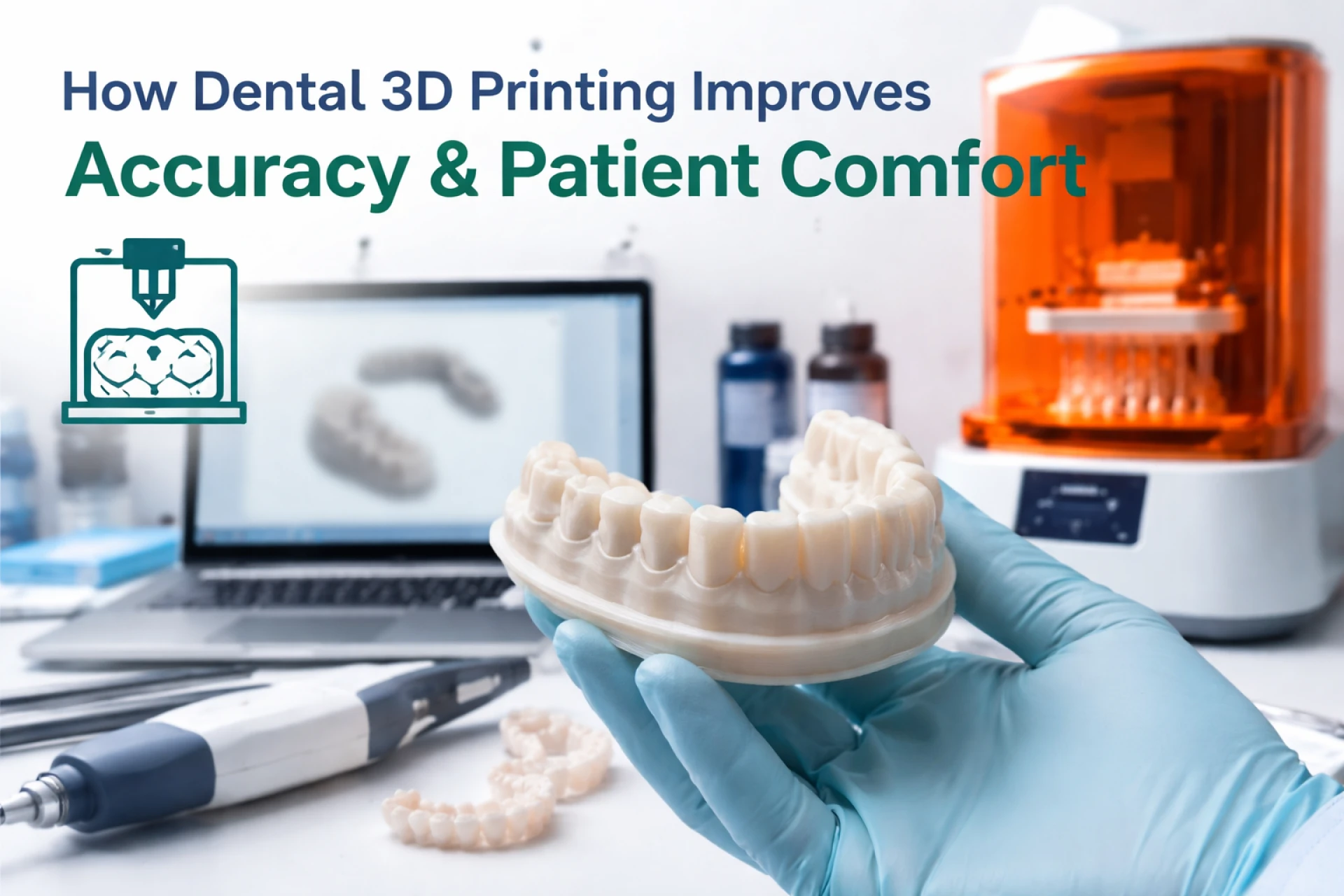
Selecting the best dental resin for your 3D printing projects is a clinical decision, not just a purchasing one. The right material improves fit, reduces remakes and supports predictable outcomes.
Take the time to match the resin to your indication, confirm compatibility with your equipment and source it from a trusted Australian supplier. Done properly, resin selection becomes a strength in your digital workflow rather than a recurring problem.



























Sign in to leave a comment.