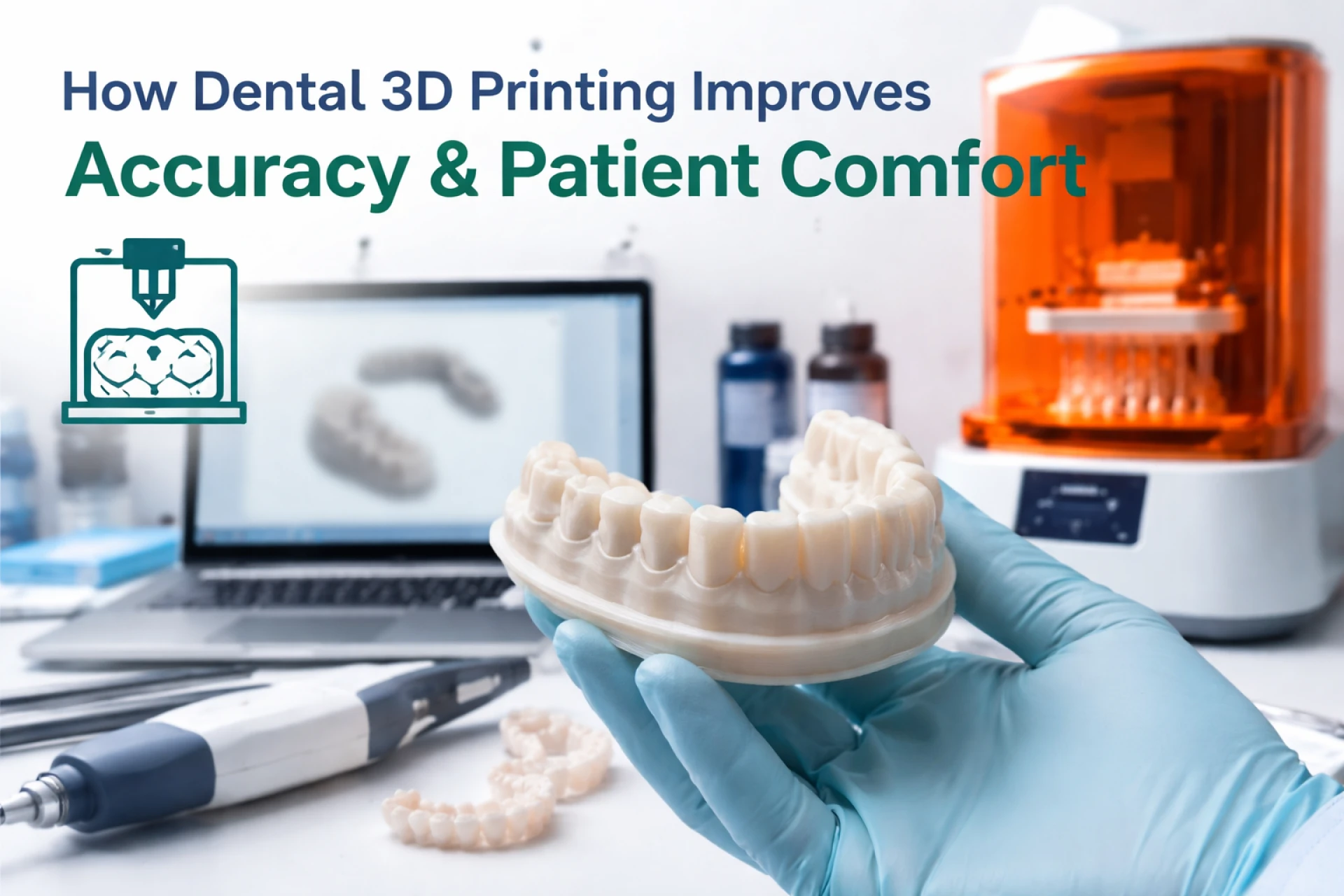

Digital dentistry has transformed the way dental professionals diagnose, plan, and deliver treatments. One of the most impactful technologies driving this change is Dental 3D Printing. By combining advanced scanning, computer-aided design (CAD), and precise additive manufacturing, dental clinics and laboratories can now create highly accurate dental models, guides, and restorations that significantly improve patient outcomes.
Today, dentists across Australia are increasingly adopting digital workflows to enhance both clinical precision and patient comfort. Dental 3D printing plays a key role in achieving these goals.
Precision That Improves Treatment Outcomes
Accuracy is critical in dental procedures such as implants, orthodontics, crowns, and surgical guides. Even small measurement errors can affect fit, function, and patient satisfaction. Traditional dental methods rely heavily on manual impressions and physical moulds, which can introduce inconsistencies during the process.
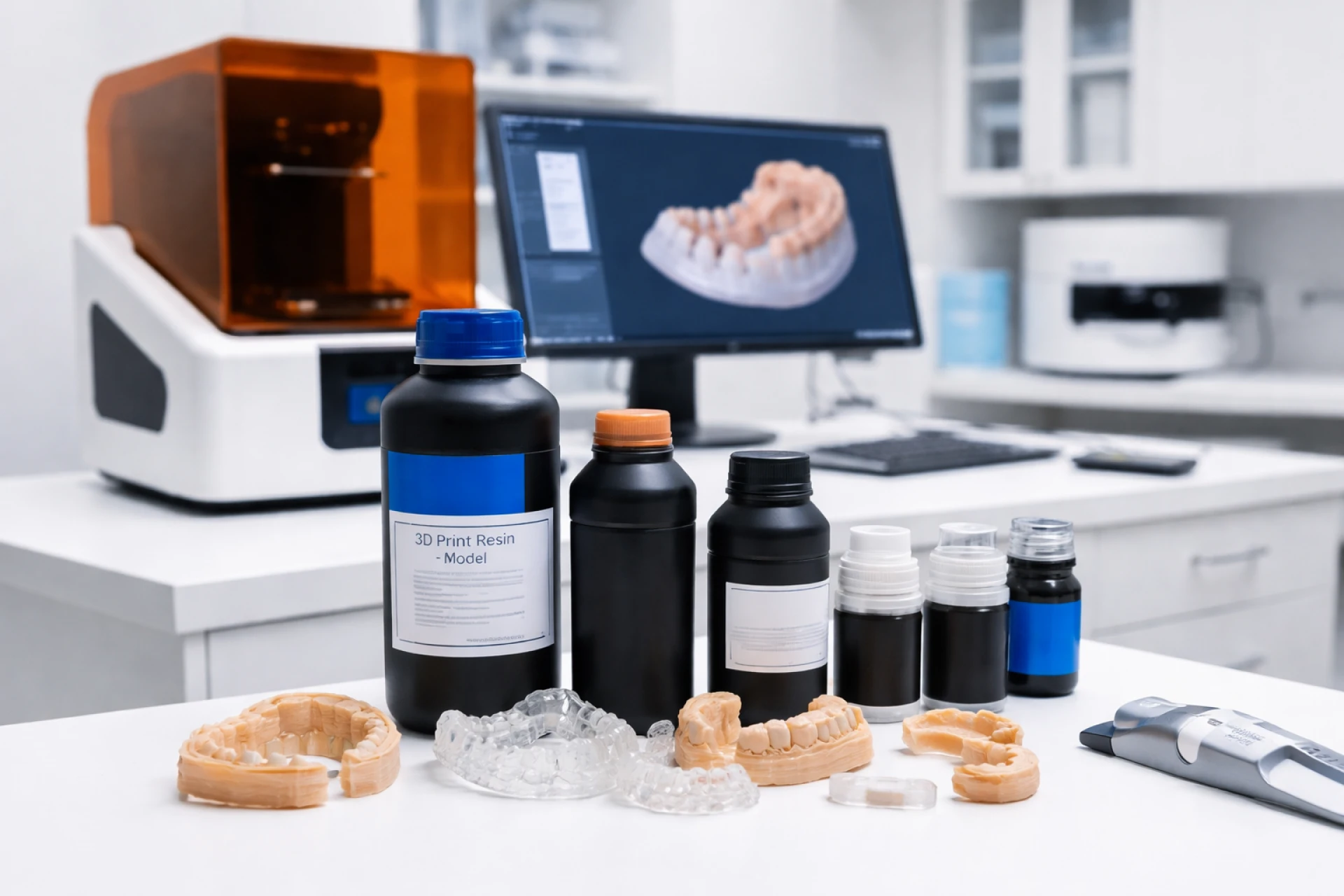
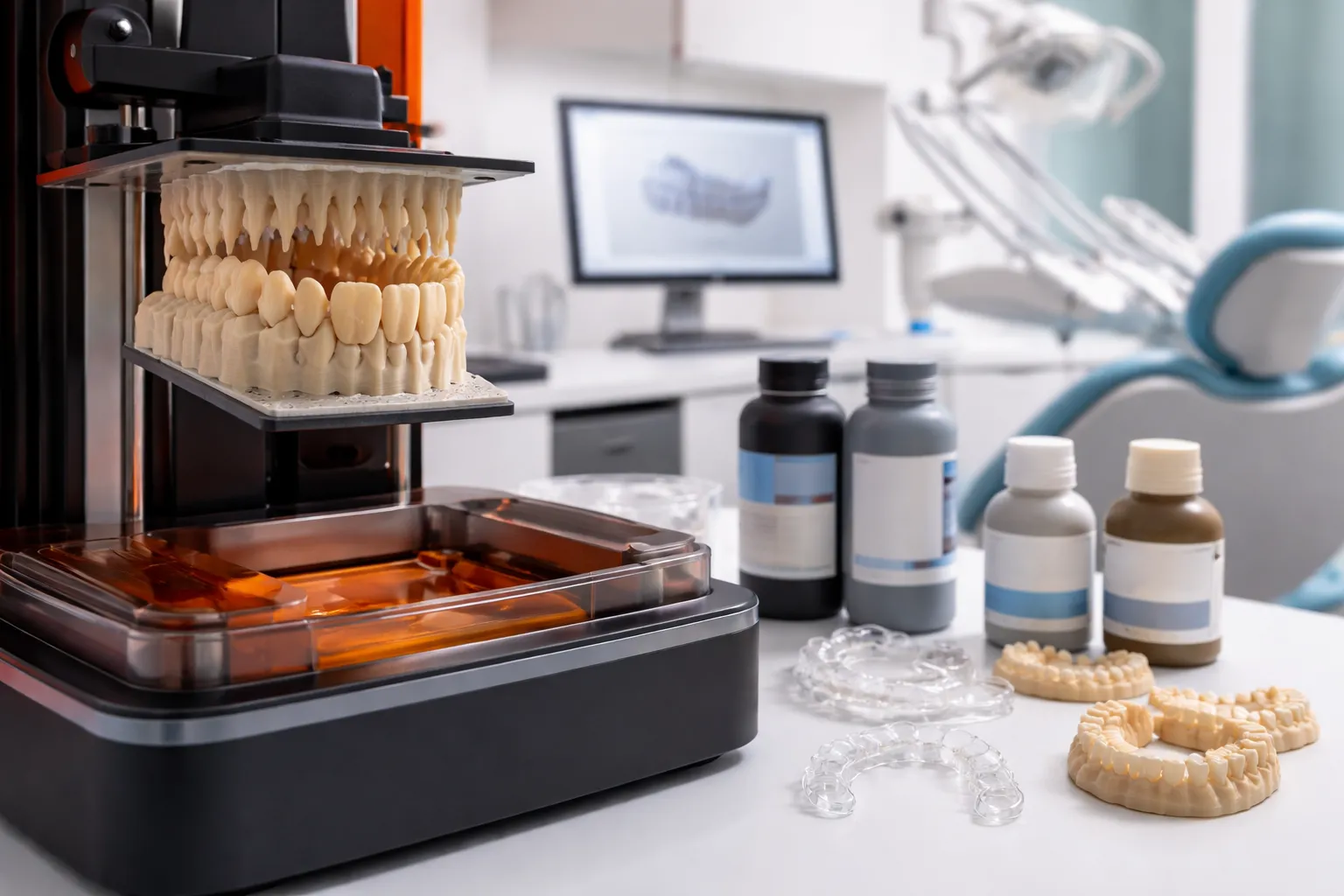
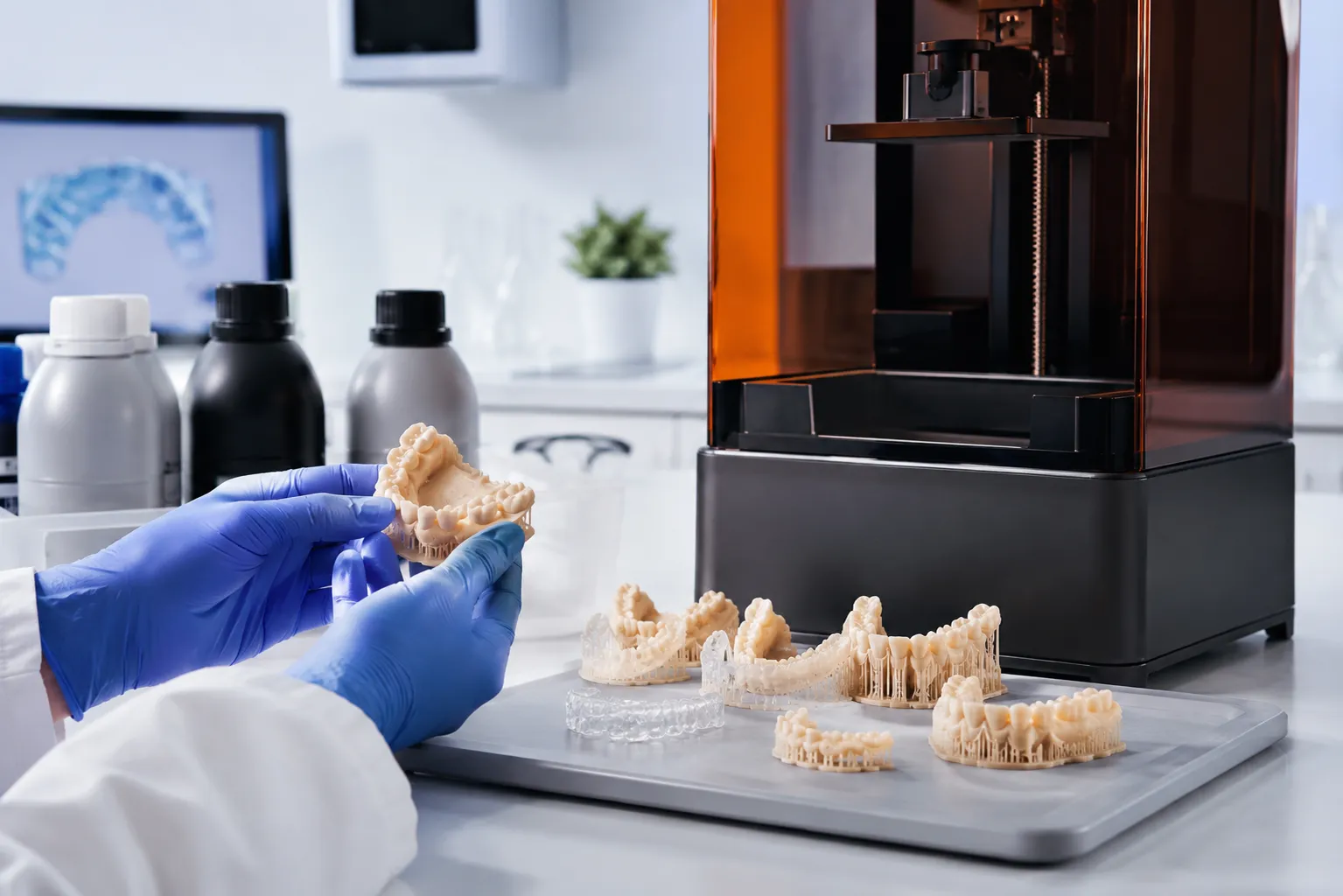
Dental 3D printing solves this challenge by using digital scans and CAD design to produce highly precise dental components. Intraoral scanners capture detailed images of a patient’s teeth and gums, which are then converted into digital models. These models guide the 3D printing process, allowing dental professionals to produce restorations and appliances with exceptional accuracy.
This level of precision helps ensure that crowns, aligners, dentures, and surgical guides fit exactly as intended. As a result, dentists spend less time making adjustments during appointments, and patients benefit from better-fitting restorations.
More Comfortable Dental Experiences for Patients
For many patients, traditional dental impressions can be uncomfortable or even stressful. Conventional moulding materials often require patients to keep bulky trays in their mouths for several minutes, which can trigger gag reflexes or discomfort.
Digital dentistry, supported by dental 3D printing, significantly improves this experience. Instead of using traditional impression materials, dentists can capture digital scans quickly and comfortably. The process is faster, cleaner, and far less invasive.
In addition, highly accurate printed models and appliances reduce the need for repeated fittings or adjustments. Patients typically require fewer appointments, shorter treatment times, and a smoother overall experience.
Faster Turnaround Times for Dental Treatments
Speed is another major advantage of dental 3D printing. Traditional dental workflows often require sending impressions to external laboratories, where technicians manually fabricate restorations. This process can take several days or even weeks.
With digital workflows and advanced printing technologies, dental laboratories can produce models, guides, and appliances much faster. Many dental products can be designed, printed, and finished within a significantly shorter timeframe.
For patients, this means quicker treatments, reduced waiting periods, and faster access to essential dental care.
Improved Planning for Complex Procedures
Dental 3D printing also supports more effective treatment planning, particularly for complex procedures such as implant placement and orthodontic treatments. Digital models allow dentists to visualise the patient’s dental structure in detail and simulate procedures before treatment begins.
Surgical guides produced through 3D printing help dentists position implants with exceptional accuracy, reducing surgical risks and improving overall outcomes. This level of planning not only enhances precision but also increases patient confidence in their treatment.
The Future of Digital Dentistry
As technology continues to evolve, dental 3D printing is expected to play an even greater role in modern dentistry. Advancements in materials, printing speed, and digital design software are making the technology more accessible for clinics and dental laboratories across Australia.
From custom dental appliances to surgical planning tools, dental 3D printing is helping dentists deliver more predictable, efficient, and comfortable treatments.
Ultimately, the combination of accuracy, speed, and patient comfort makes this technology one of the most important innovations in digital dentistry today. As more dental practices adopt these advanced solutions, patients can look forward to better experiences and improved oral health outcomes.




























Sign in to leave a comment.