

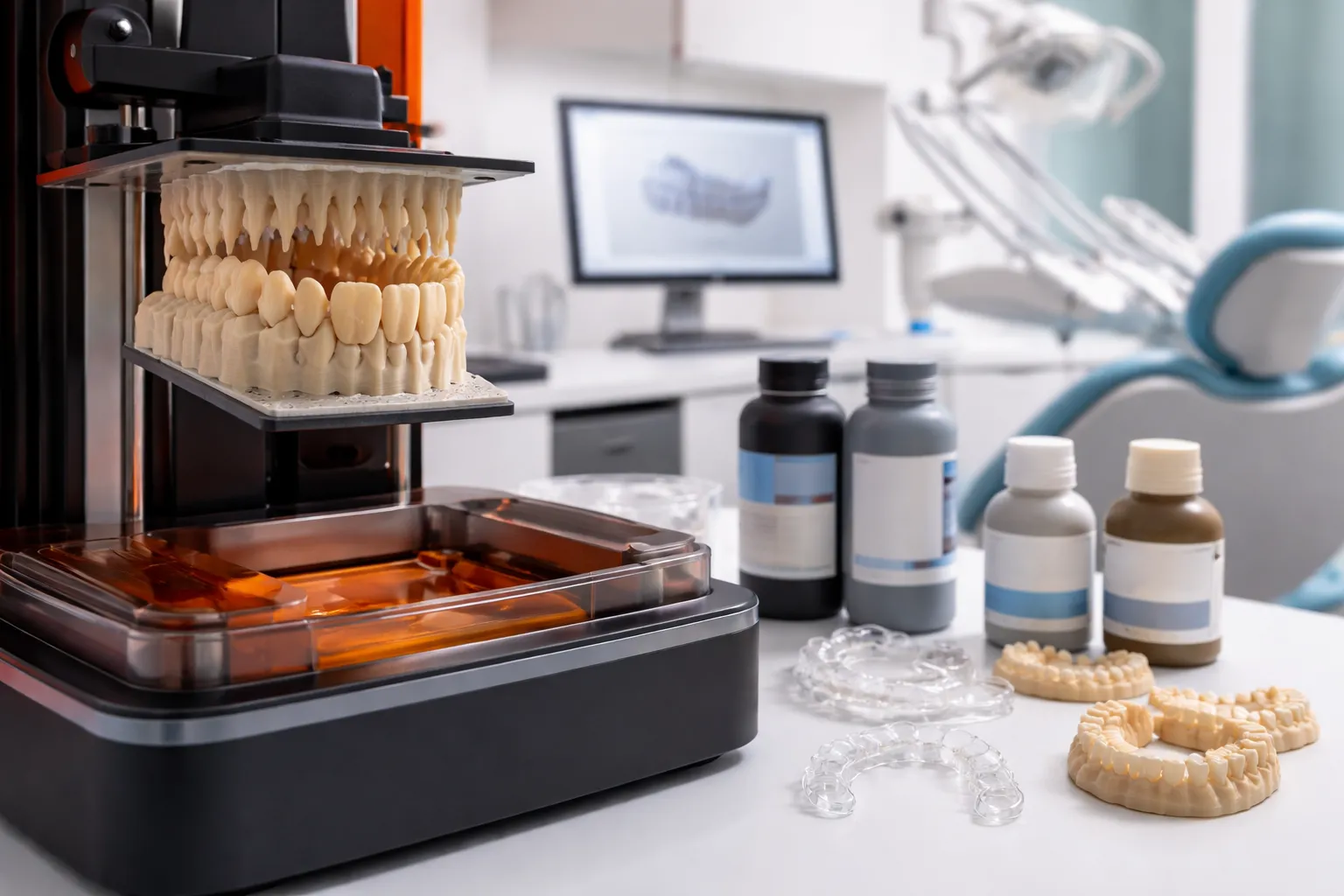
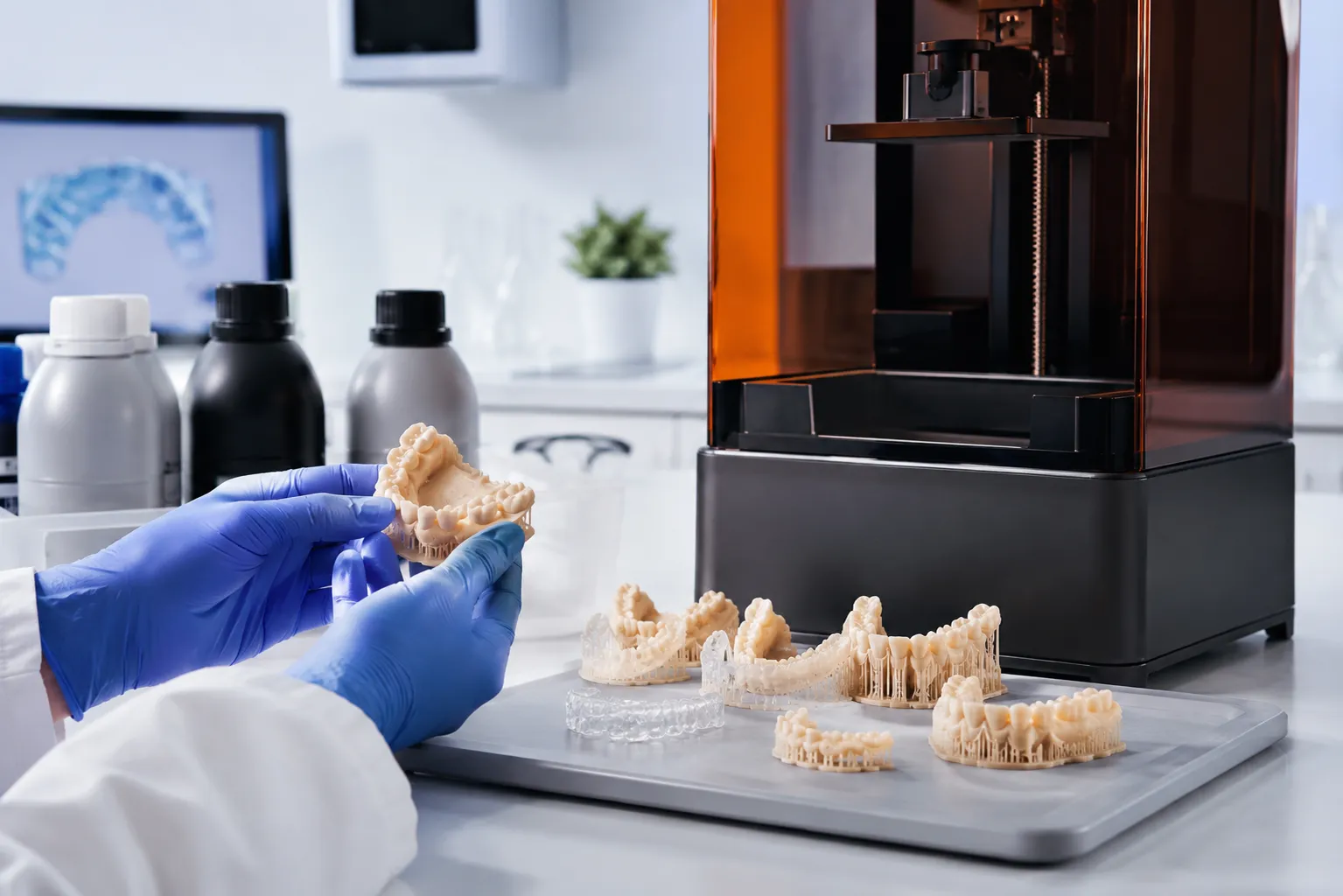
Dental 3D printing has become a major part of modern dentistry in Australia. From dental models and splints to surgical guides and temporary restorations, resin materials are now used daily in dental labs and clinics. However, not all dental resins deliver the same level of performance.
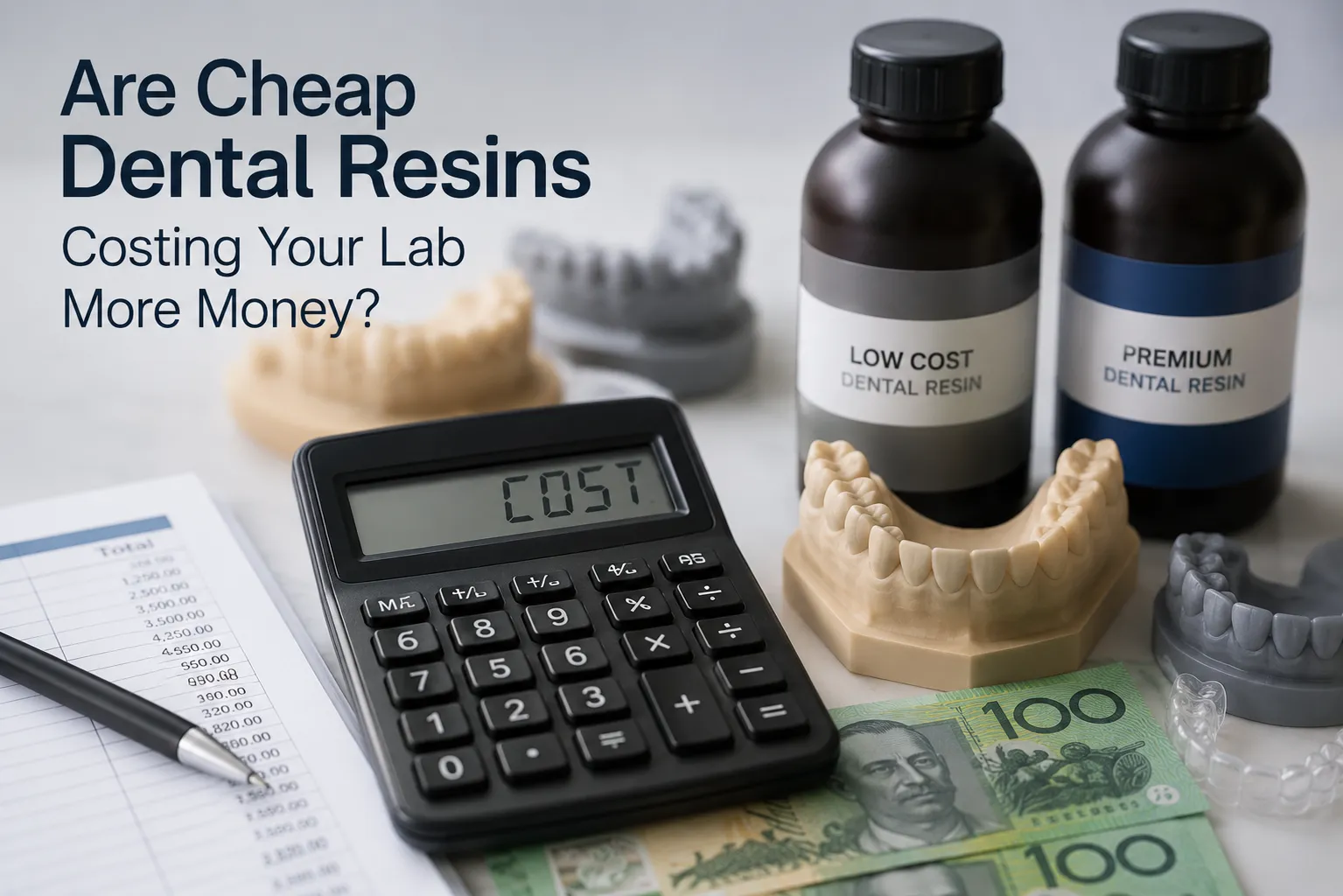
Many businesses choose low-cost resin to reduce expenses, especially when starting with digital dentistry workflows. While the lower price may seem attractive at first, the difference between cheap and premium dental resin becomes obvious over time.
Print quality, strength, consistency, safety, and workflow efficiency are all affected by the type of resin being used. Understanding these differences can help dental professionals make better decisions for both clinical outcomes and long-term business performance.
Print Accuracy Makes a Big Difference
Accuracy is one of the most important factors in dental printing. Premium dental resins are designed to produce stable and consistent results with minimal distortion during printing and curing.
Cheap dental resins often have inconsistent chemical formulations. This can lead to:
- Warping after curing
- Poor fitting restorations
- Layer shifting
- Reduced detail quality
- Higher print failure rates
Even small inaccuracies can create problems in dental applications where precision is essential. Surgical guides, aligner models, and temporary crowns all require exact dimensions.
Premium dental resin helps maintain accuracy across repeated prints, which is important for busy dental labs managing multiple cases every day.
Better Surface Finish and Detail Quality
Surface finish also plays a major role in dental restorations and models. Premium resin usually produces smoother surfaces and sharper details directly from the printer.
Lower-cost resins may leave visible print lines, rough textures, or uneven surfaces that require extra polishing and finishing. This increases labour time and slows down production.
High-quality dental resin can help achieve:
- Cleaner margins
- Smooth surfaces
- Better translucency
- Consistent colour appearance
- Reduced finishing work
For cosmetic and restorative cases, visual quality is especially important. A smoother and more accurate finish improves the final presentation and overall patient experience.
Strength and Durability
Another major difference between cheap and premium dental resin is durability.
Premium dental resins are developed for long-term stability and resistance to cracking or chipping. Many premium materials are reinforced to improve impact resistance and wear performance.
Cheap resins may become brittle after curing or during regular use. This can lead to damaged appliances, broken models, or failed restorations.
Durability matters in applications such as:
- Denture bases
- Occlusal splints
- Temporary crowns
- Orthodontic appliances
- Surgical guides
Using stronger resin materials can reduce remakes and help maintain consistent clinical quality.
Safety and Biocompatibility
Patient safety should always remain a priority in digital dentistry. Premium dental resins are commonly tested for biocompatibility and manufactured according to recognised industry standards.
These materials are designed specifically for dental use and usually include proper certification for clinical applications.
Cheap dental resins may not always meet the same standards. Some products may contain lower-grade ingredients or lack reliable testing documentation.
Before choosing a dental resin, it is important to check:
- Biocompatibility certification
- Manufacturer reputation
- Intended dental application
- Safety documentation
- Compliance standards
Reliable dental materials support safer treatment outcomes and help clinics maintain professional standards.
Long-Term Value Compared to Initial Cost
Low-cost dental resin may appear cheaper during purchase, but the long-term cost can become much higher due to failures and wasted production time.
Print errors, remakes, additional labour, and material wastage can quickly affect productivity and profitability.
Premium dental resins often provide better overall value because they help improve:
- Print consistency
- Workflow efficiency
- Production speed
- Material reliability
- Clinical confidence
For many Australian dental labs, reliability is more important than saving a small amount on resin costs.
Choosing the Right Dental Resin
Selecting the right dental resin depends on the specific application and printing workflow. Instead of focusing only on price, dental professionals should consider performance, safety, and long-term reliability.
Important factors include:
- Accuracy
- Strength
- Surface quality
- Printer compatibility
- Certification
- Technical support
Working with trusted dental resin suppliers can also help reduce technical issues and improve workflow consistency.
Final Thoughts
The difference between cheap and premium dental resin is not only about price. Material quality directly affects print accuracy, durability, workflow efficiency, and patient safety.
As digital dentistry continues to grow across Australia, more dental professionals are investing in reliable resin materials that deliver consistent results.
Premium dental resin can help reduce failures, improve production quality, and support better outcomes for both dental clinics and patients.

























Sign in to leave a comment.