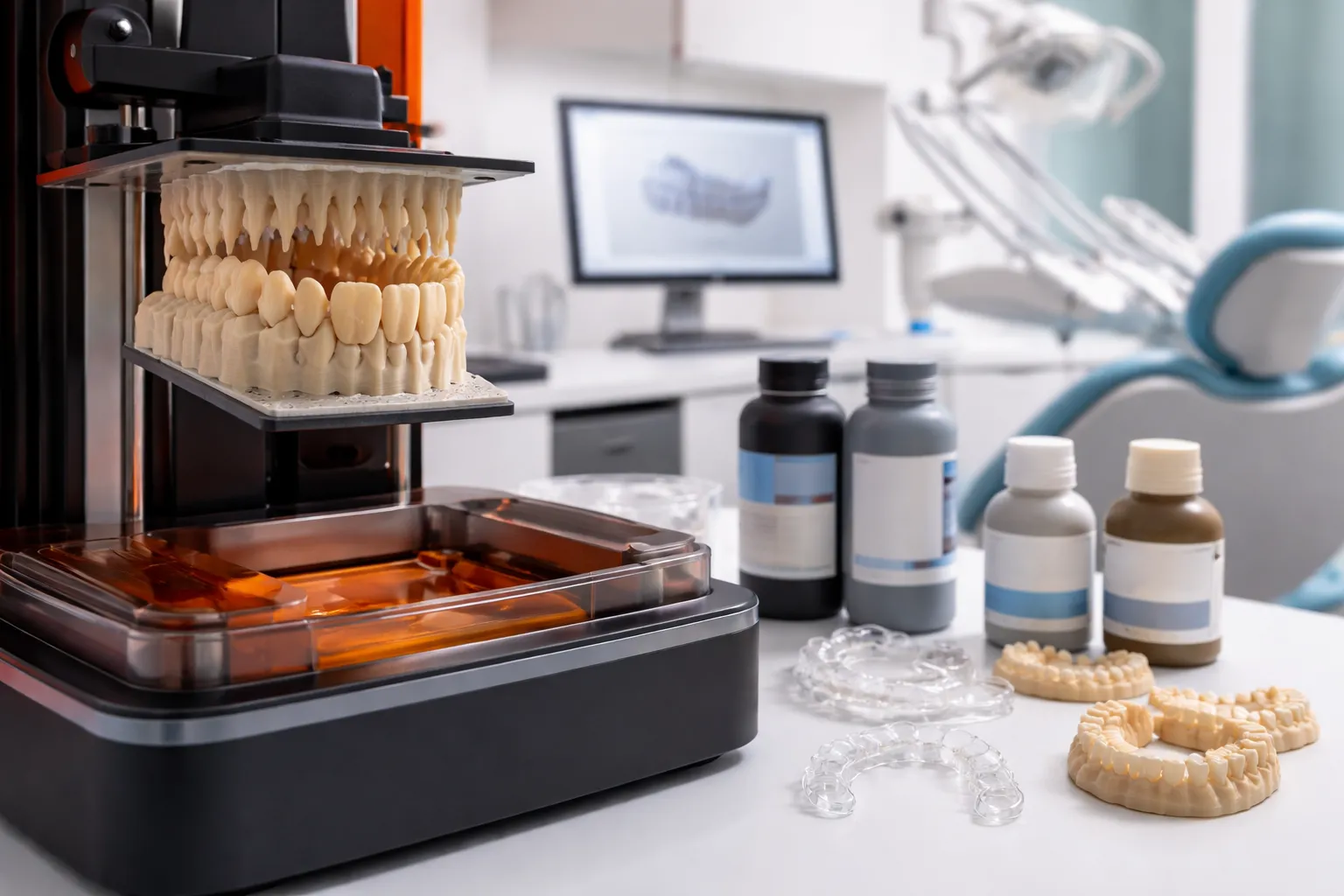

Cosmetic dentistry has long been seen as expensive and time consuming. Procedures like veneers, crowns, aligners, and smile makeovers often involve multiple visits, lab work, and high material costs. Now, dental resin printing is changing that model. With the rise of 3D printing technology in clinics, both dentists and patients are starting to see a shift in pricing, efficiency, and accessibility.
This article looks at whether dental resin printing can truly reduce the cost of cosmetic dentistry and what that means for patients and practices.
What is Dental Resin Printing?
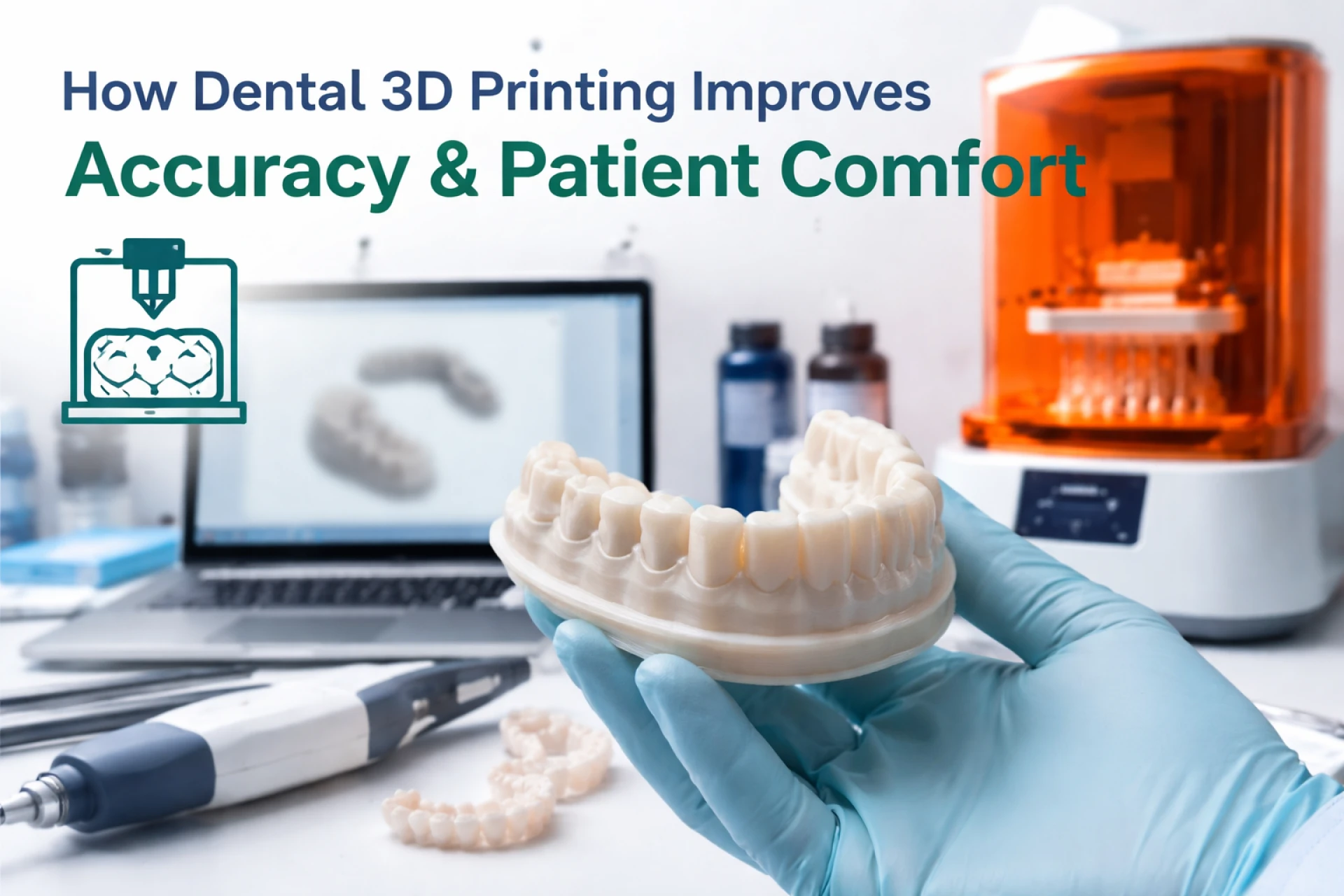
Dental resin printing is a form of 3D printing that uses liquid resin materials to create highly accurate dental restorations. These include crowns, bridges, veneers, surgical guides, and clear aligners. The process starts with a digital scan of the patient’s teeth, followed by design software, and finally printing using specialised dental resins.
Unlike traditional methods that rely on external labs, this workflow can happen inside the clinic.
Where Traditional Costs Come From?
To understand cost reduction, it helps to break down why cosmetic dentistry is expensive in the first place:
- Lab fees for fabrication
- Multiple appointments and chair time
- Manual labour and technician involvement
- Material wastage in traditional moulding
- Shipping and turnaround delays
Each of these adds layers of cost that are passed on to the patient.
How Resin Printing Reduces Costs?
1. In House Production Cuts Lab Fees
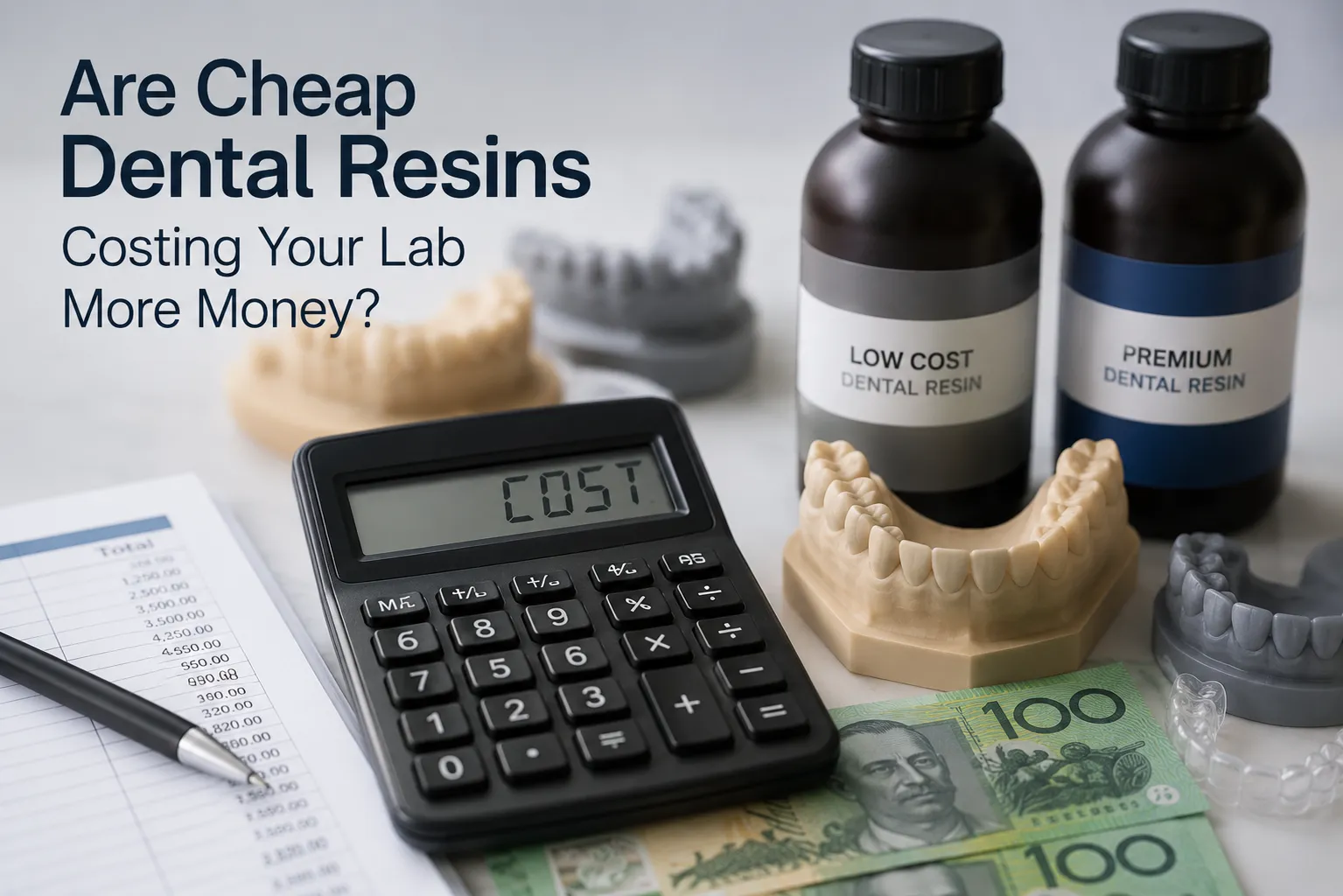
One of the biggest savings comes from eliminating external dental labs. Clinics can design and print restorations on site. This removes lab charges and reduces dependency on third party providers.
2. Faster Turnaround Means Lower Operational Costs
With resin printing, procedures that once took weeks can be completed in a day. Fewer appointments mean less chair time, reduced staffing hours, and better clinic efficiency.
3. Reduced Material Waste
Traditional methods often involve excess material that gets discarded. Resin printing uses only what is required for each print, making it more cost efficient over time.
4. Automation Reduces Manual Labour
Digital workflows minimise the need for repeated manual adjustments. Once the design is finalised, printing is consistent and repeatable, which lowers labour costs.
5. Scalability for Clinics
Once a clinic invests in a printer, the cost per unit drops significantly with volume. This makes high demand treatments like aligners and veneers more affordable to produce.
Does It Make Cosmetic Dentistry Cheaper for Patients?
The short answer is yes, but not instantly in every case.
While clinics save on production costs, pricing depends on multiple factors including equipment investment, expertise, and market positioning. However, over time, these savings often translate into:
- Lower treatment costs for crowns and veneers
- More competitive pricing for clear aligners
- Affordable smile design packages
- Reduced consultation and follow up fees
In many modern clinics, same day crowns and printed aligners are already priced lower than traditional options.
Improved Accessibility and Demand
Lower costs do more than save money. They increase access. Patients who previously avoided cosmetic treatments due to high prices are now more willing to consider them.
This leads to:
- Higher patient volume for clinics
- Growth in cosmetic dentistry demand
- Increased competition, which further drives prices down
In regions where dental care is expanding rapidly, resin printing plays a key role in making advanced treatments more widely available.
Are There Any Limitations?
Despite its advantages, dental resin printing is not without challenges:
- Initial investment in printers and software can be high
- Training is required to ensure accuracy and quality
- Not all materials are suitable for long term restorations yet
- Equipment maintenance and upgrades add ongoing costs
However, these are often short term barriers. As technology improves and adoption increases, these limitations are gradually reducing.
The Future of Cost Efficient Cosmetic Dentistry
Dental resin printing is not just a trend. It represents a shift towards digital, efficient, and patient friendly dentistry. As materials become stronger and more biocompatible, and as printers become more affordable, the cost benefits will become even more noticeable.
We are moving towards a model where:
- Same day treatments become standard
- Customisation is faster and more precise
- Cosmetic dentistry is no longer limited to premium pricing
Final Thoughts
Dental resin printing is already reducing the cost structure of cosmetic dentistry by removing inefficiencies in traditional workflows. While not every clinic may pass on savings immediately, the overall direction is clear. Faster production, lower operational costs, and improved scalability are making treatments more accessible.
For patients, this means better value and less waiting. For clinics, it means higher efficiency and growth potential. As adoption continues, dental resin printing is set to redefine how cosmetic dentistry is priced and delivered.



























Sign in to leave a comment.