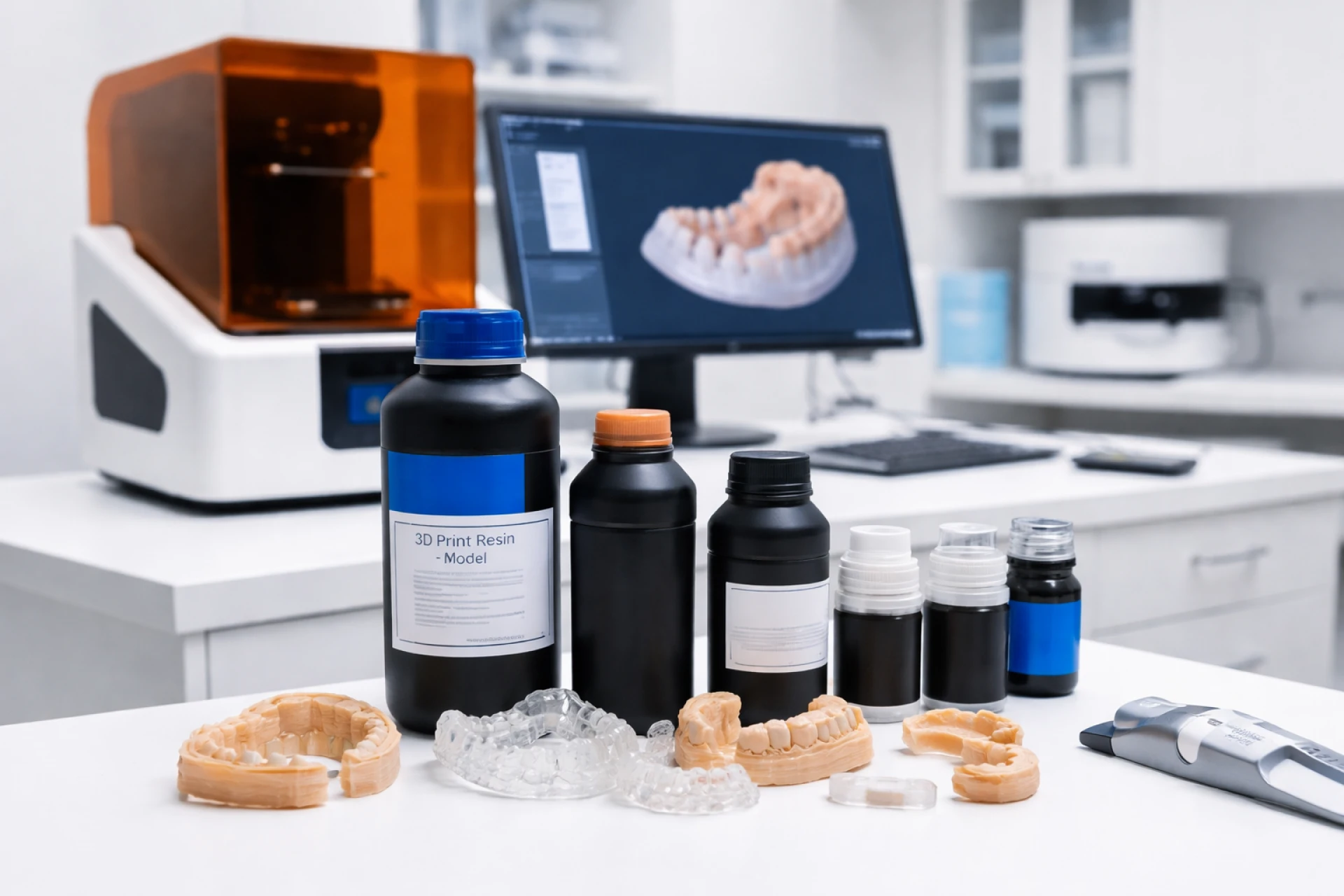

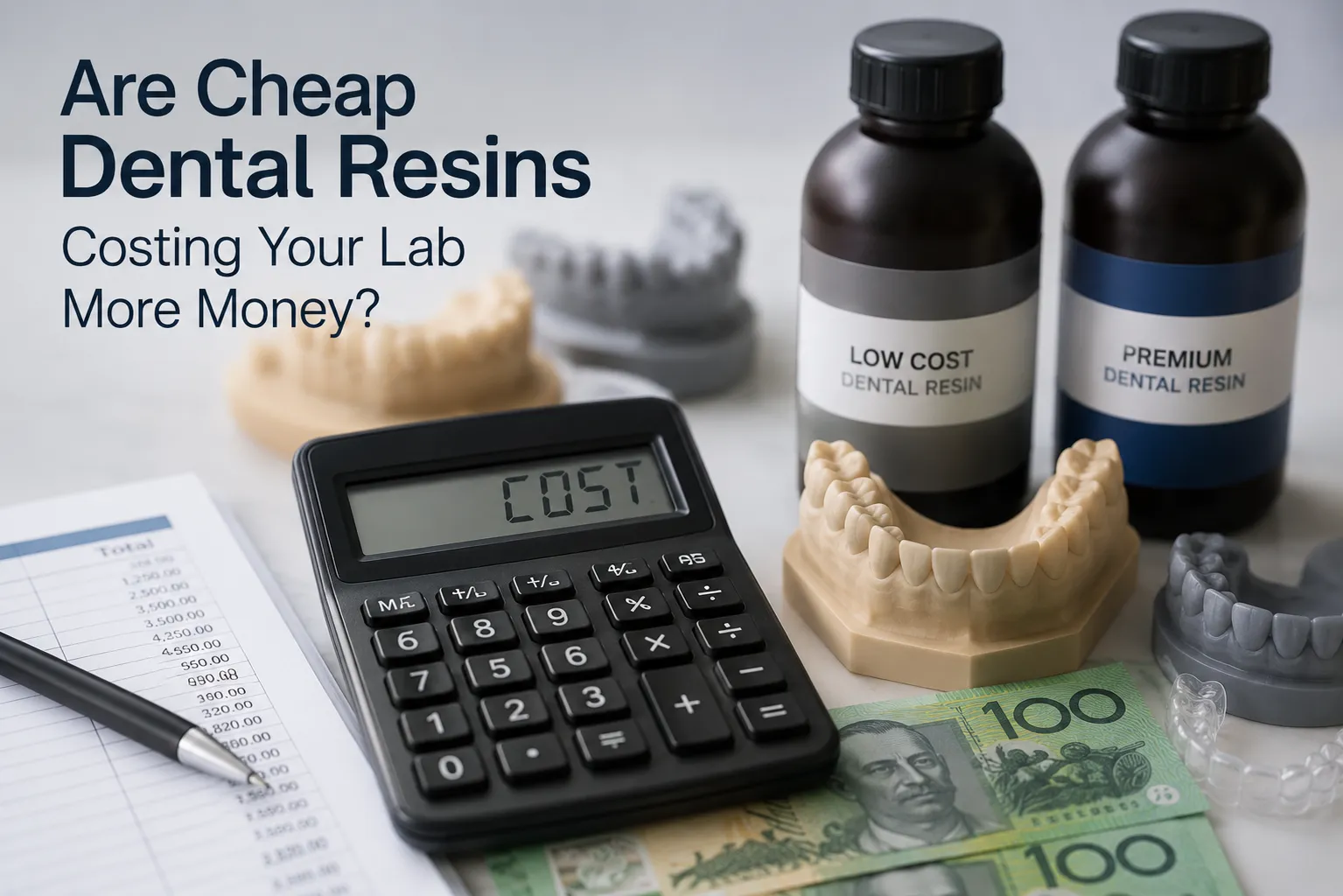
Dental resin plays a significant role in modern dentistry. It is commonly used for restorations, dental models, surgical guides, splints, temporary crowns, and several other clinical applications. With the growth of digital dentistry and 3D printing, the variety of dental resins available to clinics and laboratories has expanded considerably.
Selecting the right resin involves more than checking printer compatibility. Dentists need to evaluate safety, durability, accuracy, and overall clinical performance. The correct material helps ensure reliable treatment outcomes and long term patient satisfaction.
Below are the key factors dentists should consider when selecting dental resin.
1. Intended Clinical Application
Dental resins are developed for specific clinical purposes. A resin designed for dental models may not be suitable for temporary restorations or surgical guides.
Common dental resin applications include:
- Dental models
- Surgical guides
- Temporary crowns and bridges
- Splints and night guards
- Denture bases
- Orthodontic appliances
Before choosing a resin, dentists should confirm that the material is designed and approved for the intended dental application.
2. Biocompatibility and Patient Safety
Dental materials come into direct contact with oral tissues. Because of this, biocompatibility is a critical consideration.
High quality dental resins are developed to reduce the risk of irritation or adverse reactions. Materials should meet recognised dental safety standards and regulatory requirements.
Dentists should always verify:
- Medical grade certification
- Compliance with recognised dental safety standards
- Manufacturer testing and documentation
Using certified materials helps protect both patients and dental professionals.
3. Mechanical Strength and Durability
Dental appliances and restorations must tolerate daily chewing forces and continuous wear. Mechanical strength is therefore an important factor when selecting dental resin.
Important material properties include:
- Flexural strength
- Impact resistance
- Wear resistance
- Fracture toughness
Resins with strong mechanical properties are more suitable for temporary crowns, splints, and functional appliances.
4. Accuracy and Dimensional Stability
Precision is essential in modern dental workflows. Dental models, surgical guides, and orthodontic appliances require high dimensional accuracy.
A reliable dental resin should provide:
- Consistent printing accuracy
- Minimal shrinkage during curing
- Stable dimensions after post processing
High dimensional stability helps ensure dental appliances fit correctly and reduces the need for adjustments.
5. Printing and Curing Compatibility
In digital dentistry, materials must work efficiently with 3D printers and curing systems.
Dental clinics and laboratories should confirm:
- Compatibility with their printer system
- Recommended printing parameters
- Post curing requirements
- Ease of processing and finishing
Resins designed for streamlined workflows help improve productivity in dental practices and labs.
6. Surface Finish and Detail Reproduction
Dental models and restorations often require fine anatomical detail. The resin should capture small structures such as margins, grooves, and tooth contours.
Resins with good detail reproduction offer:
- Smooth surface finish
- High resolution printing
- Reduced polishing and finishing time
This improves both clinical precision and workflow efficiency.
7. Colour and Visual Clarity
Colour can be important depending on the dental application. Some resins are designed to match natural tooth shades, while others provide transparency for better visual guidance during procedures.
Examples include:
- Clear resins for surgical guides
- Tooth coloured resins for temporary restorations
- Opaque resins for dental models
Selecting the appropriate shade improves usability and visibility during treatment planning.
8. Workflow Efficiency in Dental Laboratories
Dental laboratories and clinics often manage multiple cases each day. Materials that support efficient workflows help reduce turnaround time.
Features that improve workflow efficiency include:
- Faster printing performance
- Shorter post curing time
- Easy cleaning and finishing
- Consistent material quality
Efficient materials allow dental labs to maintain productivity while delivering reliable results.
Quick Summary
When selecting dental resin, dentists should evaluate the following factors:
- Intended clinical application
- Biocompatibility and patient safety
- Mechanical strength and durability
- Accuracy and dimensional stability
- Printer and curing compatibility
- Surface finish and detail reproduction
- Colour and visual clarity
- Workflow efficiency
Considering these factors helps dentists choose materials that deliver accurate, safe, and dependable results.
Conclusion
Choosing the right dental resin is an important step for modern dental practices and laboratories. The correct material supports precision, patient safety, and reliable treatment outcomes across different procedures.
By focusing on biocompatibility, strength, dimensional accuracy, and workflow compatibility, dentists can select resins that support both clinical performance and efficient dental production processes.
As digital dentistry continues to expand, well developed dental resins will remain essential for delivering consistent and high quality dental solutions.



























Sign in to leave a comment.