Food safety has become a top priority for consumers, regulators, and food businesses alike. With the rapid growth of restaurants, cloud kitchens, catering units, ready-to-eat food manufacturers, and food exporters, ensuring the safety and quality of cooked foods is no longer optional—it is mandatory. Selecting the right Cooked Foods Testing Laboratory in India plays a crucial role in meeting regulatory compliance, protecting consumer health, and maintaining brand credibility.
This article explains how to choose the right laboratory for cooked food testing, what parameters to evaluate, and why professional food testing services are essential for long-term success.
Why Cooked Foods Testing Is Critical
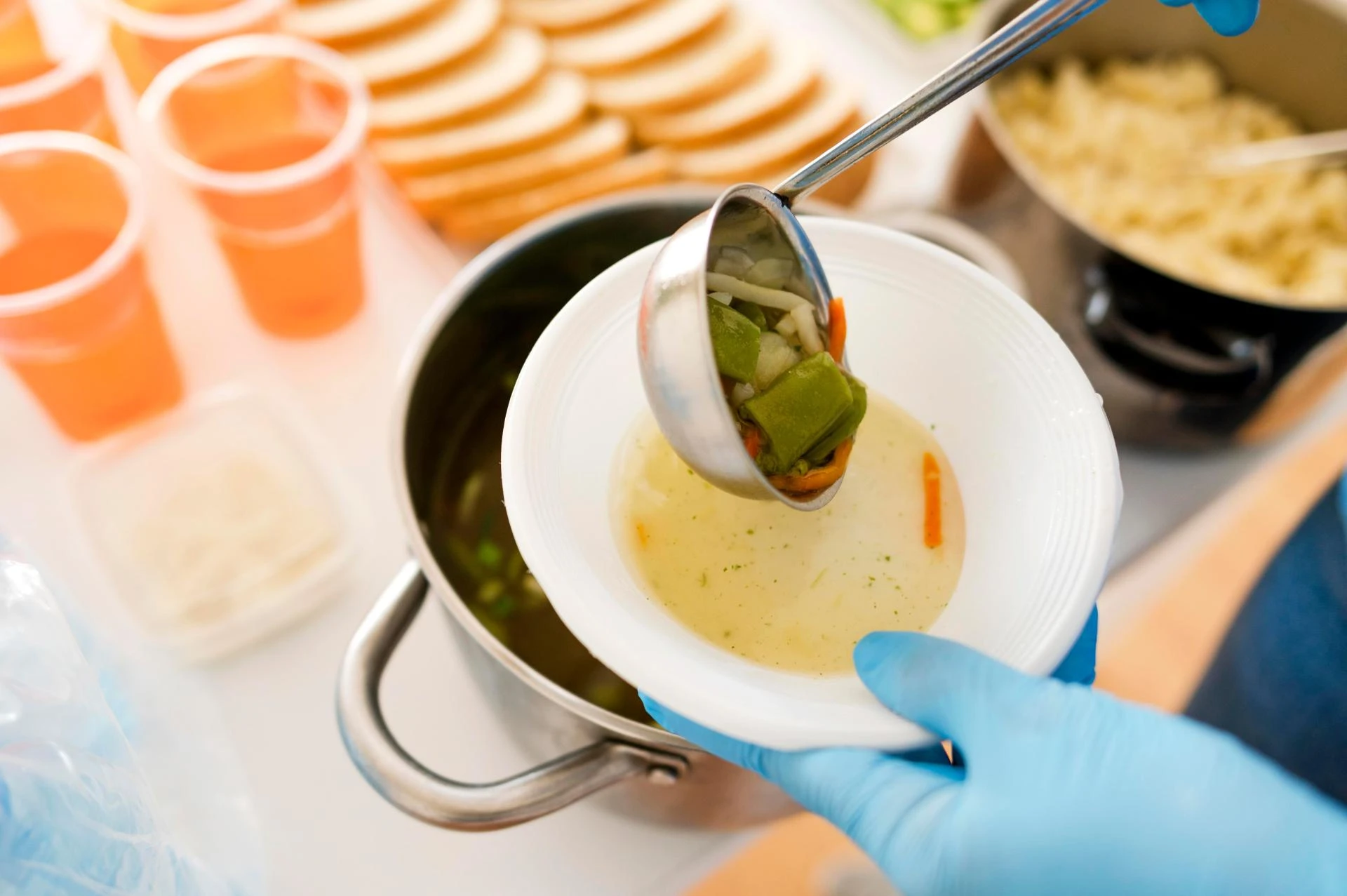
Cooked foods are highly vulnerable to microbial contamination, spoilage, and quality degradation if not handled and tested properly. Unlike raw foods, cooked products often go through multiple handling stages such as preparation, storage, transportation, and reheating. Each stage increases the risk of contamination.
Cooked food testing helps identify:
- Microbiological risks such as Salmonella, E. coli, and Listeria
- Chemical contaminants and residues
- Shelf-life limitations
- Nutritional consistency
Regular testing ensures that cooked foods are safe for consumption and comply with FSSAI and international food safety standards.
Understanding the Role of a Cooked Foods Testing Laboratory
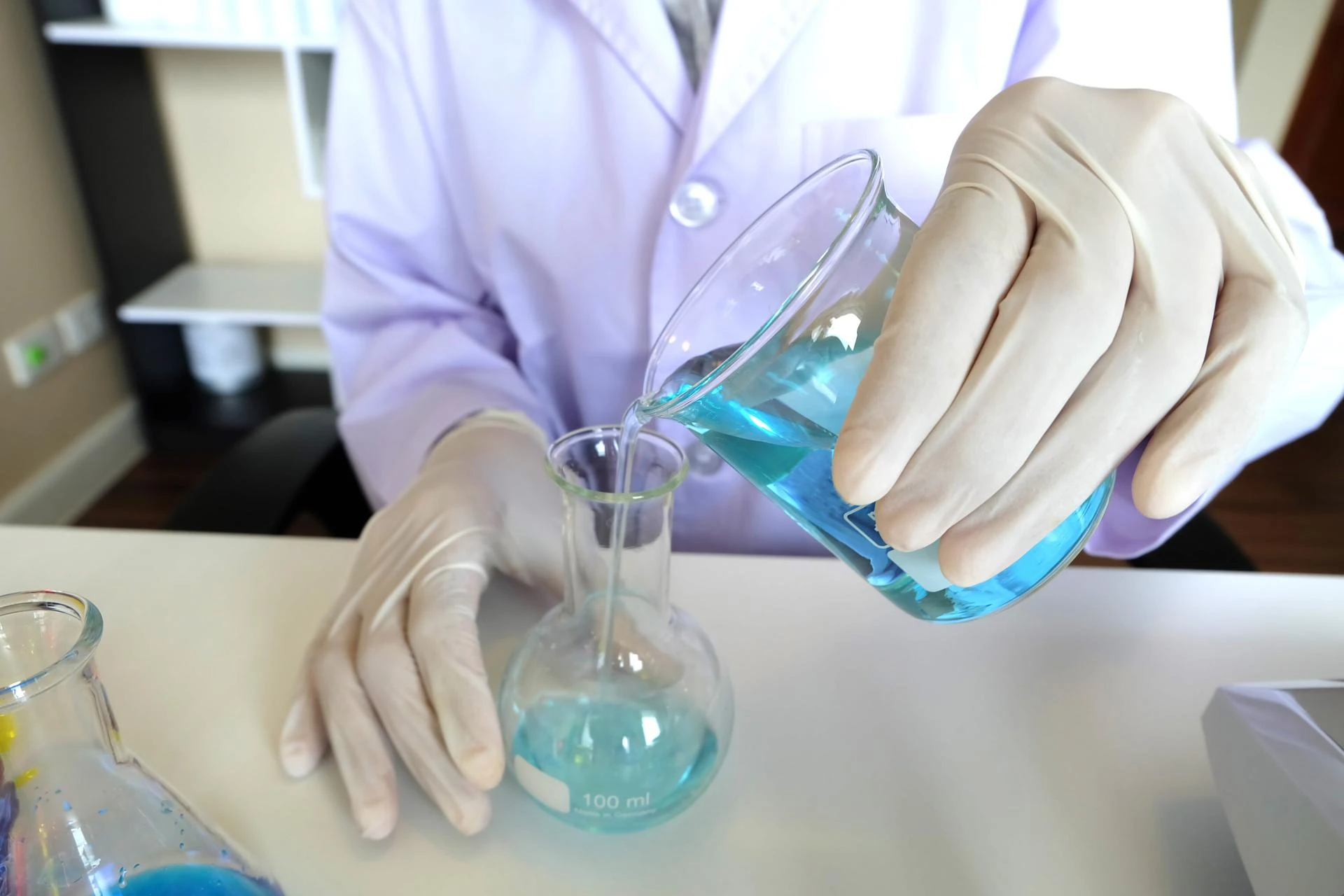
A professional Cooked Foods Testing Laboratory offers comprehensive evaluation of ready-to-eat and cooked food products using validated scientific methods. These laboratories provide specialized food analysis services that assess safety, quality, and regulatory compliance.
An ideal laboratory supports:
- Restaurants and hotels
- Cloud kitchens and catering services
- Ready-to-eat food manufacturers
- Export-oriented food businesses
Their services go beyond basic testing and include consultation, documentation, and compliance support.
Key Factors to Consider When Choosing a Cooked Foods Testing Laboratory in India
1. Accreditation and Regulatory Recognition
The first and most important factor is accreditation. A reliable food testing lab should be recognized by regulatory bodies such as NABL and FSSAI. Accreditation ensures that the lab follows standardized testing protocols, validated methods, and strict quality controls.
Accredited food testing service labs provide reports that are accepted by regulators, buyers, and export authorities, reducing the risk of rejection or non-compliance.
2. Range of Food Testing Services Offered
Not all laboratories offer the same scope of testing. When selecting a Cooked Foods Testing Laboratory, ensure it provides comprehensive food testing services, including:
- Microbiological testing
- Chemical and contaminant analysis
- Nutritional analysis
- Shelf-life and stability studies
- Allergen testing
A lab offering integrated food analytical services can support your product throughout its lifecycle, from development to market launch.
3. Expertise in Ready-to-Eat Foods Testing
Cooked and ready-to-eat foods require specialized testing due to their high-risk nature. Ready to eat foods testing focuses on microbiological safety, shelf life, and packaging integrity.
Choose a laboratory with proven experience in testing:
- Cooked meals
- Frozen and chilled foods
- Packaged ready-to-eat products
- Institutional and catering foods
Expertise in cooked foods ensures accurate risk assessment and compliance with food safety norms.
4. Advanced Analytical Infrastructure
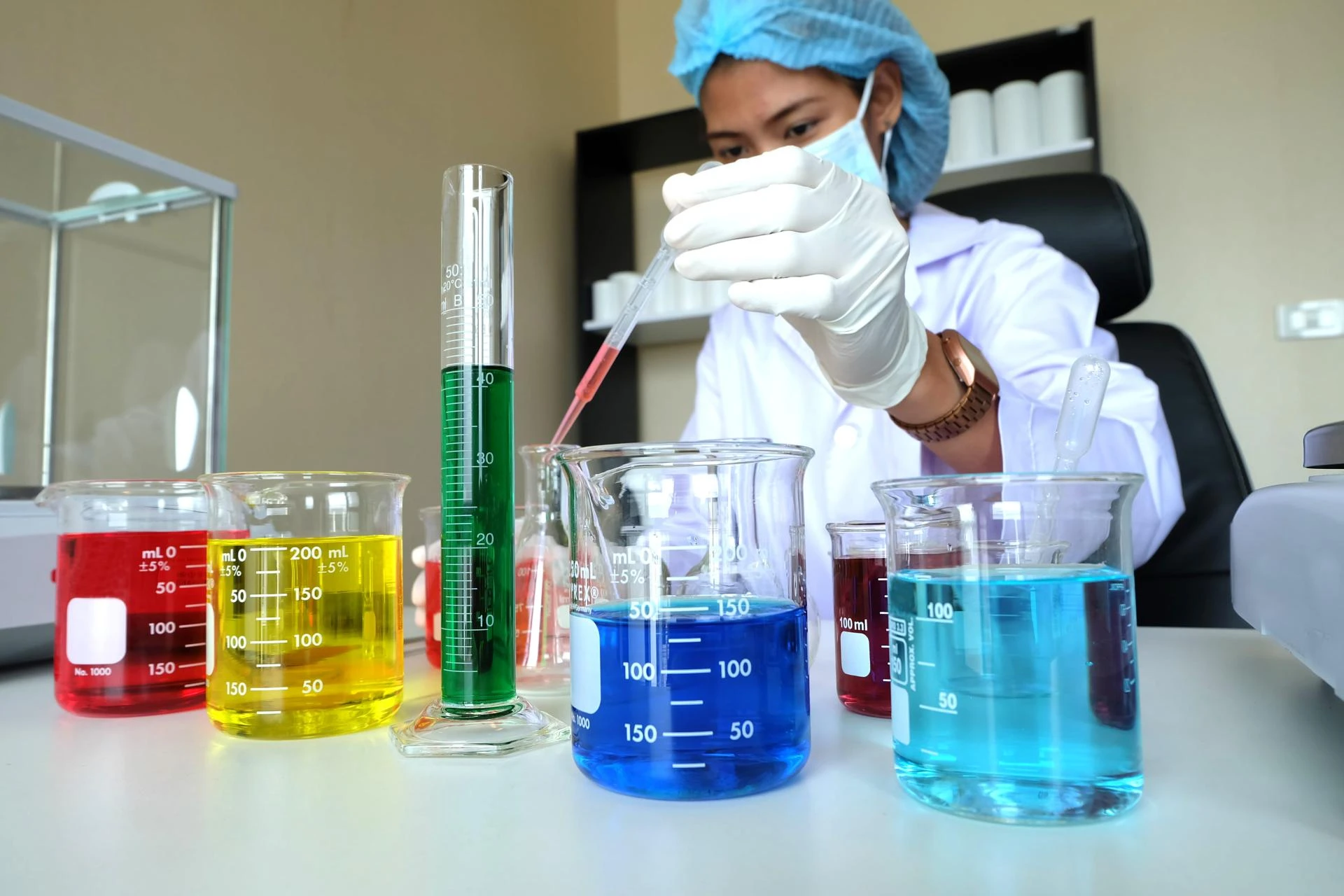
A modern food testing lab should be equipped with advanced analytical instruments to deliver accurate and reliable results. Sophisticated tools support detailed food analysis services, allowing detection of contaminants even at trace levels.
Well-equipped labs ensure:
- High testing accuracy
- Faster turnaround times
- Reliable and reproducible results
Advanced infrastructure also supports complex food analytical services such as allergen detection and nutritional labelling.
5. Clear and Transparent Food Testing Procedure
Understanding the Food testing procedure is essential before selecting a laboratory. A professional lab follows a structured approach that includes:
- Sample collection and handling
- Standardized testing protocols
- Quality control checks
- Detailed reporting
Transparency in procedures builds trust and ensures that test results are scientifically valid and legally defensible.
6. Turnaround Time and Reporting Quality
In the food industry, delays can lead to spoilage, financial losses, or missed market opportunities. Choose food testing service labs that offer efficient turnaround times without compromising accuracy.
A good Cooked Foods Testing Laboratory provides:
- Clear and easy-to-understand reports
- Digital report access
- Regulatory-compliant documentation
Timely and reliable reporting supports faster decision-making and market readiness.
7. Customization and Industry-Specific Testing
Every food business is unique. The right laboratory should offer customized food testing services based on your product type, target market, and regulatory requirements.
Customized food analytical services help address:
- Specific microbial risks
- Product-specific shelf-life needs
- Export compliance requirements
This flexibility is especially important for businesses dealing with diverse cooked food products.
8. Support for Regulatory Compliance
Food safety regulations in India are constantly evolving. A competent food testing lab should stay updated with FSSAI guidelines and international standards.
Regulatory support includes:
- Guidance on compliance requirements
- Assistance with documentation
- Interpretation of test results
This advisory role adds significant value beyond routine testing.
Importance of Cooked Foods Testing for Business Growth
Choosing the right Cooked Foods Testing Laboratory is not just about compliance—it directly impacts brand reputation and business growth.
Effective cooked food testing helps:
- Reduce food safety risks
- Build consumer trust
- Improve product consistency
- Enable access to premium markets
Businesses that invest in reliable food testing services gain a competitive edge in an increasingly quality-conscious market.
Common Mistakes to Avoid When Selecting a Food Testing Lab
While choosing a laboratory, avoid:
- Selecting non-accredited labs
- Ignoring experience in cooked food testing
- Choosing based solely on price
- Overlooking report quality and turnaround time
A low-cost option without proper accreditation or expertise can lead to regulatory issues and reputational damage.
How the Right Food Testing Partner Adds Long-Term Value
A dependable Cooked Foods Testing Laboratory becomes a long-term partner rather than a one-time service provider. Consistent collaboration ensures:
- Ongoing quality improvement
- Faster product approvals
- Reduced compliance risks
With professional food analysis services, businesses can focus on innovation while maintaining safety and quality standards.
Conclusion: Why ITC Labs Is a Trusted Choice for Cooked Foods Testing
When it comes to selecting the right Cooked Foods Testing Laboratory in India, ITC Labs stands out as a reliable and accredited partner. Recognised by regulatory bodies such as NABL, FSSAI, APEDA, and others, ITC Labs meets the highest standards for testing precision and compliance, from routine food analysis to complex regulatory requirements.
ITC Labs offers comprehensive food testing services for a wide range of products, including bakery goods, oils and fats, spices, dairy, cooked foods, ready-to-eat products, and nutraceuticals. Their advanced facility supports every stage of product development and market entry, including shelf-life testing, allergen analysis, contaminant detection, and nutritional labelling.
With expert scientists, robust infrastructure, and trusted food analytical services, ITC Labs is an ideal partner for businesses seeking accuracy, compliance, and confidence in cooked food testing.
























Sign in to leave a comment.