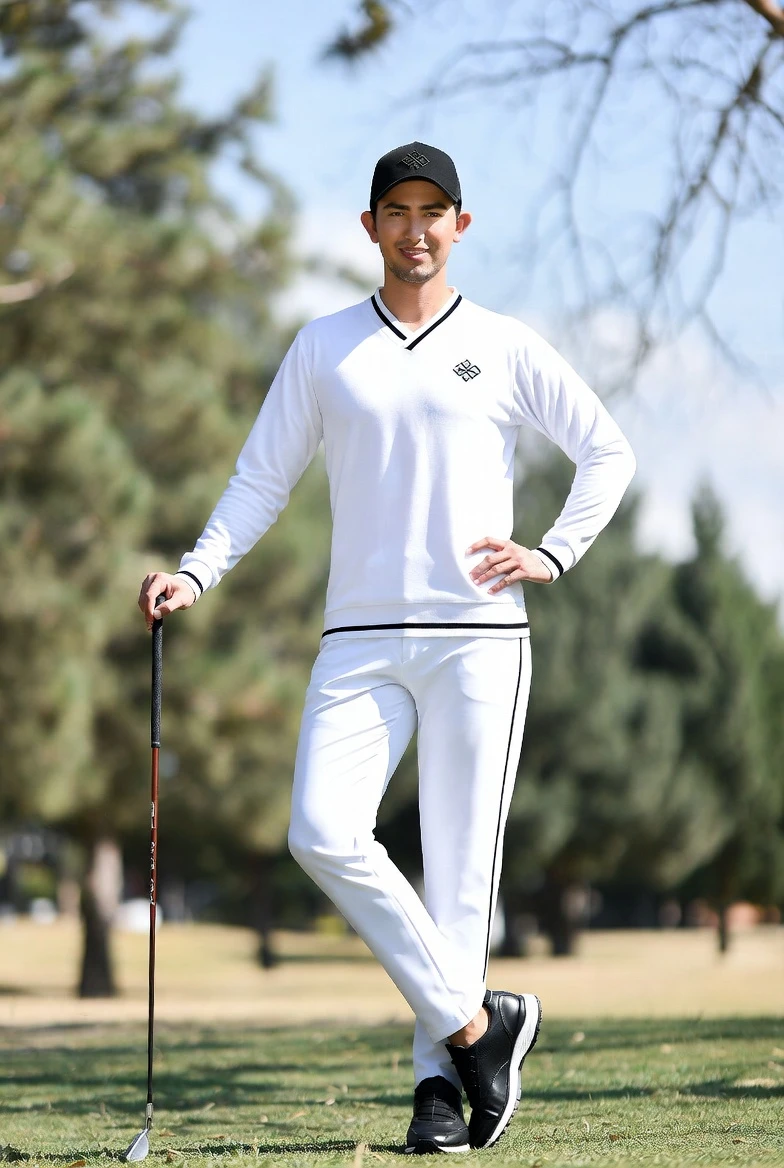

The right golf polo can be the difference between comfort and distraction during a critical tournament round. While many amateur golfers view their golf t-shirts as simple attire, competitive players understand that performance apparel directly impacts their game. When you're facing an 18-hole championship under sweltering heat or cool morning conditions, your polo becomes more than just a uniform requirement—it becomes a performance tool.
In professional golf, the apparel market has grown to over $1.2 billion annually, with performance polos representing a significant portion of that figure. Tour professionals work closely with apparel sponsors to develop garments that meet strict performance criteria, and recreational competitive golfers can benefit from the same technology. This comprehensive guide will walk you through everything you need to know about selecting golf polos that enhance your competitive performance while meeting dress code requirements.
Understanding Golf Dress Code Requirements for Competition
Before diving into performance features and fabric technology, it's essential to understand the dress code landscape in competitive golf. Tournament regulations vary significantly depending on the organizing body, course prestige, and competition level.
Most sanctioned tournaments require collared shirts, which is why the traditional polo remains the gold standard in competitive golf apparel. The United States Golf Association (USGA) and Royal and Ancient Golf Club of St Andrews (R&A) set guidelines that trickle down to regional and local competitions. According to PGA Tour regulations, players must wear collared shirts at all times during tournament rounds, with limited exceptions for specific sponsored events.
Private club championships typically enforce stricter dress codes than public course tournaments. Many upscale clubs prohibit t-shirts entirely, even those designed specifically for golf. Mock necks and quarter-zips with collars are generally acceptable, but always verify specific requirements with tournament organizers before competition day. The penalty for dress code violations can range from warnings to disqualification, making pre-tournament preparation crucial.
Collarless golf shirts have gained popularity in recent years, with some tours allowing them under specific conditions. However, for competitive play, the traditional polo collar remains the safest choice. Studies from the Golf Course Superintendents Association of America indicate that approximately 87% of private clubs maintain strict collared-shirt policies for tournament play.
Fabric Technology: The Foundation of Performance Golf Polos
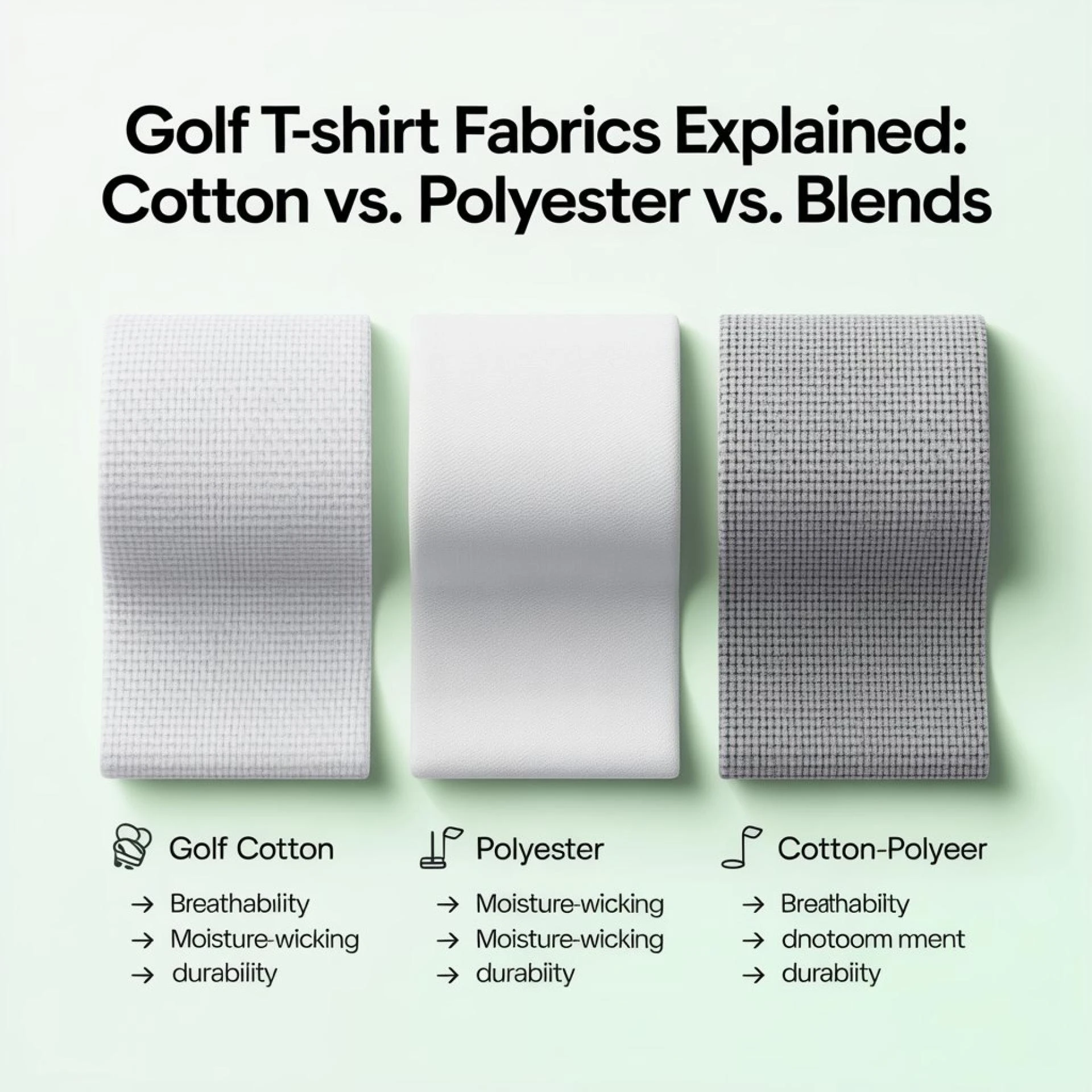
Modern golf polos bear little resemblance to the cotton shirts that dominated the sport for decades. Today's performance fabrics represent the culmination of textile engineering, designed specifically to address the unique demands of golf.
Moisture-Wicking Capabilities
The average golfer can lose between 2-4 pounds of water weight during a single round in warm conditions, primarily through perspiration. Moisture-wicking technology pulls sweat away from your skin to the fabric's outer surface, where it evaporates quickly. This process keeps you dry and prevents the heavy, clingy feeling that cotton shirts develop when wet.
Premium golf polos utilize polyester blends with micro-denier fibers, creating thousands of microscopic channels that transport moisture efficiently. Leading manufacturers like Nike, Under Armour, and Adidas have developed proprietary moisture management systems that can move perspiration up to 30% faster than standard polyester. This translates to more comfortable play during critical tournament moments when physical discomfort can disrupt concentration.
Breathability and Ventilation
Breathability refers to a fabric's ability to allow air circulation against your skin. High-quality golf t-shirts incorporate mesh panels, strategically placed venting zones, and open-weave construction to maximize airflow. Research published by textile scientists indicates that fabrics with breathability ratings above 200 cubic feet per minute (CFM) provide optimal comfort during moderate athletic activity like golf.
Many premium golf polos feature laser-cut perforations or engineered mesh zones under the arms and across the back, where heat accumulation is greatest. These ventilation features can reduce core body temperature by 2-3 degrees Fahrenheit during hot rounds, which studies show can improve decision-making and physical performance.
UV Protection
Competitive golfers spend 4-6 hours in direct sunlight during tournament rounds, often multiple days consecutively. Sun protection becomes a health priority as well as a performance consideration. Quality golf polos now incorporate UPF (Ultraviolet Protection Factor) ratings, with competitive-grade shirts typically offering UPF 30-50 protection.
According to the Skin Cancer Foundation, fabric with a UPF rating of 50 blocks approximately 98% of UV rays. Dark colors generally provide better protection than light colors, though fabric construction matters more than color. Tightly woven synthetic fabrics offer superior UV protection compared to cotton, which can have a UPF rating as low as 5-10 when dry.
Stretch and Range of Motion
The golf swing requires exceptional flexibility and range of motion through the shoulders, back, and core. Modern performance polos incorporate four-way stretch fabrics, typically blending polyester with elastane (spandex) in ratios ranging from 85/15 to 95/5. This elasticity allows the fabric to move with your body rather than restricting motion.
Biomechanical studies of the golf swing show that restrictive clothing can reduce shoulder rotation by up to 15 degrees, directly impacting swing plane and clubhead speed. Four-way stretch fabrics that elongate in both vertical and horizontal directions provide unrestricted movement through the entire swing sequence, from takeaway through follow-through.
Fit and Cut: How Sizing Impacts Performance
The fit of your golf polo affects both appearance and performance. While personal preference plays a role, certain fit characteristics optimize competitive play across different body types and swing styles.
Athletic vs. Traditional Fit
Athletic-fit golf polos feature narrower shoulders, tapered waists, and shorter sleeves designed to showcase a fit physique while reducing excess fabric. These cuts work exceptionally well for golfers with athletic builds and can improve aerodynamics during the swing. However, extremely tight fits can restrict movement and become uncomfortable during long tournament rounds.
Traditional or classic-fit polos offer more room through the chest, shoulders, and midsection. This roomier cut provides maximum comfort and works well for golfers who prefer less constricting garments. The trade-off is potential excess fabric that can billow during windy conditions or catch during the swing.
Modern performance fits split the difference, offering tailored silhouettes that follow the body's contours without excessive tightness. These contemporary cuts have become the preferred choice for competitive players, combining professional appearance with unrestricted movement. Research from sports apparel manufacturers indicates that 68% of competitive amateur golfers prefer modern performance fits over traditional or athletic cuts.
Sleeve Length Considerations
Sleeve length affects both aesthetics and functionality. Standard golf polo sleeves should reach mid-bicep, providing coverage without binding. Sleeves that are too short can ride up during the swing, while overly long sleeves can restrict arm movement and appear sloppy.
Some competitive golfers prefer slightly longer sleeves for additional sun protection, particularly players with fair skin or those competing in high-altitude or tropical locations. Conversely, players competing in extreme heat may choose shorter sleeve lengths to maximize cooling. The key is ensuring sleeves don't bind at the top of the backswing or follow-through.
Collar Design
Collar construction significantly impacts comfort and appearance. Soft, flexible collars that lie flat provide the most comfortable wearing experience, especially during warm rounds when collar stiffness can become irritating. Some performance polos feature ribbed collars that maintain shape without stiffness, while others use bonded or fused collar construction for a crisp appearance.
For competitive play, choose collars that stay put without constant adjustment. Collars that flip up, curl, or lose shape during the round create an unprofessional appearance and can become a distraction. Button-down collars offer additional security but can feel restrictive for some players.
Color Selection and Visual Performance
Color choice extends beyond aesthetics to influence both comfort and on-course performance. Different colors absorb and reflect heat differently, affecting body temperature during play.
Light colors like white, light blue, and pastels reflect sunlight and heat, keeping you cooler in warm conditions. Studies in thermal dynamics show that white clothing can be 10-15 degrees Fahrenheit cooler than black clothing in direct sunlight. For summer tournaments or competitions in hot climates, light-colored golf t-shirts provide a measurable comfort advantage.
Dark colors absorb heat but offer several competitive advantages. Black, navy, and dark gray polos provide superior UV protection and maintain a professional appearance longer throughout the round. Dark colors also minimize the visibility of sweat stains, which can become a confidence issue for some competitive players. Many tour professionals rotate between light and dark colors based on weather conditions and tournament locations.
Bold patterns and bright colors can serve strategic purposes. Vibrant colors may boost confidence and create a memorable presence, which some sports psychologists suggest can provide psychological advantages in match play situations. However, overly busy patterns can be visually distracting to playing partners and should be avoided in team competitions.
Professional golfers working with apparel sponsors typically have 12-15 different polo options in their tournament wardrobe, allowing them to select appropriate colors and styles based on weather forecasts, course backgrounds, and personal preference for that week's competition.
Durability and Longevity for Tournament Play
Competitive golfers need polos that maintain performance characteristics and appearance through multiple tournaments and practice sessions. Durability factors include fabric construction, stitching quality, and resistance to pilling and fading.
High-quality golf polos use double-stitched seams in stress areas like shoulders and side seams. Flatlock stitching, which creates smooth, flat seams, reduces chafing during long rounds while improving durability. Reinforced buttons and button holes prevent premature failure, which can be catastrophic during tournament play.
Pilling, the formation of small fabric balls on the surface, degrades both appearance and performance. Premium polyester blends resist pilling significantly better than cotton or low-quality synthetics. Look for anti-pilling treatments or high-quality fibers that naturally resist this breakdown.
Color fastness determines how well colors resist fading from sunlight exposure and repeated washing. Tournament-quality golf polos should maintain color integrity through 50+ wash cycles without significant fading. This longevity is particularly important for signature tournament colors or team uniforms that need to match throughout a season.
Special Features for Competitive Advantage
Beyond basic performance attributes, certain features can provide marginal gains that accumulate over a tournament round.
Anti-Microbial Treatments
Odor control becomes crucial during multi-day tournaments or when playing multiple rounds without returning home. Anti-microbial treatments inhibit bacterial growth, the primary cause of odor in athletic apparel. Silver ion technology, polygiene treatments, and other odor-fighting systems keep golf polos fresh throughout long competition days.
Cooling Technologies
Some premium golf polos incorporate advanced cooling technologies that go beyond moisture-wicking. Jade-infused fabrics, cooling minerals embedded in fibers, and specialized chemical treatments can create a cooling sensation against the skin. While effects vary among individuals, many competitive players report measurable comfort improvements in hot conditions.
Strategic Pocket Placement
Traditional chest pockets have largely disappeared from performance golf polos, as they interfere with swing mechanics and create visual bulk. However, some competition-focused designs include small, low-profile pockets positioned strategically on the lower side seam for ball markers, small scorecards, or other essentials. These pockets shouldn't interfere with arm movement or create unsightly bulges.
Lightweight Construction
Tournament golf requires carrying clubs, walking several miles (even with a cart), and maintaining focus for 4+ hours. Lightweight polos reduce fatigue and increase comfort. Premium competition polos typically weigh between 4-6 ounces, compared to 7-10 ounces for traditional cotton polos. This weight reduction might seem minimal, but over 18 holes, every ounce matters.
Brand Selection and Value Considerations
The golf apparel market offers options ranging from budget-friendly to premium luxury brands. Understanding what you're paying for helps maximize value for competitive play.
Tour-Level Brands
Nike Golf, Adidas Golf, Under Armour, Puma, and TaylorMade represent the top tier of golf apparel, often worn by touring professionals. These brands invest heavily in fabric research and development, producing genuine performance advantages. Expect to pay $70-120 per polo, with technology and durability justifying the premium for serious competitive players.
Performance Value Brands
Brands like FootJoy, Callaway, Greg Norman Collection, and PGA Tour offer excellent performance characteristics at more accessible price points, typically $45-75. These companies utilize proven fabric technologies and construction methods without the premium branding costs. For amateur competitive golfers, these brands often provide the best value proposition.
Emerging Direct-to-Consumer Brands
Companies like Bonobos Golf, Mizzen+Main, and others bypass traditional retail to offer performance golf polos at competitive prices. Many of these brands focus heavily on fit innovation and fabric technology, though durability can vary. These options work well for golfers wanting modern fits and features without tour-level pricing.
Preparing Golf Polos for Tournament Day
Proper care extends the life and performance of golf polos while ensuring they look and perform optimally during competition.
Washing and Maintenance
Always follow care label instructions, but generally, performance fabrics require cold water washing with mild detergent. Avoid fabric softeners, which can clog moisture-wicking channels and reduce breathability. Most golf t-shirts should be washed inside-out to protect outer finishes and graphics.
Air drying or low-heat tumble drying preserves fabric elasticity and prevents shrinkage. High heat can damage performance treatments and break down elastane fibers, reducing stretch over time. Hanging polos to dry maintains shape and extends longevity.
Pre-Tournament Preparation
Iron or steam polos before tournament rounds to ensure a crisp, professional appearance. Most performance fabrics resist wrinkles naturally, but travel and storage can create creases. A quick steam removes wrinkles without the scorching risk of direct ironing.
Pack tournament polos carefully, either hanging in garment bags or folded with tissue paper to prevent creases. Arriving at the course with a fresh, wrinkle-free polo contributes to confidence and professional presentation.
Building a Competitive Golf Wardrobe
Serious competitive golfers should maintain a rotation of quality polos rather than relying on a single favorite shirt. A well-rounded tournament wardrobe includes at least 6-8 high-quality golf polos in varied colors and styles.
This rotation should include light colors for hot weather, dark options for cooler conditions, and neutral tones that pair easily with different pants or shorts. Having backup options allows you to adapt to weather changes, coordinate with team colors, or replace a shirt if issues arise.
Consider specific tournament requirements when building your wardrobe. Club championships may require specific colors or logos, while team events might mandate matching attire. Having versatile options ensures you're prepared for any competitive situation.
The Psychology of Tournament Attire
Beyond physical performance, your golf polo choice affects confidence and mental game. Studies in sports psychology demonstrate that athletes who feel good about their appearance often perform better under pressure. The "enclothed cognition" phenomenon suggests that wearing professional, high-quality attire can actually improve cognitive performance and focus.
Choose golf polos that make you feel confident and professional. If you're self-conscious about sweat visibility, opt for moisture-wicking fabrics in patterns or dark colors. If you derive confidence from standing out, select bold colors that express personality while remaining within dress code guidelines.
Many tour professionals develop signature looks or color schemes that become part of their brand identity. While amateur competitive golfers don't need signature looks, establishing a consistent, professional appearance can contribute to mental preparation and competitive mindset.
Making Your Final Selection
Choosing the right golf polo for competitive play requires balancing multiple factors: performance characteristics, dress code compliance, fit, durability, and personal preference. Start by identifying your specific needs based on typical tournament conditions, your physical build, and competitive level.
Visit golf retailers to try different brands, fits, and fabrics. What works for another player may not suit your body type or swing characteristics. Pay attention to how polos feel during practice swings and simulated golf movements, not just standing in front of a mirror.
Invest in quality for tournament play. A premium golf polo that performs well and lasts multiple seasons provides better value than budget options requiring frequent replacement. The confidence and comfort advantages of superior polos can translate to better scores when competition matters most.
Remember that the best golf polo is the one you forget you're wearing—comfortable, confident, and focused solely on your game rather than adjusting collars, dealing with clingy fabric, or worrying about appearance. When your apparel works seamlessly with your game, you're free to focus on what matters: executing shots and posting competitive scores.
Conclusion
The evolution of golf apparel technology means today's competitive players have access to performance advantages previous generations never imagined. Modern golf t-shirts and polos combine advanced fabrics, strategic construction, and thoughtful design to enhance comfort and performance throughout tournament rounds.
Selecting the right polo requires understanding fabric technologies, fit characteristics, dress code requirements, and your personal playing conditions. Whether you're competing in club championships, amateur tournaments, or professional qualifiers, your polo choice contributes to overall performance and competitive presence.
Take time to build a quality tournament wardrobe that prepares you for various conditions and dress code situations. The investment in premium golf polos pays dividends in comfort, confidence, and the freedom to focus entirely on your competitive game. With the right apparel supporting your physical and mental performance, you're equipped to play your best golf when it matters most.
























Sign in to leave a comment.