

Selecting the proper location is one of the most important decisions a practitioner can make when planning to establish a new chiropractic office. Location influences visibility, patient accessibility, long term growth, and the overall success of the practice. Understanding how to set up a chiropractic clinic begins with careful research and strategic planning, especially when determining where the clinic should be located. The right space supports the practitioner’s goals and meets the needs of the surrounding community, while the wrong location can create ongoing challenges.
This comprehensive guide explores the essential factors to consider when choosing the best location for a chiropractic clinic, along with practical insights to support long term practice growth.
Understanding the Importance of a Strategic Location
The success of a chiropractic clinic is directly tied to its accessibility and ability to attract patients from the surrounding area.
Visibility and First Impressions
A location with strong visibility creates immediate recognition. When people drive or walk past the clinic regularly, it naturally increases awareness. Clear signage, easy front facing visibility, and a welcoming exterior all contribute to positive first impressions.
Convenience and Patient Accessibility
Convenience plays a major role in patient retention. A clinic located near residential neighborhoods, business districts, or major roadways ensures patients can reach the office easily. Adequate parking, smooth traffic flow, and accessible entryways encourage repeat visits.
Influence on Practice Growth
Location can support growth by attracting the right patient demographic and aligning with the practitioner’s clinical specialties. A well chosen location helps build a strong reputation and contributes to long term success.
Researching the Local Market
Before selecting a location, practitioners should evaluate the local market to determine whether the area can support their clinic.
Understanding Local Demographics
Analyzing the age range, income levels, lifestyle habits, and population density of the area helps determine if the community aligns with the clinic’s target patients. Demographics also influence what type of chiropractic services may be in high demand.
Identifying Local Competition
Reviewing nearby healthcare providers, including other chiropractic clinics, physical therapy offices, and wellness centers, helps practitioners understand the competitive landscape. A location with numerous clinics may be oversaturated, while an underserved area may present strong opportunities.
Evaluating Community Needs
Some communities have a high demand for sports rehabilitation, while others may require family centered care. Understanding local needs helps practitioners tailor their services and position themselves effectively.
Choosing the Right Type of Building or Space
The type of facility selected directly affects the functionality and overall patient experience.
Assessing Building Size and Layout
A chiropractic clinic needs space for treatment rooms, reception areas, private consultation rooms, and equipment storage. The layout should support smooth patient flow and maintain privacy. When evaluating how to set up a chiropractic clinic, space planning plays a crucial role.
Considering Expansion Potential
Practitioners should choose a location with room for future growth. Whether adding treatment rooms, specialty services, or new equipment, expansion potential ensures the clinic can develop along with its patient base.
Ensuring Safety and Building Compliance
The building should meet all safety requirements and adhere to regulations. Adequate ventilation, sturdy flooring, and proper electrical infrastructure contribute to a safe and reliable practice environment.
Accessibility and Transportation Considerations
Patients should be able to reach the clinic easily regardless of their physical limitations or transportation options.
Proximity to Major Roads and Transit Routes
A location near highways or main roads increases accessibility. Clinics that are convenient for both local residents and those traveling from surrounding areas tend to experience higher patient volume. For cities with public transportation, nearby bus stops or train stations are valuable assets.
Availability of Parking
Parking availability is one of the most common factors patients consider when choosing a healthcare provider. A location with ample parking reduces stress and improves patient satisfaction. Reserved spaces for individuals with mobility challenges are also essential.
Walking and Biking Access
In communities where walking or biking is common, safe sidewalks and bike racks add convenience. This is particularly relevant in urban or suburban areas with active populations.
Evaluating Cost and Financial Feasibility
Budget considerations play a significant role when choosing the best location.
Balancing Rent or Purchase Costs
The cost of renting or purchasing a space must align with projected revenue. Prime locations may offer excellent visibility but come with higher costs. Practitioners should compare the value of the space with their long term goals and financial plan.
Understanding Additional Expenses
Beyond rent, there are costs for utilities, property taxes, maintenance, and potential renovations. Estimating these expenses ahead of time prevents budget surprises and supports smoother business planning.
Assessing Long Term Affordability
A location that is affordable now may become costly over time if rental prices increase. Evaluating long term affordability helps ensure financial stability for the clinic.
Evaluating Surrounding Businesses and Neighborhood Environment
The environment surrounding the clinic can significantly impact patient comfort and clinic reputation.
Complementary Businesses
Clinics located near gyms, wellness centers, or medical offices may naturally benefit from shared foot traffic. Complementary businesses can also encourage referrals and community networking.
Neighborhood Safety
Patients must feel safe entering and exiting the clinic. Choosing an area with low crime rates and well lit streets helps build trust and comfort.
Aesthetic Appeal
The appearance of surrounding buildings contributes to the professional image of the clinic. Clean, well maintained neighborhoods create a positive impression and contribute to patient confidence.
Assessing Zoning and Legal Requirements
Chiropractic clinics are subject to zoning regulations and local ordinances that dictate where healthcare practices can operate.
Zoning Approval
Before committing to a location, practitioners must ensure the property is zoned for healthcare use. If not, approval may require a zoning variance, which can be time consuming.
Compliance With Local Codes
Buildings must comply with fire codes, accessibility requirements, and health regulations. Reviewing these details prevents legal complications.
Licensing and Permit Requirements
Some areas require special permits for signage, renovations, or medical operations. Understanding these requirements helps avoid delays during setup.
Considering Interior Design and Patient Experience
The interior environment influences both comfort and clinical efficiency.
Creating a Welcoming Reception Area
A calm and comfortable reception space sets the tone for the patient experience. Seating arrangements, lighting, and décor all contribute to first impressions.
Designing Functional Treatment Rooms
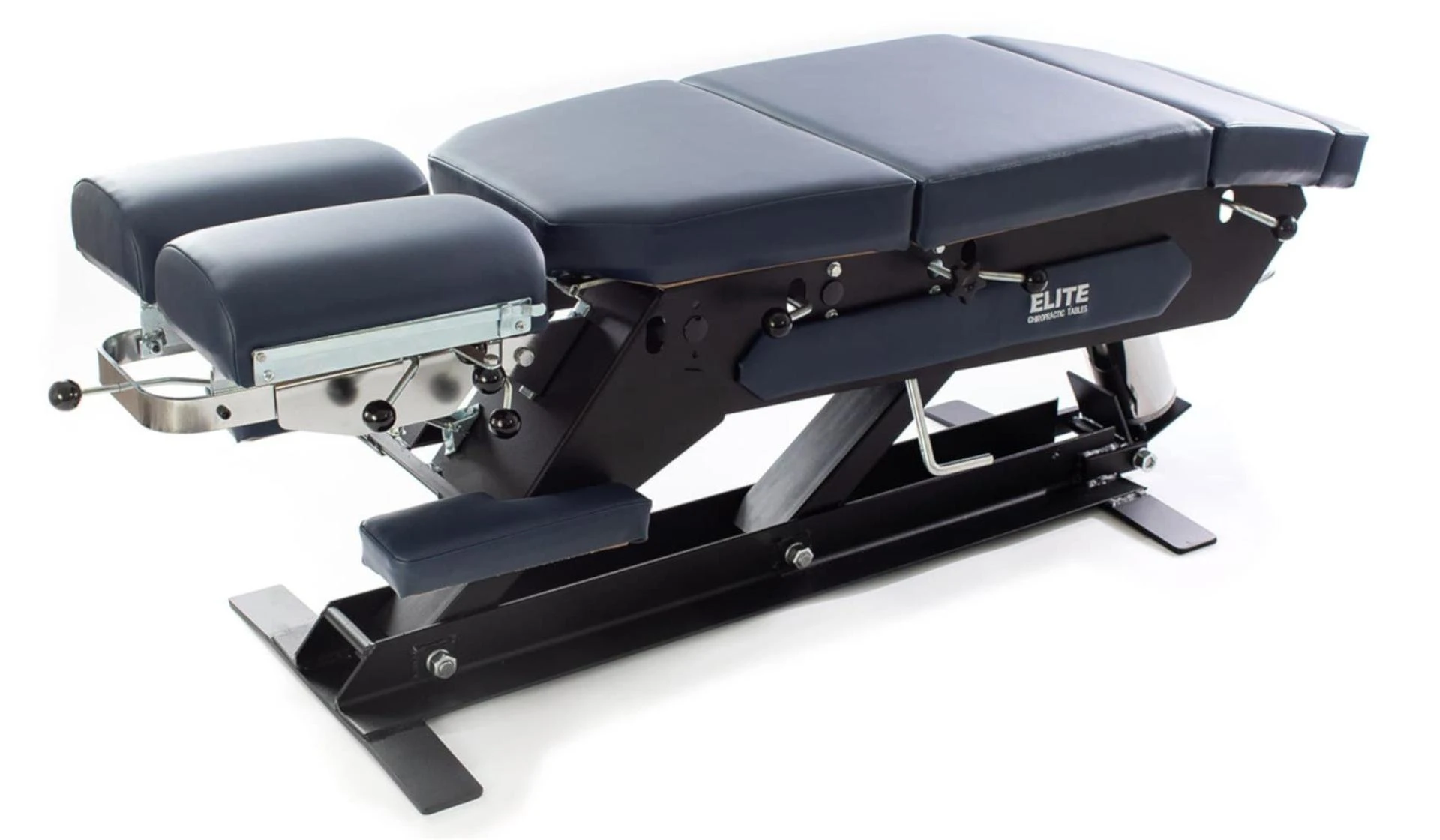
Treatment rooms should be spacious enough to house chiropractic tables and equipment while allowing the practitioner to move freely. A functional design supports effective care.
Ensuring Noise Control
Soundproofing helps maintain privacy and reduces distractions. This is especially important in multi unit buildings.
Planning for Equipment and Technology Needs
Understanding equipment requirements helps practitioners choose a location capable of supporting their clinical goals.
Evaluating Electrical Capacity
Chiropractic equipment such as elevation tables and diagnostic devices may require stable electrical output. Ensuring the facility has adequate outlets and power supply prevents equipment issues later on.
Space for Specialized Equipment
Practitioners offering advanced services such as decompression therapy or rehabilitation require additional space. The location should allow for efficient equipment placement without crowding.
Technology Integration
Modern clinics rely on digital recordkeeping, scheduling systems, and patient communication tools. A location with strong internet connectivity supports smooth operations.
Assessing Long Term Viability
Choosing a location is a long term decision that should support practice growth for years.
Monitoring Area Development
Neighborhoods evolve over time. Locations near growing communities, expanding business districts, or new housing developments may provide more long term potential.
Evaluating Community Stability
Areas with stable populations and consistent economic activity offer reliable foundations for clinic growth.
Considering Future Competition
Monitoring trends in local healthcare expansion helps practitioners anticipate how competition may change.
Final Thoughts on How to Set Up a Chiropractic Clinic with the Right Location
Choosing the right location is a foundational step in establishing a successful chiropractic clinic. By evaluating visibility, accessibility, demographics, budget, and long term potential, practitioners can make informed decisions that support growth and patient satisfaction. Understanding how to set up a chiropractic clinic begins with recognizing that the right location enhances service delivery, increases patient trust, and establishes a strong professional presence within the community.
In conclusion, practitioners who seek dependable guidance and resources as they build and equip their clinic can rely on Advanced Chiropractic Equipment for support throughout their journey.
































Sign in to leave a comment.