

Spinal decompression therapy has become a popular treatment for individuals suffering from back pain, herniated discs, sciatica, and other spinal conditions. One of the most effective tools used in this therapy is the spinal decompression table, a piece of chiropractic equipment designed to gently stretch the spine and relieve pressure on the spinal discs. For individuals who are considering this treatment, it is essential to understand what to expect during a spinal decompression table session. This article will explain the process, benefits, and what you should know before undergoing spinal decompression therapy.
What is Spinal Decompression Therapy?
Understanding Spinal Decompression
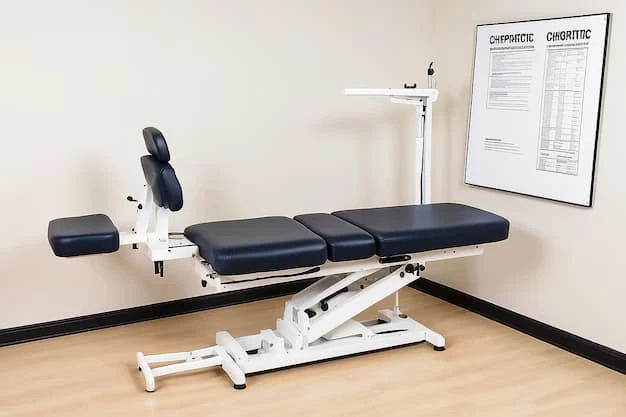
Spinal decompression therapy is a non-surgical treatment aimed at alleviating pressure on the spine. The procedure involves the use of a spinal decompression table, which applies a controlled stretching force to the spine. This stretching creates space between the vertebrae, which helps to reduce pressure on the spinal discs, nerves, and surrounding tissues. The goal is to promote healing, alleviate pain, and restore proper spinal alignment.
Spinal decompression is commonly used to treat conditions such as herniated or bulging discs, sciatica, degenerative disc disease, and chronic back pain. The therapy has been shown to provide relief for many patients, especially those who want to avoid surgery or invasive treatments.
How Spinal Decompression Works
During spinal decompression, the spinal decompression table applies traction to the spine in a controlled manner. This traction creates a vacuum-like effect within the discs, allowing them to rehydrate and absorb nutrients, which can accelerate the healing process. The process also helps alleviate nerve compression, reduce inflammation, and improve blood circulation to the affected areas.
The therapy is typically performed over several sessions, with the chiropractor customizing the treatment based on the patient’s specific needs and conditions. The sessions are non-invasive and usually pain-free, though some individuals may experience mild discomfort during or after treatment.
What to Expect Before the Spinal Decompression Table Session
Initial Consultation and Evaluation
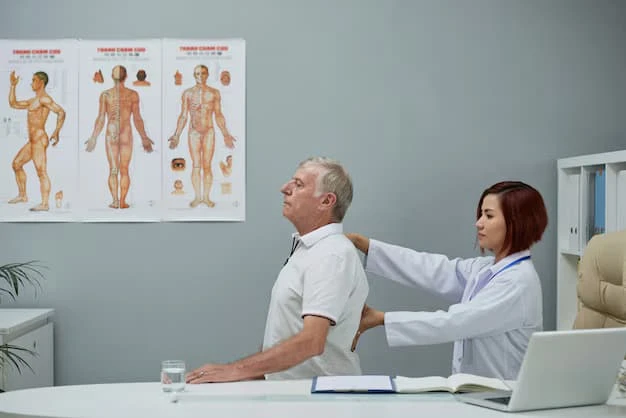
Before undergoing spinal decompression therapy, you will have an initial consultation with a chiropractor. During this consultation, the chiropractor will review your medical history, discuss your symptoms, and perform a physical examination to assess your condition. The chiropractor may also request imaging tests, such as X-rays or MRIs, to get a clearer picture of your spinal health.
Based on this evaluation, the chiropractor will determine if spinal decompression therapy is appropriate for you. If you are a good candidate for the treatment, the chiropractor will explain the process and what to expect during each session. This is also an opportunity for you to ask any questions about the therapy and address any concerns you may have.
Setting Realistic Expectations
It is important to have realistic expectations about spinal decompression therapy. While many patients experience significant relief from pain and discomfort, the results can vary depending on the severity of the condition and individual response to treatment. Some individuals may experience immediate relief after the first session, while others may require several sessions before seeing noticeable improvements. Your chiropractor will provide a treatment plan tailored to your specific needs and will monitor your progress over time.
What Happens During a Spinal Decompression Table Session?
Preparing for the Session
When you arrive for your spinal decompression session, you will typically be asked to change into comfortable clothing. Since the therapy focuses on the spine, it is important to wear clothes that allow easy access to the lower back or neck area, depending on the target area of treatment. In some cases, a special harness may be used to secure your body in place during the session.
Before starting the session, your chiropractor will explain the process in detail and make sure you are comfortable with the treatment. They will also adjust the settings on the spinal decompression table to ensure it is appropriate for your body type and condition.
Lying Down on the Spinal Decompression Table
Once you are prepared, you will lie down on the spinal decompression table, either on your back or stomach, depending on the area of the spine being treated. The table is designed to be adjustable, so it can be tailored to your body’s needs. For lower back treatment, you may be positioned with your feet placed in harnesses attached to the table. For neck treatment, a different configuration of straps may be used.
The chiropractor will ensure that you are positioned comfortably and safely before beginning the decompression therapy. You may also be provided with a pillow or cushion for added comfort during the session.
The Decompression Process
During the session, the spinal decompression table will gently apply traction to your spine. The force will be controlled and gradually adjusted according to your comfort level and treatment goals. The table will stretch your spine, creating space between the vertebrae. This action allows the spinal discs to move back into their proper positions, relieving pressure on the discs, nerves, and surrounding tissues.
The stretching is typically done in cycles, where the spine is pulled and then relaxed. Each cycle may last a few minutes, with several cycles occurring during the session. The process is generally painless, although some patients may feel a mild stretching sensation or a slight pressure in the treated area. If any discomfort occurs, the chiropractor can adjust the settings to make the treatment more comfortable.
Duration of the Session
A typical spinal decompression session lasts between 15 and 30 minutes, depending on the severity of the condition and the specific treatment plan. The number of sessions required will vary based on the individual’s condition and how well they respond to therapy. Most patients undergo multiple sessions over the course of several weeks to achieve the desired results.
After the session is complete, the chiropractor will assess your response to the treatment and determine whether any adjustments need to be made for future sessions.
After the Spinal Decompression Table Session
Post-Treatment Care and Rest
After a spinal decompression session, you may experience a sense of relaxation or mild discomfort in the treated area. This is normal and typically subsides within a few hours. Some individuals may feel immediate relief from pain and stiffness, while others may notice gradual improvement over time. It is important to follow any post-treatment instructions provided by your chiropractor, such as avoiding strenuous activities for the rest of the day.
Some chiropractors may recommend complementary treatments, such as gentle stretches or exercises, to enhance the effects of spinal decompression therapy. These exercises can help strengthen the muscles surrounding the spine and improve overall posture, further supporting the healing process.
Monitoring Progress
Spinal decompression therapy typically requires several sessions to achieve the best results. Your chiropractor will monitor your progress throughout the treatment plan and adjust the therapy as needed. They may also conduct follow-up assessments, including re-evaluating your symptoms and reviewing any imaging results, to track your improvement.
It is important to maintain open communication with your chiropractor during the treatment process. If you experience any new or unusual symptoms, be sure to inform them so they can make any necessary adjustments to your treatment plan.
Benefits of Spinal Decompression Therapy
Pain Relief and Healing
One of the most significant benefits of spinal decompression therapy is pain relief. By relieving pressure on the discs and nerves, the therapy helps to reduce inflammation and alleviate discomfort. Many patients report significant improvements in their pain levels and mobility after completing a series of spinal decompression sessions.
Additionally, spinal decompression promotes healing by allowing the spinal discs to rehydrate and absorb essential nutrients. This can help repair damaged tissue and improve spinal health over time.
Non-Surgical Option
Spinal decompression therapy offers a non-invasive alternative to surgery for individuals with conditions such as herniated discs, sciatica, and degenerative disc disease. For many patients, spinal decompression provides relief without the need for surgery, which can involve risks, a lengthy recovery period, and significant costs.
Conclusion
Spinal decompression therapy using a spinal decompression table is an effective, non-surgical treatment option for individuals suffering from back pain, herniated discs, sciatica, and other spinal conditions. During a spinal decompression session, patients can expect a comfortable, non-invasive treatment that applies controlled traction to the spine, helping to reduce pressure on the discs, alleviate pain, and promote healing.
For those considering spinal decompression therapy, it is important to consult with a chiropractor to determine if this treatment is right for your specific condition. With a personalized treatment plan and multiple sessions, many patients experience lasting relief and improved spinal health.
For more information on spinal decompression and other chiropractic treatments, Advanced Chiropractic Equipment LLC offers a variety of high-quality equipment designed to support effective therapy and patient care.






























Sign in to leave a comment.