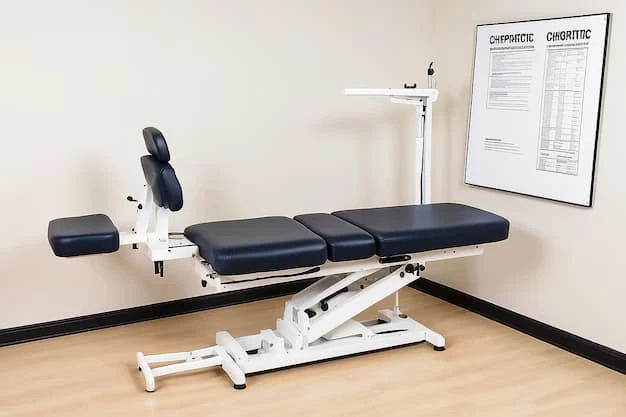

Spinal decompression therapy is a widely used treatment designed to relieve pain in the back, neck, and other parts of the body caused by conditions like herniated discs, degenerative disc disease, sciatica, and spinal stenosis. One of the primary tools used in spinal decompression therapy is a spinal decompression table, a specialized machine that gently stretches the spine to reduce pressure on the vertebrae and discs. For those considering this therapy, understanding how to use a spinal decompression table safely is crucial to ensuring the best results and avoiding injury.
This guide will walk you through the process of using a spinal decompression table safely and effectively.
What is a Spinal Decompression Table?
A spinal decompression table is a device that applies traction to the spine to relieve pressure on the intervertebral discs, the cushions between the vertebrae in the spine. By gently stretching the spine, it helps to create more space between the vertebrae, which can reduce pain and promote healing. The treatment is often used for individuals dealing with chronic back pain, sciatica, bulging or herniated discs, and similar spinal issues.
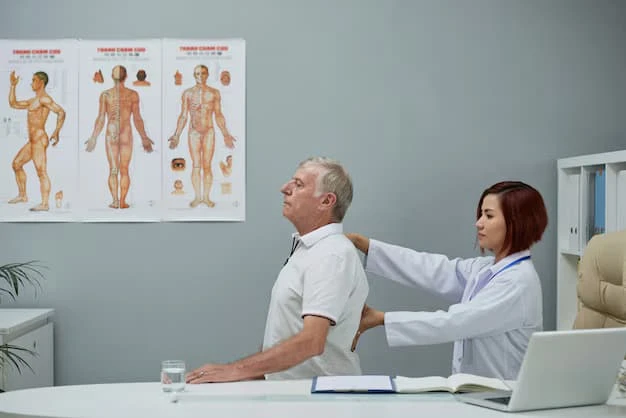
These tables are adjustable and can be customized to fit each individual’s specific needs. Spinal decompression therapy can be performed under the supervision of a trained professional, such as a chiropractor, or with the guidance of a healthcare provider in certain settings.
Benefits of Using a Spinal Decompression Table
Spinal decompression therapy is known for its ability to treat a variety of spinal issues. Some of the benefits include:
- Relief from Chronic Back and Neck Pain: One of the most common reasons individuals seek spinal decompression therapy is to alleviate persistent pain in the back and neck.
- Treatment for Herniated or Bulging Discs: Decompression therapy can help reduce the pressure on the affected discs, allowing them to heal properly.
- Reduction of Sciatica Symptoms: By reducing pressure on the sciatic nerve, spinal decompression can help alleviate the pain associated with sciatica.
- Non-Invasive Treatment: Spinal decompression therapy is a non-surgical treatment option, making it an appealing choice for individuals who wish to avoid more invasive procedures.
Preparing for Spinal Decompression Therapy
Before using a spinal decompression table, it is important to prepare both physically and mentally. Here are a few steps to take to ensure a safe and effective session:
Consult with a Healthcare Professional
Before beginning spinal decompression therapy, it’s essential to consult with a qualified healthcare provider. They will assess your condition, review your medical history, and determine if spinal decompression is the right treatment for your specific issue. Not everyone is a good candidate for this type of therapy, so a professional evaluation is critical.
Understand the Treatment Process
Spinal decompression therapy typically involves a series of sessions, with each session lasting between 15 to 30 minutes. The healthcare provider will explain the entire process, including the goals, the procedure, and any precautions you should take.
Setting Up the Spinal Decompression Table
When using a spinal decompression table, it is important to follow all safety instructions to ensure both comfort and effectiveness. Here are the steps for setting up the table:
Step 1: Adjust the Table
The first step is to adjust the settings on the table. The table will need to be customized based on your height, weight, and the specific area of your spine that requires treatment. Many tables have digital controls that allow for precise adjustments of the angle of traction and the amount of decompression force. These settings will depend on your condition and your healthcare provider’s recommendations.
Step 2: Position Yourself Properly
Once the table is set up, it’s important to lie down in the correct position. For most treatments, you will lie flat on your back with your arms by your sides. In some cases, you may be asked to lie face down or even on your side, depending on the area of the spine being treated. Make sure that your head, neck, and spine are properly aligned on the table.
Step 3: Straps and Supports
To ensure safety during the decompression process, the table will have straps that secure your body in place. These straps help to stabilize the body while the table applies gentle traction to the spine. Be sure that the straps are comfortably tightened but not too tight. You should not feel restricted or uncomfortable, but they should keep you in place throughout the session.
The Spinal Decompression Process
Once you are properly positioned on the table and secured, the decompression therapy can begin. The procedure involves the following steps:
Step 1: Gradual Traction
The spinal decompression table will begin by slowly and gently stretching the spine. The amount of traction (force) applied will gradually increase over a period of time. The traction force is controlled, with the table applying small increments of pressure to the spine. This gradual process is designed to avoid discomfort or injury.
Step 2: Targeted Decompression
Depending on the treatment plan, the spinal decompression table may focus on specific segments of the spine. For example, if you are receiving treatment for a herniated disc in the lower back, the table may apply more pressure to the lumbar spine area. The decompression process is meant to create space between the vertebrae, which can reduce pressure on the discs and nerves.
Step 3: Relaxation Period
During the treatment, you may feel a stretching sensation in your spine, but it should not be painful. If at any point you feel discomfort, be sure to communicate with your healthcare provider. After a few minutes of decompression, the table may reduce the traction force and give you a brief period to relax.
Step 4: Completing the Session
The session typically ends after 15 to 30 minutes, depending on your treatment plan. The table will gradually return to its original position, and you can carefully sit up and exit the table. Afterward, your healthcare provider may offer post-treatment recommendations, such as exercises or stretches, to enhance the benefits of the session.
Post-Treatment Care and Recommendations
After using a spinal decompression table, it is important to follow any aftercare instructions provided by your healthcare provider. This may include:
- Rest and Recovery: After the decompression session, it’s often recommended to rest for a short period of time. This helps the body adjust to the changes in the spine and allows for healing.
- Hydration: Spinal decompression therapy can affect the intervertebral discs, which need to be properly hydrated to heal. Drinking plenty of water after the session is important to maintain proper spinal health.
- Follow-Up Appointments: To achieve the best results, spinal decompression therapy often requires multiple sessions. Be sure to follow up with your healthcare provider to track your progress and adjust the treatment plan as necessary.
Key Safety Tips for Using a Spinal Decompression Table
To ensure a safe and effective spinal decompression experience, consider the following tips:
- Always Follow Professional Guidance: Work with a healthcare provider who is trained in spinal decompression therapy to ensure you are using the table safely.
- Communicate Any Discomfort: If you feel any discomfort or pain during the session, immediately inform your healthcare provider. They can adjust the settings or stop the treatment if necessary.
- Avoid Overuse: Spinal decompression is most effective when done in moderation. Do not attempt to use a decompression table too frequently or for extended periods, as this may lead to injury or strain.
- Listen to Your Body: Pay attention to how your body responds to the therapy. If you experience any unusual symptoms after the session, consult with your healthcare provider.
Conclusion
Using a spinal decompression table can be an effective way to relieve back and neck pain and treat a variety of spinal conditions. By following the proper steps for setup, positioning, and post-treatment care, individuals can enjoy the benefits of this non-invasive therapy. As with any medical treatment, safety and professional guidance are key to achieving optimal results.
For those interested in incorporating spinal decompression therapy into their healthcare routine, it is essential to work with a qualified professional who can help you navigate the process. If you are looking for high-quality chiropractic equipment, Advanced Chiropractic Equipment LLC is a trusted source for all your spinal decompression needs.





























Sign in to leave a comment.