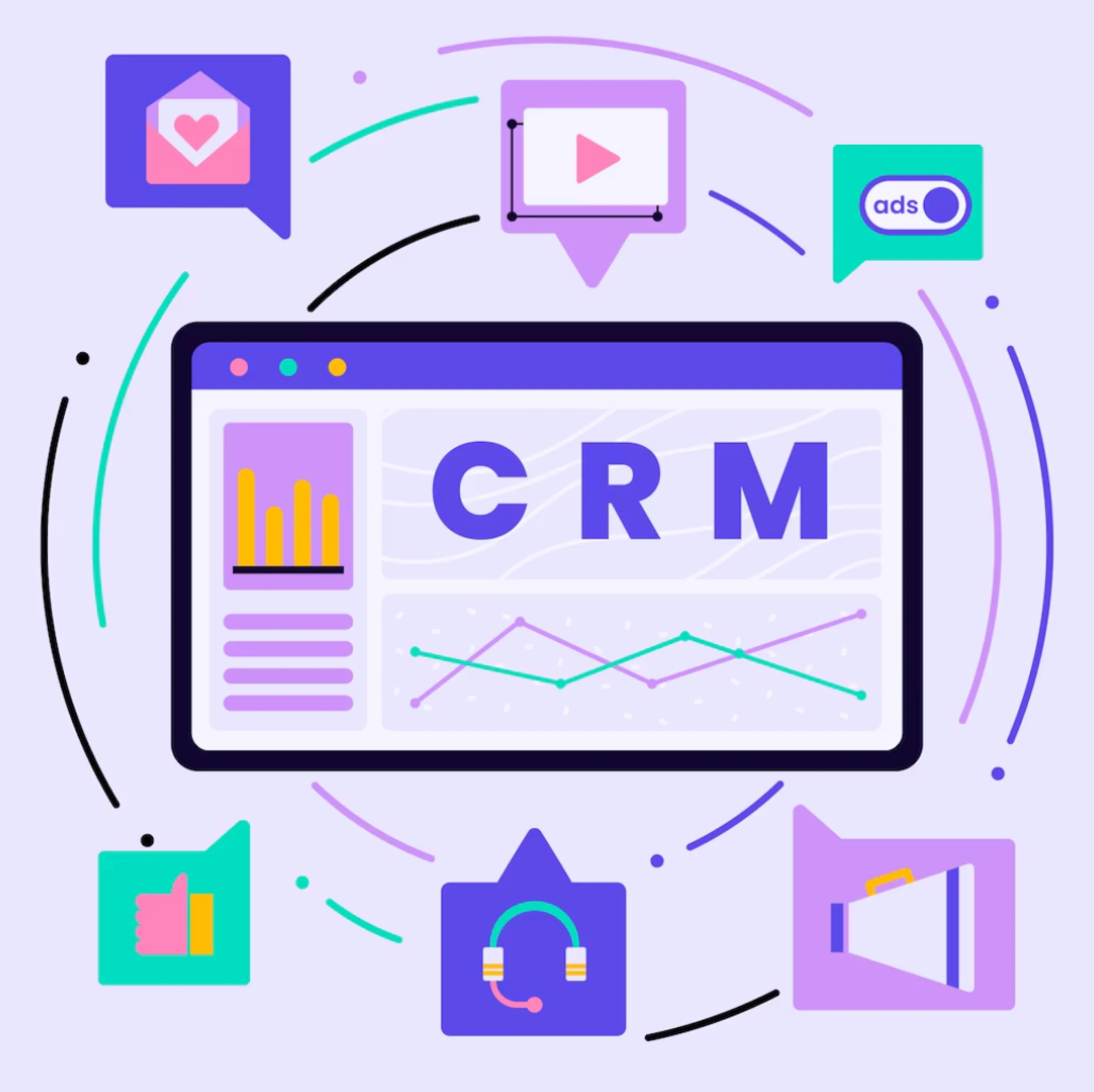

Salesforce is a robust tool for driving efficiency, improving customer engagement, and achieving digital transformation. However, out-of-the-box Salesforce solutions often require customization to align with unique business needs. Choosing the right Salesforce custom development partner is critical for maximizing ROI and ensuring long-term success.
1. Expertise in Salesforce Custom Development
The ideal partner should have extensive experience in Salesforce development, including Apex, Lightning Web Components, integrations, and automation. Look for firms like SP Tech. Their ability to build tailored solutions ensures your Salesforce environment operates seamlessly within your existing ecosystem.
2. Proven Track Record and Client References
Evaluate a partner’s track record through case studies, testimonials, and client references. Ask about similar projects they have completed and how they have driven measurable improvements. A partner with a strong portfolio of successful implementations is more likely to deliver quality results.
3. Industry-Specific Experience
A development partner with expertise in your industry understands regulatory requirements, compliance needs, and common pain points. Whether you operate in healthcare, finance, retail, or manufacturing, industry-specific knowledge helps accelerate project execution and ensures the solution aligns with your business objectives.
4. Integration Capabilities
Your Salesforce instance must integrate seamlessly with other enterprise applications like ERP, marketing automation, and data analytics tools. Ensure your development partner has expertise in API development, middleware solutions, and third-party integrations to create a connected ecosystem.
5. Scalability and Long-Term Support
Salesforce customization requires continuous optimization and scaling as your business evolves. Choose a development partner like SP Tech that offers ongoing support, maintenance, and the flexibility to scale solutions as your company grows.
6. Agile Development Approach
A partner that follows agile methodologies ensures iterative development, regular feedback loops, and faster time-to-market. Agile development provides transparency and allows adjustments based on evolving business needs.
7. Cost vs. Value
While cost is an important factor, focusing solely on the lowest bid can lead to subpar outcomes. Instead, consider the value a partner brings such as expertise, innovation, long-term support, and strategic guidance. A higher initial investment in a reliable partner can yield greater long-term benefits.
8. Security and Compliance Standards
Data security and compliance are paramount for any Salesforce implementation. Your partner should adhere to the best security practices, including data encryption, role-based access controls, and compliance with industry regulations such as GDPR, HIPAA, and SOC 2.
9. Cultural Fit and Collaboration
The best partnerships thrive on strong communication and collaboration. Assess the partner’s responsiveness, project management approach, and alignment with your company’s culture. An aligned partner ensures smoother workflows and a more successful engagement.
Conclusion
Selecting the right Salesforce custom development partner is a strategic decision that impacts your business’s long-term growth. By evaluating expertise, industry experience, scalability, security, and integration capabilities, businesses can make an informed choice. A reliable partner not only enhances Salesforce functionalities but also empowers your organization to drive innovation and efficiency.



























Sign in to leave a comment.