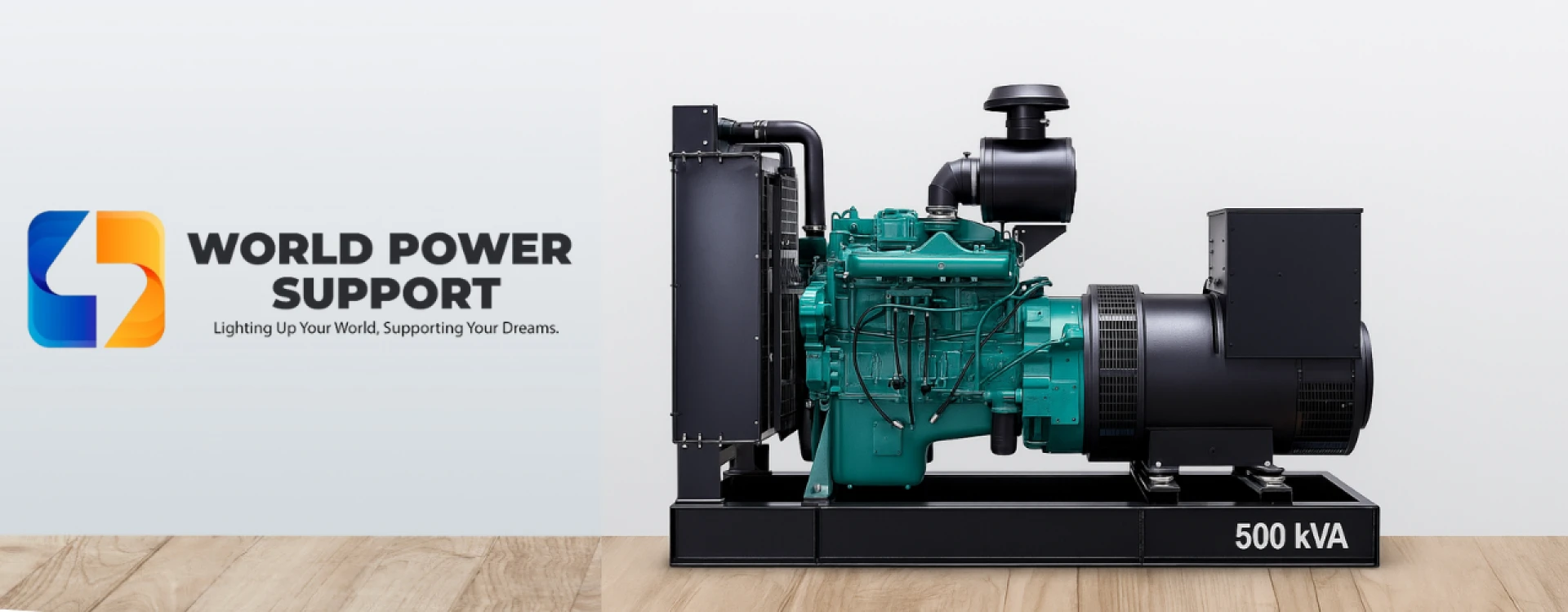

Whether you're running a construction site, organizing an outdoor event, managing a business facility, or setting up emergency backup power for a building, selecting the right size generator is critical. Choosing a generator that is too small can lead to overload, equipment failure, or even safety hazards. On the other hand, an oversized generator may cost more than necessary, waste fuel, and create operational inefficiencies.
In this guide, we’ll break down the importance of generator sizing, how to calculate your power needs, and provide practical steps and tips to help you select the perfect generator size for your project.
Why Generator Sizing Matters
Before diving into calculations, it’s important to understand why proper generator sizing is essential for your project. Whether you're managing a construction site or planning an event, choosing the right generator rental in Dubai ensures reliable power, prevents equipment damage, and avoids costly downtime.
1. Prevent Equipment Damage
A generator that doesn’t provide sufficient power can cause devices and machinery to underperform, malfunction, or suffer long-term damage.
2. Avoid Overloading
If a generator is overloaded beyond its rated capacity, it can overheat, shut down, or even catch fire—leading to costly repairs or dangerous conditions.
3. Optimize Fuel Efficiency
An oversized generator consumes more fuel and may operate inefficiently under low load conditions. This increases operational costs.
4. Improve Reliability
A correctly sized generator ensures stable, continuous power, which is especially crucial for sensitive electronics and critical systems.
5. Compliance and Safety
Projects in certain industries or regions (like the UAE, UK, or USA) must comply with specific electrical standards and safety regulations, which require proper power supply systems.
Step-by-Step Guide to Choosing the Right Size Generator
Step 1: Identify Your Power Requirements
The first step in generator sizing is to determine how much power your equipment or system will consume.
Power is measured in:
- Watts (W) or Kilowatts (kW) for real power
- Kilovolt-amperes (kVA) for apparent power
Generators are typically rated in kW or kVA. Here’s the distinction:
- kW = Real power (used by your equipment)
- kVA = Apparent power (real power + losses due to inefficiency)
The formula:
ini
CopyEdit
kW = kVA × Power Factor
Most commercial and industrial generators use a power factor of 0.8 unless otherwise stated.
Step 2: Make a List of All Equipment and Devices
Create an inventory of all electrical devices that will run on the generator. This could include:
- Construction equipment (e.g., drills, compressors, cranes)
- HVAC systems
- Computers, printers, servers
- Lighting
- Audio-visual gear (for events)
- Pumps or refrigeration units
- Emergency systems (fire alarms, lifts)
For each device, note the following:
- Starting wattage
- Running wattage
- Voltage (V) and phase (single-phase or three-phase)
Manufacturers often list power requirements on a nameplate or in the user manual.
Step 3: Understand Running Load vs. Starting Load
Some equipment—especially those with motors—require extra power to start. This is called the starting load or inrush current, which can be 2 to 3 times higher than the normal running load.
Example:
- A 1HP motor may have a running wattage of 1000W but a starting wattage of 3000W.
- Lighting and computers usually do not have high starting loads.
Always size your generator to accommodate the highest starting load that may occur simultaneously.
Step 4: Calculate Total Power Requirement
To calculate total power:
- Convert all your wattages to kilowatts (divide by 1000)
- Add together the running kW for continuous use
- Identify the maximum starting kW required for motor-driven equipment
- Add a safety margin of 10–25% for future scalability or fluctuations
Sample Calculation:
Equipment Running Watts Starting Watts
Lighting
3000 W
3000 W
Sound system
5000 W
5000 W
Refrigeration
4000 W
12000 W
Fans
2000 W
4000 W
- Total running watts = 14,000 W (14 kW)
- Max starting watts = 12,000 W (for refrigeration)
- Generator size = (14 kW + 12 kW starting surge) + 20% buffer = approx. 32 kW
You’d want to rent or purchase a generator of 30–35 kW in this case.
Step 5: Decide Between Single-Phase and Three-Phase
- Single-phase generators are suitable for homes, small offices, or events with simple power needs.
- Three-phase generators are used for larger industrial projects, construction sites, and equipment with heavy load requirements.
Choosing the wrong phase type can cause equipment incompatibility or underperformance.
Step 6: Factor in Runtime and Fuel Consumption
If your project is expected to run the generator continuously or for long hours, consider:
- Fuel type (diesel, petrol, natural gas)
- Fuel tank capacity
- Fuel efficiency (liters/hour or gallons/hour)
- Automatic shut-off or refueling systems
Generators are available in various runtimes:
- Portable generators: typically run 6–12 hours
- Industrial diesel generators: 24-hour+ operation with large fuel tanks
Step 7: Consider Generator Portability and Mobility
Based on the nature of your project, you may need:
- Towable generators: for mobile construction sites or events
- Stationary generators: for long-term installation or high-capacity needs
- Compact/portable generators: for small tools or emergency use
Mobility also influences installation, ventilation, and transportation requirements.
Step 8: Environmental and Regulatory Considerations
Depending on your location and industry, ensure your generator complies with:
- Noise restrictions
- Emissions standards
- Enclosure requirements for weatherproofing
- Safety certifications (e.g., ISO, CE, UL)
In regions like the UAE, for example, heat resistance and low-emission models are often required for compliance and performance in desert climates.
Common Generator Sizes and Their Applications
Generator Size Suitable For
2–6 kW
Small tools, home backup, camping
7–20 kW
Residential backup, small events
25–50 kW
Mid-size events, retail outlets, restaurants
60–150 kW
Construction sites, large venues, offices
200–500 kW
Industrial plants, high-rise buildings
500+ kW
Data centers, hospitals, large manufacturing units
Mistakes to Avoid When Choosing a Generator
- Ignoring starting load: This is one of the most common sizing errors.
- Choosing the wrong phase: Always check equipment compatibility.
- Underestimating future load: Add 10–25% buffer for load growth.
- Skipping expert consultation: Always get help from a technician or rental provider.
- Not accounting for fuel logistics: Long-term projects require efficient fuel planning.
Tools That Help with Generator Sizing
- Online Generator Sizing Calculators: Available from most rental companies
- Load Meters or Clamp Meters: For measuring existing power draw
- Professional Site Surveys: Conducted by generator providers
- Project Power Plans: Especially for construction or industrial projects
When to Rent vs. Buy a Generator
Criteria Rent Buy
Project Duration
Short to medium term
Long-term/permanent need
Capital Budget
Limited
Available
Maintenance
Included by provider
Your responsibility
Flexibility
High (can change capacity easily)
Low (fixed asset)
Urgency
Quick delivery possible
Requires procurement time
For one-time events, temporary construction sites, or seasonal operations, renting is usually the smarter option.
Conclusion
Choosing the right size generator is about matching your project’s real-world power needs with the generator’s capabilities, while factoring in startup loads, fuel efficiency, mobility, and long-term usage.
Here’s a quick recap of how to size your generator correctly:
- List all equipment and their power ratings
- Calculate both running and starting loads
- Add a safety margin
- Choose the correct phase type
- Consider runtime and fuel usage
- Ensure regulatory compliance
- Use expert support when needed
A properly sized generator provides reliable, efficient, and safe power—ensuring your project runs smoothly without unexpected power failures or costly equipment issues




























Sign in to leave a comment.